A well-planned Switzerland itinerary for 14 days gives you enough time to combine Lake Geneva, the Matterhorn, the Jungfrau Region, Bern, and a slower countryside finish without changing hotels every night. This route is designed mainly for train travel and works especially well for travelers who want a mix of mountain hikes, scenic rail journeys, historic towns, lakes, food, and a few high-adrenaline activities.
Quick Answer
For a balanced 14-day Switzerland trip, spend three days around Montreux and Lausanne, three in Zermatt and Grindelwald, three around Lauterbrunnen and Interlaken, two in Bern, and the final three days relaxing in Gstaad or Weggis. Use trains for the main transfers and keep mountain days flexible for weather.
Last checked: October 1, 2026. Dates and figures were verified against official sources.
Key Takeaways
- The route combines French-speaking Lake Geneva, the Valais Alps, the Jungfrau Region, and Bern without requiring a rental car.
- Zermatt’s 5-Lake Route is an 11.3 km moderate hike, while the Eiger Trail is 6.1 km from Eigergletscher to Alpiglen.
- Lauterbrunnen works best as a base for waterfalls, Mürren, Schilthorn, and easy access to Interlaken.
- A 15-day Swiss Travel Pass closely matches this itinerary, but mountain railways may still require a supplement or discounted ticket.
- For the final three days, choose Gstaad for an easier western-Switzerland finish or Weggis if you plan to depart through Zurich.
Switzerland Itinerary 14 Days: Route at a Glance
This itinerary moves from Lake Geneva into the high Alps, then through the Bernese Oberland to Bern before ending with a slower countryside stay. It deliberately gives several destinations more than one night, which makes weather changes and mountain excursions easier to manage.
| Day | Base | Main Plan |
|---|---|---|
| 1 | Montreux | Lake promenade and Chillon Castle |
| 2 | Lausanne | Old Town and Olympic Museum |
| 3 | Lausanne or Montreux | Lavaux vineyards or Évian-les-Bains |
| 4 | Zermatt | Arrival and 5-Lake Route |
| 5 | Zermatt | Gornergrat and Matterhorn views |
| 6 | Grindelwald | Eiger Trail or Grindelwald-First |
| 7 | Lauterbrunnen | Waterfalls and valley walk |
| 8 | Interlaken | Adventure activity or lake excursion |
| 9 | Mürren/Lauterbrunnen | Schilthorn and Piz Gloria |
| 10 | Bern | Old City, Zytglogge, Federal Palace |
| 11 | Bern | Museums, BearPark, Rose Garden |
| 12 | Gstaad or Weggis | Transfer and relaxed afternoon |
| 13 | Gstaad or Weggis | Walking, wellness, lake or mountain excursion |
| 14 | Departure | Easy breakfast and airport transfer |
Days 1-3: Explore the Swiss Riviera and Lake Geneva
Begin beside Lake Geneva, where Montreux, Lausanne, Chillon Castle, and Lavaux give you an easy introduction before the higher-altitude part of the trip. Staying two or three nights in the same Lake Geneva area also reduces packing and lets you adjust outdoor plans if the weather changes.
Day 1: Montreux and Chillon Castle
Start with a walk along Montreux’s lakeside promenade, where the Alps rise across Lake Geneva. The waterfront makes a gentle first-day activity after a flight or long train journey, and cafés, gardens, and lake views give you plenty of places to slow down.
Then visit Château de Chillon near Montreux. The castle is one of the region’s major historic landmarks and sits directly beside the lake. For 2026, the official schedule lists opening from 9:00 a.m. to 7:00 p.m. from April through September, with shorter hours during the rest of the year.
Return to Montreux for dinner. Fondue, raclette, rösti, lake fish, and regional Vaud wines are all natural choices, but there is no need to force several rich Swiss dishes into one meal.
Day 2: Lausanne Old Town and the Olympic Museum
Use your second day for Lausanne. The city’s steep streets connect the lakefront district of Ouchy with the historic center, giving you a mix of waterfront scenery, old architecture, shops, cafés, and cultural attractions.
The Olympic Museum is one of Lausanne’s signature stops. Its exhibitions trace Olympic history, athletes, objects, ceremonies, and the development of the Games. Allow enough time to visit both the indoor galleries and the lakeside grounds rather than treating it as a quick photo stop.
Afterward, explore Lausanne’s Old Town on foot. Comfortable shoes matter here because the city is noticeably hilly.
Day 3: Lavaux Vineyards or Évian-les-Bains
Choose between a Swiss vineyard day and an international lake crossing. Both fit naturally from Lausanne, but trying to combine them into one rushed day weakens the experience.
For wine villages and walking, head into the Lavaux Vineyard Terraces. Switzerland Tourism describes about 800 hectares of terraced vineyards in this UNESCO-listed landscape. Villages such as St-Saphorin, Epesses, and Cully sit among the vines above Lake Geneva.
If you prefer a boat trip, use the official CGN N1 Lausanne-Évian route. Évian-les-Bains is in France, so this is an international excursion rather than a Swiss domestic cruise. Spend the day walking the French spa town and lakefront before returning to Lausanne.
Days 4-6: Zermatt, the Matterhorn, and Grindelwald
)
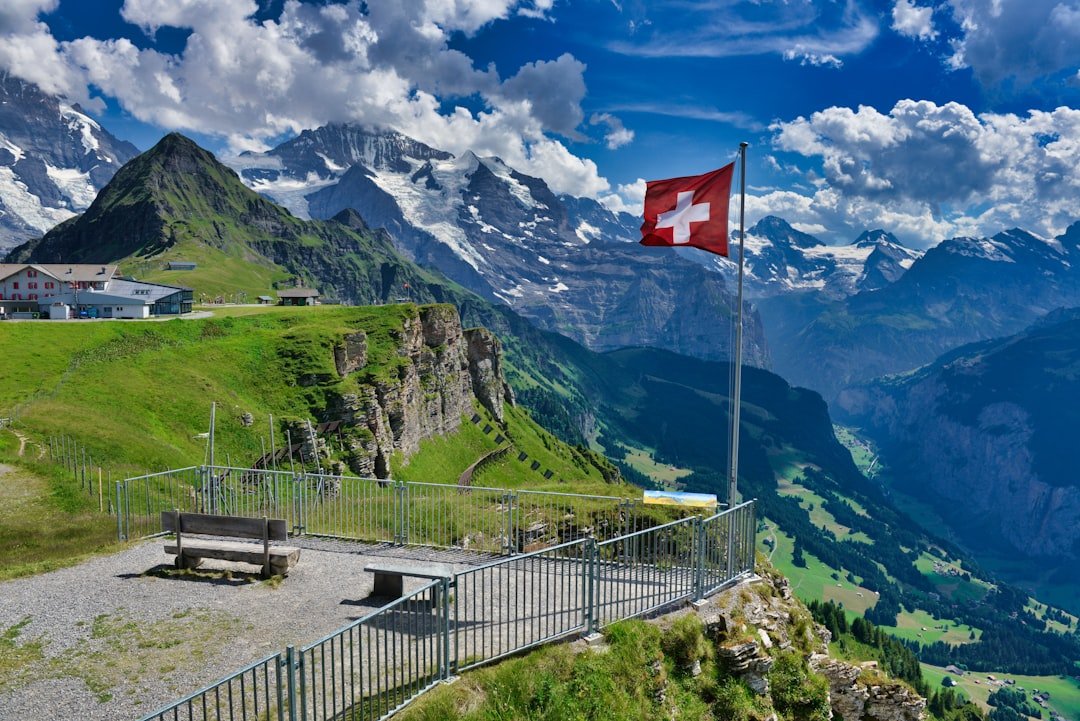
The next three days move into Switzerland’s high mountains. Zermatt gives you close Matterhorn views and excellent hiking, while Grindelwald places you directly below the Eiger and within easy reach of the wider Jungfrau Region.
Day 4: Zermatt and the 5-Lake Route
Zermatt is car-free in its central village and is reached by rail, making it particularly well suited to this train-based itinerary. If you arrive early enough and conditions are good, use the afternoon for one of the area’s classic hikes.
The official 5-Lake Route runs 11.3 km from Blauherd to Sunnegga. It is rated moderate T2 and takes about 3 hours 30 minutes, with 265 m of ascent and 542 m of descent.
The route passes Stellisee, Grindjisee, Grünsee, Moosjisee, and Leisee. The Matterhorn can reflect in three of the lakes when conditions are calm and clear.
Pro Tip: Do not schedule your most important mountain excursion solely by calendar. Keep at least one Zermatt activity flexible so you can use the clearer day for Matterhorn views.
Day 5: Gornergrat and the High-Alpine Panorama
Dedicate your second Zermatt day to Gornergrat. The cogwheel railway climbs above the village into a much higher alpine landscape, giving you broad views of the Matterhorn, glaciers, and surrounding summits.
From the viewing area, the official Gornergrat Bahn identifies 29 peaks above 4,000 metres. If you want a short extension, the 360° Gornergrat Loop takes about 20 minutes.
You can also stop at Rotenboden for the short walk toward Riffelsee. On still days, the lake is one of the best-known Matterhorn reflection viewpoints in the region.
Day 6: Grindelwald, the Eiger Trail, or First
Travel to Grindelwald and choose one main mountain activity rather than trying to combine every cable car and hike. Strong hikers can prioritize the Eiger Trail, while travelers seeking an easier sightseeing day may prefer Grindelwald-First.
The official Eiger Trail from Eigergletscher to Alpiglen is 6.1 km. It takes about two hours in the downhill direction and runs directly below the Eiger North Face.
Another option is the cable car to First, where the First Cliff Walk follows the rock face near the mountain station and ends at a viewing platform. Mountain operations and trail conditions change with season and weather, so use the current operating status when choosing between the two.
Days 7-9: Lauterbrunnen, Interlaken, and Schilthorn
Spend the next three days in the Bernese Oberland, using Lauterbrunnen or nearby Interlaken as your base. This part of the itinerary combines waterfalls, mountain villages, lakes, paragliding, and one of Switzerland’s most recognizable summit panoramas.
| Day | Activity | Location |
|---|---|---|
| Day 7 | Valley walk and waterfalls | Lauterbrunnen Valley |
| Day 8 | Paragliding or lake excursion | Interlaken |
| Day 9 | Schilthorn and Piz Gloria | Mürren |
Day 7: Lauterbrunnen Valley and Its Waterfalls
Lauterbrunnen is best enjoyed at ground level before you rush onto another cable car. The valley’s sheer walls, meadows, villages, and waterfalls create a completely different experience from the exposed high-alpine landscapes around Zermatt.
The official Jungfrau site describes Lauterbrunnen as the Valley of 72 Waterfalls. Staubbach Falls drops about 300 metres from the cliff above the village, while other waterfalls appear farther along the valley.
You can walk through the valley and then continue toward Wengen or Mürren using the local rail and cable-car network. Mürren is especially useful if Schilthorn is part of your Day 9 plan.
Day 8: Interlaken Adventure or a Lake Day
Interlaken sits between Lake Thun and Lake Brienz and serves as the region’s transport and adventure hub. Make this the flexible day in your Jungfrau stay.
If you want adrenaline, paragliding is one of the area’s signature activities. Skydiving, canyoning, and other guided adventure sports are also available, but weather and operating conditions matter.
For a slower day, take a boat ride on Lake Thun or Lake Brienz. This gives your legs a rest after several hiking days while keeping the mountain scenery in view.
Day 9: Mürren and Schilthorn
Use the final Bernese Oberland day for Mürren and Schilthorn if the summit forecast is favorable. Mürren itself is worth time on foot, so the day does not have to be a simple up-and-down cable-car trip.
At the Schilthorn summit, the revolving Piz Gloria restaurant provides a panorama centered on peaks including the Eiger, Mönch, and Jungfrau. On clear days, the high viewpoint opens across a much wider section of the Alps.
Return to the valley in the afternoon and keep the evening simple. After several high-altitude days, Lauterbrunnen or Interlaken is an easy place for a relaxed Swiss meal.
Days 10-11: Explore Bern, Switzerland’s Federal City
Bern gives you two lower-altitude days between mountain regions. Its compact historic center is easy to explore on foot, and the city adds architecture, politics, art, and Swiss history to an itinerary otherwise dominated by scenery.
Day 10: Bern Old City, Zytglogge, and the Federal Palace
Start in the UNESCO-listed Old City of Bern. UNESCO notes that Bern was founded in the 12th century and still preserves the structure of its historic urban plan, including arcades, fountains, and buildings from several periods.
Walk toward the Zytglogge clock tower and arrive before the hour if you want to see its mechanical figures in motion. Continue through the arcaded streets toward the Federal Palace and the terrace overlooking the Aare valley.
The BearPark can fit naturally into the same walking route. From there, continue uphill to the Rose Garden for a broad view back over Bern’s roofs and the bend of the Aare.
Day 11: Museums and Einstein’s Bern
Use your second day for the city’s cultural side. The Kunstmuseum Bern and Zentrum Paul Klee are strong choices for art, while the Bern History Museum includes its Einstein exhibition.
Einstein lived in Bern during an important period of his career, and the city still preserves the apartment known as the Einstein House. Choose one or two museums rather than trying to cover all of them in a single day.
Leave part of the afternoon open for cafés, arcades, local shops, or another walk along the Aare. Bern rewards a slower pace more than a checklist approach.
Days 12-14: Relax in Gstaad or Weggis
)
The final three days should slow the trip down. Instead of adding another major city, choose either Gstaad in western Switzerland or Weggis on Lake Lucerne, depending on your departure airport and the kind of finish you want.
Choose Gstaad for Alpine Walking and an Easier Western Finish
Gstaad works well if you plan to leave Switzerland through Geneva or want to remain closer to western Switzerland. The village is known for upscale hotels and chalets, but you do not need a luxury budget to enjoy its streets, hiking routes, surrounding valleys, and mountain scenery.
Spend Day 12 traveling from Bern and settling in. On Day 13, choose a local hike, a spa session, or a relaxed village day. Gstaad’s appeal at this stage of the trip is that you do not need to chase another major attraction.
Choose Weggis for Lake Lucerne and a Zurich-Area Finish
Weggis is the stronger option if Lake Lucerne and Mount Rigi interest you or if your departure is through Zurich. The lakefront village gives you access to boats, nearby mountain transport, and a calmer atmosphere after Zermatt and the Jungfrau Region.
Use Day 13 for a Lake Lucerne boat ride, a Mount Rigi excursion, or an easy lakeside walk. This alternative adds central Switzerland to the route but requires a longer transfer from Bern than Gstaad does.
Day 14: Keep Departure Day Light
Do not fill your final morning with a distant mountain excursion. Have breakfast, take a short walk if time allows, and leave a sensible buffer for your airport train.
If your flight leaves early, consider spending the final night closer to your departure airport instead of forcing a long transfer on Day 14.
Best Time for This 14-Day Switzerland Itinerary
This exact version is designed around hiking, mountain railways, waterfalls, lake boats, and high-altitude viewpoints, so it is best treated as a warm-season or early-autumn itinerary. Individual trails and lifts can still close because of snow, maintenance, storms, or changing mountain conditions.
Zermatt’s guided 5-Lakes hiking program identifies roughly mid-June through October as its preferred period. A winter trip can still follow many of the same bases, but hiking days should be replaced with winter walking, skiing, snow activities, or lower-altitude sightseeing.
July and August generally bring the greatest choice of high-mountain summer activities, but they are also popular travel months. Spring and autumn can be quieter, yet high trails are more sensitive to snow and seasonal lift schedules.
Transportation: Trains, Boats, and the Swiss Travel Pass
Switzerland’s public transport system is well suited to this route, and a car is not necessary for the main itinerary. Trains connect the major bases, while local buses, boats, cogwheel railways, funiculars, gondolas, and cable cars handle many mountain excursions.
For a 14-day trip, the 15-day Swiss Travel Pass is the closest consecutive pass length. SBB lists the 2026 adult price at CHF 499 in second class and CHF 787 in first class, with those prices valid through December 31, 2026.
The pass includes broad train, bus, boat, and urban transport coverage, but do not assume every mountain railway is fully included. Many mountain routes offer a discount rather than free travel, and some panoramic services require reservations or supplements.
Note: A Swiss Travel Pass is convenient, but it is not automatically the cheapest option for every traveler. Compare it with point-to-point fares and the Swiss Half Fare Card if your itinerary has fewer long-distance journeys.
Where to Stay During the 14 Days
For most travelers, fewer hotel changes make this route more enjoyable. Choose accommodation within easy walking distance of railway stations whenever possible, especially in Montreux or Lausanne, Zermatt, the Jungfrau Region, and Bern.
- Days 1-3: Stay in Montreux or Lausanne and use trains for the other Lake Geneva stops.
- Days 4-5: Stay two nights in Zermatt.
- Days 6-9: Use Grindelwald, Lauterbrunnen, or Interlaken as your main Bernese Oberland base.
- Days 10-11: Stay near Bern’s Old City or main station.
- Days 12-13: Choose Gstaad or Weggis rather than trying to visit both.
Book early for popular summer, ski-season, festival, and holiday periods. If you have heavy luggage, changing hotels every night becomes tiring quickly even with Switzerland’s efficient trains.
Swiss Food to Try Along the Route
Swiss food changes noticeably by region. Rather than eating the same fondue throughout the trip, use the route to try a wider range of local dishes and products.
- Fondue: A classic melted-cheese meal that fits naturally in mountain regions.
- Raclette: Melted cheese served with potatoes and accompaniments, strongly associated with Valais.
- Rösti: Crisp grated potatoes served alone or with toppings and side dishes.
- Swiss cheese: Gruyère, local alpine cheeses, and regional varieties differ significantly in flavor.
- Chocolate: Easy to find throughout the country, from major brands to independent chocolatiers.
- Lake fish and regional wines: Particularly relevant around Lake Geneva and Lake Lucerne.
Packing Essentials for a 14-Day Alpine Adventure
Packing for two weeks in Switzerland requires clothing for both cities and high mountains. Temperatures can change sharply with altitude even when the valleys feel warm.
- Moisture-wicking base layers for hiking days.
- A warm mid-layer such as fleece or a light insulating jacket.
- A waterproof or water-resistant outer layer.
- Well-broken-in hiking shoes or boots with suitable grip.
- Comfortable walking shoes for cities and travel days.
- Sun protection, including sunscreen, sunglasses, and a hat.
- A reusable water bottle and small daypack.
- Clothing suitable for restaurants and urban sightseeing.
Pack in layers rather than bringing one heavy jacket for every condition. That makes it easier to adapt between lake level, train interiors, windy viewpoints, and high-altitude trails.
Mountain Safety and Common Planning Mistakes
The biggest itinerary mistake is treating Swiss mountain transport like ordinary city sightseeing. Clouds, wind, snow, thunderstorms, trail conditions, and seasonal maintenance can change what is practical on any given day.
Warning: Do not leave marked hiking routes or enter glaciers without the skills, equipment, and guidance required for alpine terrain. Turn back if trail or weather conditions deteriorate.
Keep major mountain excursions flexible until the forecast is reasonably clear. Carry rain protection, water, and appropriate footwear, and remember that a sunny valley does not guarantee good conditions several thousand metres higher.
Another common mistake is scheduling too many mountain railways on the same day. One excellent summit or hike is usually more memorable than racing between three expensive viewpoints.
Must-See Attractions and Optional Hidden Gems
The core itinerary already contains many of Switzerland’s major sights, but you can substitute smaller destinations if you prefer fewer famous stops. The best choice depends on whether you value villages, glaciers, food, history, or quieter hiking areas.
Appenzell
Appenzell is known for colorful buildings, rural traditions, alpine landscapes, and its regional cheese. It makes more sense as part of an eastern-Switzerland extension than as a day trip from the route above.
Gruyères
Gruyères combines a compact historic hill town, castle, and strong cheese-making identity. It works particularly well if you choose Gstaad for the end of the itinerary.
The Aletsch Glacier
The Great Aletsch Glacier lies within the Swiss Alps Jungfrau-Aletsch UNESCO World Heritage area. It is the largest glacier in the Alps and can be viewed from several mountain areas in Valais as well as from the Jungfraujoch region.
Sion
Sion provides a different view of Valais, with vineyards, a historic center, and hilltop castles. It is a useful alternative for travelers who want more history and less time in resort towns.
Swiss Culture, Languages, and Local Etiquette
Switzerland has German-, French-, Italian-, and Romansh-speaking regions, and the cultural feel changes as you cross the country. This itinerary begins in French-speaking western Switzerland before moving into German-speaking destinations such as much of the Bernese Oberland and Bern.
Basic greetings are appreciated, and punctuality matters when using public transport or meeting guides. Keep voices moderate in shared spaces, respect marked hiking routes and private land, and follow local instructions around farms and grazing animals.
Regional festivals, alpine traditions, local food, music, and crafts can add depth to a trip, but they are best treated as part of the place rather than as staged attractions. If an event happens to overlap with your travel dates, it can be worth adjusting a day’s plan.
Off-the-Beaten-Path Ideas for a Future Switzerland Trip
A single 14-day trip cannot cover every Swiss region well. Save more distant destinations for a later journey rather than adding long train transfers simply to increase the number of places visited.
Val d’Anniviers in Valais offers alpine villages and mountain hiking away from the country’s busiest international resort centers. The Engadin in southeastern Switzerland provides high valleys, lakes, mountain scenery, and a distinctly different regional character.
Thermal destinations such as Leukerbad are another option for a slower trip, especially if you want to combine hiking with spa time. Workshops focused on cheese, chocolate, watchmaking, or local crafts can also add a cultural dimension to a future itinerary.
A strong Switzerland itinerary is not about fitting every famous destination into one trip. It is about combining enough variety with enough time to enjoy each place, while leaving room for mountain weather to change your plans.
If you’re also interested in music history, the site has an article on Ozzy Osbourne.
Frequently Asked Questions
What is the best time to follow this 14-day Switzerland itinerary?
Summer into early autumn is the easiest period for this exact hiking-focused route because more high-mountain trails and lifts are normally available. Winter travelers can use the same main bases, but several hiking days should be replaced with skiing, winter walking, or lower-altitude sightseeing.
What destinations should I include in a 14-day Switzerland itinerary?
A balanced 14-day route can include Montreux, Lausanne, Zermatt, Grindelwald, Lauterbrunnen, Interlaken, Bern, and either Gstaad or Weggis. This gives you lakes, high Alps, historic cities, scenic rail travel, hiking, and a slower final stop without changing hotels every night.
What activities are worth including in two weeks in Switzerland?
Include at least one major mountain hike, one high-altitude railway, a lake or boat trip, a historic city day, and time in a mountain village. The 5-Lake Route, Gornergrat, Lauterbrunnen, Schilthorn, Bern Old City, and Lake Geneva provide a good mix.
What is the best way to travel between destinations in Switzerland?
Train travel is the easiest choice for this itinerary because the main bases are well connected and several destinations are designed around public transport. Local boats, buses, cogwheel railways, funiculars, and cable cars handle many of the shorter excursions.
What Swiss foods should I try during the trip?
Try fondue, raclette, rösti, regional cheeses, Swiss chocolate, and local specialties from the areas you visit. Around the lakes, also look for regional fish dishes and wines rather than eating only the best-known mountain foods.
What cultural etiquette should I remember in Switzerland?
Be punctual, respect personal space, keep shared spaces reasonably quiet, and follow local rules on trails and public transport. Learning a simple greeting in the local language is also appreciated because Switzerland has several distinct linguistic regions.
Is 14 days enough for Switzerland?
Yes, 14 days is enough for a varied first trip if you limit the number of hotel bases. Two weeks gives you time for Lake Geneva, Zermatt, the Jungfrau Region, Bern, and one relaxed final destination without turning every day into a long transfer.
Do I need a rental car for a 14-day Switzerland itinerary?
No, you do not need a rental car for this route. Trains connect the main destinations efficiently, while boats, buses, mountain railways, and cable cars cover many local excursions, including places where private cars are restricted or unnecessary.
Sources
- SBB Swiss Travel Pass: 2026 pass durations and prices.
- Château de Chillon: castle opening schedule and visitor information.
- Switzerland Tourism — Lavaux Vineyard Terraces: Lavaux size, villages, and vineyard information.
- CGN: Lausanne–Évian N1 lake service and 2026 timetable information.
- Zermatt Tourism — 5-Lake Route: official distance, time, difficulty, elevation, and route details.
- Gornergrat Bahn: the 29 four-thousand-metre peaks visible from Gornergrat.
- Jungfrau Railways — Eiger Trail: trail distance, duration, elevation, and direction.
- Jungfrau Railways — Lauterbrunnen: the Valley of 72 Waterfalls and Staubbach Falls information.
- UNESCO — Old City of Bern: World Heritage status and historic urban development.