The University of Alaska Museum of the North in Fairbanks brings Alaska’s wildlife, landscapes, art, history, science, and Alaska Native cultures together in one place. Located on the University of Alaska Fairbanks campus, the museum combines major permanent galleries with changing exhibitions, research collections, family programs, dramatic architecture, and a planetarium that opened in 2026. If you are planning a visit, knowing what to prioritize and checking the current hours and ticket options can make your time there much easier.
Quick Answer
The University of Alaska Museum of the North is a research and teaching museum on the UAF campus in Fairbanks. Prioritize the Gallery of Alaska, Rose Berry Alaska Art Gallery, The Place Where You Go to Listen, special collections displays, and the new planetarium. Check seasonal hours and ticket prices before you go.
Key Takeaways
- The museum is at 1962 Yukon Drive on the University of Alaska Fairbanks campus.
- Its major attractions include the Gallery of Alaska, Rose Berry Alaska Art Gallery, The Place Where You Go to Listen, changing collections exhibits, and the Walt & Marita Babula Planetarium.
- Current museum admission starts at $23 for a standard adult ticket, with discounts and free-admission categories available.
- Planetarium shows require a separate ticket or combination ticket.
- Photography and video are permitted for personal, non-commercial use, but food and beverages are not allowed in the galleries.
- Hours, exhibitions, programs, and ticket prices can change, so check the museum’s official website shortly before visiting.
Overview of the University of Alaska Museum of the North
The University of Alaska Museum of the North is both a visitor attraction and a research and teaching museum. Its collections support work in archaeology, earth sciences, ethnology and history, fine arts, fishes, insects, mammals, plants, birds, documentary film, and other areas of northern research.
The museum says its research collections contain about 2.5 million artifacts and specimens representing millions of years of biological diversity and thousands of years of cultural traditions. The public galleries use a small portion of those collections to tell stories about Alaska’s people, wildlife, art, geography, and natural history.
The museum’s research collections include about 2.5 million artifacts and specimens, making the galleries only one visible part of a much larger research collection.
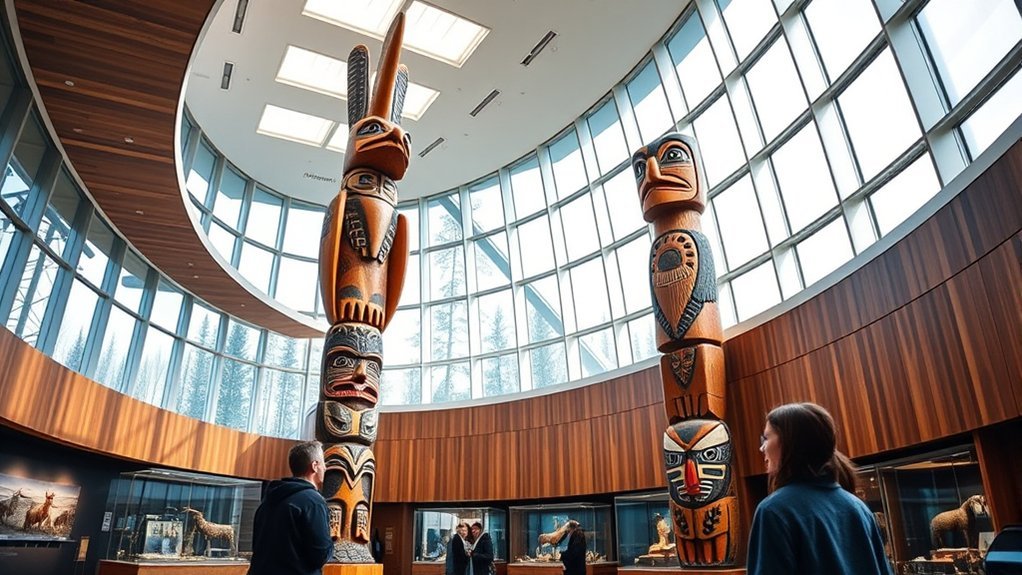
The building is also part of the experience. Architect Joan Soranno and the GDM/HGA team designed the expanded museum to evoke Alaska through forms associated with glaciers, mountain ridges, rivers, aurora, and other northern landscapes. The expanded building opened in 2005 and offers broad views toward the Alaska Range and Tanana Valley.
Five Must-See Exhibits and Experiences
The museum’s current layout is better understood by its official gallery names rather than generic labels. If your time is limited, start with these five areas.
-
Gallery of Alaska: This is the museum’s main cultural and natural history gallery. It is organized around five major Alaska regions: Western Arctic Coast, Interior, Southwest, Southcentral, and Southeast. Displays cover wildlife, geography, archaeology, cultural history, fossils, and recorded history. Highlights include the large brown bear known as Otto, mammoth and mastodon material, the mummified steppe bison Blue Babe, and Alaska’s largest public display of gold. See the official Gallery of Alaska page.
-
Rose Berry Alaska Art Gallery: The upper-level gallery explores roughly 2,000 years of Alaska art, from ancient ivory carvings and Alaska Native objects to paintings, photography, and contemporary sculpture. It is one of the strongest places in the museum to see how Alaska’s landscapes, communities, traditions, and changing society have influenced artists. Learn more from the Rose Berry Alaska Art Gallery.
-
The Place Where You Go to Listen: This sound-and-light installation by composer John Luther Adams changes continuously in response to natural forces and cycles in Interior Alaska. Daylight and darkness, lunar phases, atmospheric conditions, seismic activity, and auroral activity help shape the experience. It is not simply a room showing northern-lights images; it is an evolving environmental composition. See the museum’s page for The Place Where You Go to Listen.
-
Special Exhibits and Collections Galleries: These spaces change over time and connect visitors with current museum and university research in art, culture, history, and science. Because temporary exhibitions rotate, check the museum’s current exhibit listings before your visit instead of relying on an older list.
-
Walt & Marita Babula Planetarium: Opened in 2026, the museum’s immersive planetarium offers daily fulldome programs followed by a live tour of the night sky and beyond. Standard programs run about 45 minutes. Planetarium admission is separate from a regular museum ticket, although combination tickets are available. Check the current planetarium schedule before choosing your visit time.
Pro Tip: If you want to see a planetarium program, choose your showtime before exploring the galleries. Tickets are sold at the museum, there is no late entry, and the museum recommends arriving early enough to purchase your ticket before the show.
Educational Programs and Workshops
The museum’s Education & Public Programs connect its collections and research with children, families, teachers, teens, adults, university students, and community groups.
Programs vary throughout the year, so it is better to check the current calendar than assume a particular workshop will be running during your visit. Offerings can include:
- Hands-on family programs exploring science, art, history, and culture.
- Family Days with activities involving museum collections and specialists.
- ARTSci workshops for teens exploring connections between art and science.
- Family art workshops for children and adults working together.
- Field trips, gallery activities, teaching kits, and educator programs.
- Adult programs, community outreach, talks, and occasional workshops.
- Seasonal camps and other special learning programs.
Families can also use the museum’s Family Room and Creativity Lab when available. The museum’s galleries include both protected collection objects and selected hands-on elements, so visitors should touch only displays specifically marked for touching.
Special Events and Exhibitions
The museum hosts temporary exhibitions, lectures, community events, family programs, movies, and other activities throughout the year. In summer, the museum currently advertises special behind-the-scenes tours on Fridays at noon. Because programming changes, check the official events page and museum calendar before your visit.
As of August 16, 2026, one current exhibition is Observations: Two Decades of Change by Alaskan artist Ree Nancarrow. It is scheduled in the Rose Berry Alaska Art Gallery from August 15, 2026 through January 10, 2027. Temporary exhibitions like this are useful reasons for repeat visitors to check what is new.
The Arnold Espe Auditorium also hosts museum movies. Current museum information says auditorium movies are included with museum admission, while the planetarium operates with separate ticketing.
Note: Temporary exhibitions, event times, movie offerings, and planetarium schedules can change. Use the official museum calendar for the date of your visit rather than relying on an older itinerary.
Hours, Admission, Location, and Parking
The museum is located at 1962 Yukon Drive, Fairbanks, Alaska, on the University of Alaska Fairbanks campus.
As of August 16, 2026, the museum’s live Hours & Admission page lists these seasonal hours:
- Summer, May 17 through September 15: Open daily from 9 AM to 7 PM; admission sales and doors close at 6:30 PM.
- Winter, September 16 through May 16: Open daily from 9 AM to 5:30 PM; admission sales and doors close at 5 PM.
- Holiday closures currently listed: November 27, December 25, and January 1.
The museum notes that hours are subject to change, so verify them before traveling to the campus.
Current Museum Admission
The standard museum-only ticket currently includes access to the galleries and public spaces:
- Adult, ages 18–64: $23
- Senior, ages 65+: $20
- Youth, ages 6–17: $15
- Alaska resident with ID: $17
- Military and veteran with ID: $17
- Children age 5 and under: Free
- UA staff, faculty, and students: Free
- Eligible Museums for All visitors with EBT: Free
Combination tickets that include museum admission and a planetarium show are also available. Because admission rates can change, use the official ticket page for the final price when you visit.
Parking and Transportation
Visitor parking is available next to the museum in the UAF campus museum lot. The museum’s current maps and directions page lists visitor parking at $1.50 per hour or $6 per day, with parking free after 5 PM and on weekends.
The UAF campus can also be reached by Fairbanks North Star Borough MACS Transit bus routes. Depending on where you are staying, hotel shuttles or taxis may provide another option.
Tips for Visiting the Museum
A little planning can help you spend more time in the galleries and less time sorting out logistics after arrival. Start by checking the live hours, temporary exhibitions, event calendar, and planetarium schedule.
| Tip | What to Do | Why It Helps |
|---|---|---|
| Check current hours | Confirm seasonal opening and door-closing times before leaving for the museum. | Hours and holiday closures can change. |
| Choose a planetarium time first | Review showtimes and arrive early enough to buy a ticket. | There is no late entry to planetarium programs. |
| Use the gallery guide | Review the main- and upper-level maps before or during your visit. | It makes it easier to prioritize the galleries you care about most. |
| Download the museum app | Use the free mobile app and audio-guide material for additional context. | It adds information about collections, fieldwork, art, history, and outdoor stops. |
| Explore outside | Walk around the building to see its architecture and outdoor exhibits. | Outdoor displays include sculptures, totems, a Trans-Alaska pipeline cleaning pig, and a Russian-American blockhouse. |
The museum also offers a free mobile app and audio guide. Its museum-grounds walking tour can help visitors explore the architecture and exterior displays in more detail.
Food and Drinks
Food and beverages are not allowed in the museum galleries. However, the museum has an on-site café serving drinks, snacks, baked goods, and lunch items, and visitors can use designated café or lobby seating rather than carrying refreshments into exhibit spaces.
Photography
The museum’s 2026 visitor guide says photography and video recording are permitted for personal, non-commercial use. Be considerate of other visitors and follow any instructions posted around individual objects or spaces.
Accessibility
The museum provides an accessible route through its public areas. Accessible parking is available near the building, and the museum currently has three wheelchairs available on a first-come, first-served basis at the admissions desk. Other services include assisted-listening support for auditorium programs and additional accommodations that may be arranged in advance. See the museum’s accessibility information for current details.
Frequently Asked Questions
What are the University of Alaska Museum of the North’s hours?
As of August 16, 2026, summer hours are 9 AM to 7 PM daily from May 17 through September 15, with admissions and doors closing at 6:30 PM. Winter hours are 9 AM to 5:30 PM daily from September 16 through May 16, with admissions and doors closing at 5 PM. Check the official hours page before visiting because hours are subject to change.
How much is admission to the Museum of the North?
Current museum-only admission is $23 for adults ages 18–64, $20 for seniors ages 65+, $15 for youth ages 6–17, and $17 for Alaska residents and military/veterans with qualifying ID. Children age 5 and under, UA staff, faculty and students, and eligible Museums for All visitors are currently admitted free. Prices can change.
Is the planetarium included with museum admission?
No. The Walt & Marita Babula Planetarium requires a separate planetarium ticket, although discounted combination tickets that include museum admission and a planetarium show are available. Planetarium programs are about 45 minutes, and there is no late entry.
Are food and drinks allowed inside the museum?
Food and beverages are not allowed in the galleries. The museum does have an on-site café, along with seating where visitors can enjoy refreshments without taking them into exhibit areas.
Is photography permitted in the museum?
Yes. The museum’s current visitor guide allows photography and video recording for personal, non-commercial use. Follow posted instructions and avoid interfering with exhibits or other visitors.
Does the museum have accessible facilities for visitors with disabilities?
Yes. There is an accessible path through public areas, designated accessible parking near the museum, and three visitor wheelchairs available on a first-come, first-served basis. The museum also offers media accessibility services and can arrange additional assistance when contacted in advance.
Is parking available at the Museum of the North?
Yes. Visitor parking is available next to the museum on the UAF campus. As of August 2026, the museum lists parking at $1.50 per hour or $6 per day, with parking free after 5 PM and on weekends. Check current campus parking information before your trip.
What should I see first at the Museum of the North?
A strong first-visit route is the Gallery of Alaska, followed by the Rose Berry Alaska Art Gallery and The Place Where You Go to Listen. Then check the current special exhibits and add a Walt & Marita Babula Planetarium show if the schedule works for you.
Sources
- University of Alaska Museum of the North — Hours & Admission — current seasonal hours, museum admission, planetarium tickets, and free-admission categories.
- 2026 Visitors’ Guide & Gallery Map — gallery layout, visitor policies, museum facilities, and main attractions.
- Museum of the North — Galleries — official gallery names and exhibit information.
- Museum of the North — Education & Public Programs — family, educator, student, adult, and community learning programs.
- Museum of the North — Events — current event types, summer behind-the-scenes tours, and visitor programming.
- Museum of the North — Access & Special Needs — accessible routes, parking, wheelchairs, and visitor assistance.