You may need cash in Switzerland even if you plan to pay mostly by card. Swiss ATMs can be straightforward with a foreign debit or credit card, but the wrong currency choice, a cash-advance fee, or an unexpected operator surcharge can raise the cost. This guide shows you how to find a suitable ATM, withdraw Swiss francs, avoid dynamic currency conversion, and solve common problems.
Quick Answer
Use an ATM that displays your card network logo, preferably at a bank branch or busy transport hub. Select a cash withdrawal, review any fee, and choose Swiss francs (CHF) instead of your home currency. A debit card is often cheaper than a credit card because credit-card withdrawals may be treated as cash advances.
Key Takeaways
- Look for your card network logo, such as Visa/PLUS or Mastercard/Maestro/Cirrus, before inserting your card.
- Choose CHF and decline dynamic currency conversion when an ATM offers to bill you in your home currency.
- Check your card issuer’s withdrawal, foreign-transaction, conversion, and cash-advance fees before traveling.
- Deposit functions usually serve customers of the bank that owns the ATM, not visitors with foreign accounts.
- Use a secure ATM, protect your PIN, and keep a backup payment card in a separate place.
At a Glance
| Time Required | Usually 2–5 minutes |
| Difficulty | Easy |
| Tools Needed | Compatible card, PIN, and access to your banking app or issuer phone number |
| Cost | Varies by ATM operator and card issuer; credit cards may add cash-advance fees and interest |
What’s in This Article
- Before You Use a Swiss ATM
- How to Withdraw Cash from a Swiss ATM
- Locating ATMs in Switzerland
- Using a Foreign Debit or Credit Card
- ATM Fees and Exchange Rates
- Withdrawing Swiss Francs
- Making Deposits
- ATMs and Currency Exchange
- ATM Safety Tips
- Troubleshooting Common Problems
- Other ATM Transactions
- Alternatives to ATMs
- Frequently Asked Questions
Before You Use a Swiss ATM
Check your card before you leave home. Confirm that international ATM withdrawals are enabled, review your daily cash limit, and learn which fees your issuer may charge. Some banks let you control regional card use in their app, while others do not require a travel notice. Follow your own issuer’s current instructions instead of assuming a notice is always needed.
Save your card issuer’s international support number and make sure you know your PIN. Carry a second payment card in a separate place. If one card is blocked, lost, retained, or rejected, you will still have another way to pay.
Debit Card or Credit Card?
A debit card is often the better first choice for cash because the withdrawal normally comes directly from your bank account. A credit-card ATM withdrawal may be treated as a cash advance, which can add a fee and may start accruing interest under your card agreement. Check the exact terms for both cards before choosing.
Warning: Do not use a credit card at an ATM until you understand its cash-advance fee, interest rules, and PIN requirements.
How to Withdraw Cash from a Swiss ATM
- Choose a compatible ATM. Check the machine for your card network logo. A bank-owned ATM in a branch lobby, station, airport, or busy shopping area may offer easier support if something goes wrong.
- Insert your card and select a language. Many Swiss ATMs offer English plus one or more Swiss national languages.
- Enter your PIN privately. Cover the keypad with your other hand.
- Select cash withdrawal. If the machine asks for an account type, choose the option that matches the account linked to your card, such as current/checking or savings.
- Enter the amount in CHF. Stay within both the ATM’s transaction limit and your card issuer’s daily limit.
- Decline home-currency conversion. Choose Swiss francs or “without conversion” so your card network or issuer handles the exchange.
- Review the final screen. Check the withdrawal amount, currency, and any ATM operator fee before confirming.
- Collect everything. Follow the on-screen order and take your card, cash, and receipt before leaving.
Pro Tip: If the ATM shows a confusing conversion screen, look for the option that keeps the transaction in CHF. Wording may include “decline conversion,” “without conversion,” or “continue in local currency.”
Locating ATMs in Switzerland
ATM Locations in Urban Areas
In cities such as Zurich, Geneva, Basel, Lausanne, and Bern, you can often find ATMs at bank branches, major train stations, airports, shopping districts, and central public areas. Availability can still change, so use a current locator instead of relying only on an old travel guide.
Finding ATMs in Remote Areas
Mountain villages and small towns may have fewer cash access points. Check before you travel, especially if you will arrive late, visit on a weekend, or continue into an area with limited banking services. Withdraw a reasonable amount before leaving a larger town, but avoid carrying more cash than you can secure.
The Swiss National Bank’s 2025 survey found that 81% of residents were satisfied with cash-withdrawal options, down from 88% in 2024, and linked the decline to fewer cash access points such as ATMs.
Locating a Compatible ATM
Use your bank’s app, a map app, or an official card-network locator. The Mastercard ATM Locator lists Mastercard, Maestro, and Cirrus machines, while the Visa Global ATM Locator helps Visa and PLUS cardholders find compatible ATMs.
You can also ask hotel staff or station personnel for the nearest bank-owned machine. A bank location does not guarantee the lowest fee, but it may make help easier to obtain if the ATM retains your card.
Using Your Foreign Debit or Credit Card at Swiss ATMs

Many Swiss ATMs accept foreign cards, but acceptance depends on the card network, issuer settings, account status, and machine. Match the logo on your card with the logo on the ATM instead of assuming every machine accepts every international card.
After inserting your card, choose your language, enter your PIN, and follow the withdrawal steps. If the ATM offers to convert the amount into your home currency, decline that conversion and continue in Swiss francs.
Note: A declined card does not always mean the ATM is broken. Your issuer may have blocked international withdrawals, restricted the region, reached a daily limit, or rejected the transaction for security reasons.
Check your available balance and withdrawal limit in your banking app before trying a large amount. The ATM may also impose a lower per-transaction limit than your card issuer.
Understanding ATM Fees and Exchange Rates
| Fee Type | What It Means | How to Reduce It |
|---|---|---|
| Card issuer ATM fee | Your bank or card company may charge for an international cash withdrawal. | Review your card’s fee schedule and use a low-fee debit card when available. |
| ATM operator fee | The ATM owner may display a separate surcharge before confirmation. | Cancel and compare another ATM when the displayed fee is high. |
| Foreign transaction or conversion fee | Your issuer may charge for converting CHF into your account currency. | Use a card with favorable international terms and always keep the ATM transaction in CHF. |
| Cash-advance charge | A credit-card withdrawal may trigger a fee and interest under the card agreement. | Use a debit card unless your credit card’s cash-advance terms are acceptable. |
| Dynamic currency conversion markup | The ATM provider converts the withdrawal into your home currency using its displayed rate and markup. | Decline conversion and choose CHF. |
Your total cost can include more than one charge. The ATM operator may add a fee, your issuer may add another fee, and the exchange rate can include a markup. A credit card can add cash-advance costs on top of those charges.
Visa’s dynamic currency conversion guidance explains that an ATM offering home-currency billing should display the local and home-currency amounts, the exchange rate, and any markup or fee. You should be free to accept or decline the conversion.
Warning: Choosing your home currency can feel simpler, but it lets the ATM’s conversion provider set the displayed rate. Select CHF unless you have compared the full cost and deliberately prefer the offered conversion.
One larger withdrawal may reduce repeated fixed fees, but only withdraw what you can store safely and reasonably spend. Never increase the amount merely to avoid a small fee if doing so creates a security risk or leaves you with too much unused cash.
Products Worth Considering

SECURE YOUR WALLET FROM e-PICKPOCKETING: Prevent potential identity and financial theft through your contactless cards. Don’t become a victim e-theft in our growing contactless society. This is the simplest and most effective prevention solution! Block all RFID and NFC signal to secure your details and have peace of mind.
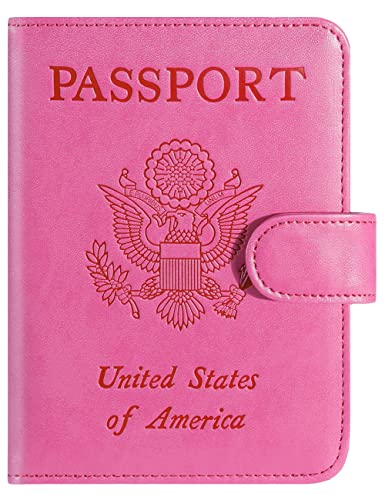
【CLASSIC VERSION / HIGH-QUALITY】 - We are a team of 28 experienced craftsmen with more than 10 years' experience in handmade wallet industry. We strive for the highest standards. Every passport holder is rigorously examined before it leaves the factory. If our passport wallet doesn't meet the highest standards then we don't sell it.

Gift Cards are shipped active and ready for use.
Withdrawing Cash in Swiss Francs
The Swiss franc is Switzerland’s official currency. Cash can help at small businesses, markets, rural stops, unattended facilities, or during a card-terminal outage. Cards and mobile payments are widely used, but carrying a modest amount of CHF gives you a backup.
The Swiss National Bank lists 10, 20, 50, 100, 200, and 1,000-franc notes in circulation. The denominations available from a particular ATM vary by machine, location, and withdrawal amount. Choose smaller notes when the machine offers a choice because they are easier to use for everyday purchases.
Plan your likely cash spending before withdrawing. This reduces repeat ATM visits and lowers the chance of taking home a large amount of unused currency.
Can Swiss ATMs Dispense Euros?
Some bank ATMs can dispense euros as well as Swiss francs. For example, UBS states that euro withdrawals are available at many of its Bancomats. Availability is not universal, and CHF remains the normal choice for spending in Switzerland. Check the machine’s currency options before confirming.
Making Deposits at Swiss ATMs

Deposit Services at Swiss ATMs
Some Swiss banks operate deposit-enabled ATMs for their own customers. UBS, for example, says its Bancomat Plus machines can accept supported CHF and EUR cash deposits into eligible UBS accounts. A standard withdrawal ATM may not offer deposits at all.
Can a Traveler Deposit Money?
Travelers with foreign accounts should not expect to deposit cash into their home bank through a Swiss ATM. Deposit functions normally require an account and card from the bank that owns the machine. Do not assume the machine accepts checks, foreign banknotes, coins, or deposits for another bank.
Making a Deposit at an ATM
If you are an eligible local customer, insert your bank card, select the deposit option, and follow the bank’s instructions. The machine may count the notes and ask you to confirm the total before crediting the account.
Receiving a Transaction Receipt
Take the receipt and keep it until the deposit appears correctly in your account. If the counted amount is wrong, cancel when possible and contact the bank immediately.
Using ATMs for Currency Exchange
Withdrawing CHF from a foreign-currency account involves currency conversion, but the ATM is not exchanging physical notes for you. Your card network, issuer, or a dynamic currency conversion provider handles the conversion electronically.
Before confirming, review the amount, ATM fee, and currency choice. Decline home-currency billing and continue in CHF when you want your card network or issuer to perform the conversion.
If you need to exchange physical foreign banknotes, use a bank or licensed exchange office and compare the rate, service fee, and final CHF amount. Not every bank branch handles walk-in cash exchange for noncustomers, so check first.
Products Worth Considering

Organize currency, passport and cards with 2 RFID shielded pouches.

Organize currency, passport and cards with 2 RFID shielded pouches.

【Package Includes】:Four different colored clear money pouches with zipper and label. These money bags can help you organize cash and household items.
Safety Tips for Using ATMs in Switzerland
Use the same precautions you would use at home. Choose an ATM inside or beside a bank, in a staffed station, or in another well-lit and busy area. Avoid a machine that looks damaged, unusually modified, or isolated.
Cover the keypad when entering your PIN. Check for a loose card slot, keypad overlay, hidden camera, or any attachment that looks added to the machine. UBS card-security guidance specifically warns about skimming devices, hidden cameras, and keypad overlays.
If someone crowds your space or offers unwanted help, cancel the transaction and use another ATM. Do not share your PIN, hand your card to a stranger, or follow instructions from an unknown person who claims the machine is malfunctioning.
Note: Save the ATM location, bank name, time, and transaction amount if anything goes wrong. These details can help the ATM owner and your card issuer investigate.
Troubleshooting Common Issues at Swiss ATMs
Your Card Is Declined
Read the screen message and check your banking app. Common causes include an international-use restriction, regional card setting, daily limit, insufficient funds, incorrect PIN, issuer security block, or an ATM that does not support your network. Do not keep repeating the same transaction. Try a smaller amount or another compatible bank ATM after checking your account.
The ATM Keeps Your Card
Contact the bank or ATM operator immediately, using the number shown on the machine or branch. Then contact your card issuer to block or secure the card. Do not rely on being able to retrieve it later, especially if the branch is closed.
Your Account Is Charged but No Cash Appears
Do not make repeated withdrawals until you know what happened. Record the ATM location, time, amount, and any error message. Check whether the transaction is pending or completed, then contact your card issuer to report a cash-withdrawal dispute. Keep the receipt if the ATM printed one.
The ATM Offers No English Menu
Cancel if you cannot confidently understand the screen. Try another ATM rather than guessing. Common terms include retrait in French, prelievo in Italian, and Bargeldbezug or Auszahlung in German, but menu wording varies.
Using ATMs for Other Financial Transactions
Some Swiss ATMs offer more than cash withdrawals. Depending on the bank, machine, and account, local customers may be able to view balances, see recent transactions, transfer funds, pay bills, or deposit cash.
These services often require a card and account from the bank that owns the ATM. With a foreign card, expect basic cash-withdrawal access and do not rely on balance inquiries, transfers, deposits, bill payments, or account-management tools.
Some banks also support cardless cash services or cash pickup through their own apps and partners. These features are generally designed for the bank’s customers and should not be treated as a universal traveler service.
Alternatives to Using ATMs in Switzerland
You do not need to rely only on ATMs. Many hotels, restaurants, stores, museums, and transport services accept debit cards, credit cards, and mobile wallets. Keep enough battery and data access to use a mobile wallet, but carry a physical card because some terminals or verification steps still require it.
Bank branches and exchange offices can help when you need to exchange physical cash, although opening hours, customer rules, currencies, and fees vary. Compare the displayed rate and final amount before handing over money.
Prepaid travel cards can help control spending, but they can also carry reload, withdrawal, inactivity, exchange, or refund fees. Read the full terms before choosing one.
Choose one main payment card and one backup card before your trip. Keep them in separate secure places so one lost wallet does not cut off all access to money.
Products Worth Considering
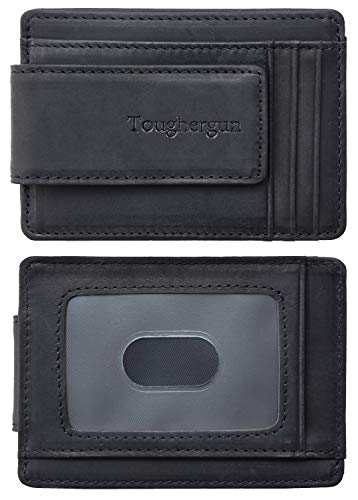
RFID Blocking Security: Built-in RFID-blocking layer blocks 13.56 MHz signals , shields cards from scanners, unlike regular wallets.Protects your credit cards and ID from digital theft in crowds

Super Minimalist & Slim: Only 0.12" thick, sizing 3.1" x 4.4" x 0.12" extremely convenient to be carried around in your front or back pocket

Effectively blocks RFID readers from capturing information protecting your identity and valuables
Frequently Asked Questions
What are Swiss ATMs called?
You may see terms such as ATM, Bancomat, cash machine, Postomat, Geldautomat, or distributeur. The name varies by bank and language region, but the basic withdrawal process is similar.
Can I use a foreign card at a Swiss ATM?
Usually, yes, when the ATM displays the same network logo as your card and your issuer allows international cash withdrawals. Acceptance is never guaranteed at every machine, so carry a backup card.
Which currency should I choose at a Swiss ATM?
Choose Swiss francs (CHF) and decline the ATM’s offer to convert the transaction into your home currency. This leaves the conversion to your card network or issuer instead of the ATM’s dynamic currency conversion provider.
Are Swiss ATM withdrawals free?
Not necessarily. The ATM operator may charge a surcharge, and your card issuer may add an international ATM fee, foreign-transaction fee, conversion cost, or credit-card cash-advance charge. Review both fee schedules.
What is the maximum amount I can withdraw?
The limit depends on the ATM, your card, available balance, and your issuer’s daily withdrawal setting. An ATM may also set a lower per-transaction amount than your card’s daily limit.
Can I withdraw euros from a Swiss ATM?
Some Swiss bank ATMs offer euro withdrawals, but many dispense only CHF. Because Switzerland uses the Swiss franc, choose CHF for normal spending unless you specifically need euros for another destination.
Can I deposit cash or checks with a foreign card?
Generally, no. Deposit-enabled ATMs usually accept supported cash only for eligible customers of the bank that owns the machine. Travelers should not expect to deposit into a foreign account or assume that checks, coins, or foreign notes are accepted.
What should I do if the ATM charges me but gives no cash?
Record the bank, ATM location, time, and amount. Keep any receipt, check whether the charge is pending or completed, and contact your card issuer to open a cash-withdrawal dispute. Avoid repeated withdrawals until you understand the first transaction.
Swiss ATMs are easier to use when you prepare your cards, understand the fee stack, and keep the transaction in CHF. Use a compatible machine in a secure location, review every screen before confirming, and keep a backup payment method. Those steps will help you get the cash you need without unnecessary conversion costs or avoidable stress.
Sources
- Swiss National Bank: Payment Methods Survey 2025 — current cash-use and cash-access findings
- Swiss National Bank: Questions and Answers on Banknotes — legal-tender status and current CHF banknote denominations
- UBS: Bancomat, Bancomat Plus, Multimat and TWINT — ATM withdrawals, euro availability, deposits, and account services
- Visa: Dynamic Currency Conversion Explained — currency-choice disclosures and conversion guidance
- Mastercard ATM Locator — finding Mastercard, Maestro, and Cirrus ATMs
- Visa Global ATM Locator — finding Visa-compatible ATMs