

Acetate plastic, often referred to simply as acetate, is a versatile material that has gained popularity across various industries due to its unique properties and aesthetic appeal. Derived from cellulose, a natural polymer found in plant cell walls, acetate is a type of thermoplastic that can be molded and shaped when heated. This characteristic makes it an ideal choice for a wide range of applications, from fashion accessories to packaging materials.
The material is known for its clarity, flexibility, and ability to be produced in a variety of colors and finishes, making it a favorite among designers and crafters alike. The history of acetate dates back to the early 20th century when it was first developed as a film base for photography. Over the years, its applications have expanded significantly, leading to its use in eyewear frames, buttons, and even musical instruments.
The combination of its aesthetic qualities and functional characteristics has solidified acetate’s place in both commercial and artistic realms. As DIY culture continues to thrive, acetate plastic has emerged as a go-to material for enthusiasts looking to create unique and personalized projects.
Key Takeaways
- Acetate plastic is a versatile material that is commonly used in DIY projects, crafting, fashion, and home decor.
- It is known for its properties such as flexibility, durability, and transparency, making it a popular choice for various creative endeavors.
- DIY projects using acetate plastic can range from making jewelry, hair accessories, and phone cases to creating stencils, gift tags, and decorative elements.
- Crafting with acetate plastic allows for the creation of unique and personalized items such as bookmarks, scrapbook embellishments, and party decorations.
- Acetate plastic is also used in the fashion industry to make eyewear, jewelry, and hair accessories, as well as in home decor for organizing and displaying items.
Properties and Characteristics of Acetate Plastic
Acetate plastic boasts several properties that make it particularly appealing for various applications. One of its most notable characteristics is its transparency. Acetate can be produced in clear sheets that allow light to pass through, making it an excellent choice for projects that require visibility or illumination.
This transparency can be enhanced with different finishes, such as frosted or glossy, providing additional options for designers and crafters. In addition to its visual appeal, acetate is also known for its durability and resistance to impact. Unlike some other plastics that can become brittle over time, acetate maintains its integrity under stress, making it suitable for items that require longevity.
Furthermore, it is lightweight, which adds to its versatility in crafting and design. Acetate can be easily cut, shaped, and glued, allowing for intricate designs and detailed work. Its ability to be dyed or printed on also opens up a world of creative possibilities, enabling artists and crafters to customize their projects extensively.
DIY Projects Using Acetate Plastic
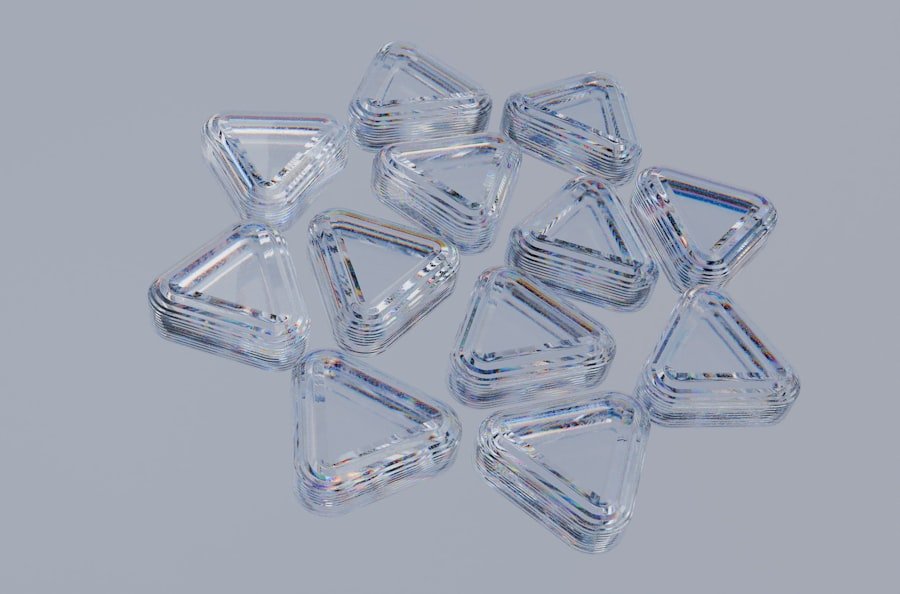
The versatility of acetate plastic lends itself well to a myriad of DIY projects that cater to different skill levels and interests. One popular project involves creating custom greeting cards or invitations. By using clear acetate sheets as overlays, crafters can add a touch of elegance to their designs.
For instance, printing a colorful design on cardstock and then layering it with a clear acetate sheet can create a stunning visual effect that enhances the overall presentation. Another engaging DIY project is the creation of decorative window clings. Using colored acetate sheets, individuals can cut out shapes or designs that can be easily applied to windows without adhesive.
These clings can be seasonal—think snowflakes for winter or flowers for spring—or personalized with names or messages. The ease of application and removal makes acetate an ideal choice for temporary decorations that can be changed frequently without damaging surfaces.
Crafting with Acetate Plastic
| Technique | Benefits | Challenges |
|---|---|---|
| Embossing | Creates raised designs | Requires heat tool |
| Die-cutting | Precise shapes | May crack if too thin |
| Stamping | Custom designs | Needs special ink |
Crafting with acetate plastic opens up a world of creative opportunities that can elevate any project. One popular technique involves using acetate sheets in scrapbooking. Crafters can create transparent pockets or overlays that add depth and dimension to their pages.
By layering acetate with patterned paper or photographs, scrapbookers can achieve a unique look that draws the eye and adds interest to their layouts. Additionally, acetate is often used in the creation of 3D paper crafts. For example, crafters can construct intricate models or dioramas using acetate as windows or structural supports.
The clarity of the material allows for unobstructed views of the interior details while maintaining the overall aesthetic appeal of the piece. This technique is particularly popular in architectural models or educational displays where visibility is crucial.
Fashion and Accessories Made with Acetate Plastic
In the realm of fashion, acetate plastic has carved out a significant niche, particularly in eyewear design. Acetate frames are favored for their lightweight nature and ability to be molded into various shapes and styles. Designers often utilize vibrant colors and patterns in their acetate eyewear collections, allowing consumers to express their individuality through their accessories.
The material’s ability to hold color well means that even intricate designs can remain vibrant over time. Beyond eyewear, acetate is also used in the production of jewelry and hair accessories. From statement earrings to hair clips, acetate’s versatility allows designers to experiment with shapes and colors that would be difficult to achieve with other materials.
The glossy finish of acetate adds an element of sophistication to these accessories, making them suitable for both casual and formal occasions. As fashion trends continue to evolve, acetate remains a staple material for innovative designers looking to push the boundaries of style.
Home Decor and Organization with Acetate Plastic
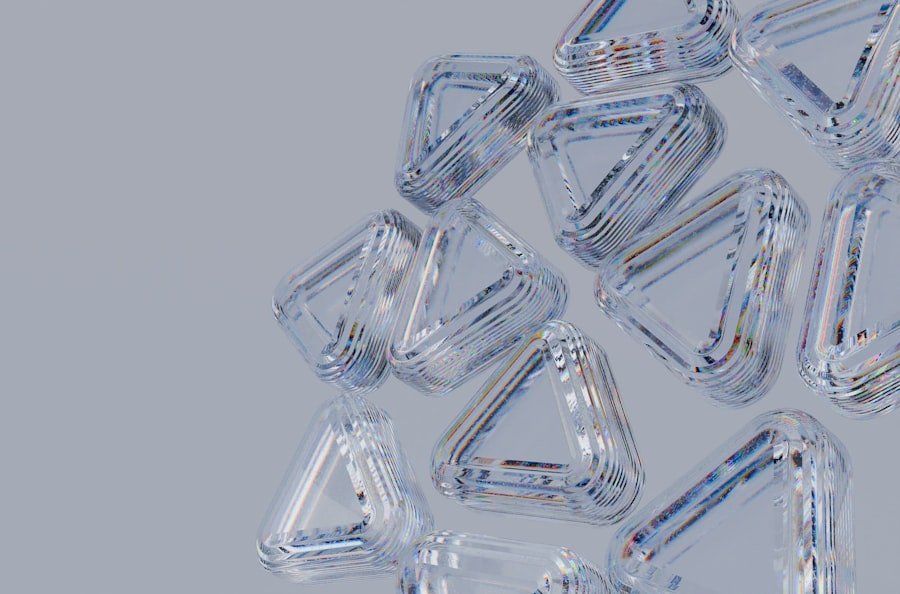
Acetate plastic has found its way into home decor and organization solutions due to its aesthetic appeal and functional properties. One popular application is in the creation of decorative storage boxes or organizers. Crafters can use colored or patterned acetate sheets to construct stylish containers that not only serve a practical purpose but also enhance the visual appeal of a room.
These boxes can be customized in size and shape, making them perfect for storing everything from craft supplies to office materials. Another innovative use of acetate in home decor is in the design of lampshades or light fixtures. By using translucent acetate sheets, designers can create unique lighting solutions that diffuse light beautifully while adding an artistic touch to any space.
The interplay between light and the colors or patterns within the acetate can create stunning visual effects, transforming ordinary lighting into a focal point within a room.
Acetate Plastic in the World of Art
In the art world, acetate plastic serves as a valuable medium for artists seeking new ways to express their creativity. One common application is in printmaking, where artists use acetate sheets as a base for creating prints or overlays. The transparency of acetate allows artists to layer images or colors effectively, resulting in complex compositions that play with depth and perspective.
Additionally, acetate is often used in mixed media art projects. Artists can incorporate acetate elements into their work by layering it with other materials such as paper, fabric, or paint. This technique not only adds visual interest but also introduces new textures and dimensions to the artwork.
The ability to manipulate acetate—cutting it into shapes or using it as a stencil—further expands the creative possibilities for artists looking to innovate within their practice.
Tips and Tricks for Working with Acetate Plastic
When working with acetate plastic, there are several tips and tricks that can enhance the crafting experience and yield better results. First and foremost, it’s essential to use the right tools when cutting or shaping acetate sheets. A sharp craft knife or scissors designed for precision cutting will ensure clean edges without cracking or damaging the material.
Additionally, using a cutting mat underneath can help protect surfaces while providing stability during cutting. Adhesives also play a crucial role in working with acetate. Not all glues are suitable for use on plastic; therefore, selecting an adhesive specifically designed for plastics will yield better results.
Double-sided tape or clear adhesive dots are often recommended for projects involving layering or attaching acetate to other materials without leaving visible marks.
Where to Find Acetate Plastic for DIY Projects
Acetate plastic is widely available through various retail channels, making it accessible for DIY enthusiasts looking to embark on creative projects. Craft stores typically carry a selection of acetate sheets in different sizes, colors, and finishes. These stores often provide additional resources such as project ideas or workshops that can inspire crafters to explore new techniques.
Online retailers also offer an extensive range of acetate products, allowing consumers to browse through numerous options from the comfort of their homes. Websites specializing in crafting supplies often feature bulk purchasing options, which can be beneficial for larger projects or group activities. Additionally, local art supply stores may stock acetate sheets alongside other materials used in printmaking or mixed media art.
Sustainability and Environmental Impact of Acetate Plastic
As awareness of environmental issues grows, the sustainability of materials like acetate plastic has come under scrutiny. While traditional plastics are often derived from petroleum-based sources, acetate is made from cellulose—a renewable resource sourced from plants. This aspect gives it an edge in terms of sustainability compared to many synthetic plastics.
However, it’s important to consider the entire lifecycle of acetate products when evaluating their environmental impact. While biodegradable options exist for certain types of acetate, many products still end up in landfills where they may take years to decompose fully. As such, consumers are encouraged to seek out recycled or sustainably sourced acetate products whenever possible and consider reusing materials in their projects to minimize waste.
Why Acetate Plastic is a Must-Have for DIY Enthusiasts
Acetate plastic stands out as an essential material for DIY enthusiasts due to its versatility, aesthetic appeal, and ease of use across various applications. From crafting intricate designs in scrapbooking to creating fashionable accessories and home decor items, the possibilities are virtually limitless when working with this unique material. Its properties allow for creativity while maintaining durability—qualities that every DIYer values.
As more individuals embrace crafting as a form of self-expression and creativity, understanding how to work with materials like acetate becomes increasingly important. With its rich history and continued relevance in modern design and art practices, acetate plastic remains a must-have resource for anyone looking to explore their creative potential through DIY projects.
FAQs
What is acetate plastic?
Acetate plastic is a type of thermoplastic material that is derived from cellulose. It is known for its transparency, flexibility, and durability, making it suitable for a wide range of applications.
What are the common uses of rolls of acetate plastic?
Rolls of acetate plastic are commonly used in various industries for packaging, printing, crafting, and manufacturing. They can be used for making transparent overlays, stencils, protective covers, and as a base for creating artwork.
What are the benefits of using acetate plastic?
Acetate plastic offers several benefits, including high transparency, flexibility, and resistance to chemicals and moisture. It is also easy to cut, shape, and manipulate, making it a versatile material for different applications.
How is acetate plastic different from other types of plastic?
Acetate plastic is distinct from other types of plastic due to its unique properties, such as its transparency and flexibility. It is also biodegradable and can be easily recycled, making it a more environmentally friendly option compared to some other plastics.
Where can I purchase rolls of acetate plastic?
Rolls of acetate plastic can be purchased from specialty plastic suppliers, art and craft stores, and online retailers. They are available in various thicknesses and sizes to suit different needs and applications.