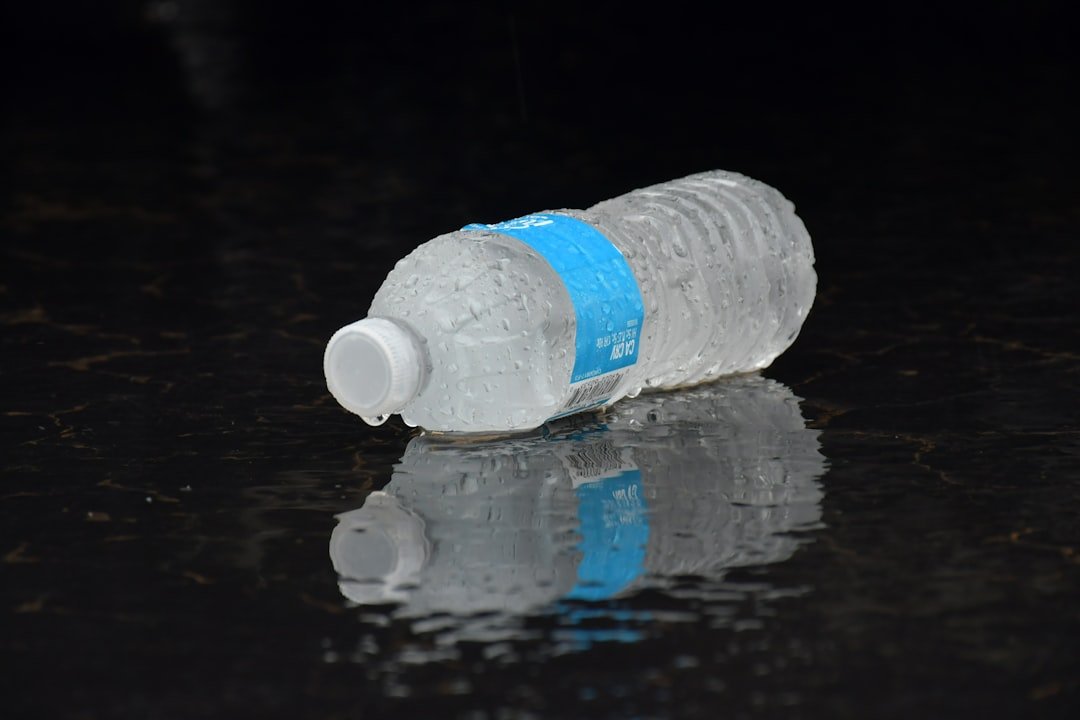
Acetate plastic is a clear, versatile material used for craft overlays, cards, stencils, decorative pieces, packaging, eyewear, and many other applications. True acetate film is generally cellulose acetate, a plastic made by chemically modifying cellulose from plant-based sources such as wood pulp or cotton. Its combination of clarity, flexibility, color, and easy cutting makes it especially useful for DIY projects.
Quick Answer
Acetate plastic is a clear, flexible cellulose-based plastic used for craft overlays, stencils, cards, packaging, eyewear components, and decorative pieces. For DIY work, its main strengths are clarity, easy cutting, and clean color effects. Choose the right thickness, test adhesives and inks, and keep ordinary craft acetate away from high heat and aggressive solvents.
Key Takeaways
- True acetate film is cellulose acetate, although some sellers use “acetate” loosely for other clear plastic films.
- Its transparency makes it useful for overlays, windows, stencils, scrapbook pockets, cards, and layered artwork.
- Thin acetate can usually be cut with sharp scissors, a craft knife, a die cutter, or a compatible electronic cutting machine.
- Heat and strong solvents can soften, distort, haze, or damage some acetate products, so test scraps before using unfamiliar tools or chemicals.
- Plant-based origin does not automatically mean every acetate product belongs in home compost or curbside recycling.
Properties and Characteristics of Acetate Plastic
Acetate plastic is valued mainly for its clarity, workable surface, flexibility, and decorative appearance. However, its exact behavior depends on the formulation, thickness, plasticizer content, finish, and whether the product is genuine cellulose acetate or another clear plastic sold under the informal “acetate” name.
According to a cellulose acetate material guide, true acetate film is made from cellulose derived from materials such as wood pulp or cotton fibers. It is available in forms including cellulose diacetate and triacetate. This is different from using “acetate” as a generic name for any transparent craft film.
Clarity and Color
Clear cellulose acetate can transmit a high amount of visible light, which is why it works well for windows, overlays, protective layers, and projects where material underneath must remain visible. It can also be manufactured in transparent, translucent, solid, patterned, glossy, and matte-looking forms.
Color is another major advantage. Decorative acetate can produce effects that would be difficult to create with ordinary paper because light can pass through transparent and translucent areas.
Flexibility, Toughness, and Thickness
Acetate can be flexible as thin film or much more substantial when manufactured as a thicker sheet or slab. An Eastman technical data sheet for one cellulose acetate grade describes a combination of clarity, gloss, toughness, hardness, and strength, while also showing that mechanical behavior changes with plasticizer level.
For DIY work, this means you should choose material by the job rather than assuming every acetate sheet behaves alike. Thin film suits overlays and paper crafts. Thicker material is better where the project needs more structure.
Heat and Solvent Sensitivity
Acetate is thermoplastic, so heat can soften and reshape it. The temperature at which this becomes noticeable varies by formulation. Some commercial cellulose acetate products begin softening around 100°C or about 210–212°F.
Warning: Do not assume ordinary craft acetate is suitable for heat guns, hot lamps, ovens, candles, or other high-temperature uses. Heat can curl, shrink, or distort the sheet. Strong solvents can also attack some acetate formulations, so test adhesives, cleaners, paints, and inks on a scrap first.
A Brief History of Acetate Film
Cellulose acetate became important as a safer alternative to highly flammable cellulose nitrate film. Kodak’s film chronology records a public announcement of Eastman safety acetate support in 1909 and the sale of safety acetate film in 1910. Its use later expanded well beyond photography into molded plastics, accessories, industrial products, and decorative materials.
DIY Projects Using Acetate Plastic
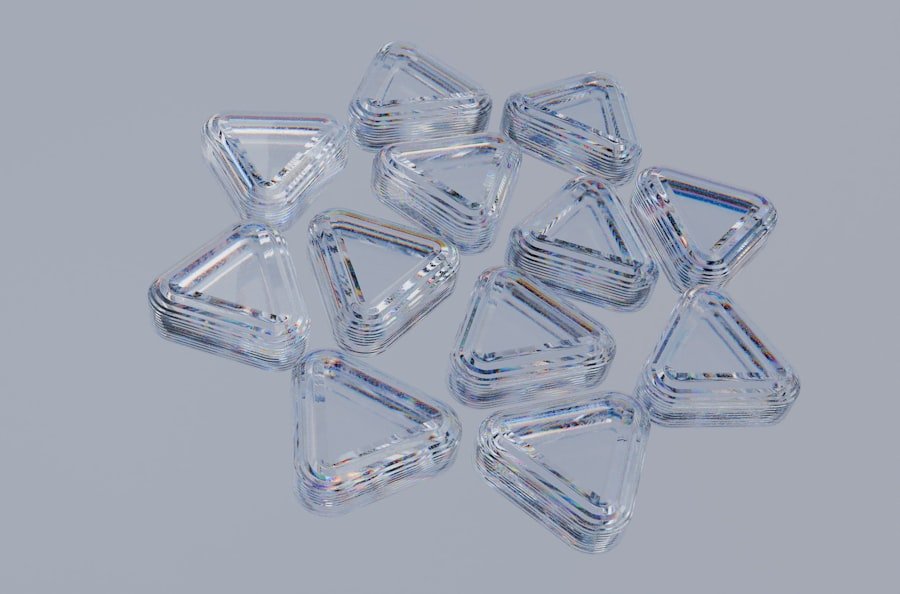
Acetate plastic works especially well in projects that benefit from transparency or layered visual effects. You can use it as the visible part of a design rather than hiding it behind paper, fabric, or another material.
Greeting Cards and Invitations
Clear acetate makes an effective overlay for greeting cards and invitations. Place printed or decorative paper underneath it so the design remains visible while gaining an extra layer of depth.
You can also use small pieces as windows in cards. This works well for shaker cards, cutout designs, envelopes, gift packaging, and layered paper crafts.
Stencils and Templates
Because thin acetate is easy to cut, it can be turned into reusable stencils and tracing templates. Simple geometric shapes, lettering, decorative borders, and repeating patterns are good starting points.
For cleaner results, keep the design simple enough that narrow sections do not tear while cutting or cleaning the stencil.
Decorative Window Pieces
Colored acetate can create a stained-glass-style effect when placed where light can pass through it. You can cut individual shapes, overlap colors, or combine it with paper frames.
Do not assume ordinary acetate is a self-clinging window film. Static-cling vinyl is a different product. Use a removable mounting method that is suitable for your acetate and the surface underneath.
Gift Tags and Decorative Inserts
Small acetate pieces can become transparent gift tags, labels, bookmarks, decorative packaging inserts, or layered embellishments. A permanent marker or compatible ink can add names and designs, but test first because some inks smear on smooth plastic.
You can also place a decorated acetate panel inside a clear phone case as a removable insert. The acetate should be treated as decoration rather than as the protective case itself.
Crafting with Acetate Plastic
| Technique | Benefits | Challenges |
|---|---|---|
| Embossing | Adds raised texture and detail | Heat embossing can warp acetate; test the material first |
| Die-cutting | Produces repeatable, precise shapes | Thin film may tear, and settings vary by material |
| Stamping | Adds custom patterns, text, and decoration | Ink can smear unless it is compatible and fully dry |
Scrapbooking is one of the easiest ways to use acetate. A transparent sheet can become an overlay, divider, pocket, photo window, or decorative layer without hiding the page underneath.
Acetate also works in three-dimensional paper crafts. You can use it for miniature windows, display-box panels, model details, card windows, or transparent sections of paper structures.
Cutting Acetate by Hand
For thin film, sharp scissors are suitable for simple outlines. A sharp craft knife and cutting mat are better for straight edges and detailed shapes. Use a metal ruler when making long straight cuts, and make controlled passes rather than forcing the blade.
Keep the protective liner in place while measuring and cutting if your material arrives with one. This reduces fingerprints and scratches.
Cutting Acetate with a Craft Machine
Some electronic cutters include settings for acetate. For example, Cricut’s acetate cutting instructions recommend placing its foil acetate on a suitable cutting mat, selecting the appropriate material setting, and performing a test cut because results can vary.
That final step matters even when your machine lists “acetate.” Thickness, coatings, brand, blade condition, and material composition can all affect the result.
Pro Tip: Before cutting a full design, use a corner of the sheet for a small test cut. You can check whether the blade cuts cleanly without tearing the film or marking the cutting mat more deeply than necessary.
Fashion and Accessories Made with Acetate Plastic
Cellulose acetate has an established place in fashion, especially in eyewear, hair ornaments, and jewelry. These products normally use much thicker acetate sheet or slab than the flexible film sold for ordinary paper crafting.
Eyewear manufacturers value acetate because it can be produced in solid colors, transparent shades, layered effects, and detailed patterns. cellulose acetate material data from an eyewear-sheet manufacturer also show that the mechanical properties vary with the formulation.
Hair clips, combs, earrings, pendants, and other accessories can also be cut from thicker acetate stock. Commercial pieces may be shaped, machined, polished, and heat-formed, so they should not be confused with projects made by simply cutting thin stationery-style acetate film.
Home Decor and Organization with Acetate Plastic
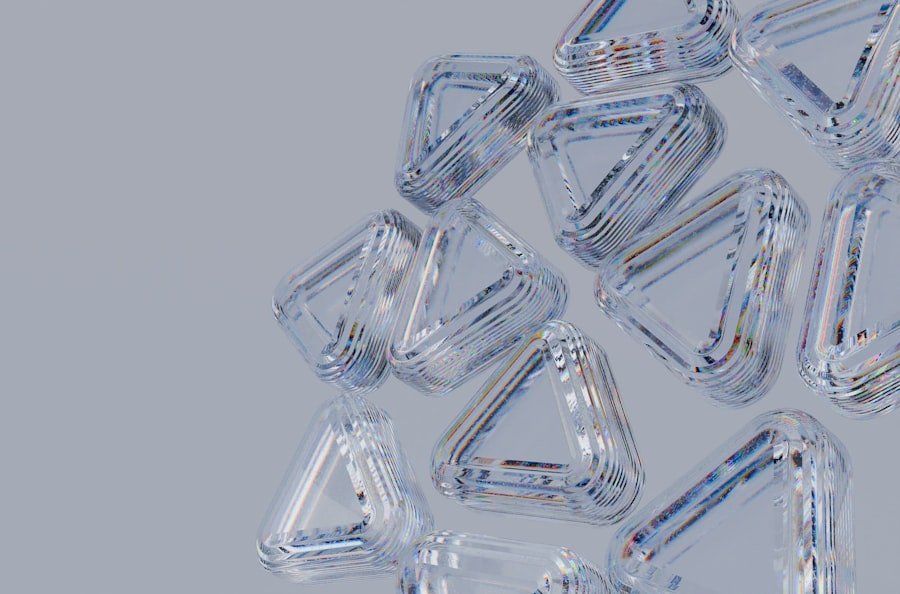
Acetate can add transparent panels and decorative details to lightweight home-organization projects. It works particularly well where you want to see the contents without leaving the opening completely uncovered.
Storage Windows and Labels
A paperboard storage box can use acetate as a viewing window so you can identify the contents quickly. Smaller pieces can also serve as reusable label covers, dividers, or transparent pockets for printed labels.
For organizers that will be handled frequently, choose a thickness that does not buckle too easily. Reinforce the surrounding paper or board instead of expecting a very thin acetate sheet to provide the structure by itself.
Decorative Light Effects
Colored or translucent acetate can diffuse or tint light in decorative displays, but heat must be considered. It is better suited to cool-running decorative applications than to areas close to hot bulbs, open flames, or other heat sources.
If you are building anything intended to function as a lamp or permanent electrical fixture, use only materials specifically rated for that purpose rather than assuming craft acetate is safe around the light source.
Acetate Plastic in Art
Artists can use acetate as a transparent working surface, stencil, registration aid, mask, overlay, or component in mixed-media work. Its transparency makes it particularly useful when several visual layers need to remain visible at once.
You can place acetate over a sketch while planning color or composition without drawing directly on the original. It can also separate layers in collage, create transparent windows, or hold marks made with a compatible pen, paint, or printing medium.
Layering and Registration
Transparent film makes alignment easier because you can see the layer below. This is helpful for repeating patterns, tracing, positioning lettering, and experimenting with a composition before attaching pieces permanently.
However, smooth acetate does not behave like paper. Water-based products can bead, while some permanent inks or solvent-heavy materials may react with the surface. Always test the exact combination you plan to use.
Tips for Working with Acetate Plastic
The best results come from matching the cutting tool, adhesive, ink, and heat level to the specific acetate you bought. A few small tests can prevent scratched sheets, cloudy glue marks, smeared designs, or warped finished pieces.
1. Confirm What Material You Actually Have
Read the product description or packaging before assuming a clear film is cellulose acetate. Sellers sometimes use “acetate” casually for transparent craft film made from other polymers, and those materials can behave differently when cut, heated, printed, or glued.
2. Protect the Surface While Working
Clear glossy acetate shows fingerprints and scratches easily. Work on a clean surface and handle the film by the edges where practical. Leave removable protective film on until late in the project if the manufacturer provides one.
3. Use a Sharp Cutting Tool
Dull blades can drag, tear, or leave rough edges. Use sharp scissors for curves and a sharp craft knife with a cutting mat for precise straight cuts.
For repeated shapes, a compatible die-cutting or electronic cutting machine can produce more consistent results than cutting everything by hand.
4. Test Adhesives Before Assembly
Glue marks are easy to see through a transparent sheet. Double-sided tape, adhesive dots, or another adhesive designed for the materials in your project may be less visible than a thick layer of wet glue.
Test any adhesive on scrap acetate first. Strong solvent-based products can attack certain acetate films, and some wet adhesives may remain visible after drying.
5. Choose Ink for a Nonporous Surface
Ordinary ink made for absorbent paper may sit on top of acetate and smear. If you want to stamp, draw, or print on the sheet, use a product identified as compatible with the surface and allow enough drying time before touching it.
6. Treat Heat Carefully
Do not use a heat gun simply because acetate is thermoplastic. Thin film can curl very quickly, and temperature tolerance varies between products.
If a project specifically calls for heating or forming acetate, follow the material manufacturer’s guidance and test a small offcut first.
7. Store Finished Projects Away from Excess Heat
For ordinary craft projects, keep acetate flat and away from prolonged high heat. Historically, cellulose acetate photographic film is also known to undergo long-term acidic deterioration under unfavorable storage conditions. The U.S. National Archives describes this deterioration as “vinegar syndrome,” which can eventually cause shrinkage and brittleness in acetate film.
That does not mean a new craft sheet will immediately fail. It does mean cellulose acetate should not be described as a material that can never become brittle with age.
Where to Find Acetate Plastic for DIY Projects
Acetate plastic is available from craft stores, art suppliers, plastic-film distributors, specialty packaging suppliers, and online retailers. The more important decision is not where you buy it but whether the product specifications match your project.
Before ordering, check:
- Material: Verify whether it is true cellulose acetate or another transparent plastic.
- Thickness: Thin film is easier to fold and cut; thicker stock provides more structure.
- Finish: Clear, matte, translucent, colored, patterned, and coated surfaces behave differently.
- Size: Sheets suit small crafts, while rolls can be more convenient for repeated or large-format work.
- Printing or cutting compatibility: Check whether the product is intended for the tool, printer, ink, or cutter you plan to use.
- Food-contact or specialty use: Do not assume craft film is approved for food contact, heat, lighting, or another regulated use unless the specific product is identified for it.
When Rolls Make More Sense Than Sheets
Rolls of acetate plastic are useful when you need many pieces, long strips, repeated overlays, packaging windows, stencils, or larger continuous sections. Individual sheets are easier to store and flatten for small card-making and scrapbook projects.
Material stored on a roll can retain some curl. If flatness matters, allow the cut piece to relax according to the product’s handling recommendations instead of applying strong heat to flatten it.
Sustainability and Environmental Impact of Acetate Plastic
Cellulose acetate has a plant-derived cellulose backbone, but that fact alone does not tell you how quickly a finished acetate product will break down or whether your local recycling or composting program accepts it. Its environmental behavior depends on its chemistry, degree of substitution, additives, product form, and disposal conditions.
Biobased Does Not Automatically Mean Readily Biodegradable
A peer-reviewed review of cellulose acetate degradation explains that degradation can vary substantially with the material’s degree of acetylation, other modifications, and the environment in which it is discarded. For this reason, a blanket statement that every cellulose acetate product will readily biodegrade is too broad.
Similarly, a product described as compostable should be handled according to its certification and disposal instructions. Do not place ordinary acetate craft scraps into a home compost pile merely because the material started with plant-derived cellulose.
Recycling Depends on the Product and Local Program
Recyclability is also not automatic. The U.S. Environmental Protection Agency’s plastics guidance explains that disposal options for biobased plastics vary and that consumers should follow the product label and local recycling requirements.
In practice, the most useful approach for DIY leftovers is to reduce waste first. Plan cuts efficiently, save clean offcuts for small tags or windows, and reuse pieces as templates before discarding them.
Pro Tip: Keep a small envelope or folder for clean acetate offcuts. Narrow strips and small rectangles are useful for test cuts, ink tests, adhesive tests, miniature windows, labels, and stencils, so they do not need to become waste immediately.
Why Acetate Plastic Is Useful for DIY Enthusiasts
Acetate plastic earns a place in a craft kit because it can do things ordinary paper cannot. Its transparency lets you create windows, overlays, layered effects, pockets, templates, stencils, and decorations while still showing the design underneath.
The key is to treat acetate as a specific material rather than as a generic transparent sheet. Confirm what you are buying, match the thickness to the project, test inks and adhesives, and avoid unnecessary heat. With those basics covered, acetate can be a practical material for projects ranging from simple card windows to detailed mixed-media work.
Frequently Asked Questions
What is acetate plastic?
Acetate plastic usually refers to cellulose acetate, a plastic made by chemically modifying cellulose from plant-derived sources such as wood pulp or cotton. It can be manufactured as clear film, colored sheet, or thicker material. Because the word acetate is sometimes used loosely for other transparent plastics, check the product label when material type matters.
What are rolls of acetate plastic used for?
Rolls of acetate plastic are useful for projects that need longer or repeated sections of transparent film. Common applications include overlays, stencils, craft windows, packaging components, protective layers, templates, and artwork. A roll can be more convenient than individual sheets when you need many pieces or a continuous length of material.
What are the benefits of using acetate plastic?
The main benefits of acetate plastic are its clarity, decorative appearance, availability in different finishes, and ability to be cut into detailed shapes. Thin acetate works well for overlays, card windows, stencils, pockets, and layered artwork. Its exact flexibility, toughness, and heat resistance depend on the formulation and thickness.
How is acetate plastic different from other clear plastics?
True acetate is cellulose acetate rather than a generic name for every clear plastic film. Polyester, acrylic, vinyl, and other transparent plastics have different chemistry and can behave differently when cut, heated, glued, printed, or stored. Check the material specification instead of choosing a sheet only because it looks like acetate.
Where can I purchase rolls of acetate plastic?
You can find acetate rolls through art and craft suppliers, plastic-film distributors, specialty packaging suppliers, and online retailers. Compare the actual material, thickness, finish, dimensions, and intended applications before buying. If you need genuine cellulose acetate, confirm that description rather than relying only on the word acetate in a product title.
Can you cut acetate with a Cricut or another craft cutter?
Yes, compatible acetate can be cut with some electronic craft cutters. Use a material setting intended for the exact machine and acetate product, then make a small test cut before committing to the full design. Sheet thickness, blade condition, coatings, and material composition can change the pressure or number of passes required.
Is acetate plastic biodegradable and recyclable?
Some cellulose acetate materials can biodegrade under suitable conditions, but the rate depends on the formulation, degree of substitution, additives, and environment. Recycling and composting acceptance also varies. Do not put acetate into curbside recycling or home compost solely because it is cellulose-based; follow the product label and local waste-program rules.
Can you heat acetate plastic?
Acetate is thermoplastic and can soften when heated, but ordinary craft film can also curl, shrink, or warp. Heat tolerance differs between formulations and thicknesses. Only use heat when the product instructions allow it, keep the material away from flames and hot fixtures, and test a scrap before heating a finished project.
Sources
- Grafix Plastics: What Is Acetate?: Supports the definition of cellulose acetate, source materials, film types, clarity, cutting characteristics, and distinction from generic clear film.
- Eastman Tenite Acetate Technical Data: Supports material-property and softening-temperature discussion for a commercial cellulose acetate formulation.
- Kodak History of Film: Supports the early history of safety acetate film, including the 1909 announcement and 1910 commercial offering.
- Cricut Foil Acetate Cutting Instructions: Supports machine-cutting and test-cut guidance.
- Mazzucchelli 1849 Materials and Processing: Supports cellulose acetate’s use and properties in eyewear and fashion applications.
- U.S. National Archives: Film-Based Negatives and Positives: Supports the discussion of long-term acetate deterioration, shrinkage, brittleness, and vinegar syndrome.
- U.S. EPA: Plastic Recycling and Composting FAQ: Supports guidance on biobased plastics, biodegradability, compostability, and local recycling acceptance.
- PubMed: Cellulose Acetate Degradation Review: Supports the explanation that cellulose acetate degradation depends on material chemistry, modifications, and environmental conditions.