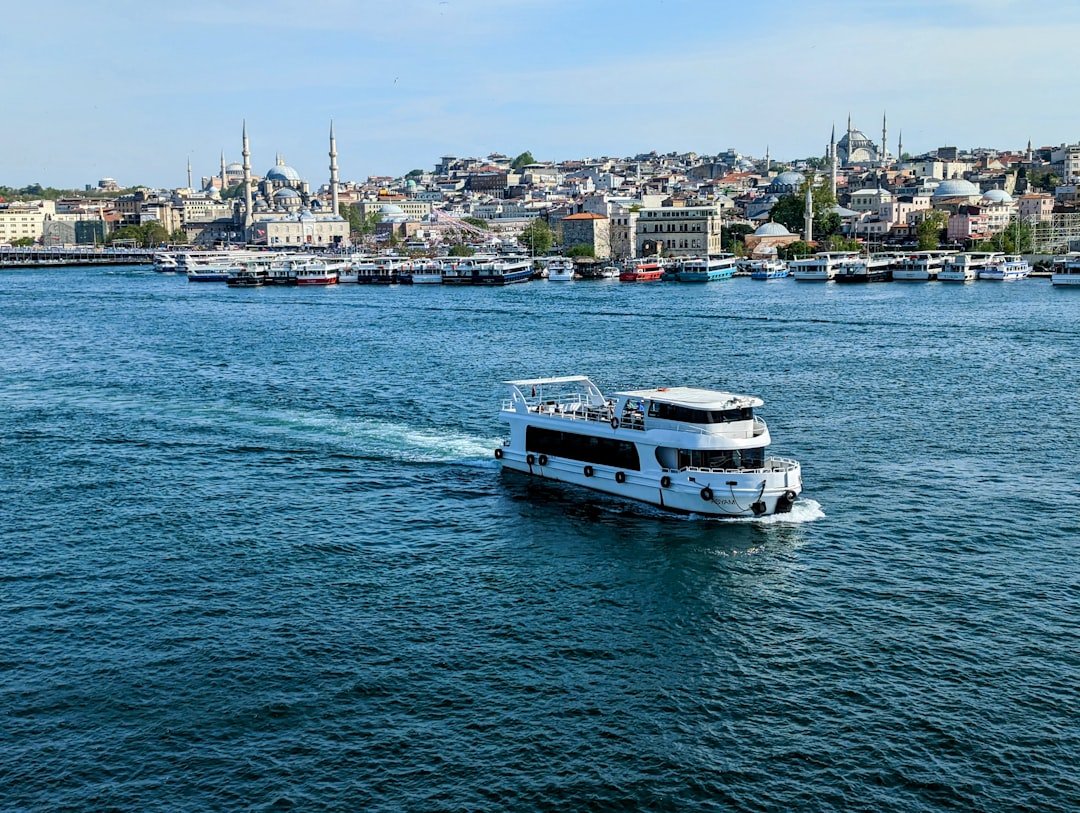
Balat is one of the most rewarding areas of Istanbul to explore on foot, but a good walking tour usually extends beyond Balat itself. Many of the famous churches, schools, and colorful streets associated with “Balat” are actually spread across neighboring Fener, Balat, and, on a longer route, Ayvansaray. Together, these Golden Horn neighborhoods reveal layers of Jewish, Greek Orthodox, Armenian, Bulgarian, Ottoman, and modern Istanbul history.
Quick Answer
A Balat walking tour usually takes about 2–3 hours for the core streets and major exterior sights. Allow 3–4 hours if you explore neighboring Fener, enter religious sites, stop for coffee, or continue toward Ayvansaray. The easiest public-transport approach is the T5 tram, which has separate Fener and Balat stations.
Key Takeaways
- Balat is a historic Golden Horn neighborhood known for colorful houses, steep streets, Jewish heritage, cafés, workshops, and local street life.
- Many places commonly included on a “Balat tour,” including the Ecumenical Patriarchate and St. Mary of the Mongols, are actually in neighboring Fener.
- Ahrida Synagogue is one of the area’s most important Jewish landmarks, but visitors should arrange access in advance rather than assume walk-in entry.
- The T5 Eminönü–Alibeyköy tram makes both Fener and Balat easy to reach from the Golden Horn waterfront.
- Comfortable shoes are important because many of the most photogenic streets are steep, uneven, cobbled, or stepped.
At a Glance
| Time Required | About 2–3 hours for a core walk; 3–4 hours with indoor visits, cafés, or an Ayvansaray extension |
| Difficulty | Moderate because of hills, cobblestones, stairs, and uneven sidewalks |
| Tools Needed | Comfortable walking shoes, phone or camera, drinking water, and an Istanbulkart or other accepted transit payment method |
| Cost | Walking the neighborhood is free; transport, food, tours, donations, and attraction access vary |
Note: “Balat” is often used loosely in travel guides. The Ecumenical Patriarchate, Patriarchal Church of St. George, Fener Greek High School, and St. Mary of the Mongols are in Fener, while the historic Church of St. Mary of Blachernae is farther north in Ayvansaray. Treating the area as a connected Fener–Balat walk makes the geography much clearer.
Historical Background of Balat
Balat lies along the Golden Horn within Istanbul’s historic Fatih district. The wider area has roots stretching into the Eastern Roman period, but Balat became especially important as a Jewish quarter under Ottoman rule. Jewish communities from different parts of the Balkans lived here, and Sephardic Jews expelled from Spain and Portugal in the late 15th century also settled around the Golden Horn.
The neighborhood developed synagogues, religious schools, workshops, shops, and community institutions. Ahrida and Yanbol are among the best-known surviving names connected with this Jewish heritage. The official GoTürkiye guide to Fener and Balat identifies Ahrida Synagogue, Yanbol Synagogue, St. Stephen Bulgarian Church, and Küçük Mustafa Paşa Hamam among the area’s important historic sites.
Balat changed considerably during the late 19th and 20th centuries as fires, earthquakes, migration, economic change, and population movements reshaped the neighborhood. Many Jewish families moved to other parts of Istanbul or abroad, while people from different regions settled in the district.
The historic building stock also changed. Some houses disappeared, while others survived or were rehabilitated. UNESCO-supported work in Fener and Balat later focused on preserving historic buildings while improving neighborhood conditions. The UNESCO World Heritage Centre documents the area’s heritage-regeneration programs and their connection to the wider Historic Areas of Istanbul.
Today, residential life exists alongside cafés, antique shops, workshops, religious monuments, photography spots, and tourism. Balat is therefore best understood not as a preserved open-air museum, but as a living neighborhood shaped by repeated cultural and demographic change.
Highlights of the Walking Tour
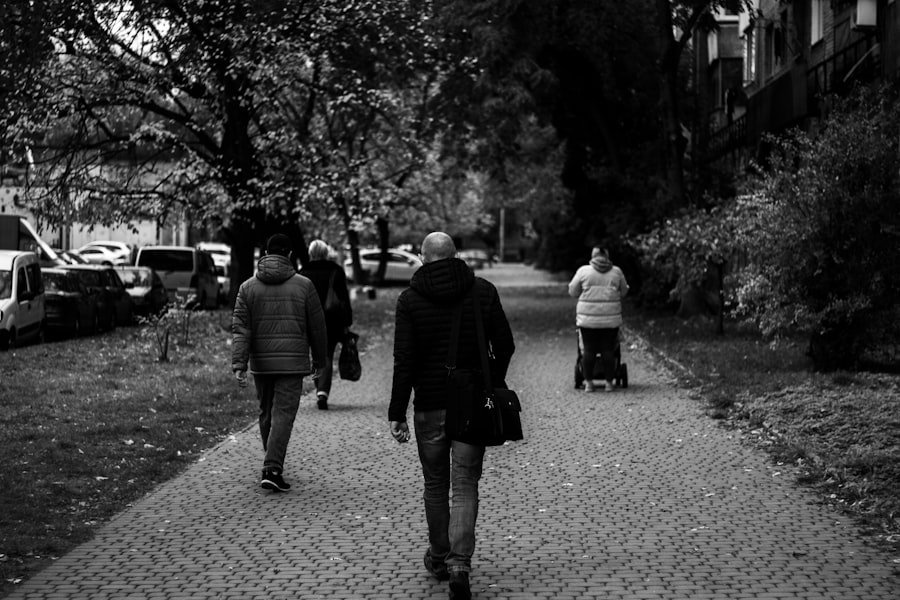
The best way to experience Balat is slowly. The main streets contain cafés and shops, while side streets climb sharply uphill between historic façades, bay windows, staircases, small religious buildings, laundry lines, workshops, and residential homes.
Street art and restored colorful façades provide obvious photo opportunities, but the quieter details are equally important. Look for old masonry, wooden bay windows, neighborhood shops, doorways, religious architecture, and the contrast between renovated buildings and less-polished residential streets.
Pro Tip: The T5 Eminönü–Alibeyköy tram is the simplest way to structure the walk. Metro Istanbul lists both Fener and Balat stations on the line. Starting at Fener and finishing near Balat or Ayvansaray reduces unnecessary backtracking. See the official T5 line information before traveling.
Suggested Self-Guided Fener and Balat Walking Route
1. Start near Fener and St. Stephen Bulgarian Church
Begin near the Golden Horn waterfront in Fener. St. Stephen Bulgarian Church, commonly called the Bulgarian Iron Church, is one of the area’s most distinctive landmarks. Its ornate prefabricated iron construction makes it visually different from the surrounding masonry churches and houses.
2. Walk to the Ecumenical Patriarchate and Church of St. George
Continue through Fener to the Ecumenical Patriarchate. Its Patriarchal Church of St. George became the Patriarchate’s principal church around the turn of the 17th century. The Ecumenical Patriarchate’s official history explains that the former convent church was converted for patriarchal use during the tenure of Patriarch Matthew II and later rebuilt and restored several times.
This remains an active religious institution. Enter quietly when access is permitted, dress respectfully, and avoid treating worshippers or services as tourist displays.
3. See Fener Greek High School and St. Mary of the Mongols
The large red-brick Fener Greek High School dominates the hillside and is one of the easiest landmarks to recognize from the Golden Horn. Nearby, the Church of St. Mary of the Mongols, also known as Panagia Muhliotissa or the “Bloody Church,” represents another important part of Fener’s Greek Orthodox heritage.
Do not confuse it with the Church of St. Mary of Blachernae in Ayvansaray. GoTürkiye notes that St. Mary of the Mongols is generally not open as a normal public tourist attraction, so for most visitors it is primarily an exterior stop unless access has been specifically arranged.
4. Continue into Balat’s Colorful Residential Streets
From Fener, continue west into Balat. This is where the route shifts from monumental sights to neighborhood exploration. Historic façades, steep lanes, cafés, antique stores, workshops, and brightly painted houses make this portion particularly popular with photographers.
Take time to explore side streets rather than rushing between map pins. However, remember that the colorful houses are private homes. Keep doorways clear, avoid photographing residents at close range without permission, and keep noise low on residential lanes.
5. Visit Ahrida Synagogue if You Have Arranged Access
Ahrida Synagogue is one of Balat’s most important surviving Jewish landmarks. Its heritage reaches back to the 15th century and to Romaniote Jews associated with Ohrid in the Balkans, although the complex has been repaired and rebuilt through later centuries.
The synagogue is particularly known for its distinctive boat-shaped tevah, the raised platform used for reading the Torah. The current Visit Istanbul visitor information for Ahrida Synagogue states that visitors need to arrange an appointment in advance and should follow modest dress requirements.
Warning: Do not build a tightly timed itinerary around entering Ahrida or another active synagogue without confirming access first. Security procedures, religious services, holidays, and community requirements can affect admission.
6. Explore the Historic Market Streets and Local Shops
Balat has long been associated with commerce and small workshops. Today, its commercial streets mix neighborhood businesses with cafés, bakeries, vintage stores, antique dealers, galleries, and newer tourism-oriented shops.
Rather than expecting one enclosed “Balat Market,” think of this stop as an opportunity to explore the commercial streets around the neighborhood. The mix changes over time, which is part of Balat’s living character.
7. Optional Extension to Or-Ahayim and Ayvansaray
If you have extra time, continue northwest toward Ayvansaray. Or-Ahayim Balat Jewish Hospital is an important surviving institution connected with the area’s Jewish community. According to the hospital’s official history, it was founded in 1898 with support from physicians and philanthropists and continues operating as a hospital today.
Farther into Ayvansaray is the Church of St. Mary of Blachernae and its holy spring. This is a different site from St. Mary of the Mongols in Fener. Adding this extension makes the route longer but provides a clearer sense of how the historic neighborhoods continue along the Golden Horn.
Must-See Landmarks in Balat and Fener
Ahrida Synagogue
Ahrida Synagogue is the central Jewish-heritage stop on a Balat walk. Its association with Jews from Ohrid and its unusual tevah make it historically significant, but access is more controlled than the original article suggested. Arrange a visit before arriving if seeing the interior is important to you.
Patriarchal Church of St. George
Located inside the Ecumenical Patriarchate complex in Fener, the Church of St. George is one of the area’s most important Orthodox Christian sites. Its importance comes from its role as the patriarchal church rather than from monumental size. Visitors should approach it as an active place of worship.
St. Stephen Bulgarian Church
Standing close to the Golden Horn, St. Stephen provides a striking contrast with the neighborhood’s residential streets. Its iron construction and Bulgarian Orthodox history make it an excellent starting point for understanding the area’s multicultural religious landscape.
Fener Greek High School
The huge red-brick school on the hill is one of the most visible structures in Fener. Even when viewed only from the surrounding streets, it gives the walking route a strong visual landmark and helps visitors orient themselves between the waterfront and uphill lanes.
Or-Ahayim Balat Jewish Hospital
The hospital is not a tourist attraction in the normal sense and should be respected as a functioning healthcare facility. Historically, however, its foundation in 1898 demonstrates that Balat’s Jewish heritage extended beyond synagogues into charitable and community institutions.
Hidden Gems and Local Favorites
Balat’s appeal is not limited to famous monuments. Some of the most enjoyable parts of a walk are the smaller streets between the official sights. Historic façades, workshops, antique shops, secondhand stores, neighborhood bakeries, street art, and small cafés reward slow exploration.
The commercial streets around Vodina Caddesi are useful for a coffee or meal break. Cafe Dora is one current neighborhood option associated with this part of Balat. Because independent cafés can change ownership, opening days, or hours more quickly than major attractions, treat restaurant and café schedules as changeable rather than permanent.
Street art is another part of contemporary Balat, but it should be seen alongside rather than instead of the older architectural and religious heritage. The neighborhood is interesting precisely because historic houses, worship sites, working businesses, residents, tourism, and newer creative spaces exist close together.
Tips for Exploring Balat on Foot
Wear Shoes With Good Grip
Balat and Fener contain steep streets, cobbled surfaces, broken pavement, stairs, and uneven slopes. Comfortable walking shoes matter more here than fashionable footwear, especially after rain.
Start Earlier for Easier Photography
If colorful façades and street photography are priorities, beginning earlier in the day can make it easier to move around before café and sightseeing activity builds. Crowd levels vary by season, weekday, weather, and local events, so avoid assuming that any particular day will always be quiet.
Respect Residential Streets
Many of the houses that appear in travel photos are private homes. Do not sit on doorsteps, block entrances, enter courtyards, or stage long photo sessions that prevent residents from using their street normally.
Dress Respectfully for Religious Sites
A walking route can include synagogues, Orthodox churches, and mosques. Carry clothing that allows you to meet modest-dress expectations where required, and follow instructions from staff or worshippers.
Plan for Limited Mobility Access
The waterfront tram corridor is relatively straightforward, and Metro Istanbul states that T5 stations were designed for accessible entry. The historic neighborhood itself is more difficult: steep grades, narrow sidewalks, cobbles, and steps can make a full walking route challenging for wheelchair users, people using mobility aids, and travelers pushing strollers.
Keep Your Route Flexible
Religious buildings may close for services, security, holidays, restoration, or other reasons. Build the day around the neighborhood rather than relying on guaranteed interior access at every historic site.
Recommended Places to Eat and Drink
Balat has developed a large café scene, particularly around its main commercial streets. Turkish breakfast plates, menemen, simit, pastries, tea, Turkish coffee, and modern specialty coffee are all easy additions to a walking day.
Cafe Dora on Vodina Caddesi is a neighborhood option for a casual break. Rather than choosing a café only because its interior is photogenic, consider whether you want breakfast, coffee, pastries, or a full meal and choose accordingly.
Asitane Restaurant is also worth knowing about for travelers interested in Ottoman palace cuisine, but it should not be described as a Balat restaurant. Its official location information places it on Kariye Camii Sokak in Edirnekapı, beside Kariye Mosque (Chora). It works better as a separate extension after the Balat walk than as a quick neighborhood food stop.
Kariye itself should now be referred to as Kariye Mosque (Chora). The historic building, formerly a church and later a museum, reopened for worship as a mosque in May 2024.
Conclusion and Final Thoughts
Balat is much more rewarding when you understand how it connects with Fener and Ayvansaray. Instead of treating every famous landmark as if it stands inside one neighborhood, follow the Golden Horn gradually: begin with Fener’s Orthodox and Bulgarian heritage, continue into Balat’s Jewish history and colorful residential streets, and add Ayvansaray if you have more time.
The route combines monumental religious history with ordinary neighborhood life. A synagogue may require advance arrangements, a church may be holding a service, and a photogenic house is still someone’s home. Approaching these places with patience and respect produces a better experience than rushing from one social-media photo spot to another.
For a food break, keep the focus local: Turkish coffee, tea, simit, breakfast dishes, pastries, and neighborhood cafés fit naturally into the route. Longer culinary detours, such as Ottoman palace cuisine near Kariye Mosque in Edirnekapı, are better treated as optional additions after the main walk.
Frequently Asked Questions
What is Balat?
Balat is a historic neighborhood in Istanbul’s Fatih district along the Golden Horn. It is known for Jewish heritage, colorful historic houses, steep streets, cafés, workshops, antique shops, and its close connection with neighboring Fener.
What can I expect to see on a walking tour of Balat?
A typical walk includes colorful historic streets, Ahrida Synagogue, cafés, antique and artisan shops, and nearby Fener landmarks such as St. Stephen Bulgarian Church, the Ecumenical Patriarchate, the Patriarchal Church of St. George, Fener Greek High School, and St. Mary of the Mongols.
How long does a walking tour of Balat typically take?
Allow about 2–3 hours for the core streets and exterior landmarks. A Fener–Balat route with interior visits, food stops, or an extension to Ayvansaray can easily take 3–4 hours.
Are guided walking tours available in Balat?
Yes. Guided Fener and Balat tours are widely offered. A guide can be particularly useful if you want deeper historical context, although access to synagogues or other restricted religious sites still depends on their own visitor and security procedures.
Is Balat a safe neighborhood for tourists to explore on foot?
Visitors commonly explore Balat on foot, but no urban neighborhood is risk-free. Use normal big-city precautions: watch traffic when crossing streets, keep valuables secure, pay attention to your surroundings, and take extra care on steep or uneven pavement.
How do I get to Balat by public transport?
The T5 Eminönü–Alibeyköy tram is one of the easiest options. The line includes separate Fener and Balat stations and connects at Eminönü with the T1 tram and nearby ferry services.
Can tourists enter Ahrida Synagogue?
Visits may be possible, but you should not expect unrestricted walk-in access. Current Istanbul visitor information says advance appointments are required, and visitors should follow the synagogue’s security and modest-dress requirements.
Sources
- GoTürkiye — Fener and Balat Neighbourhoods — historic character, synagogues, churches, and major sights.
- Visit Istanbul — Ahrida Synagogue — synagogue history and current visitor-access guidance.
- Ecumenical Patriarchate — History of the Patriarchal Church of St. George — history of the church and its role as the patriarchal seat.
- Metro Istanbul — T5 Eminönü–Alibeyköy Tram Line — stations, connections, and public-transport information.
- UNESCO World Heritage Centre — Historic Areas of Istanbul — Fener and Balat heritage rehabilitation and conservation context.
- Or-Ahayim Balat Jewish Hospital — Hospital History — founding history and continuing community role.