Where to Buy Purple Potatoes and How to Choose the Best Ones
Last Updated: May 23, 2026
By: Tagline Today Editorial Team
Purple potatoes are not always easy to find, but you have more buying options than you may think. You can look for them in supermarkets, farmers’ markets, specialty stores, CSA boxes, ethnic markets, local farms, online produce shops, and garden centers if you want to grow your own.
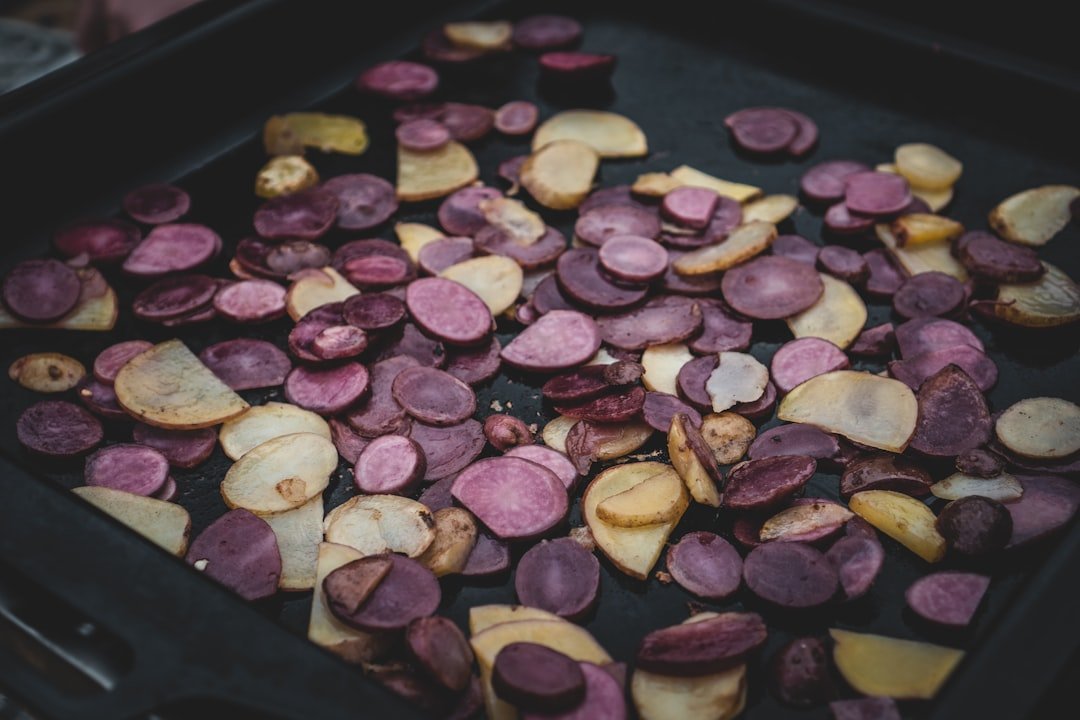
These potatoes belong to the Solanum tuberosum species. Their purple color comes from anthocyanins, natural plant pigments also found in many red, blue, and purple foods. Research suggests anthocyanin-rich purple potatoes may support vascular health, but you should treat them as a nutrient-rich food, not as a medical treatment. You can read more about purple potato research from the National Library of Medicine.
Purple potatoes also offer the familiar comfort of regular potatoes. They can be roasted, boiled, mashed, steamed, sliced into salads, or used in colorful side dishes. Their taste is usually earthy and mildly nutty, though the exact flavor depends on the variety and how fresh the potatoes are.
Quick Answer: Where Can You Get Purple Potatoes?
You can usually find purple potatoes at larger grocery stores, farmers’ markets, specialty food stores, health food stores, ethnic markets, CSA programs, local farms, and online grocery retailers. For planting, look for certified purple seed potatoes from garden centers or seed suppliers.
Key Takeaways
- Purple potatoes are real potatoes with purple skin, purple flesh, or both.
- Supermarkets are the easiest first place to check, but availability changes by region and season.
- Farmers’ markets and CSA programs can offer fresher, locally grown purple potatoes.
- Specialty food stores, health food stores, and ethnic markets may carry unique purple potato varieties.
- Online retailers can help when local stores do not stock purple potatoes.
- Garden centers and seed suppliers are best if you want certified seed potatoes for planting.
Best Places to Buy Purple Potatoes
| Buying Option | Best For | What to Check |
|---|---|---|
| Grocery stores | Convenience | Firm texture, no green spots, no soft areas |
| Farmers’ markets | Local freshness | Harvest date, variety name, storage advice |
| Specialty stores | Heirloom and gourmet options | Organic labels, origin, cooking use |
| Online retailers | Hard-to-find areas | Shipping speed, reviews, freshness policy |
| Garden centers | Growing your own | Certified seed potatoes, climate fit, planting guide |
Grocery Stores and Supermarkets
Grocery stores and supermarkets are often the first places to check when you want purple potatoes. Larger chains and stores with strong produce departments are more likely to stock them than small convenience-style markets. You may find them near fingerling potatoes, baby potatoes, organic potatoes, or specialty produce.
Availability can change by region and season. Some stores carry purple varieties such as Purple Majesty, Adirondack Blue, or mixed-color potato bags. If you do not see them on display, ask the produce manager whether the store can order them or whether they come in during certain months.
Some stores also sell frozen purple potato products, pre-cut potatoes, or mixed potato medleys. These options can help when you want quick meals, but fresh whole potatoes give you more control over texture, seasoning, and cooking method.
Farmers’ Markets
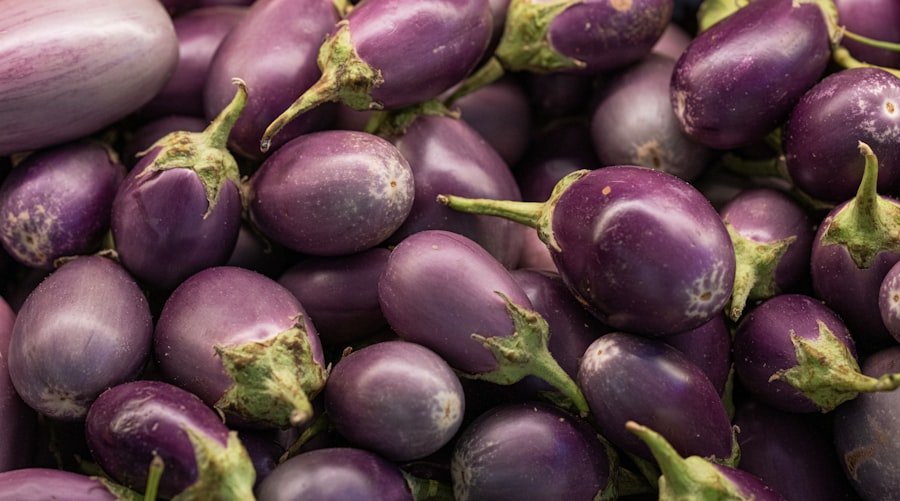
Farmers’ markets are one of the best places to find fresh, locally grown purple potatoes. The USDA Agricultural Marketing Service also provides local food directories that can help you find farmers’ markets and other local food sources near you.
At a farmers’ market, you can ask growers direct questions. Ask when the potatoes were harvested, how to store them, whether the skin is thin or thick, and which cooking method works best for that variety. This advice can be more useful than a generic produce label.
Farmers’ markets may also carry small-batch or heirloom varieties that do not show up in conventional supermarkets. If you want the freshest flavor, look for firm potatoes with clean skins and no soft patches. Dirt on the skin is normal for farm produce, but wetness, mold, and strong odor are warning signs.
Specialty Food Stores
Specialty food stores are a strong option when you want unique, organic, or gourmet produce. These stores often carry seasonal vegetables, heirloom potatoes, and curated ingredients that larger grocery chains may not stock every week.
You may find fresh purple potatoes, purple fingerlings, mixed potato bags, purple potato chips, or purple potato flour. These products suit different needs. Fresh potatoes work best for home cooking, while chips and flour are better if you want a ready-made snack or a special baking ingredient.
| Store Type | Likely Purple Potato Products | Best Use |
|---|---|---|
| Gourmet grocery store | Fresh purple potatoes, fingerlings, mixed potato bags | Roasting, salads, side dishes |
| Organic market | Organic purple potatoes | Everyday cooking |
| Specialty pantry shop | Purple potato chips, flour, snack products | Snacks and specialty recipes |
The staff at specialty food stores may also help you choose the right potato for your recipe. Ask whether the potatoes hold their shape after boiling, become fluffy when mashed, or work better for roasting.
Online Retailers
Online retailers are useful when local stores do not carry purple potatoes. Grocery delivery platforms, produce delivery services, and specialty food sellers may offer fresh purple potatoes or mixed potato boxes. This option helps if you live in an area where specialty produce sells out quickly.
Before ordering, check the seller’s delivery area, shipping speed, return policy, and recent customer reviews. Fresh potatoes can suffer during long shipping times or hot weather, so choose retailers that explain how they pack produce.
Look for listings that state the variety, weight, origin, and expected delivery window. Avoid vague listings that do not show whether you are buying fresh eating potatoes, seed potatoes for planting, or processed potato products.
Community Supported Agriculture (CSA) Programs
Community Supported Agriculture (CSA) programs connect you with local farms through regular produce boxes. Members often receive seasonal vegetables, and some farms include purple potatoes during the potato harvest season.
A CSA works best if you enjoy cooking with seasonal ingredients. You may not get purple potatoes every week, but you can ask the farm whether they grow them and when they usually appear in shares. Many CSA programs also send newsletters with storage tips and recipe ideas.
CSA programs also help you learn what grows well in your area. If local farms grow purple potatoes, you may get fresher potatoes than you would from long-distance supply chains.
Health Food Stores
Health food stores can be a good place to find purple potatoes, especially if you prefer organic produce or specialty vegetables. These stores often focus on whole foods, local sourcing, and nutrient-dense ingredients.
Purple potatoes contain anthocyanins, and potatoes in general can provide vitamin C, potassium, vitamin B6, and fiber when eaten with the skin. For nutrient data, you can check the USDA FoodData Central potato database.
Keep the health benefit claims realistic. Purple potatoes can fit into a balanced diet, but they do not cure inflammation, heart disease, or any medical condition. Cooking method matters too. A boiled or roasted purple potato with olive oil and herbs is very different from a deep-fried potato snack.
Ethnic Markets
Ethnic markets often carry produce used in Latin American, Asian, and other traditional cuisines. Since potatoes have deep roots in the Andes, some Latin American markets may stock purple potatoes or related varieties that are harder to find in mainstream stores.
These markets can also give you recipe ideas. For example, Peruvian cooking uses potatoes in dishes such as causa and papa a la huancaína. Purple potatoes can add color and texture to these dishes, though the exact variety used may vary by region and store.
When shopping in ethnic markets, ask vendors how local customers usually prepare the potatoes. You may learn a cooking method that fits the variety better than standard roasting or mashing.
Local Farms and Orchards
Local farms are another strong source for fresh purple potatoes. Some farms sell directly through farm stands, on-farm markets, U-pick events, harvest festivals, or online preorders. The USDA also lists on-farm markets that can help you find direct farm sales.
Buying from a farm lets you ask about harvest timing, storage, and variety. You can also learn whether the farm uses organic practices, conventional methods, or another growing approach.
If a farm offers pick-your-own potatoes, wear shoes that can get dirty and ask about the best time to visit. Freshly dug potatoes often have thin skins, so handle them gently and store them in a cool, dark, ventilated place.
Garden Centers and Seed Suppliers
If you want to grow your own purple potatoes, look for certified seed potatoes from garden centers, seed suppliers, or local farm stores. Do not assume that grocery store potatoes will work well for planting. Certified seed potatoes reduce the risk of bringing disease into your garden.
Potatoes grow best in full sun and loose, well-drained soil. Penn State Extension notes that potatoes prefer full sun and well-drained, slightly acidic soil. Iowa State University Extension also recommends a planting site with at least six hours of direct sun each day. You can review potato growing guidance from Penn State Extension and Iowa State University Extension.
Ask your supplier which purple variety suits your climate. Also ask about planting depth, spacing, watering, hilling, and harvest timing. These details affect yield and potato quality.
How to Choose Fresh Purple Potatoes
Fresh purple potatoes should feel firm, dry, and heavy for their size. The skin should look clean enough to inspect, even if some soil remains on it.
- Choose potatoes with firm flesh and no soft spots.
- Avoid potatoes with mold, wet patches, deep cuts, or strong odor.
- Avoid green areas, as green skin can signal higher solanine levels.
- Choose similar sizes if you want even cooking.
- Ask for the variety name if you plan to use a specific recipe.
How to Store Purple Potatoes After Buying
Store purple potatoes in a cool, dark, dry, and well-ventilated place. A pantry, cellar, or storage bin can work if it stays away from heat and direct light.
Do not store raw potatoes in the refrigerator unless the supplier gives a specific reason. Cold storage can affect potato sugars and cooking results. Also keep potatoes away from onions, because both can spoil faster when stored together.
Check stored potatoes often. Remove any potato that becomes soft, wet, moldy, or strongly sprouted so it does not affect the rest of the batch.
How to Cook and Enjoy Purple Potatoes
Purple potatoes work well in simple recipes because their color already adds visual appeal. Roasting brings out sweetness and gives crisp edges. Boiling or steaming keeps the color bright when you avoid overcooking.
- Roast them: Cut into even pieces, toss with olive oil, salt, garlic, and herbs, then roast until tender.
- Mash them: Boil until tender, then mash with butter, olive oil, garlic, or yogurt.
- Add them to salads: Boil, cool, and slice them into green salads or potato salads.
- Use them in soups: Add diced purple potatoes to vegetable soup for color and texture.
- Make a mixed potato side dish: Combine purple, red, yellow, and white potatoes for a colorful plate.
Tips for Finding and Enjoying Purple Potatoes
Start with the easiest source near you. Check larger grocery stores first, then search farmers’ markets, specialty stores, health food stores, and ethnic markets. If you still cannot find them, try online retailers or ask a local farm whether they grow purple potatoes.
Once you find them, buy a small amount first. Test them roasted, boiled, or mashed so you can learn their texture. Some purple potatoes stay firm and waxy, while others become softer and better for mashing.
If you enjoy the flavor, ask the seller for the exact variety name. That detail makes it easier to find the same potato again or choose seed potatoes for your garden.
FAQs
What are purple potatoes?
Purple potatoes are a type of potato with purple skin, purple flesh, or both. Their color comes from anthocyanins, which are natural plant pigments. They usually have an earthy, mildly nutty flavor.
Where can you get purple potatoes?
You can find purple potatoes at some grocery stores, specialty food markets, farmers’ markets, health food stores, ethnic markets, CSA programs, local farms, and online retailers. Availability depends on your region and the season.
Are purple potatoes easy to grow?
Purple potatoes can be grown in home gardens when you use certified seed potatoes, full sun, loose soil, and good drainage. They are not difficult, but they need steady care, hilling, and protection from pests and disease.
What are the health benefits of purple potatoes?
Purple potatoes contain anthocyanins and can provide nutrients found in potatoes, such as vitamin C, potassium, vitamin B6, and fiber. They can support a balanced diet, but they should not be treated as a cure for any health condition.
How can purple potatoes be prepared?
You can boil, roast, mash, steam, fry, or bake purple potatoes. They work well in salads, soups, colorful side dishes, and mixed potato recipes.
Are purple potatoes the same as purple sweet potatoes?
No. Purple potatoes are true potatoes from the Solanum tuberosum species. Purple sweet potatoes come from a different plant family and usually taste sweeter and starchier.
Do purple potatoes taste different from regular potatoes?
Yes, but the difference is usually mild. Many purple potatoes taste earthy, nutty, and slightly sweeter than standard white potatoes. Texture depends on the variety.
Can you buy purple seed potatoes online?
Yes, many seed suppliers sell purple seed potatoes online. Look for certified seed potatoes, not regular grocery potatoes, if you plan to plant them in your garden.
How do you keep purple potatoes from losing color?
Do not overcook them. Boiling or steaming until just tender can help preserve their color. Roasting also keeps the color attractive while adding crisp edges.
How long do purple potatoes last?
When stored in a cool, dark, dry, and ventilated place, purple potatoes can last for several weeks. Check them often and remove any that become soft, moldy, wet, or strongly sprouted.