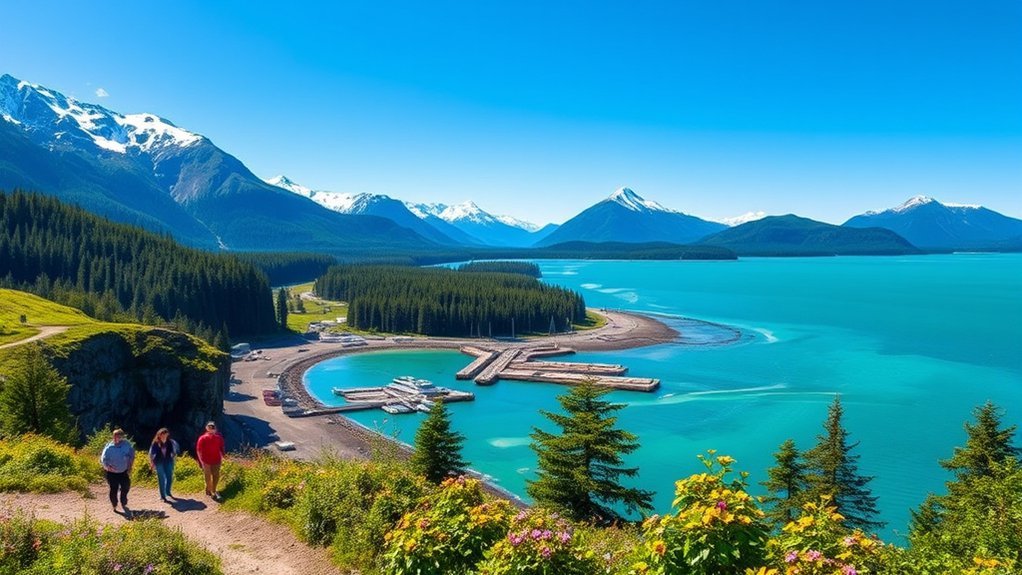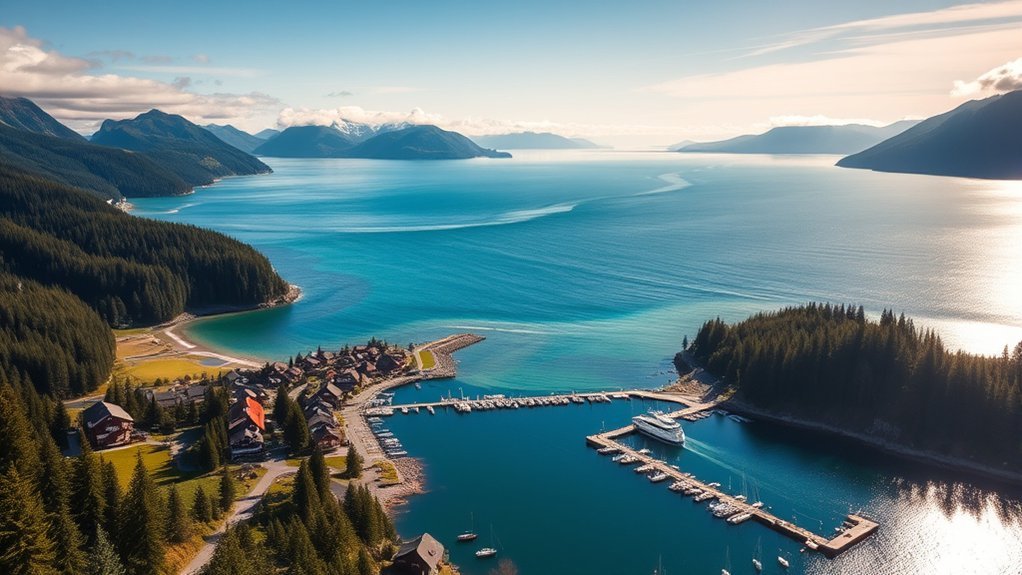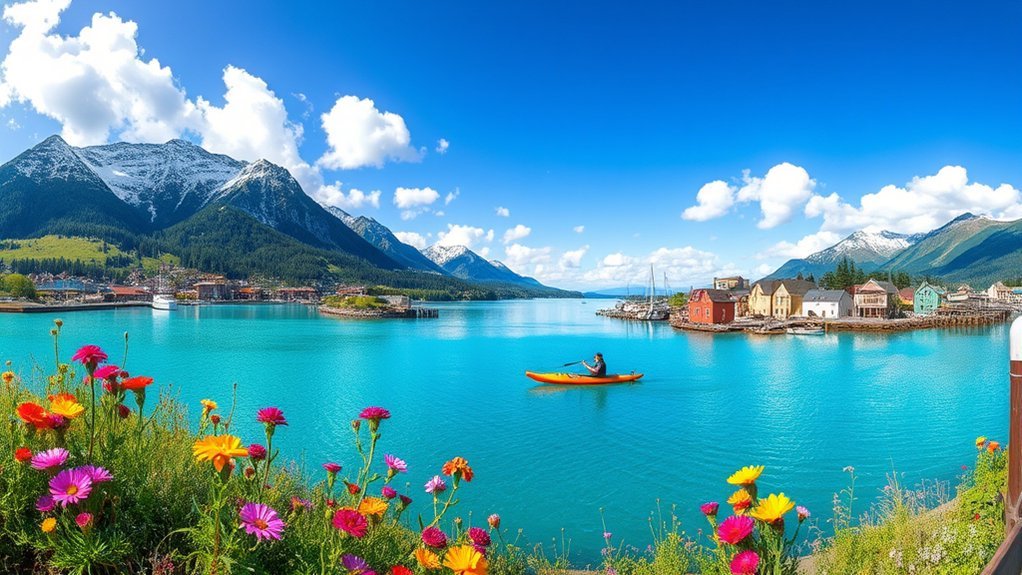
Whittier, Alaska is a small port town on Passage Canal and a gateway to Prince William Sound. It is known for steep mountains, glaciers, marine wildlife, WWII history, and the unusual Anton Anderson Memorial Tunnel. A short visit can include a museum, historic sites, hiking, kayaking, or a glacier cruise. This guide covers what to do, how to get there, when to visit, what to pack, and how to plan your time.
Quick Answer
The best things to do in Whittier, Alaska include visiting the Prince William Sound Museum, walking the historic sites, hiking Portage Pass, and taking a glacier or wildlife cruise. You can also kayak, fish, or ride the Alaska Railroad. If driving, check the Anton Anderson Memorial Tunnel schedule before leaving Anchorage.
Key Takeaways
- Whittier is a gateway to Prince William Sound, with cruises, kayaking, fishing, and wildlife viewing.
- The Anton Anderson Memorial Tunnel is the main road connection to Whittier and uses scheduled one-way traffic.
- Portage Pass is a popular 2-mile trail with views toward Portage Lake and Portage Glacier.
- The Prince William Sound Museum covers Whittier’s military, railroad, aviation, and local history.
- Rain and changing conditions are normal, so waterproof layers and sturdy footwear are useful.
- Check official tunnel, trail, weather, and event information shortly before your trip.
At a Glance
| Time Required | A few hours for highlights; 1–3 days for hiking and water activities |
| Difficulty | Easy to strenuous, depending on the activity |
| Tools Needed | Rain gear, layers, sturdy footwear, water, snacks, and navigation tools for hikes |
| Cost | Free or low-cost for walking and hiking; cruises, tours, rail trips, and some access fees cost extra |
Natural Wonders and Outdoor Activities in Whittier
Whittier sits at the head of Passage Canal, surrounded by mountains, forest, waterfalls, glaciers, and the waters of Prince William Sound. The City of Whittier lists kayaking, glacier cruises, fishing, hiking, camping, berry picking, and walking tours among the area’s activities. :contentReference[oaicite:29]{index=29}
Marine wildlife is another major draw. Depending on the season and location, visitors may see sea otters, harbor seals, whales, orcas, mountain goats, bald eagles, and other wildlife. Wildlife sightings are never guaranteed, so keep a safe distance and avoid approaching animals.
Prince William Sound Cruises and Kayaking
A boat trip is one of the most efficient ways to experience the landscape around Whittier. Glacier and wildlife cruises can take visitors into nearby bays and channels while guides point out glaciers and marine life. Some trips are designed as several-hour excursions, while others combine rail travel and a cruise.
Kayaking provides a closer view of the shoreline and calm-water areas, but conditions can change quickly. If you are not an experienced paddler in cold-water environments, a guided trip is a sensible option.
Warning: Prince William Sound is a cold-water environment. Weather, wind, waves, and boat traffic can change conditions quickly. Use appropriate safety equipment and follow the instructions of your guide or vessel operator.
Wildlife Viewing
Whittier and the surrounding sound provide opportunities to see marine and land wildlife. The City of Whittier lists sea otters, harbor seals, humpback whales, orcas, mountain goats, black bears, salmon, and several bird species among wildlife found in the area. :contentReference[oaicite:30]{index=30}
Bring binoculars if wildlife viewing is a priority. Keep animals at a safe distance, never feed them, and do not approach wildlife for photographs.
Hiking Near Whittier
Whittier has several hiking options, ranging from short walks to difficult routes. The U.S. Forest Service lists Portage Pass as a 2-mile trail in the Girdwood/Portage area. Other documented trails around Whittier include Whittier Creek, Horsetail Falls, Emerald Cove, and Blackstone Bay Vista. :contentReference[oaicite:31]{index=31}
Portage Pass Trail
Portage Pass is one of the area’s best-known hikes. The trail is about 2 miles and provides views toward Portage Lake and Portage Glacier. It is part of the Iditarod National Historic Trail. :contentReference[oaicite:32]{index=32}
Conditions can be wet and slippery. The Forest Service advises visitors to plan ahead, use good judgment, respect wildlife, and recognize that winter travel can involve additional hazards, including avalanche-prone slopes. :contentReference[oaicite:33]{index=33}
Whittier Creek and Horsetail Falls
Whittier Creek Trail offers a short walk from town toward a waterfall. Horsetail Falls is another nearby option with views over the surrounding landscape. These trails are useful choices when you have limited time and want to stay close to Whittier. :contentReference[oaicite:34]{index=34}
Pro Tip: Check trail conditions before leaving town. Wet weather can make muddy sections and boardwalks slippery, while construction can affect access to individual trails.
Must-Visit Attractions in Whittier
Whittier’s strongest attractions combine natural scenery with a distinctive military and railroad history. The town was established during World War II and developed as a strategic port and transportation point. :contentReference[oaicite:35]{index=35}
Prince William Sound Museum
The Prince William Sound Museum is located in the Anchor Inn in downtown Whittier. Its exhibits cover Whittier’s history as a military port and rail terminal, along with Alaska’s WWII and Cold War heritage. :contentReference[oaicite:36]{index=36}
Whittier’s unusual setting makes its history part of the travel experience: the town was built around a strategic port, railroad connection, and military infrastructure.
Historic Walking Tour and Buckner Building
Whittier’s historic walking tour focuses on WWII and Cold War sites. The route includes surviving military-era buildings and interpretive signs, including the former Buckner Building, a large abandoned military structure that once functioned as a self-contained facility. :contentReference[oaicite:37]{index=37}
This is a better way to understand Whittier’s character than treating the town as only a scenic stop. The buildings show why the community was created and how its role changed after the military era.
Anton Anderson Memorial Tunnel
The Anton Anderson Memorial Tunnel is the main road connection between Whittier and Portage Valley. It is a combined highway and railroad tunnel, and vehicles use scheduled one-way openings. The Alaska Department of Transportation and Public Facilities publishes the current schedule, regulations, toll information, and safety details. :contentReference[oaicite:38]{index=38}
Note: Do not assume you can enter the tunnel at any time. The official schedule changes by season. During the 2026 summer period, the published vehicle schedule runs from May 1 through September 30, with traffic openings throughout the day. Arrive at the staging area before the scheduled opening. :contentReference[oaicite:39]{index=39}
How to Get to Whittier, Alaska
Most visitors reach Whittier by road, railroad, cruise ship, or ferry. The City of Whittier describes the community as a destination served by ship, train, and car. :contentReference[oaicite:40]{index=40}
Driving Through the Whittier Tunnel
If you drive from the Anchorage area, the route to Whittier passes through the Anton Anderson Memorial Tunnel. Because highway traffic shares the tunnel with railroad operations, traffic is controlled and vehicles cannot simply drive through whenever they arrive.
Check the official tunnel schedule before starting your trip. The Alaska DOT&PF states that unscheduled trains can sometimes cause delays, and it advises drivers to arrive at the staging area before the scheduled opening. :contentReference[oaicite:41]{index=41}
Alaska Railroad to Whittier
The Alaska Railroad’s Glacier Discovery Train connects Anchorage, Girdwood, Whittier, Portage, Spencer Glacier, and Grandview on its seasonal route. The railroad’s 2026 schedule lists the full route from May 30 through September 14, with additional Whittier service on selected earlier dates. :contentReference[oaicite:42]{index=42}
This can be useful if you want to combine transportation with a sightseeing or glacier excursion instead of driving.
Recommended Itineraries for Different Lengths of Stay
Whittier works well as a short stop, but extra time gives you more opportunities for hiking and water-based activities. Build the itinerary around the activities you can realistically complete rather than trying to cover every trail and cruise in one day.
| Length of Stay | Recommended Activities |
|---|---|
| Half day | Walk the harbor area, visit the Prince William Sound Museum, see historic sites, and take a short walk if conditions allow. |
| 1 day | Choose a Prince William Sound cruise or kayaking trip, then add the museum or a short historic walk. |
| 2–3 days | Combine a water excursion with Portage Pass or another suitable hike, plus the museum and historic sites. |
| Longer stay | Add fishing, additional hikes, boating, camping, or rail-based excursions according to season and availability. |
A trip to Glacier Bay should not be treated as a normal Whittier day-trip activity. For a short Whittier visit, Prince William Sound and the nearby Portage area are much more practical choices.
Where to Eat in Whittier
Whittier has a small dining scene, so restaurant choices and opening hours can vary by season. The local chamber lists businesses including the Anchor Inn restaurant, Lazy Otter Café, Swiftwater Café & Seafood, and other shops and food businesses. :contentReference[oaicite:43]{index=43}
For the most current options, check local listings shortly before your visit rather than relying on a fixed restaurant list. This is especially useful outside the main summer tourism season.
Getting Around Whittier
Whittier is a compact community, and many central attractions can be reached on foot. A car is more useful for reaching trailheads and exploring the wider Portage area than for moving between central town sites.
Do not plan your trip around assumptions about a large-city public transportation network or readily available rideshare service. Instead, confirm transportation with your lodging provider, tour operator, ferry or railroad service when needed.
If you are driving, the tunnel schedule is one of the most important transportation details to check. The official Alaska DOT&PF schedule should be treated as the source of truth for current openings and regulations. :contentReference[oaicite:44]{index=44}
Best Time to Visit Whittier
Summer is the easiest season for combining hiking, boating, wildlife viewing, and other outdoor activities. It also brings more visitors and greater demand for tours and transportation.
Whittier has a wet coastal climate, so rain gear is useful even when the forecast looks favorable. Weather can change quickly around the mountains and water. For current conditions and forecasts, use the National Weather Service rather than relying on a static temperature table. :contentReference[oaicite:45]{index=45}
Seasonal Weather and Trip Planning
| Season | What to Expect |
|---|---|
| Spring | Cool, wet conditions are possible. Check trail and road conditions before outdoor activities. |
| Summer | The strongest period for cruises, kayaking, hiking, fishing, and rail excursions, but also the busiest period. |
| Fall | Cooler and wetter conditions become more likely. Outdoor tour and transportation schedules may become more limited. |
| Winter | Shorter days and winter conditions require more preparation. Check current forecasts and transportation schedules before traveling. |
Local Events Calendar
Event schedules can change, so a fixed list of recurring festivals is not a reliable planning tool. The City of Whittier maintains an online calendar where visitors can check current community events and meetings. :contentReference[oaicite:46]{index=46}
Check the calendar close to your travel date if local events are an important part of your plans.
Accommodation Options in Whittier
Whittier has a small accommodation market compared with larger Alaska destinations. Options include inns, hotels, and other locally operated lodging. Because inventory is limited, booking ahead is sensible during the main summer season.
Choose lodging based on your planned activities. A central location can be convenient for walking to the harbor, restaurants, and museum, while visitors focused on longer outdoor activities may care more about parking, gear storage, or tour pickup arrangements.
Essential Packing List for Whittier
Whittier’s coastal weather makes flexible clothing more useful than packing for one fixed temperature. Bring layers and gear that can handle rain, wind, and wet trails.
Clothing for Whittier Weather
- Waterproof rain jacket: Useful for rain and wind near the coast.
- Layered clothing: Allows you to adjust as temperatures and activity levels change.
- Sturdy footwear: Choose shoes or boots suited to wet and uneven trails.
- Warm hat and gloves: Useful during cooler mornings, evenings, and boat trips.
- Quick-drying clothing: Helpful when conditions are wet.
Essential Travel Gear
- Daypack: Carry water, food, extra layers, and rain gear.
- Water bottle: Bring enough water for your planned activity.
- Phone or camera: Useful for maps, weather updates, and photographs.
- Portable charger: Helpful on long excursions.
- Binoculars: Useful for distant wildlife and birds.
- Navigation and emergency supplies: Important for longer or less-developed hikes.
Warning: Do not treat Alaska wildlife encounters or remote trails like urban sightseeing. Keep your distance from wildlife, tell someone about longer hiking plans, and check current trail and weather conditions before setting out. The Forest Service specifically advises visitors to plan ahead and recognize wildlife and winter travel hazards. :contentReference[oaicite:47]{index=47}
Current Access and Trail Notes
Conditions and access can change after an article is published. For example, the Shotgun Cove Road Extension project lists a summer 2026 closure affecting the terminus of Shotgun Cove Road and Emerald Cove Trail during construction. If Emerald Cove is part of your plan, check the current project information before traveling. :contentReference[oaicite:48]{index=48}
The same principle applies to the Anton Anderson Memorial Tunnel. Use the current Alaska DOT&PF schedule before driving because openings are controlled and may be affected by railroad operations. :contentReference[oaicite:49]{index=49}
Frequently Asked Questions
What is Whittier, Alaska known for?
Whittier is known for its location on Passage Canal, access to Prince William Sound, the Anton Anderson Memorial Tunnel, its WWII and Cold War history, and outdoor activities such as cruises, kayaking, fishing, and hiking.
What is the best thing to do in Whittier?
For many visitors, a Prince William Sound glacier or wildlife cruise is a highlight. If you prefer land activities, visit the Prince William Sound Museum, walk the historic sites, or hike Portage Pass.
How do I get to Whittier by car?
Drivers reach Whittier through the Anton Anderson Memorial Tunnel from the Portage Valley side. The tunnel uses scheduled one-way vehicle openings, so check the official schedule and arrive at the staging area before your selected opening.
Is Portage Pass Trail worth hiking?
Yes, if conditions and your fitness level are suitable. The Forest Service lists Portage Pass as a 2-mile trail, and the route provides views toward Portage Lake and Portage Glacier. Wet, slippery, and seasonal conditions should be considered before starting.
Can I visit Whittier without a car?
Yes. Visitors can arrive by Alaska Railroad, cruise ship, ferry, or organized transportation. The Glacier Discovery Train provides seasonal service to Whittier from Anchorage and Girdwood. Once in town, many central attractions are close enough to reach on foot.
What should I pack for Whittier?
Pack waterproof outerwear, layers, sturdy footwear, and gear suitable for your planned activities. A daypack, water bottle, snacks, portable charger, and binoculars are also useful. Check the current forecast before leaving.
Conclusion
Whittier is best approached as a compact gateway to Prince William Sound rather than a conventional city destination. A short visit can cover the Prince William Sound Museum, historic sites, and a few waterfront stops, while a longer stay allows time for a cruise, kayaking, fishing, or hiking. Check the tunnel schedule, weather, trail conditions, and current event information before you go. With the right planning and rain-ready gear, Whittier offers a strong mix of Alaska history, mountain scenery, and outdoor experiences.
Sources
- City of Whittier — Visiting Whittier — destination history, access, activities, and visitor information.
- Alaska Department of Transportation and Public Facilities — Whittier Tunnel — tunnel operation, regulations, tolls, and access information.
- Alaska Department of Transportation and Public Facilities — Tunnel Schedule — current seasonal vehicle-opening schedule and safety guidance.
- USDA Forest Service — Chugach National Forest / Portage Pass information — trail information and outdoor safety guidance.
- Prince William Sound Museum — Whittier history and museum exhibits.
- Alaska Railroad — Train Schedules — 2026 Glacier Discovery service to Whittier.