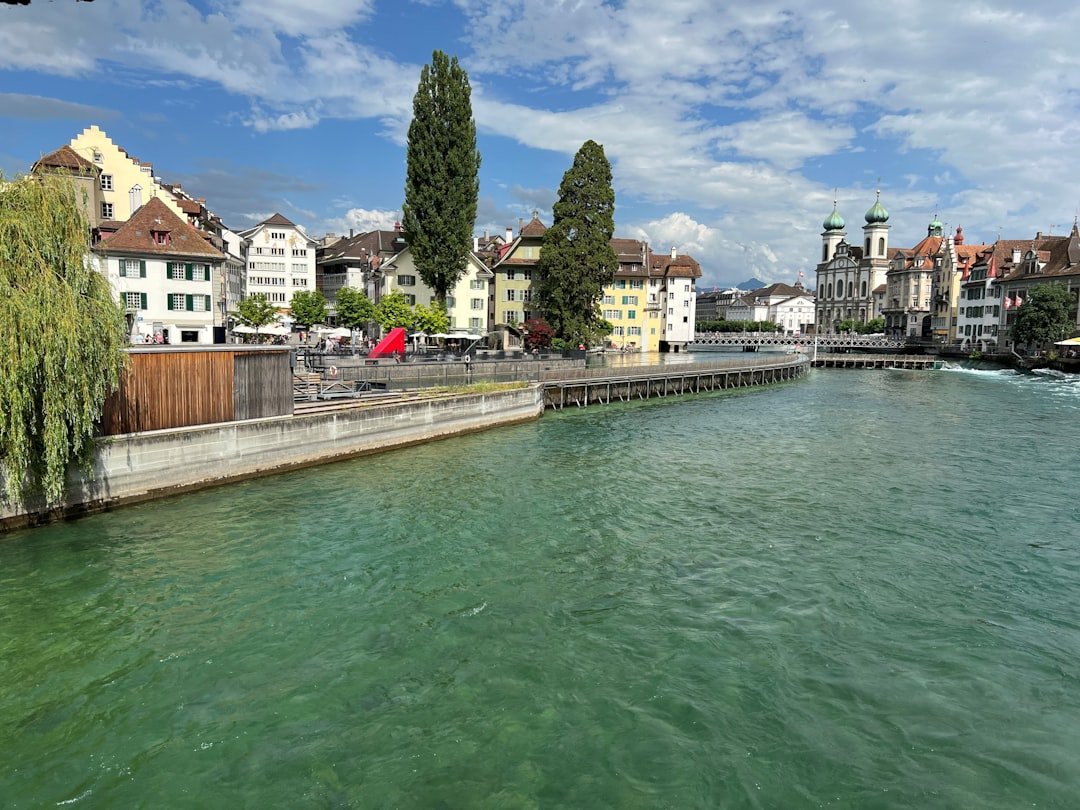
Zurich packs historic streets, church towers, river reflections, lake views, modern architecture, street art, and mountain panoramas into a compact area that is easy to explore with a camera. The best photo spots in Zurich range from classic Old Town viewpoints such as Lindenhof to wide city-and-Alps panoramas from Uetliberg, so you can build a varied photo collection without traveling far between locations.
Quick Answer
The best photo spots in Zurich include Lindenhof for the Old Town and Limmat, Bürkliterrasse for Lake Zurich, Polyterrasse for rooftops, Uetliberg for panoramic views, Grossmünster and Fraumünster for architecture, and Niederdorf, Augustinergasse, Schipfe, and Zurich-West for street scenes and details.
Key Takeaways
- Lindenhof is one of the easiest places to photograph Zurich’s Old Town, the Limmat, and Grossmünster from above.
- Bürkliterrasse and the lakefront work well for water, boats, reflections, and distant Alpine views when visibility is clear.
- Polyterrasse and Uetliberg are the main choices when you want wider city panoramas.
- Niederdorf, Augustinergasse, and Schipfe are better for narrow streets, historic façades, textures, and everyday city scenes.
- Photography rules vary by location. Churches, museums, private property, and drone flights can have restrictions, so check the relevant venue or authority before shooting.
Iconic Landmarks and Classic Zurich Photo Spots
If you have limited time, start in Zurich’s historic center. Many of the most recognizable compositions are within walking distance of one another, especially around the Limmat River and Old Town.
Lindenhof
Lindenhof is one of the most useful all-purpose viewpoints in central Zurich. From the elevated square, you can frame the Limmat, Old Town rooftops, Grossmünster, City Hall, and buildings on the opposite bank.
For a cleaner cityscape, move around the edge of the terrace rather than shooting every image from the same point. A moderate focal length can isolate Grossmünster and the river, while a wider lens gives more context from the surrounding roofs and trees.
Münsterbrücke and the Limmat
The bridges around the historic center create natural leading lines across the river. Münsterbrücke is particularly useful because you can work Grossmünster, Fraumünster, the river, surrounding façades, and City Hall into different compositions simply by changing direction.
Reflections become more noticeable when the water is calm, while trams, pedestrians, boats, and changing light give the same viewpoint a different character throughout the day.
Grossmünster
The twin towers of Grossmünster are among Zurich’s most recognizable architectural features. Photograph the church from across the Limmat for a classic city view, then move closer for stonework, doors, windows, and tighter architectural compositions.
The Karlsturm viewing platform is another option for elevated photographs. Access involves 187 stairs. Zurich Tourism also notes that renovation work is taking place at Grossmünster from 2025 to 2029, so check current access conditions before planning a visit specifically around the tower.
Note: A location can remain open while construction changes a particular angle or view. If one exact composition matters to you, check the attraction’s current visitor information shortly before your visit.
Best Scenic Views in Zurich
Zurich’s strongest scenic compositions combine the city with water, hills, and, on clear days, the Alps. You do not necessarily need to travel far above the city to get a good overview.
Polyterrasse
Polyterrasse, beside ETH Zurich, looks across the roofs of the city toward the Old Town and Lake Zurich. It is especially useful when you want an elevated view without committing to a longer trip into the hills.
The open terrace gives you enough room to experiment with foregrounds, roof patterns, church towers, and wider skyline frames. A telephoto lens can compress the rooftops, while a wide lens works better when the sky or lake is part of the composition.
Uetliberg
For a much broader view, head to Uetliberg, Zurich’s local mountain. At 871 meters above sea level, it provides an expansive perspective over the city and Lake Zurich, with Alpine views possible when the atmosphere is clear.
Weather matters more here than at street level. Cloud, haze, mist, snow, and changing visibility can completely alter the scene, so Uetliberg is worth considering even when conditions are not perfectly clear.
For variety, combine one elevated viewpoint such as Uetliberg or Polyterrasse with one river-level location. The change in perspective will make a Zurich photo set feel far more complete.
Bürkliterrasse and Lake Zurich
Bürkliterrasse sits at the city end of Lake Zurich and opens the scene toward the water and, in clear weather, the Alps. Boats, trees, the Ganymede sculpture, reflections, clouds, and changing lake conditions provide several subjects without requiring much walking.
The nearby lakeside promenade is also useful when you want less formal compositions of people walking, cyclists, birds, boats, benches, and everyday life beside the water.
Architectural Photo Spots
Zurich’s architecture works best when you mix monumental landmarks with smaller details. Churches provide the obvious skyline subjects, but bay windows, painted façades, courtyards, arches, bridges, tram lines, and modern buildings can produce more distinctive photographs.
Fraumünster
Fraumünster is recognizable from several places along the Limmat and around Münsterhof. Outside, experiment with views that combine the church with the river, neighboring buildings, or the surrounding square.
Inside, photography rules are more specific. According to the official Fraumünster visitor information, private photography is permitted, but flash and tripods are not allowed, and visitors should not photograph during church services. Additional copyright restrictions apply to the Chagall windows, so check the current policy before publishing images of them.
Zurich Opera House and Sechseläutenplatz
The Opera House provides a more formal architectural subject near the lake. From Sechseläutenplatz, you can photograph the full façade, isolate details, or include pedestrians and activity in the large foreground space. Moving toward the lake gives you additional combinations with trams, trees, and the waterfront.
Swiss National Museum
The Swiss National Museum near Zurich Main Station combines a historic castle-like building with a modern extension. The exterior is a useful subject for architecture photography, particularly when you use surrounding paths, trees, or the nearby river to frame the building.
Do not assume that exterior and interior photography follow the same rules. Museums can maintain separate policies for exhibitions, private photography, commercial shoots, tripods, lighting, and publication.
Pro Tip: Zurich’s church towers are useful orientation points. When walking through the Old Town, look for gaps between buildings that frame Grossmünster or Fraumünster instead of photographing every landmark straight on.
Street Art and Graffiti
| Area or Subject | What to Photograph | Photography Approach |
|---|---|---|
| Zurich-West | Murals, converted industrial buildings, viaducts, modern urban scenes | Mix wide environmental frames with tight artwork details |
| Wiedikon | Street art and neighborhood scenes | Include surrounding streets so the artwork has context |
| Oerlikon and Bucheggplatz | Public murals and works associated with Zurich street-art artists | Look for clean angles that minimize parked vehicles and signs |
Street art gives you a completely different version of Zurich from the church-and-lake postcard view. Zurich Tourism’s street-art guide documents artists and works around the city, including locations in Bucheggplatz, Wiedikon, and Oerlikon.
Because murals can be repainted, removed, covered, or replaced, fixed counts of street-art pieces become unreliable quickly. Treat street-art photography as exploration rather than expecting every work shown in an older guide to remain unchanged.
Nature and Parks
Zurich’s green spaces give you a way to soften the city’s architecture and add seasonal variation to your photographs.
Lake Promenade
The lakeside promenade is useful for environmental portraits, reflections, boats, birds, trees, and relaxed city-life photography. Its appearance changes dramatically between a bright summer afternoon, a foggy winter morning, and an evening with textured clouds over the water.
Old Botanical Garden and Schanzengraben
The Old Botanical Garden and nearby Schanzengraben offer a quieter contrast to the busy shopping streets. Paths, trees, historic structures, water, stone walls, and small architectural details work well for slower observational photography.
Rechberg Garden and Old Town Green Spaces
Small gardens around the historic center can be useful when midday streets become crowded. Instead of trying to eliminate every person from the scene, use paths, gates, plants, walls, and changing elevation to create layered compositions.
Urban Landscapes
Zurich’s urban photographs do not need to focus only on landmarks. Tram lines, shopfronts, bicycles, river traffic, commuters, signs, reflections, and the contrast between old and new architecture can say more about the city than another isolated church photograph.
Niederdorf
Niederdorf on the right bank of the Limmat is one of the strongest areas for narrow lanes, historic façades, shop signs, courtyards, and street scenes. Walk slowly and look both forward and backward because the best composition often appears after you have passed it.
Augustinergasse
Augustinergasse is particularly photogenic because of its colorful historic buildings, bay windows, lanterns, and narrow perspective. A longer focal length can compress the façades and emphasize repeating windows, while a wider lens shows more of the street’s character.
Bahnhofstrasse
Bahnhofstrasse works well when you want a polished, modern city atmosphere. Instead of photographing storefronts alone, use trams, pedestrians, reflections, seasonal decorations, and long street perspectives to create stronger images.
Wet weather can be an advantage here. Reflections on pavement and glass can add color and depth, especially after dark.
Hidden Gems for Photography
Some of Zurich’s most satisfying images come from locations that are less visually dominant than the main landmarks.
Schipfe
Schipfe sits close to the Limmat but feels quieter than many of the main Old Town routes. Its historic buildings, river edges, small lanes, and changing elevations give you opportunities for detailed architectural and street photography.
Schanzengraben
The Schanzengraben waterway offers another side of central Zurich, with paths, water, walls, bridges, trees, and city buildings layered into the background. It can be particularly useful when the busiest Old Town streets feel visually cluttered.
Giacometti Hall
The Giacometti Hall, sometimes called the Blüemlihalle, is an intensely decorated interior created by Augusto Giacometti. Visitor access is limited and can change, so check current official information before planning a photography stop around it.
The broader lesson is useful throughout Zurich: look inside passages, courtyards, arcades, and smaller public spaces rather than moving only from landmark to landmark.
Sunrise and Sunset Hotspots
Early and late light can add warmth, longer shadows, reflections, and more dramatic skies, but Zurich is photographable throughout the day. Cloud cover, fog, rain, snow, and seasonal light can be just as valuable as a perfectly clear sunset.
Bürkliterrasse for Lake Views
The open view across Lake Zurich makes Bürkliterrasse a strong place to watch changing light over the water. Arrive before the light you want so you have time to test foregrounds and decide whether the strongest composition is toward the lake, shoreline, boats, or city.
Uetliberg for a Wider Panorama
Uetliberg gives you a broad city-and-lake view, making it useful when the sky itself is part of the photograph. Check weather and visibility before making the trip if a distant Alpine backdrop is important to you.
Lindenhof for Old Town Light
Lindenhof is convenient when you want changing light across the Old Town without leaving central Zurich. The elevation lets you watch sunlight or evening illumination move across rooftops, church towers, and the Limmat.
Pro Tip: Do not leave immediately after sunset. The transition into blue hour can balance remaining color in the sky with Zurich’s street, building, bridge, and tram lights.
How to Get Better Photos in Zurich
A few simple choices can improve your results more than carrying extra equipment.
- Use the river as a leading line: The Limmat naturally pulls the eye toward bridges, churches, and historic buildings.
- Change height: Combine river-level photographs with Lindenhof, Polyterrasse, Karlsturm, or Uetliberg.
- Include trams selectively: A tram can immediately make an urban photograph feel more connected to Zurich.
- Look for reflections: Lake Zurich, the Limmat, windows, and wet streets can add another layer to a composition.
- Photograph details: Bay windows, doors, fountains, signs, rooflines, stonework, and street art help break up a collection of wide landscapes.
- Return in different conditions: Fog, rain, snow, clouds, and night lighting can completely change familiar locations.
- Respect people: Avoid intrusive close-up photography of strangers, especially when someone has a reasonable expectation of privacy.
Photography Rules and Drone Considerations
There is no single rule covering every photography situation in Zurich. Public streets and viewpoints, churches, museums, exhibitions, private properties, events, and commercial shoots can all involve different conditions.
Warning: Do not assume that because a location is open to visitors, flash, tripods, commercial photography, publication, or drone use is automatically permitted. Check the venue’s current policy when your planned shoot involves more than ordinary handheld tourist photography.
Drone photography requires particular care. The Swiss Federal Office of Civil Aviation requires drone operators to follow the applicable flight category rules, maintain required separation from people, respect geographical flight restrictions and privacy, and operate within visual line of sight where required. Restrictions can depend on the aircraft, location, people nearby, and type of operation, so verify the current rules before every flight.
For ordinary handheld photography, the simplest approach is to be considerate, stay out of restricted areas, avoid obstructing entrances and walkways, respect services and ceremonies, and follow signs or staff instructions at individual attractions.
Zurich is compact enough that you can photograph historic lanes, church towers, river views, modern streets, and the lake in the same outing. The strongest photo set usually comes from mixing these perspectives rather than searching for one single “perfect” viewpoint.
If you are planning a dedicated photography walk, the official Zurich Tourism viewpoint guide is useful for checking additional elevated locations and current visitor information.
In the end, the best Zurich photographs are not limited to famous postcard angles. Start with landmarks such as Lindenhof, Grossmünster, Lake Zurich, Polyterrasse, and Uetliberg, then spend time in Niederdorf, Augustinergasse, Schipfe, parks, street-art areas, and quieter waterside paths. That combination gives you a much fuller visual story of the city.
Frequently Asked Questions
What are the best photo spots in Zurich?
Some of the best photo spots in Zurich are Lindenhof, the Limmat riverfront, Münsterbrücke, Grossmünster, Fraumünster, Bürkliterrasse and Lake Zurich, Polyterrasse, Uetliberg, Niederdorf, Augustinergasse, Schipfe, and Zurich-West. Choose several types of locations so your photos include both classic landmarks and everyday city scenes.
What is the best time of day to take photos in Zurich?
Early morning and the period around sunset are useful for softer light and longer shadows, while blue hour works well for city lights. Midday can still be good for street photography, architectural details, interiors, and scenes where strong shadows add structure. Weather and season matter as much as the clock.
Are there photography restrictions in Zurich?
Yes, restrictions can apply at individual attractions, churches, museums, exhibitions, private properties, and events. Check the rules of the place you are visiting. Fraumünster, for example, permits private photography but does not allow flash or tripods and asks visitors not to photograph during services.
Can I photograph the Chagall windows in Fraumünster?
Fraumünster allows private photography under its visitor rules, but the Chagall windows are protected by copyright and have additional restrictions concerning publication. Check the church’s current visitor information before photographing them for anything beyond private use.
What are some tips for capturing great photos in Zurich?
Mix elevated and street-level viewpoints, use the Limmat and tram tracks as leading lines, watch for reflections, photograph architectural details as well as wide scenes, and return to important locations in different light or weather. A varied set usually tells a stronger story than dozens of similar landmark photographs.
Which Zurich landmarks are most popular for photography?
Grossmünster, Fraumünster, Lake Zurich, Lindenhof, the Limmat, Zurich Opera House, Bahnhofstrasse, the Swiss National Museum, and the historic streets of the Old Town are among the city’s most recognizable subjects.
Can I fly a drone for photography in Zurich?
Drone flights are governed by Swiss aviation rules and geographical flight restrictions. Requirements can depend on the drone, location, nearby people, and type of operation. Check the Swiss Federal Office of Civil Aviation’s current rules and official restriction information before each flight rather than assuming a city viewpoint is legal for drone use.
Sources
- Zurich Tourism: Lindenhof — Old Town, Limmat, Grossmünster, and city viewpoint information.
- Zurich Tourism: Polyterrasse — elevated Old Town and Lake Zurich viewpoint information.
- Zurich Tourism: Uetliberg — panoramic city, lake, and Alpine views.
- Zurich Tourism: Grossmünster — Karlsturm access, stairs, viewpoint, and current renovation information.
- Fraumünster: Visitor Information — official photography, flash, tripod, service, and copyright guidance.
- Swiss Federal Office of Civil Aviation: Drone Flight Rules — current Swiss drone operating, privacy, and geographical restriction requirements.