 Written by: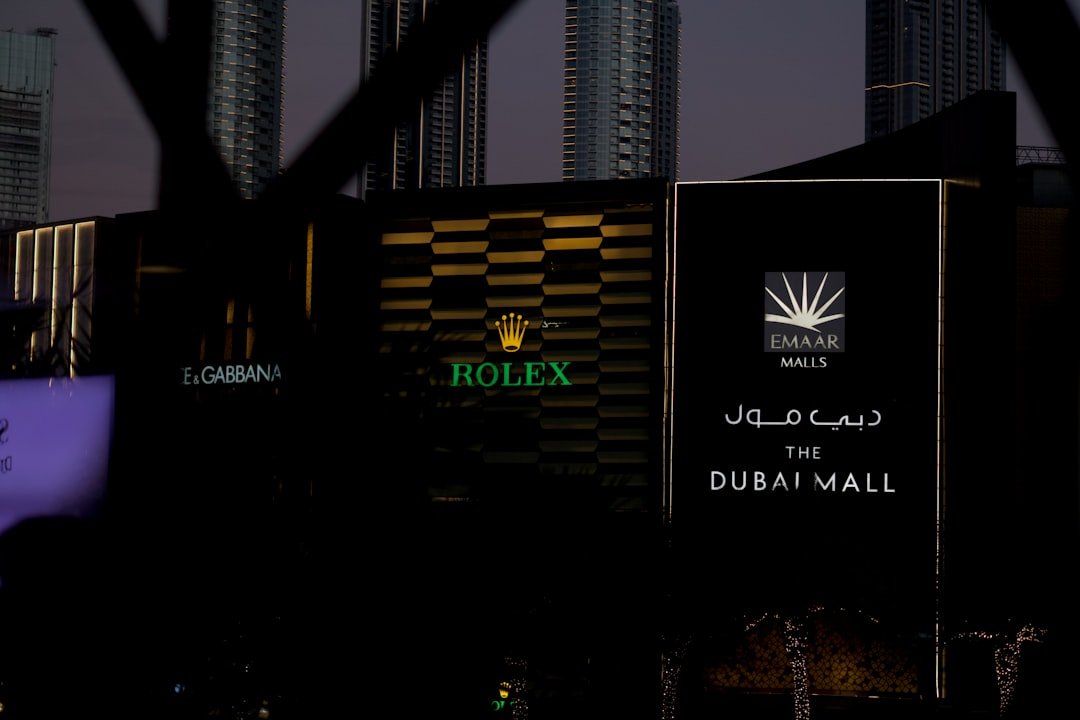
Dubai, a dazzling gem in the United Arab Emirates, is a city that seamlessly blends tradition with modernity. Known for its towering skyscrapers, luxurious shopping malls, and vibrant nightlife, Dubai has become a global hub for tourism and business. The city’s rapid transformation from a modest fishing village to a cosmopolitan metropolis is nothing short of remarkable.
With its strategic location, Dubai serves as a gateway between the East and West, attracting millions of visitors each year who come to experience its unique charm and opulence. The allure of Dubai lies not only in its architectural marvels but also in its rich cultural heritage. The city is home to a diverse population, with expatriates from all corners of the globe contributing to its multicultural fabric.
This diversity is reflected in the culinary scene, festivals, and art exhibitions that take place throughout the year. As travelers embark on their journey through Dubai, they will discover a city that offers an array of experiences, from exploring ancient souks to indulging in world-class dining. Each day in Dubai presents an opportunity to uncover new facets of this extraordinary destination.
Key Takeaways
- Dubai is a vibrant city known for its modern architecture, luxury shopping, and lively nightlife.
- Explore the historic side of Dubai by visiting the Al Fahidi Historical Neighborhood and Dubai Museum.
- Visit iconic modern landmarks such as the Burj Khalifa, Dubai Mall, and Palm Jumeirah.
- Experience the thrill of a desert safari with dune bashing, camel riding, and traditional Arabian entertainment.
- Indulge in a shopping spree at the city’s luxurious malls and savor delicious cuisine at Dubai’s top restaurants.
Day 1: Exploring Old Dubai
The first day in Dubai is best spent immersing oneself in the historical heart of the city—Old Dubai. A visit to the Al Fahidi Historical Neighborhood, also known as Bastakiya, is a must. This area is characterized by its narrow lanes and traditional wind-tower architecture, which dates back to the late 19th century.
Walking through these streets feels like stepping back in time, as visitors can admire the beautifully restored buildings that now house art galleries, museums, and quaint cafes. The Dubai Museum, located in the Al Fahidi Fort, offers an insightful glimpse into the city’s past, showcasing artifacts and exhibits that narrate the story of Dubai’s transformation. After exploring Al Fahidi, a stroll along the Dubai Creek provides an authentic experience of the city’s trading history.
The creek has been the lifeblood of Dubai for centuries, serving as a bustling hub for merchants and fishermen. Visitors can hop on an abra, a traditional wooden boat, for a scenic ride across the water. The journey offers stunning views of both the old and new parts of the city.
On the other side of the creek lies the vibrant spice and gold souks, where one can find an array of aromatic spices, intricate jewelry, and traditional textiles. Bargaining is part of the experience here, allowing visitors to engage with local vendors and immerse themselves in the lively atmosphere.
Day 2: Visiting the Modern Landmarks
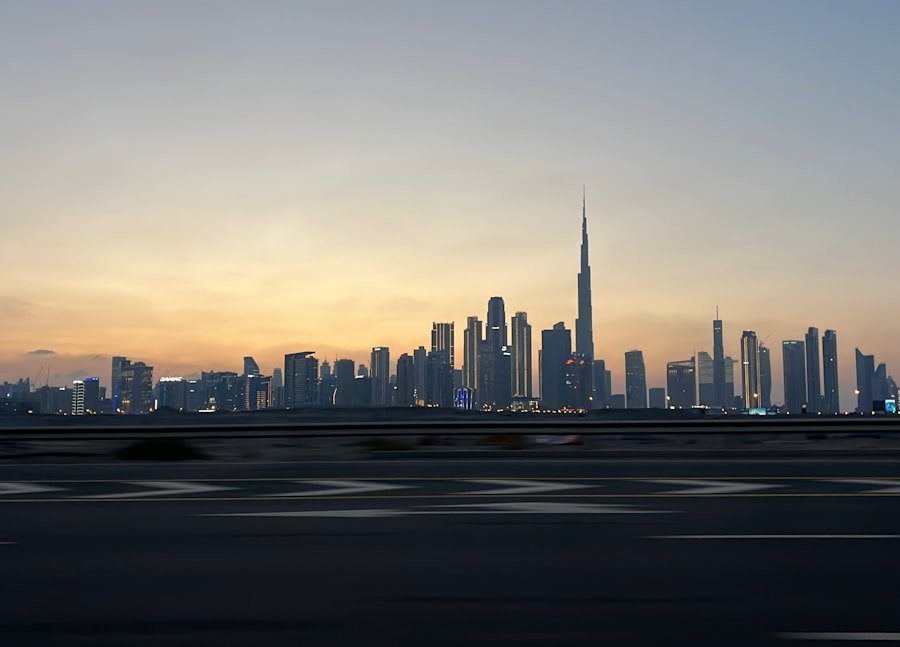
On the second day, it’s time to shift gears and explore the modern marvels that define Dubai’s skyline. The Burj Khalifa, standing at an astonishing 828 meters, is an iconic symbol of the city and a testament to human ingenuity. A visit to the observation deck on the 148th floor offers breathtaking panoramic views of Dubai’s sprawling landscape.
On a clear day, one can see as far as the Arabian Gulf and beyond. The experience is enhanced by interactive displays that provide insights into the construction and design of this architectural wonder. Following the Burj Khalifa, a visit to The Dubai Mall is essential for any traveler seeking a taste of luxury shopping and entertainment.
Spanning over 1.1 million square meters, it is one of the largest shopping malls in the world, housing more than 1,200 retail outlets, numerous dining options, and attractions such as an indoor ice rink and an aquarium. The mall’s centerpiece is the mesmerizing Dubai Fountain, which performs daily shows choreographed to music and lights. As evening falls, watching the fountain dance against the backdrop of the Burj Khalifa is an unforgettable experience that encapsulates the essence of modern Dubai.
Day 3: Desert Safari and Arabian Adventures
No trip to Dubai would be complete without experiencing its stunning desert landscape. Day three is dedicated to an exhilarating desert safari that showcases the natural beauty of the Arabian Desert. Tour operators offer various packages that typically include dune bashing in a 4×4 vehicle, camel rides, and sandboarding.
The thrill of racing over golden dunes is exhilarating, providing an adrenaline rush that contrasts sharply with the serene desert surroundings. As the sun begins to set, travelers are often taken to a traditional Bedouin camp where they can immerse themselves in Arabian culture. Guests are welcomed with Arabic coffee and dates before enjoying a sumptuous buffet dinner featuring local delicacies such as grilled meats and falafel.
The evening entertainment includes traditional dance performances like belly dancing and Tanoura shows, which captivate audiences with their vibrant costumes and rhythmic movements. This blend of adventure and cultural immersion creates lasting memories that highlight the enchanting allure of Dubai’s desert.
Day 4: Shopping and Dining in Dubai
Day four focuses on indulging in Dubai’s renowned shopping and dining experiences. The city boasts an impressive array of shopping destinations beyond The Dubai Mall. For those seeking a more traditional experience, visiting Souk Madinat Jumeirah is highly recommended.
This modern take on a traditional marketplace features winding waterways and stunning views of the Burj Al Arab. Visitors can browse through boutique shops selling handcrafted goods while enjoying a leisurely stroll through this picturesque setting. When it comes to dining, Dubai offers an eclectic mix of culinary options that reflect its multicultural population.
From street food stalls serving shawarma to Michelin-starred restaurants helmed by world-renowned chefs, there is something for every palate. A visit to Zuma or Nobu provides an opportunity to savor exquisite Japanese cuisine in a chic atmosphere. Alternatively, for those looking for authentic Emirati flavors, Al Fanar Restaurant offers traditional dishes such as machboos (spiced rice with meat) in a setting reminiscent of old Dubai.
The culinary journey through Dubai is as diverse as its people, making each meal an exploration of flavors.
Day 6: Cultural and Historical Experiences
As travelers approach their final days in Dubai, it’s essential to delve deeper into its cultural and historical experiences. Day six can be dedicated to visiting some of the city’s most significant cultural institutions. The Sheikh Mohammed Centre for Cultural Understanding offers guided tours that promote awareness and appreciation of Emirati culture.
Participants can engage in discussions about local customs and traditions while enjoying traditional meals prepared by Emirati hosts. Another noteworthy destination is the Etihad Museum, which chronicles the history of the United Arab Emirates from its formation in 1971 to present day. Through interactive exhibits and multimedia presentations, visitors gain insight into the nation’s journey towards unity and development.
The museum’s architecture itself is striking; designed to resemble a manuscript open to pages that symbolize the UAE’s history. This day serves as a reminder that beneath its modern façade lies a rich tapestry of culture waiting to be explored.
Day 7: Relaxation and Farewell to Dubai
The final day in Dubai should be dedicated to relaxation and reflection on an unforgettable week spent exploring this dynamic city. A visit to one of Dubai’s luxurious beach resorts provides an ideal setting for unwinding before departure. Jumeirah Beach offers pristine sands and crystal-clear waters against a backdrop of iconic landmarks like the Burj Al Arab.
Visitors can lounge under sun umbrellas or partake in water sports such as paddleboarding or jet skiing. As evening approaches, indulging in a farewell dinner at one of Dubai’s rooftop restaurants allows travelers to soak in breathtaking views while savoring exquisite cuisine one last time. Restaurants like At.mosphere in Burj Khalifa or Pierchic at Al Qasr offer not only delectable dishes but also stunning vistas that encapsulate the essence of Dubai’s skyline at night.
This final evening serves as a perfect conclusion to a week filled with adventure, culture, and luxury—a fitting farewell to a city that leaves an indelible mark on all who visit. In summary, each day spent in Dubai unveils new experiences that highlight both its rich heritage and modern advancements. From exploring Old Dubai’s historical sites to indulging in contemporary luxuries, every moment contributes to a deeper understanding of this remarkable city.
Whether it’s through cultural immersion or thrilling adventures in the desert, visitors leave with memories that will last a lifetime—an invitation to return to this extraordinary destination time and again.
If you’re looking for a break from the hustle and bustle of Dubai, consider exploring the delightful world of Asian melon during your trip. This refreshing fruit is not only delicious but also packed with nutrients. Check out this article for more information on how to incorporate this exotic fruit into your diet.
FAQs
What is a 7-day Dubai itinerary?
A 7-day Dubai itinerary is a travel plan that outlines activities, attractions, and experiences to enjoy in Dubai over the course of one week.
What are some popular attractions to include in a 7-day Dubai itinerary?
Popular attractions to include in a 7-day Dubai itinerary may include Burj Khalifa, Dubai Mall, Dubai Fountain, Palm Jumeirah, Jumeirah Beach, Dubai Marina, Desert Safari, and Dubai Creek.
What are some recommended activities to do in Dubai over a 7-day itinerary?
Recommended activities to do in Dubai over a 7-day itinerary may include visiting cultural sites like the Dubai Museum and Al Fahidi Historic District, enjoying water sports at the beaches, exploring the traditional souks, and experiencing the city’s vibrant nightlife.
What are some dining options to consider in a 7-day Dubai itinerary?
Dining options to consider in a 7-day Dubai itinerary may include trying local Emirati cuisine, indulging in international fine dining at luxury hotels, and experiencing the diverse culinary scene in Dubai’s restaurants and cafes.
Is it necessary to book tours and activities in advance for a 7-day Dubai itinerary?
It is recommended to book tours and activities in advance for a 7-day Dubai itinerary, especially for popular attractions and experiences, to secure availability and potentially save on costs.
What is the best time of year to visit Dubai for a 7-day itinerary?
The best time of year to visit Dubai for a 7-day itinerary is during the winter months (November to March) when the weather is milder and more suitable for outdoor activities and sightseeing.

Leave a Reply