Dubai combines historic creekside neighbourhoods, modern skyscrapers, beaches, desert landscapes, shopping, dining, and Emirati culture within one city. A well-planned week gives you enough time to experience both Old Dubai and its newer districts without trying to cross the city repeatedly in a single day. This 7-day Dubai itinerary groups nearby attractions together and leaves room for sightseeing, food, culture, and relaxation.
Quick Answer
A balanced 7-day Dubai itinerary should include Old Dubai and the Creek, Burj Khalifa and Dubai Mall, a desert safari, shopping and Emirati dining, Palm Jumeirah and Dubai Marina, museums and cultural experiences, then a final beach day. Book major timed attractions before your trip and group nearby areas together.
Key Takeaways
- Start with Old Dubai, Al Fahidi, Dubai Creek, and the traditional souks to understand the city’s trading and cultural roots.
- Reserve a separate day for Downtown Dubai, including Burj Khalifa, Dubai Mall, and the Dubai Fountain.
- Choose a reputable desert-safari package and confirm exactly which activities, meals, and entertainment are included.
- Use Day 5 for Palm Jumeirah, Dubai Marina, JBR, and an optional evening waterfront experience.
- Leave time for Emirati culture, museums, food, beaches, and a slower final day instead of filling every hour with attractions.
Plan Before You Go
A little preparation makes a one-week Dubai trip much easier. Visa requirements depend on your passport, so check the official Visit Dubai visa guide before booking non-refundable travel.
Dubai is sunny throughout the year, but outdoor sightseeing is generally more comfortable during the cooler months. Visit Dubai’s current guidance shows much higher average temperatures in summer than winter, so if you visit during the hottest months, schedule outdoor stops early in the morning or later in the evening and use the middle of the day for malls, museums, restaurants, or hotel time.
You do not need to rent a car for this itinerary. Dubai Metro, Dubai Tram, buses, abras, taxis, and ride-hailing services cover most of the main visitor areas. A nol card can be used across several RTA transport services. Current Silver nol fares are AED 3 for travel within one zone, AED 5 across two adjacent zones, and AED 7.50 when travelling through more than two zones, according to the Dubai Roads and Transport Authority.
Pro Tip: Reserve Burj Khalifa, your desert safari, and any Sheikh Mohammed Centre for Cultural Understanding program before arrival. These experiences use timed entry or scheduled programs, while beaches, souks, and many neighbourhood walks are easier to keep flexible.
Day 1: Exploring Old Dubai
Spend your first day in the historical heart of the city. Dubai developed from a fishing and pearling settlement into a major trading centre, and the areas around Dubai Creek remain some of the best places to see that older side of the city.
Walk Through Al Fahidi Historical Neighbourhood
Begin in Al Fahidi Historical Neighbourhood, often associated with the name Bastakiya. Its narrow lanes, courtyards, wind-tower architecture, galleries, cultural spaces, and cafes create a strong contrast with Dubai’s modern skyline.
Al Fahidi Fort is the historic home of Dubai Museum and remains an important heritage landmark. Because museum access and restoration arrangements can change, check the current official Al Fahidi Fort listing before planning your day around an interior visit. If you want a larger museum experience focused on Dubai’s development and maritime heritage, Al Shindagha Museum is another strong option nearby.
Cross Dubai Creek by Abra
Continue toward Dubai Creek, the natural harbour that helped Dubai grow through fishing, pearling, and trade. One of the most memorable ways to cross between Bur Dubai and Deira is a traditional motorized abra. The Dubai RTA marine transport page lists the traditional Creek routes and current fare information.
After crossing, explore the Gold Souk and Spice Souk. You will find jewellery, spices, perfumes, textiles, and other goods packed into busy market streets. Bargaining can be part of the shopping experience, but compare prices first and keep your tone friendly.
Day 2: Visiting the Modern Landmarks
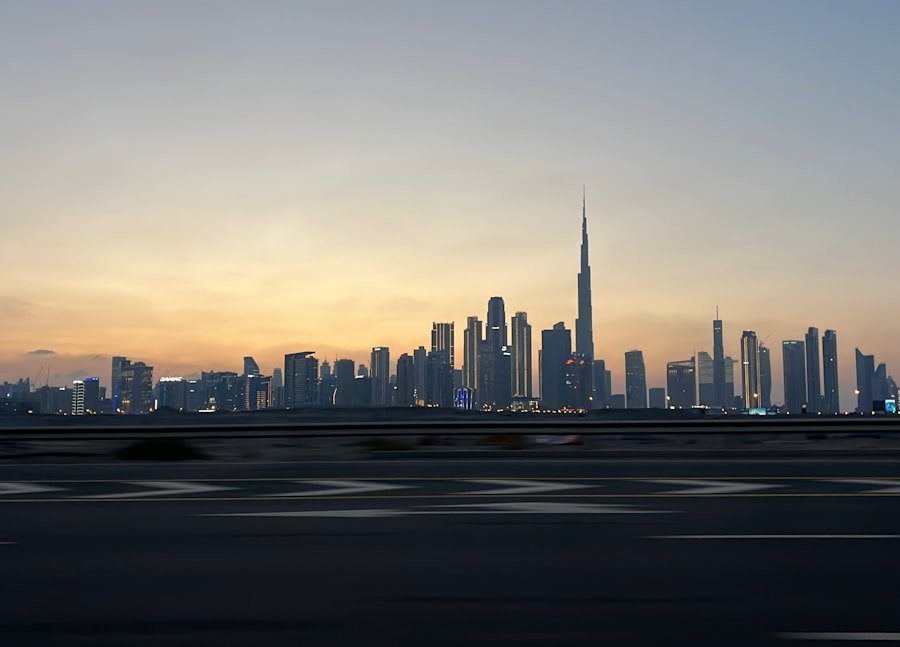
Day two shifts from historic Dubai to Downtown Dubai, where several major attractions sit close enough together to visit without wasting much time in traffic.
Visit Burj Khalifa
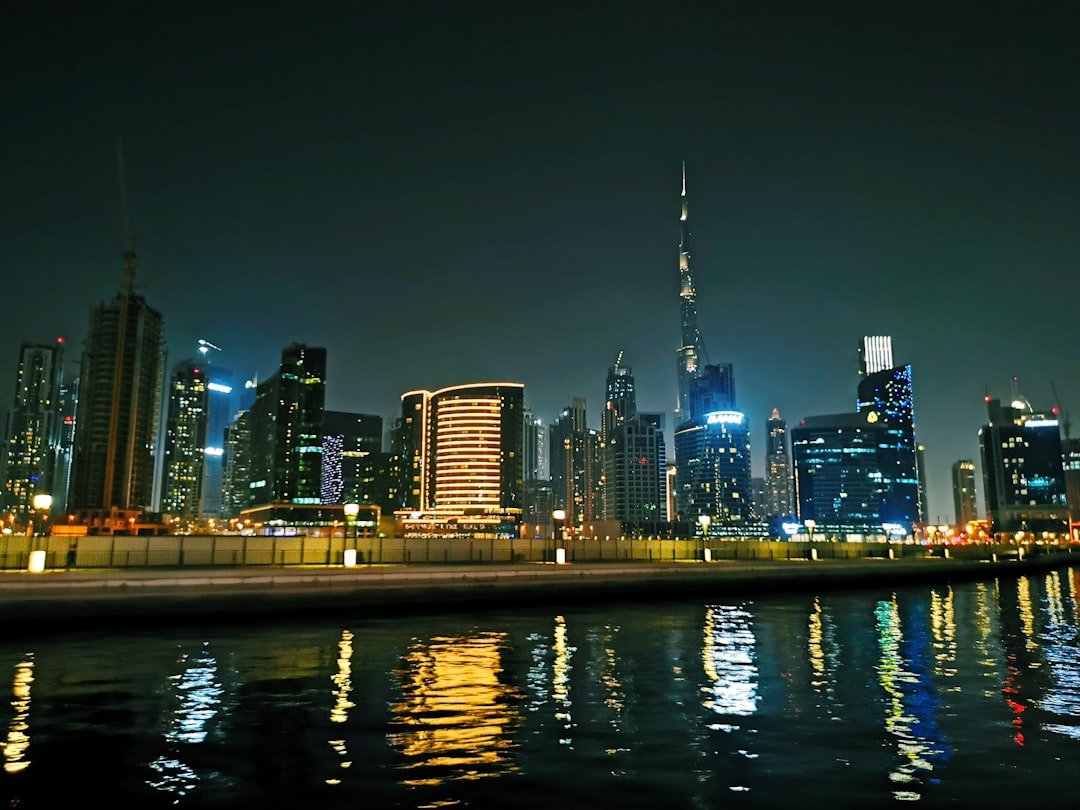
Burj Khalifa rises 828 metres above Dubai and remains the world’s tallest building. Standard At The Top experiences generally use Levels 124 and 125, while access to Level 148 is part of the higher-tier SKY experience. Check the official At The Top page before buying because ticket types, prices, and entry times can change.
Sunset is popular because you can see the city in daylight and watch it transition into evening, but those time slots can also be more expensive and crowded. Morning or later-evening tickets can be easier if your priority is simply the view.
Explore Dubai Mall
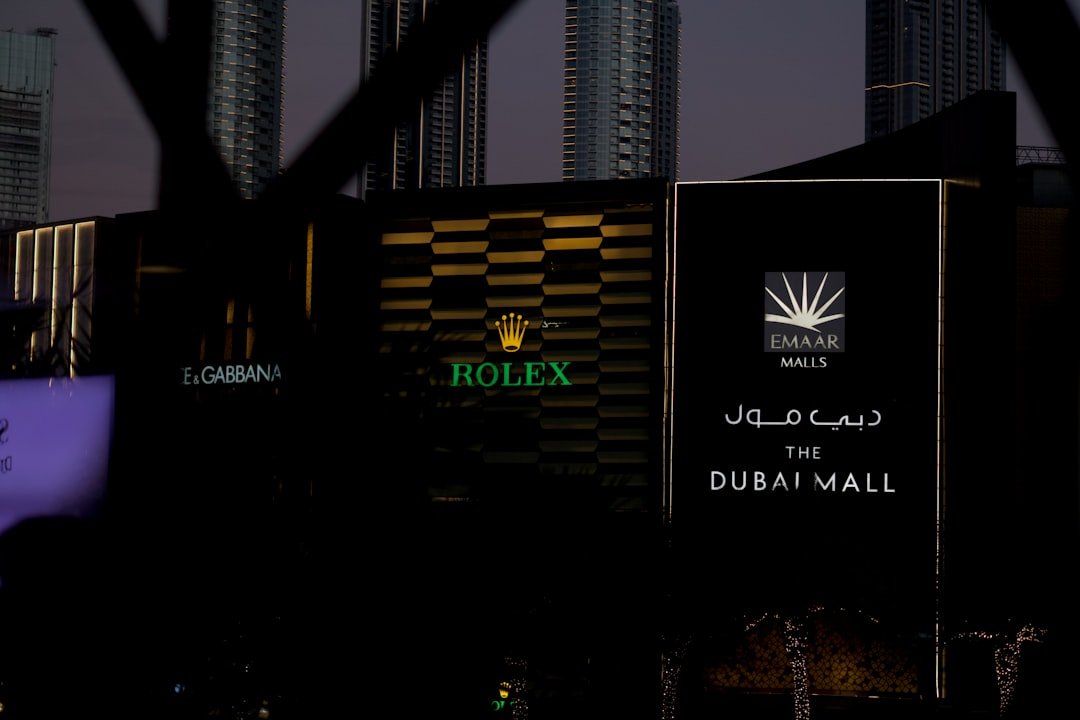
After Burj Khalifa, spend time inside Dubai Mall. The official mall site lists more than 1,200 retail outlets as well as extensive dining and entertainment options. Attractions include Dubai Aquarium and Underwater Zoo and an Olympic-sized indoor ice rink.
You do not need to spend the entire afternoon shopping. Pick one or two indoor attractions, have a meal, and allow time to return outside for the Dubai Fountain.
Watch the Dubai Fountain
The Dubai Fountain is located beside Dubai Mall and Burj Khalifa. According to the current Dubai Mall schedule, evening performances run every 30 minutes from 6:00 PM to 11:30 PM. Schedules can change for maintenance, special events, or seasonal operations, so confirm the timing on the day of your visit.
Day 3: Desert Safari and Arabian Adventures
Use day three to experience the desert outside central Dubai. Desert-safari packages range from shorter morning trips to longer afternoon-and-evening programs.
Choose the Right Desert Safari
Many packages offer activities such as 4×4 dune driving, camel experiences, sandboarding, sunset stops, dinner, and camp entertainment. However, inclusions vary significantly between operators. Do not assume every package includes the same activities or the same level of service.
Warning: Dune driving can be a rough, high-motion activity. Follow the operator’s safety instructions, use the available restraints, and choose a gentler desert package if you do not want a high-intensity ride.
An evening safari usually gives you a good combination of desert scenery and cooler temperatures. After the dune activities, many tours continue to a camp for Arabic coffee, dates, a buffet meal, and entertainment. Traditional performances may include Tanoura or other live shows, but the exact program depends on the operator and the date.
Confirm pickup location, pickup window, meal inclusions, seating type, cancellation rules, and whether activities such as camel riding or sandboarding cost extra before paying.
Day 4: Shopping and Dining in Dubai
Day four gives you a slower pace after the desert. Dubai’s shopping scene ranges from traditional markets to luxury malls and modern souk-style developments.
Visit Souk Madinat Jumeirah
Souk Madinat Jumeirah combines traditional-inspired architecture with shops, restaurants, waterways, and views toward Burj Al Arab. It is much more polished than the older Deira souks, but it works well for browsing, photos, coffee, or a relaxed meal.
Explore Dubai’s Food Scene
Dubai’s dining options reflect its multicultural population. You can eat inexpensive shawarma and South Asian dishes, try Emirati food, or reserve high-end international restaurants.
For contemporary Japanese dining, Zuma remains open in DIFC, while Nobu Dubai is currently located at Atlantis, The Palm on Palm Jumeirah. Both are premium choices, so reservations are sensible. If you want Emirati flavours, Al Fanar Restaurant & Cafe serves traditional dishes such as machboos and has several Dubai locations.
Do not limit yourself to fine dining. A useful food day might combine a simple local breakfast, casual lunch, coffee or dessert, and one planned dinner rather than three expensive restaurant reservations.
Day 5: Palm Jumeirah, Dubai Marina, and JBR
Day five fills the major gap in the original itinerary and focuses on Dubai’s coastal districts. Palm Jumeirah, Dubai Marina, and JBR fit naturally together because they are in the same general part of the city.
Start on Palm Jumeirah
Palm Jumeirah is Dubai’s famous palm-shaped man-made island. You can ride the Palm Monorail for an elevated view along the island or simply visit one of its public-facing attractions, restaurants, and waterfront areas.
If you want a panoramic viewpoint, The View at The Palm offers a 360-degree observation experience overlooking the Palm and surrounding coastline. This is optional if you already visited Burj Khalifa and do not want to pay for a second observation deck.
Continue to Dubai Marina
Later, move to Dubai Marina for a waterfront walk among towers, restaurants, cafes, and yachts. The district is especially pleasant from late afternoon into the evening when the temperature is lower and the skyline lights begin to appear.
Finish at JBR or the Beach
Spend the final part of the day around JBR and the nearby beachfront. Depending on your interests, you can swim, walk along the promenade, eat by the water, or stay into the evening for Dubai’s nightlife.
Note: Palm Jumeirah, Dubai Marina, and JBR can all become busy in the evening. Allow extra travel time if you have a timed dinner, cruise, or attraction reservation.
Day 6: Cultural and Historical Experiences
After several days of major attractions, return to Dubai’s cultural story. Day six is a good time to learn more about Emirati traditions and the formation of the United Arab Emirates.
Book a Cultural Experience at SMCCU
The Sheikh Mohammed bin Rashid Al Maktoum Centre for Cultural Understanding offers Emirati cultural programs in the Al Fahidi area. Current programs include heritage experiences and cultural meals hosted by Emirati presenters. The Centre states that booking is required for its cultural meals, so reserve a place rather than arriving without a plan.
The programs encourage open discussion about Emirati culture, food, religion, clothing, traditions, and everyday life. Check the official SMCCU website for the current schedule.
Visit Etihad Museum
Etihad Museum focuses on the formation of the United Arab Emirates. The UAE was formally established on December 2, 1971, initially with six emirates; Ras Al Khaimah joined the federation in 1972. The museum uses exhibitions, documents, photographs, and multimedia to explain the political and historical story of the union.
Consider Al Shindagha Museum
If you want additional Dubai-specific history, Al Shindagha Museum is spread across historic houses in the Al Shindagha neighbourhood. Its pavilions explore Dubai Creek, maritime life, traditional crafts, perfume, family life, trade, and other parts of local heritage.
You do not need to visit every museum in one day. Choose Etihad Museum if the formation of the UAE interests you most, Al Shindagha Museum for deeper Dubai heritage, or SMCCU if you prefer a more conversational cultural experience.
Day 7: Relaxation and Farewell to Dubai
Your final day should be lighter so you are not rushing immediately before a flight. Spend the morning or early afternoon at a beach, hotel pool, spa, cafe, or neighbourhood you wanted to revisit.
Relax at Jumeirah Beach
Jumeirah’s coastline gives you a final chance to enjoy Dubai’s beach side. You can swim, relax on the sand, walk along the waterfront, or choose a water activity if conditions are suitable.
Plan a Farewell Dinner Carefully
A rooftop or waterfront dinner is a good way to finish the week, but check current venue status before making plans. The original itinerary suggested At.mosphere in Burj Khalifa and Pierchic at Jumeirah Al Qasr. As of September 2026, the official Burj Khalifa dining page lists At.mosphere as temporarily closed for renovation, while Jumeirah also lists Pierchic as temporarily closed. Confirm that either venue has reopened before building your final evening around it.
If they remain closed, choose another currently bookable rooftop, Downtown Dubai, Madinat Jumeirah, Marina, Palm Jumeirah, or waterfront restaurant that fits your budget and departure schedule.
By the end of the week, you will have experienced the historical lanes and trading areas of Old Dubai, Downtown Dubai’s modern landmarks, the desert, shopping and dining, Palm Jumeirah, Dubai Marina, Emirati cultural experiences, and the city’s beaches. The mix gives you a much broader picture of Dubai than spending the entire trip only in malls or resort areas.
Optional reading: If you’re looking for a break from the hustle and bustle of Dubai, consider exploring the delightful world of Asian melon during your trip. This refreshing fruit is not only delicious but also packed with nutrients. Check out this article for more information on how to incorporate this exotic fruit into your diet.
Frequently Asked Questions
What is a 7-day Dubai itinerary?
A 7-day Dubai itinerary is a one-week travel plan that organizes the city’s main attractions, neighbourhoods, cultural experiences, food, desert activities, beaches, and relaxation time into a practical daily schedule.
What are some popular attractions to include in a 7-day Dubai itinerary?
Popular choices include Burj Khalifa, Dubai Mall, Dubai Fountain, Al Fahidi, Dubai Creek, the Gold and Spice Souks, Palm Jumeirah, Dubai Marina, JBR, a desert safari, museums, and one of Dubai’s beaches.
What are some recommended activities to do in Dubai over a 7-day itinerary?
A balanced week can include an abra ride across Dubai Creek, souk shopping, Burj Khalifa views, a desert safari, beach time, Palm Jumeirah, a Dubai Marina walk, Emirati food, cultural programs, museums, and an evening waterfront experience.
What are some dining options to consider in a 7-day Dubai itinerary?
Mix casual local meals with one or two special reservations. Try Emirati dishes such as machboos, inexpensive shawarma and regional food, international restaurants, and a waterfront or skyline-view dinner if it fits your budget.
Is it necessary to book tours and activities in advance for a 7-day Dubai itinerary?
Book major timed experiences in advance, especially Burj Khalifa, desert safaris, SMCCU programs, popular restaurants, and any special cruise or attraction with limited entry slots. Beaches, souks, neighbourhood walks, and many malls can usually remain flexible.
What is the best time of year to visit Dubai for a 7-day itinerary?
November through March is generally the easiest period for outdoor sightseeing because temperatures are milder. Dubai can still be visited during summer, but plan outdoor activities for early morning or evening and use air-conditioned attractions during the hottest hours.
Do I need to rent a car for seven days in Dubai?
No. Most visitors can combine Metro, Tram, buses, abras, taxis, and ride-hailing services. A rental car may be convenient for some trips, but it is not required for the itinerary above.
What should I book first for a one-week Dubai trip?
After flights and accommodation, prioritize Burj Khalifa if you want a specific sunset slot, your desert safari, scheduled cultural programs, and any restaurant or experience that is important to the trip. Leave flexible attractions for later.
Sources
- Visit Dubai — Plan Your Trip — official visa, transport, weather, safety, accessibility, and travel-planning guidance.
- Visit Dubai — Weather in Dubai — seasonal climate and trip-planning information.
- Emaar — At The Top, Burj Khalifa — official observation-deck levels, access, timings, and ticket information.
- Dubai Mall — Dubai Fountain — official current fountain schedule.
- Dubai Roads and Transport Authority — nol Fares — current Dubai public-transport fare structure.
- Sheikh Mohammed bin Rashid Al Maktoum Centre for Cultural Understanding — official cultural programs, heritage experiences, and booking information.