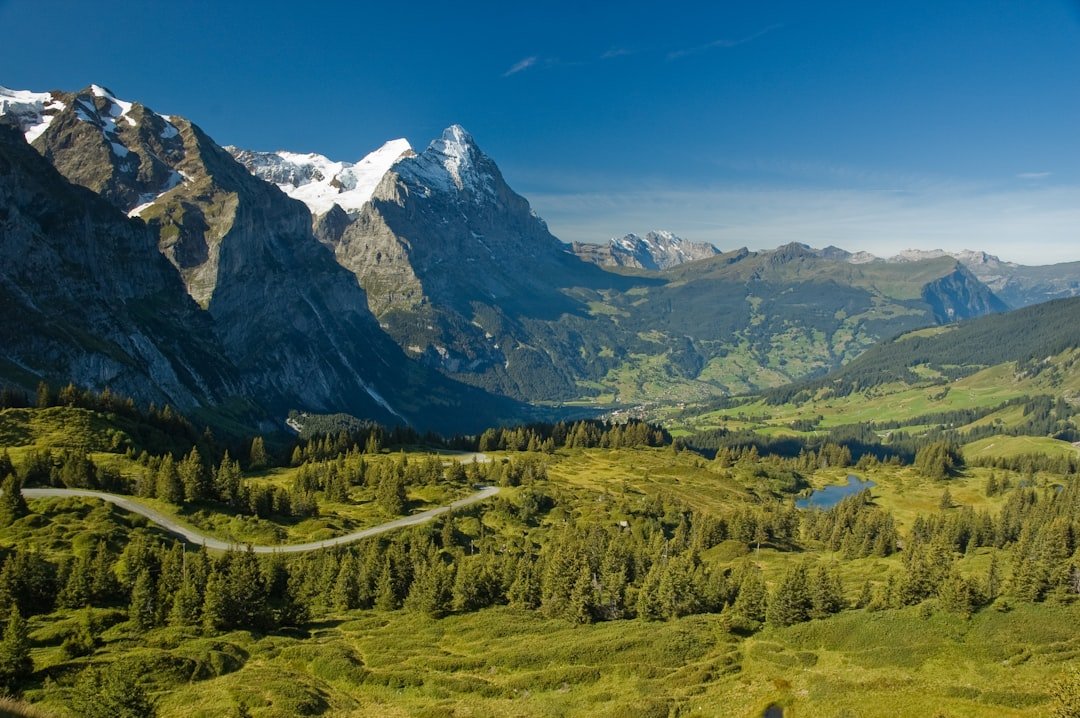
Nestled in the heart of the Swiss Alps, Jungfrau is a breathtaking region that captivates visitors with its stunning landscapes, rich cultural heritage, and a plethora of outdoor activities. The name “Jungfrau,” which translates to “Maiden” in German, refers to one of the most iconic peaks in the Bernese Alps, standing majestically at 4,158 meters (13,642 feet). This area is not only renowned for its dramatic mountain scenery but also for its accessibility and the variety of experiences it offers to travelers.
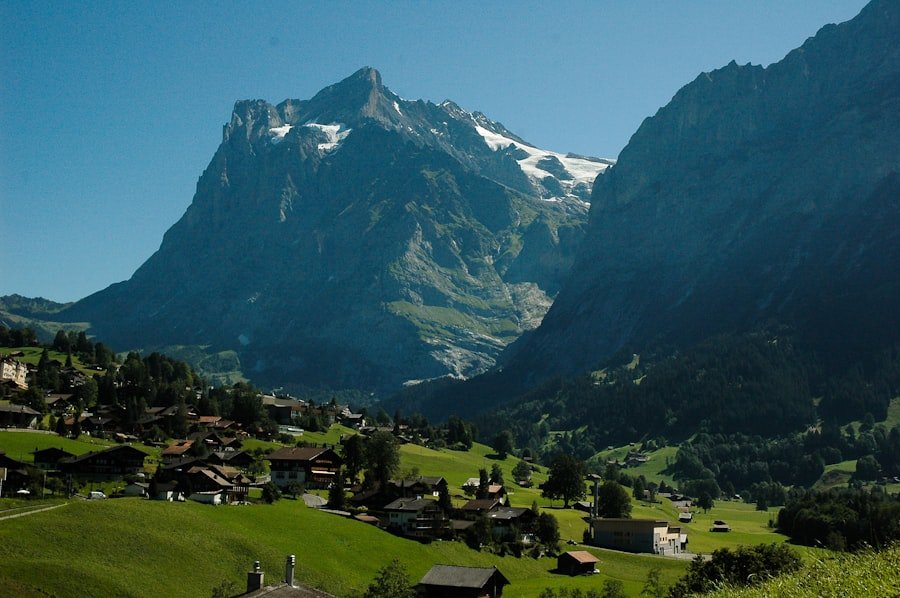
The Jungfrau region is part of the larger UNESCO World Heritage Site known as the Swiss Alps Jungfrau-Aletsch, which highlights its ecological significance and natural beauty. The allure of Jungfrau extends beyond its towering peaks; it is a hub for adventure seekers, nature lovers, and those looking to immerse themselves in Swiss culture. The region is characterized by picturesque villages such as Grindelwald, Lauterbrunnen, and Wengen, each offering unique charm and hospitality.
Visitors are drawn to the area not only for its visual splendor but also for the opportunity to engage in a range of activities throughout the year, from skiing and hiking to exploring quaint local shops and enjoying traditional Swiss cuisine. The combination of natural beauty and cultural richness makes Jungfrau a must-visit destination for anyone traveling to Switzerland.
Key Takeaways
- Jungfrau is a stunning region in the Swiss Alps known for its breathtaking mountain views and outdoor activities.
- The most popular way to reach Jungfrau is by taking a scenic train ride from Interlaken to the Jungfraujoch, the highest railway station in Europe.
- Top attractions in Jungfrau include the Aletsch Glacier, the Sphinx Observatory, and the Ice Palace.
- Outdoor activities in Jungfrau range from hiking and skiing to paragliding and snowboarding, offering something for every adventure seeker.
- Visitors to Jungfrau can choose from a variety of accommodations, including luxury hotels, cozy chalets, and mountain huts with stunning views.
Getting to Jungfrau
Reaching Jungfrau is an adventure in itself, as the journey often involves traversing some of the most scenic routes in Switzerland. The most common starting point for travelers is Interlaken, a charming town situated between Lake Thun and Lake Brienz. From Interlaken, visitors can take the scenic train ride on the Bernese Oberland Railway, which winds through lush valleys and offers stunning views of the surrounding mountains.
The train journey to Lauterbrunnen takes approximately 20 minutes, where travelers can then transfer to a cogwheel train that ascends towards Jungfraujoch, known as the “Top of Europe.” The cogwheel train ride is an experience that should not be missed. As it climbs higher into the mountains, passengers are treated to panoramic views of glaciers, waterfalls, and alpine meadows. The final leg of the journey culminates at Jungfraujoch station, which is the highest railway station in Europe at an elevation of 3,454 meters (11,332 feet).
This remarkable feat of engineering allows visitors to step directly into a winter wonderland, regardless of the season. For those who prefer a more adventurous approach, hiking trails lead from various points in the region to Jungfrau, providing an opportunity to experience the alpine environment up close.
Top Attractions in Jungfrau
One of the most iconic attractions in Jungfrau is the Aletsch Glacier, which is the largest glacier in the Alps and a UNESCO World Heritage site. Stretching over 23 kilometers (14 miles), this massive ice formation is a stunning sight that draws visitors from around the globe. The glacier can be accessed via several viewpoints along hiking trails or from the observation deck at Jungfraujoch.
Here, visitors can witness the breathtaking expanse of ice and snow while learning about its significance in terms of climate change and glacial studies. Another must-see attraction is the Ice Palace at Jungfraujoch. This unique underground attraction features intricate ice sculptures and tunnels carved directly into the glacier.
As visitors wander through this frozen wonderland, they can marvel at artistic displays that showcase both natural and man-made creations. The Ice Palace provides an immersive experience that highlights the beauty and fragility of glacial environments. Additionally, the Sphinx Observatory offers an unparalleled vantage point for viewing the surrounding peaks and valleys, making it a popular spot for photography enthusiasts.
Outdoor Activities in Jungfrau
| Activity | Number of Participants | Duration |
|---|---|---|
| Hiking | 500 | 3 hours |
| Skiing | 300 | Full day |
| Snowboarding | 200 | Full day |
| Paragliding | 100 | 1 hour |
The Jungfrau region is a paradise for outdoor enthusiasts, offering a diverse range of activities throughout the year. In winter, skiing and snowboarding take center stage, with numerous ski resorts catering to all skill levels. Grindelwald and Wengen are particularly popular for their well-groomed slopes and stunning alpine scenery.
The interconnected ski areas provide access to over 200 kilometers (124 miles) of pistes, ensuring that both beginners and advanced skiers can find their perfect run. During the summer months, hiking becomes a favored pastime as trails wind through lush meadows dotted with wildflowers and offer breathtaking views of towering peaks. One of the most famous hikes is the Eiger Trail, which runs along the foot of the Eiger North Face and provides stunning views of this legendary mountain.
For those seeking a more leisurely experience, there are numerous walking paths suitable for families and casual walkers. Additionally, paragliding has gained popularity in recent years, allowing thrill-seekers to soar above the stunning landscapes while taking in panoramic views from above.
Where to Stay in Jungfrau
Accommodations in Jungfrau range from luxurious hotels to cozy chalets, catering to various preferences and budgets. In Grindelwald, visitors can find upscale hotels that offer spa services and gourmet dining options while providing stunning views of the Eiger mountain range. The Hotel Belvedere Grindelwald is one such establishment that combines comfort with elegance, featuring spacious rooms with balconies overlooking the mountains.
For those seeking a more traditional Swiss experience, staying in a chalet can be an excellent choice. Many chalets are available for rent in Lauterbrunnen and Wengen, providing a homey atmosphere with easy access to hiking trails and ski lifts. These charming wooden structures often come equipped with modern amenities while retaining their rustic charm.
Additionally, hostels and guesthouses are available for budget-conscious travelers looking for affordable yet comfortable lodging options.
Dining and Cuisine in Jungfrau
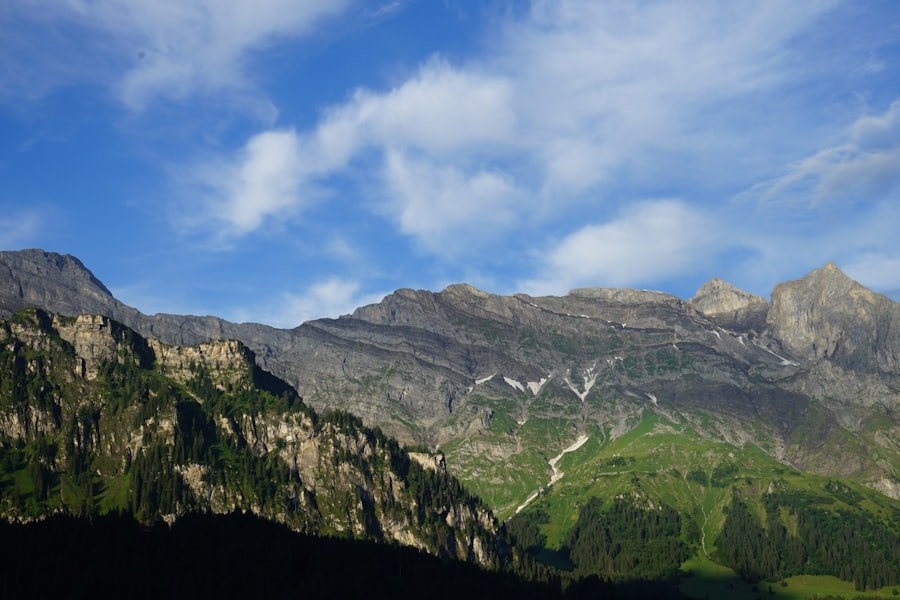
The culinary scene in Jungfrau reflects Switzerland’s rich gastronomic heritage, with an emphasis on fresh local ingredients and traditional recipes. Visitors can indulge in classic Swiss dishes such as fondue and raclette, both of which are perfect for sharing after a day spent exploring the mountains. Fondue consists of melted cheese served in a communal pot where diners dip pieces of bread using long forks—a social dining experience that embodies Swiss culture.
In addition to cheese dishes, travelers can savor hearty alpine fare such as rösti (a potato dish similar to hash browns) and Zürcher Geschnetzeltes (sliced veal in cream sauce). Many restaurants in the region pride themselves on sourcing ingredients from local farms, ensuring that meals are not only delicious but also sustainable. For those with a sweet tooth, sampling Swiss chocolate is a must; numerous chocolatiers in towns like Interlaken offer tastings and workshops where visitors can learn about chocolate-making techniques.
Cultural Experiences in Jungfrau
The cultural richness of Jungfrau extends beyond its natural beauty; it is also home to a vibrant tapestry of traditions and customs that reflect Swiss heritage. Throughout the year, various festivals celebrate local culture, including traditional music performances and folk dances. One notable event is the annual cow parades in autumn when herders bring their cattle down from high pastures adorned with flowers and bells—a spectacle that showcases Switzerland’s agricultural roots.
Visitors can also explore local museums that delve into the history and culture of the region. The Grindelwald Museum offers insights into the village’s development as a tourist destination while showcasing artifacts from its past. Additionally, guided tours led by local experts provide opportunities to learn about traditional crafts such as wood carving or watch artisans at work in their studios.
Engaging with locals through these cultural experiences allows visitors to gain a deeper understanding of life in this enchanting alpine region.
Tips for Exploring Jungfrau
When planning a trip to Jungfrau, it’s essential to consider factors such as weather conditions and travel logistics to make the most of your experience. The best time to visit largely depends on your interests; winter months are ideal for skiing enthusiasts while summer offers excellent hiking opportunities. Regardless of when you visit, layering clothing is advisable due to rapidly changing weather conditions at high altitudes.
Purchasing a Swiss Travel Pass can be beneficial for those planning extensive travel within Switzerland; this pass provides unlimited access to trains, buses, and boats across the country. Additionally, early morning departures are recommended for popular attractions like Jungfraujoch to avoid crowds and enjoy a more serene experience at high altitudes. Lastly, don’t forget to stay hydrated and take breaks during outdoor activities—acclimatizing to higher elevations is crucial for enjoying all that this stunning region has to offer without compromising your health or safety.
If you’re planning a trip to the Jungfrau Region, known for its breathtaking landscapes and outdoor adventures, you might also be interested in exploring the culinary delights that can complement your travel experience. A related article that could enhance your journey is about the “Delicious Homemade Cottage Cheese: A Simple and Healthy Recipe.” This article provides a simple guide to making cottage cheese at home, which can be a delightful addition to your travel snacks or a perfect way to enjoy a taste of home while exploring the Swiss Alps. For more details, check out the article here.
FAQs
What is the Jungfrau Region?
The Jungfrau Region is a mountainous area in the Bernese Oberland region of the Swiss Alps. It is known for its stunning alpine scenery, including the Eiger, Mönch, and Jungfrau mountains.
What are the main attractions in the Jungfrau Region?
The main attractions in the Jungfrau Region include the Jungfraujoch, a high-altitude mountain pass known as the “Top of Europe,” the picturesque villages of Grindelwald, Wengen, and Lauterbrunnen, and the scenic mountain railway and cable car rides.
What outdoor activities are available in the Jungfrau Region?
The Jungfrau Region offers a wide range of outdoor activities, including hiking, mountain biking, paragliding, skiing, snowboarding, and snowshoeing. The region is also popular for its climbing and mountaineering opportunities.
What is the best time to visit the Jungfrau Region?
The best time to visit the Jungfrau Region is during the summer months (June to September) for hiking and outdoor activities, and during the winter months (December to March) for skiing and snow sports. The shoulder seasons of spring and autumn also offer beautiful scenery and fewer crowds.
How do I get to the Jungfrau Region?
The Jungfrau Region is easily accessible by train from major Swiss cities such as Zurich, Geneva, and Bern. The region is served by the Bernese Oberland Railway, and the towns of Interlaken, Grindelwald, and Lauterbrunnen are popular gateways to the area.