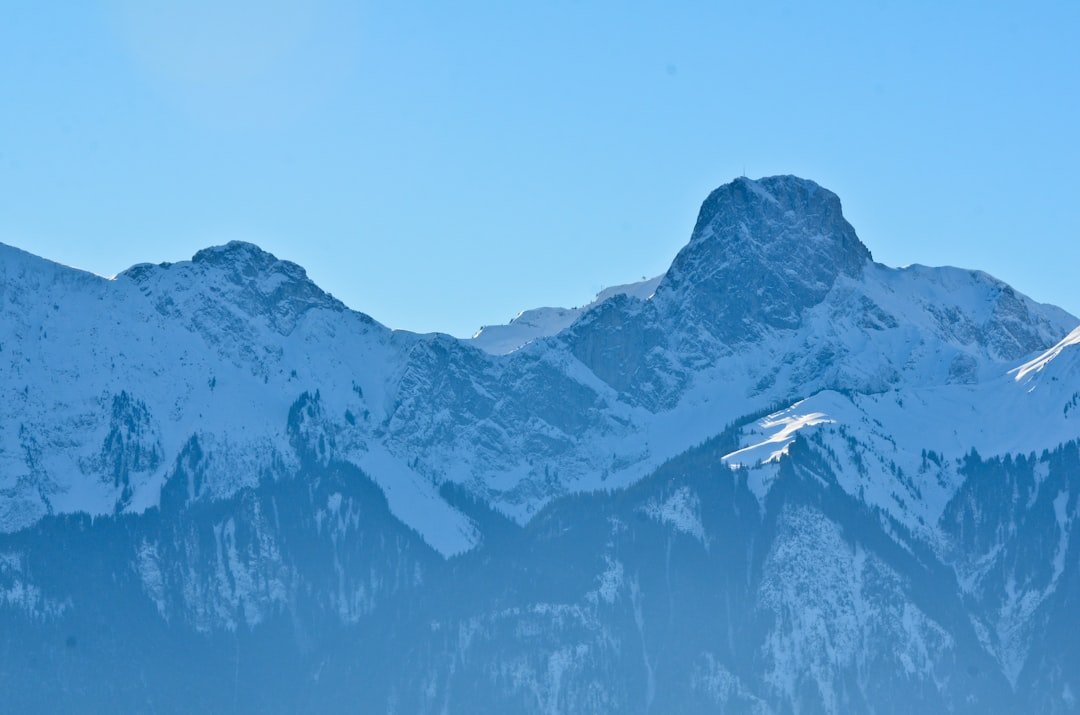
Nestled in the heart of the Swiss Alps, the Jungfrau region is a breathtaking expanse of natural beauty, characterized by its towering peaks, lush valleys, and pristine glaciers. The Jungfrau massif, which includes the iconic Eiger, Mönch, and Jungfrau mountains, is not only a UNESCO World Heritage site but also a magnet for outdoor enthusiasts and nature lovers from around the globe. The region’s dramatic landscapes are complemented by charming alpine villages, rich cultural heritage, and a plethora of recreational activities that cater to all ages and skill levels.
The Jungfrau region is accessible year-round, making it an ideal destination for both summer hiking and winter sports. The area is renowned for its stunning vistas, with panoramic views that stretch across the Alps and beyond. Visitors can explore the enchanting landscapes through a network of well-marked trails or take advantage of the extensive ski resorts that dot the region.
With its combination of natural wonders and adventure opportunities, Jungfrau offers an unforgettable experience for those seeking to immerse themselves in the beauty of the Swiss Alps.
Key Takeaways
- Jungfrau is a stunning region in the Swiss Alps, known for its majestic mountains, pristine lakes, and charming villages.
- Hiking in Jungfrau offers a variety of trails for all levels, with breathtaking views of the Eiger, Mönch, and Jungfrau peaks.
- Skiing in Jungfrau is a popular activity, with top-notch slopes and ski resorts like Wengen, Grindelwald, and Mürren.
- Don’t miss the scenic views in Jungfrau, including the Jungfraujoch, Schynige Platte, and the Aletsch Glacier.
- Jungfrau is home to diverse wildlife and nature, including ibex, chamois, marmots, and a wide variety of alpine flora.
Hiking in Jungfrau: Trails and Tips
Hiking in the Jungfrau region is a quintessential experience that allows visitors to connect with nature while enjoying some of the most spectacular scenery in Switzerland. The area boasts an extensive network of trails that cater to all levels of hikers, from leisurely strolls to challenging alpine treks. One of the most popular routes is the Eiger Trail, which runs along the foot of the Eiger North Face.
This trail offers breathtaking views of the towering rock face and surrounding peaks, making it a favorite among photography enthusiasts. The trail is approximately 6 kilometers long and can be completed in about two to three hours, depending on one’s pace. For those seeking a more challenging hike, the ascent to the Schilthorn summit is a must.
This trail takes hikers through lush meadows and rocky terrain, culminating in a panoramic view from the top that includes a 360-degree vista of the surrounding mountains. The hike is approximately 10 kilometers long and requires a good level of fitness, as it involves significant elevation gain. Along the way, hikers can enjoy the diverse flora and fauna of the region, including wildflowers and possibly even sightings of chamois or ibex.
It is advisable to check weather conditions before embarking on any hike, as mountain weather can change rapidly. When planning a hiking trip in Jungfrau, it is essential to equip oneself with proper gear. Sturdy hiking boots, weather-appropriate clothing, and plenty of water are crucial for a safe and enjoyable experience.
Additionally, carrying a map or using a GPS device can help navigate the trails effectively. For those unfamiliar with the area or looking for a more guided experience, joining a local hiking tour can provide valuable insights into the region’s history and ecology.
Skiing in Jungfrau: Slopes and Ski Resorts
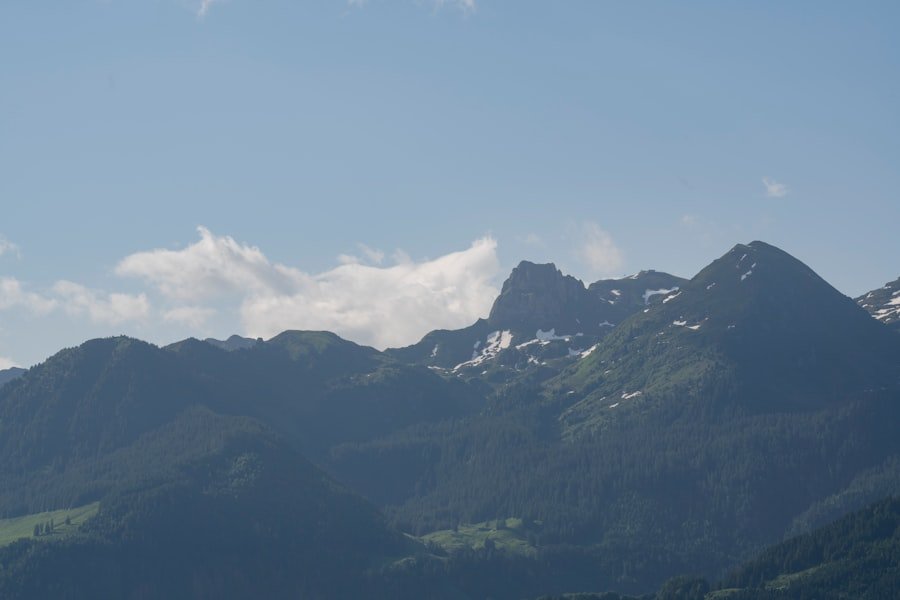
The Jungfrau region transforms into a winter wonderland when snow blankets its peaks, attracting skiers and snowboarders from around the world. With over 200 kilometers of ski slopes, Jungfrau offers a diverse range of terrain suitable for all skill levels. The ski resorts of Grindelwald, Wengen, and Mürren are among the most popular destinations for winter sports enthusiasts.
Each resort has its unique charm and offers access to different slopes and facilities. Grindelwald is known for its picturesque village atmosphere and extensive ski area that includes both beginner-friendly slopes and challenging runs for advanced skiers. The First ski area is particularly popular for its wide-open pistes and stunning views of the Eiger mountain.
For those looking for an adrenaline rush, Grindelwald also offers opportunities for off-piste skiing and snowboarding. The resort features modern lift systems that ensure quick access to the slopes, allowing skiers to maximize their time on the mountain. Wengen, perched on a sunny plateau above Lauterbrunnen Valley, is famous for its traditional Swiss charm and family-friendly skiing options.
The resort is part of the larger Jungfrau Ski Region, which connects Wengen with Grindelwald and Mürren via an extensive lift system. Wengen’s slopes are well-groomed and cater to all levels, making it an excellent choice for families or those new to skiing. The annual Lauberhorn race, one of the longest downhill races in the world, takes place here each January, drawing spectators from far and wide.
Mürren offers a more tranquil skiing experience with its car-free village atmosphere and breathtaking views of the surrounding peaks. The resort is known for its challenging runs and off-piste opportunities, making it a favorite among experienced skiers. The Schilthorn area provides access to some thrilling black runs as well as stunning panoramic views from its summit restaurant, Piz Gloria.
Skiing in Mürren allows visitors to enjoy not only exhilarating descents but also a unique sense of peace amidst the majestic alpine scenery.
Scenic Views in Jungfrau: Must-See Spots
| Location | Altitude | Accessibility | Highlights |
|---|---|---|---|
| Grindelwald-First | 2168m | Cable car from Grindelwald | Thrilling cliff walk, zip line |
| Maennlichen | 2343m | Cable car from Wengen or Grindelwald | Panoramic views of Eiger, Monch, and Jungfrau |
| Schynige Platte | 1967m | Rack railway from Wilderswil | Alpine garden, views of Lake Thun and Lake Brienz |
The Jungfrau region is replete with scenic viewpoints that showcase its stunning landscapes. One of the most iconic spots is the Jungfraujoch, often referred to as the “Top of Europe.” Accessible via a cogwheel train from Kleine Scheidegg, this high-altitude destination sits at an elevation of 3,454 meters above sea level. Visitors are treated to breathtaking views of the Aletsch Glacier—the largest glacier in the Alps—as well as panoramic vistas of surrounding peaks like the Eiger, Mönch, and Jungfrau itself.
The observation deck at Jungfraujoch provides an unparalleled opportunity to witness the majesty of these towering mountains. Another must-see viewpoint is Harder Kulm, which overlooks Interlaken and offers sweeping views of Lake Thun and Lake Brienz. A funicular ride takes visitors from Interlaken to Harder Kulm in just 10 minutes, where they can enjoy a restaurant and viewing platform that juts out over the edge of the mountain.
This vantage point is particularly stunning at sunset when the mountains are bathed in golden light. For those willing to venture off the beaten path, the viewpoint at First offers another spectacular perspective on the surrounding landscape. Located above Grindelwald, First can be reached by gondola lift followed by a short hike.
The area features several walking trails that lead to scenic overlooks where visitors can take in views of the Eiger North Face and surrounding valleys. The First Cliff Walk—a suspension bridge that extends out over a steep drop—adds an element of thrill to this already breathtaking experience.
Wildlife and Nature in Jungfrau
The Jungfrau region is not only known for its dramatic landscapes but also for its rich biodiversity. The varied ecosystems found within this alpine environment support an array of wildlife species that thrive in these rugged terrains. Hikers may encounter chamois—graceful mountain goats known for their agility on steep slopes—as well as ibex with their impressive curved horns.
These animals are often spotted grazing on rocky outcrops or navigating steep cliffs. Birdwatchers will also find plenty to admire in Jungfrau’s skies. The region is home to several species of birds, including golden eagles that soar majestically above the mountains.
Additionally, alpine choughs—black birds with bright yellow beaks—are commonly seen flitting around high-altitude areas, often scavenging for food left behind by hikers or skiers. The flora in Jungfrau is equally diverse, with wildflowers blooming during the summer months creating vibrant patches of color against the backdrop of green meadows and rocky outcrops. Species such as edelweiss—an iconic symbol of the Alps—can be found growing in rocky crevices alongside other alpine plants like gentians and alpine asters.
Nature enthusiasts will appreciate exploring these ecosystems through guided nature walks or educational tours that highlight the unique adaptations of both plants and animals in this alpine environment.
Dining and Accommodation in Jungfrau
The culinary scene in Jungfrau reflects Switzerland’s rich gastronomic heritage while incorporating local ingredients and flavors unique to the region. Visitors can indulge in traditional Swiss dishes such as fondue—a melted cheese dish served with bread—and raclette—melted cheese scraped onto potatoes or vegetables—at various mountain restaurants and cozy chalets scattered throughout the area. Many establishments pride themselves on using locally sourced ingredients, ensuring that diners experience authentic flavors while enjoying stunning views.
In addition to traditional Swiss fare, visitors will find a variety of international cuisines available in larger towns like Interlaken or Grindelwald. From Italian pasta dishes to Asian-inspired meals, there is something to satisfy every palate. Many restaurants also offer outdoor seating during warmer months, allowing guests to dine al fresco while soaking up the breathtaking alpine scenery.
Accommodation options in Jungfrau range from luxurious hotels to charming guesthouses and hostels catering to budget travelers. For those seeking an upscale experience, hotels like Hotel Eiger in Grindelwald offer elegant rooms with stunning mountain views along with spa facilities for relaxation after a day on the slopes or trails. Alternatively, cozy chalets provide an authentic Swiss experience where guests can enjoy warm hospitality amidst picturesque surroundings.
For budget-conscious travelers or those looking for a social atmosphere, hostels such as Backpackers Villa Sonnenhof in Interlaken offer affordable dormitory-style accommodations along with communal kitchens where guests can prepare their meals. Regardless of preference or budget constraints, visitors will find ample options that allow them to immerse themselves fully in this enchanting alpine region.
Transportation and Getting Around Jungfrau
Navigating the Jungfrau region is relatively straightforward thanks to its efficient public transportation system that connects major towns and attractions seamlessly. Trains operated by Swiss Federal Railways (SBB) provide regular service between cities like Interlaken and Grindelwald or Lauterbrunnen—making it easy for visitors to explore multiple destinations without needing a car. Once within the region itself, local trains and cogwheel trains offer access to higher elevations where many hiking trails begin or ski resorts are located.
For example, taking the cogwheel train from Kleine Scheidegg up to Jungfraujoch allows travelers not only access but also an unforgettable journey through stunning landscapes along the way. In addition to trains, buses operate throughout various villages within Jungfrau—providing convenient transportation options for those wishing to explore smaller towns or reach trailheads not directly accessible by train. Many accommodations also offer shuttle services during peak seasons—making it even easier for guests to get around without worrying about logistics.
For those who prefer more flexibility during their visit or wish to explore off-the-beaten-path locations at their own pace—renting a car may be an option worth considering; however parking can be limited in some areas due to space constraints within mountain villages.
Tips for Visiting Jungfrau: What to Pack and When to Go
When planning a trip to Jungfrau, packing appropriately is essential for ensuring comfort while exploring this alpine paradise. In summer months (June through September), lightweight clothing suitable for hiking—such as moisture-wicking shirts—along with sturdy hiking boots are recommended due to varying weather conditions at higher elevations where temperatures can drop unexpectedly even during sunny days. For winter visits (December through March), layering becomes crucial; thermal base layers combined with insulated jackets will help keep warmth while skiing or snowboarding on colder days spent outdoors enjoying winter sports activities.
Regardless of seasonality—bringing essentials like sunscreen (even on cloudy days), sunglasses (to protect against glare from snow), reusable water bottles (to stay hydrated), snacks (for energy during hikes), maps/GPS devices (for navigation), first-aid kits (for emergencies) should always be considered when venturing into nature. Timing your visit can significantly impact your experience; summer months offer lush greenery along trails while winter transforms landscapes into snowy wonderlands perfect for skiing adventures—but both seasons attract tourists so planning ahead regarding accommodations/reservations may be necessary during peak travel times such as holidays or weekends!
If you’re planning a trip to the Jungfrau Region, you’re in for a treat with its breathtaking landscapes and thrilling activities. While you’re there, you might want to explore the local culinary scene as well. A great way to complement your adventure is by trying out some delicious homemade recipes. For instance, you can learn how to make your own cottage cheese, which is both simple and healthy. This could be a perfect snack to pack for your hikes or picnics in the stunning Swiss Alps. For more details on how to make this delightful treat, check out this article on homemade cottage cheese.
FAQs
What are some popular activities to do in the Jungfrau Region?
Some popular activities to do in the Jungfrau Region include hiking, skiing, snowboarding, paragliding, and visiting the Jungfraujoch, also known as the “Top of Europe.”
What are the best hiking trails in the Jungfrau Region?
Some of the best hiking trails in the Jungfrau Region include the Eiger Trail, the Schynige Platte Panorama Trail, and the Männlichen Royal Walk. These trails offer stunning views of the Swiss Alps and the surrounding landscapes.
What are the top ski resorts in the Jungfrau Region?
The top ski resorts in the Jungfrau Region include Wengen, Grindelwald, and Mürren. These resorts offer a variety of ski slopes for all levels, as well as stunning views of the surrounding mountains.
How can I visit the Jungfraujoch?
Visiting the Jungfraujoch can be done by taking the Jungfrau Railway from either Grindelwald or Lauterbrunnen. The train journey to the Jungfraujoch is a scenic experience in itself, and once at the top, visitors can enjoy panoramic views and visit the Ice Palace.
What are some family-friendly activities in the Jungfrau Region?
Some family-friendly activities in the Jungfrau Region include visiting the Trümmelbach Falls, taking the funicular to Harder Kulm, and enjoying the activities at the Grindelwald First Adventure Park. Additionally, the region offers plenty of opportunities for easy hikes suitable for families.