Quick Answer
The best time to visit the Jungfrau Region for hiking is June through September, when most trails, lifts, and viewpoints run on summer schedules. Visit in December through March if you want skiing, snowboarding, and snowy village views. Choose May, early June, September, or October for fewer crowds and a calmer trip.
Key Takeaways
- Visit from June to September for the widest choice of hikes, lifts, and outdoor activities.
- Choose spring for wildflowers, fresh mountain air, and lower-elevation walking routes.
- Plan a fall trip for quieter trails, crisp weather, and golden alpine scenery.
- Travel from December to March for skiing, snowboarding, sledding, and winter village charm.
- Book early for summer and winter, because popular villages and mountain excursions can fill fast.
Spring: Wildflowers, Fresh Air, and Early Hiking
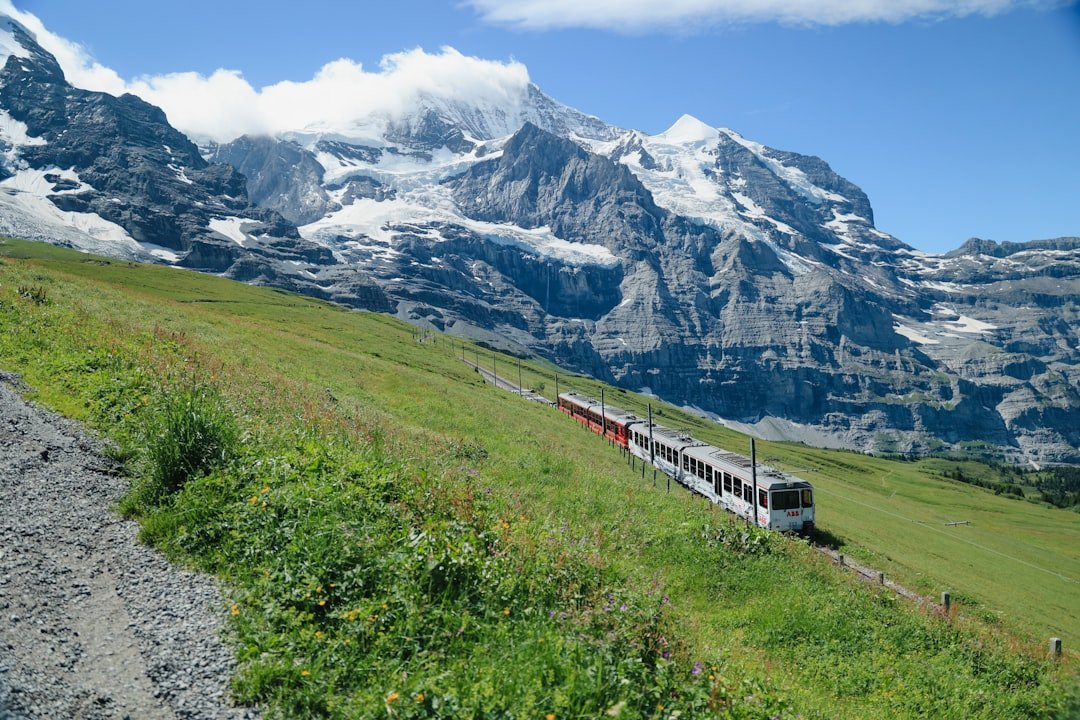
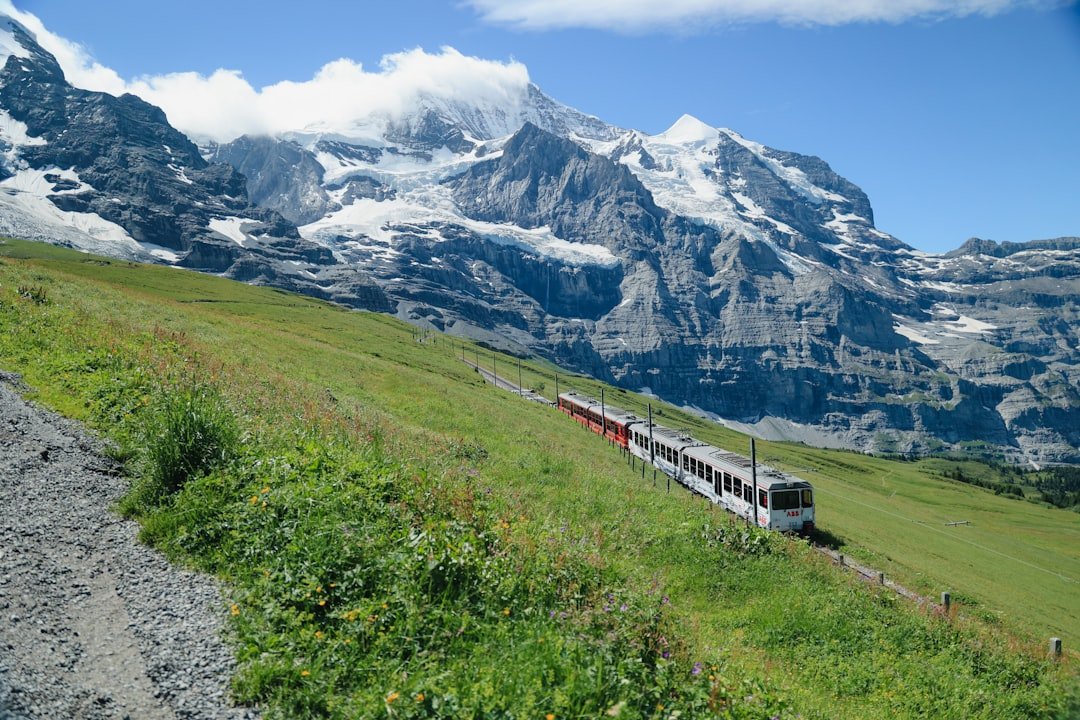
Spring brings a softer side of the Jungfrau Region. Snow melts first in the lower valleys, while the higher peaks often stay white well into the season. This contrast gives you green meadows, bright flowers, and dramatic mountain views in one trip.
You can expect the best spring conditions in May and June, though weather can change quickly. Lower-elevation trails often open before high alpine routes. Pack layers, waterproof shoes, and a flexible plan so you can adjust to rain, snow patches, or lift schedules.
The Eiger Trail is a popular route when conditions allow, thanks to its close views of the Eiger North Face. Before you go, check local trail status, because snow can linger on exposed paths. Spring suits you best if you want scenic walks, fewer crowds, and a slower pace.
Summer: Peak Season for Hiking and Outdoor Adventures
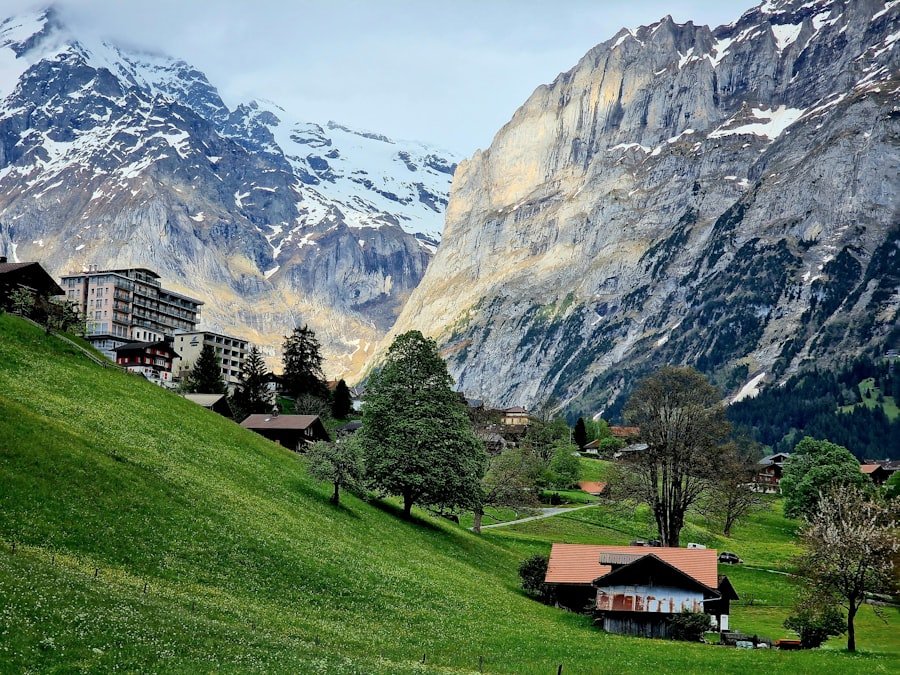
Summer gives you the easiest access to the Jungfrau Region’s classic trails, viewpoints, lakes, and mountain villages. Long daylight hours help you fit more into each day. You can hike in the morning, ride scenic railways in the afternoon, and enjoy dinner with mountain views at night.
This season works well for hiking, climbing, paragliding, mountain biking, and lake trips near Lake Brienz or Lake Thun. Popular areas can feel busy, especially around Jungfraujoch, Grindelwald, Lauterbrunnen, and major cable car stations. Book lodging, train reservations where needed, and guided activities as early as you can.
Pro tip: Start your mountain excursions early in the day, because clouds often build around the peaks later.
Summer also brings festivals, open terraces, and a lively village atmosphere. This makes it the best season if you want energy, full services, and the widest range of activities. It is also the season when you’ll need the most patience with crowds and prices.
Fall: Golden Views and Quieter Trails
| Metrics | Value |
|---|---|
| Peak Foliage | Often October, depending on elevation and weather |
| Trail Traffic | Usually lighter than peak summer |
| Weather | Cool, crisp, and changeable |
| Visitor Numbers | Lower than peak summer in many areas |
Fall turns the Jungfrau Region into a mix of gold, orange, and deep green. The air feels cool, the trails often feel calmer, and the mountain views can look sharp after clear cold nights. September and October work especially well if you want a quieter hiking trip.
The route from Mürren to Gimmelwald is a strong fall choice. It gives you village charm, open views, and a gentle pace compared with higher alpine hikes. Wildlife may also become easier to spot as animals move through the slopes before winter.
Some lifts, hotels, and restaurants reduce hours after the main summer season. Check schedules before you build your route. Fall suits you best if you value calm trails, cooler weather, and scenic photography.
Winter: Skiing, Snowboarding, and Snowy Villages
Winter covers the Jungfrau Region in snow and turns it into one of Switzerland’s classic alpine playgrounds. Ski areas around Grindelwald, Wengen, Mürren, and Kleine Scheidegg offer slopes for a range of skill levels. You can also try sledding, winter hiking, snowshoeing, and scenic train rides.
The main winter travel period usually runs from December through March, but exact snow conditions vary by elevation and weather. January and February often bring the strongest winter feel. December adds Christmas markets, lights, and a festive village mood.
Warning: Mountain weather can change fast, so check avalanche, trail, and lift updates before winter activities.
Winter works best if you want snow sports or a cozy alpine escape. It may not suit you if you mainly want long hikes, open high trails, or warm lake days. For the best choice of lodging, book early for Christmas, New Year, and school holiday weeks.
Shoulder Seasons: Fewer Crowds and Better Value
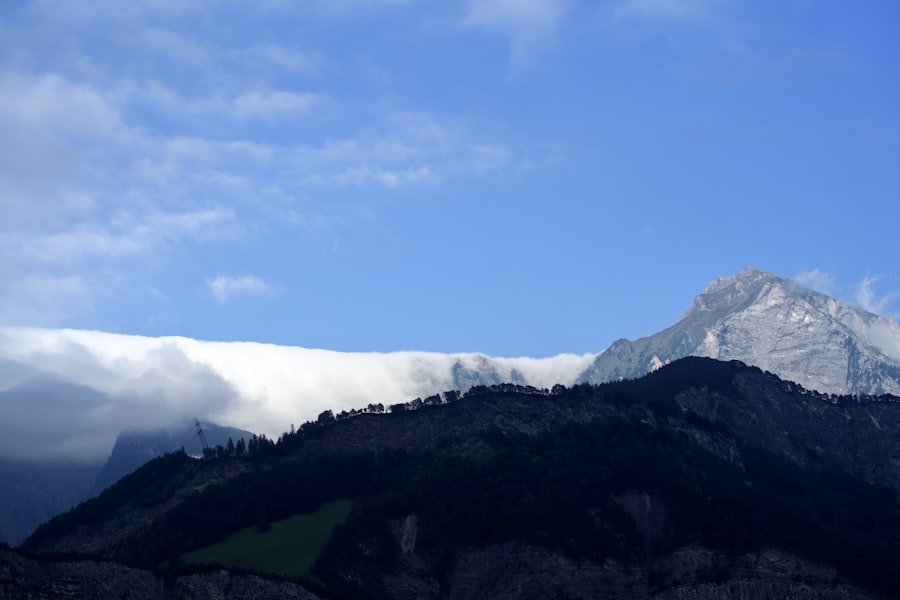
The shoulder seasons give you a useful middle ground. In late spring, you can enjoy flowers, fresh waterfalls, and milder valley walks. In early fall, you can still hike many routes while avoiding the busiest summer weeks.
These periods often bring better hotel availability and a calmer mood in the villages. They also require more planning, because some mountain lifts and restaurants may close for maintenance between seasons. Always check operating dates before you commit to a day trip.
Choose the shoulder seasons if you want a quieter trip and don’t need every high-altitude trail to be open. Keep one or two backup plans ready. A scenic train ride, lake visit, or village walk can save a cloudy day.
Best Month to Visit by Travel Style
Your best month depends on your priorities. Hikers usually get the most options from July through September. Skiers should focus on January and February for the strongest winter conditions, though December and March can also work well.
For lower crowds, look at May, early June, late September, or October. For flowers, late spring into early summer often gives the prettiest meadows. For classic summer energy, choose July or August and plan ahead.
- Best for hiking: June through September, with the most reliable high-route access in mid to late summer.
- Best for skiing: December through March, with January and February often strongest for winter conditions.
- Best for fewer crowds: May, early June, late September, and October.
- Best for flowers: Late spring through early summer, depending on elevation.
- Best for festive atmosphere: December, especially near Christmas markets and holiday events.
Events and Festivals Throughout the Year
The Jungfrau Region pairs mountain scenery with local events through much of the year. Spring can bring Easter markets and small village celebrations. Summer often adds music, folklore, food events, and outdoor performances.
Autumn brings harvest themes, local produce, and a quieter cultural calendar. Winter adds Christmas markets, snow events, ski races, and après-ski gatherings. Event dates can change each year, so check the local tourism calendar before you travel.
Well-known events in the wider region include the Jungfrau Marathon in September and SnowpenAir in spring. These events can raise demand for rooms and transport. If your dates overlap with a major event, book earlier than usual.
Where to Stay by Season
Your base can change how easy your trip feels. Grindelwald works well for first-time visitors because it has many hotels, restaurants, lifts, and rail links. Lauterbrunnen suits you if you want valley views, waterfalls, and quick access to Wengen or Mürren.
Wengen and Mürren offer car-free alpine charm and strong mountain views. They can feel more peaceful, but you should plan around train and cable car schedules. Interlaken gives you more transport links and lake access, though it feels less like a high mountain village.
In winter, choose a base close to the ski area you plan to use most. In summer, choose based on the hikes and viewpoints that matter most to you. This simple choice can save hours across a short trip.
Choosing the Best Time to Visit the Jungfrau Region
The best time to visit the Jungfrau Region is the season that matches your main goal. Choose summer for hiking, winter for snow sports, spring for flowers, and fall for quiet trails. Each season offers a different version of the same dramatic alpine landscape.
If you want the safest all-around choice, plan for June through September. If you want snow and ski days, plan for December through March. Check lift schedules, trail status, and weather before you go, and you’ll have a smoother trip in any season.
While planning your trip, you might also want to explore Swiss-inspired food at home before you travel. You can try making simple homemade cottage cheese as part of your trip planning. Check out this article for a simple and healthy recipe you can make before your visit.
FAQs
What is the best time to visit Jungfrau Region?