Switzerland has a reputation for high prices, but budget travel in Switzerland is still practical if you plan the expensive parts before you arrive. The biggest savings usually come from choosing the right transport product, keeping accommodation flexible, and replacing some restaurant meals with supermarket or self-catered food. You can then spend selectively on the mountain trips and experiences that matter most to you.
Quick Answer
{qa}
Last checked: October 1, 2026. Dates and figures were verified against official sources.
Key Takeaways
- A transport pass only saves money when it matches your actual route; compare it with advance saver fares before buying.
- Guest cards included with some overnight stays can reduce local transport and attraction costs.
- Hostels, guesthouses, campsites, farm stays, and accommodation with a kitchen can lower both lodging and food costs.
- Free hiking, old-town walks, parks, and lakeside time can balance the cost of mountain railways and paid attractions.
- Pay attention to current prices and validity rules, because Swiss transport products and regional passes change over time.
Transportation Tips for Budget Travel in Switzerland
The cheapest transport choice depends on how far you travel, how often you move, and whether expensive mountain journeys are part of the plan. Do not assume that one national pass is automatically the best deal. Price your main travel days first, then compare a pass with saver tickets and regional products.
For visitors from abroad, SBB’s Swiss Travel System options include the Swiss Travel Pass and Swiss Half Fare Card. In 2026, an adult 2nd-class Swiss Travel Pass costs CHF 254 for 3 days, while the Swiss Half Fare Card costs CHF 150 and is valid for one month.
A Saver Day Pass starts at CHF 52 in 2nd class without a Half Fare Travelcard and CHF 29 with one. SBB says these passes are sold only in advance, from one day to six months before travel, and lower-price quotas can sell out.
| Option | 2026 price example | Best fit | Key rule |
|---|---|---|---|
| Saver Day Pass | From CHF 52 without Half Fare; CHF 29 with Half Fare | A long, transport-heavy day | Advance purchase; quota limited |
| Swiss Half Fare Card | CHF 150 for one month | Several paid rail, boat, and mountain trips | You still buy individual tickets or day passes |
| Swiss Travel Pass | CHF 254 for 3 days, adult 2nd class | Frequent national travel plus museum use | Some panorama services still require reservations or supplements |
| Lucerne Travel Pass | CHF 240 for 3 days, adult | Central Switzerland with several mountain trips | Valid for consecutive days |
| Berner Oberland Pass | CHF 240 full fare or CHF 168 reduced for 3 days | A Bernese Oberland-focused itinerary | Coverage is regional, not nationwide |
The former Tell-Pass is no longer the current Central Switzerland product. It was replaced on April 1, 2026 by the Lucerne Travel Pass, which offers 3-, 4-, 5-, and 10-day options. Travelers staying mostly around Interlaken, Lake Thun, Lake Brienz, and the surrounding mountains should also compare the Berner Oberland Pass with individual fares.
Pro Tip: Make a simple list of your expensive travel days before buying a pass. A national pass can be excellent value on a fast-moving itinerary, while saver tickets or a regional pass may cost less if you stay in one area.
Accommodation Options for Budget Travelers

Budget accommodation in Switzerland is easiest to find when you stay flexible about room type and exact location. Hostels, guesthouses, campsites, farm stays, and apartments can all reduce costs, especially when a kitchen lets you prepare breakfast or dinner yourself.
Switzerland Tourism’s money-saving guidance specifically points travelers toward youth hostels, holiday apartments, Swiss Alpine Club huts, camping, farm stays, and other lower-cost alternatives to classic hotels. Airbnb and similar apartment platforms can also be useful when the total price works for your group, but compare cleaning fees and location before assuming a private rental is cheaper.
Use Guest Cards Before Buying Local Transport
Some destinations give overnight guests a local visitor card that includes public transport or attraction discounts. Because the benefit can be tied to your accommodation and local visitor tax, check what your property provides before paying separately for city buses, trams, or a local day ticket.
This can be especially valuable on a city-focused stay. It also changes the pass calculation: if your hotel already covers local transport, a more expensive national travel product may add less value than it first appears.
Stay Near, Not Necessarily Inside, the Most Famous Resort
Popular mountain villages can command higher room prices. A guesthouse or hostel one or two rail stops away may cost less while keeping the same region accessible by public transport.
Compare the full trip cost, not just the nightly rate. A cheaper room is only a saving if the extra transport does not erase the difference.
Dining on a Budget: Where to Eat in Switzerland
The most reliable way to reduce food costs is to mix restaurant meals with supermarket food, self-catering, and inexpensive self-service restaurants. Save the full-service Swiss meal for the dishes you most want to try rather than making every meal a restaurant meal.
| Restaurant Name | Location | Budget Context | Cuisine |
|---|---|---|---|
| Zeughauskeller | Zurich | Full-service restaurant; not the lowest-cost meal option | Swiss, German |
| St. Gallerhof | Zurich | Traditional sit-down dining; budget carefully | Swiss, European |
| Restaurant Rathauskeller | Zug | Fine-dining choice rather than a budget default | Swiss, International |
| Restaurant Les Armures | Geneva | Historic Swiss restaurant; better treated as a splurge meal | Swiss, French |
The original restaurant list is more useful as a set of Swiss dining examples than as a list of cheap meals. For a genuinely low-cost hot lunch, Coop Restaurant currently advertises a rotating value menu at CHF 9.95, subject to location and availability.
Coop and Migros supermarkets are also useful for sandwiches, salads, bakery items, fruit, yogurt, cheese, and ready-to-eat food. If your accommodation has a kitchen, preparing breakfast and a simple dinner can make a large difference over several days.
Lunch can be a better time for a sit-down meal than dinner because some restaurants offer simpler midday menus. You can then make dinner a supermarket picnic or self-catered meal without giving up Swiss food entirely.
Free and Affordable Activities in Switzerland
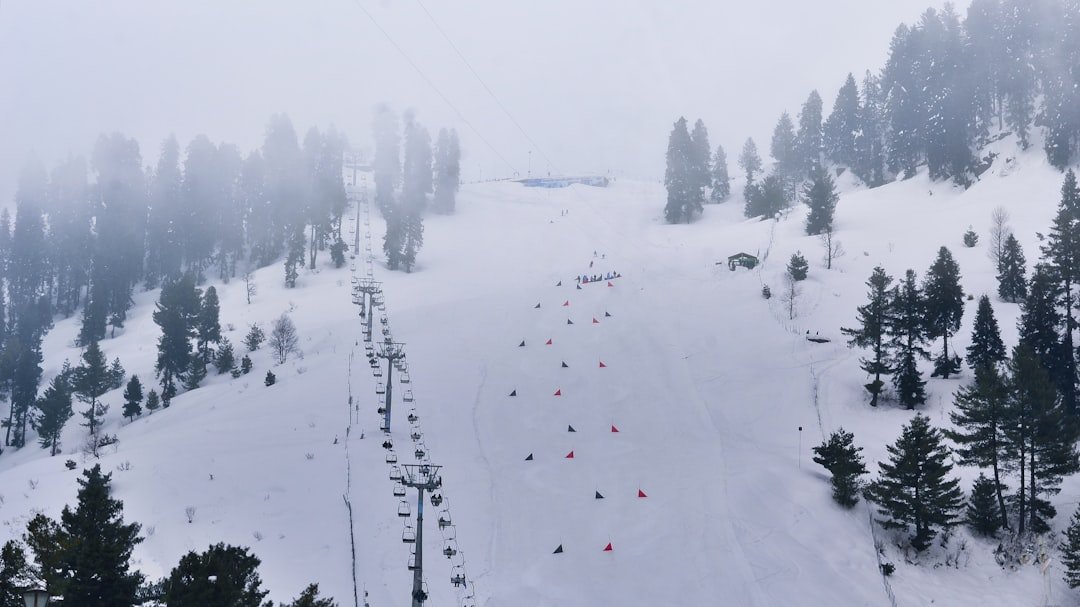
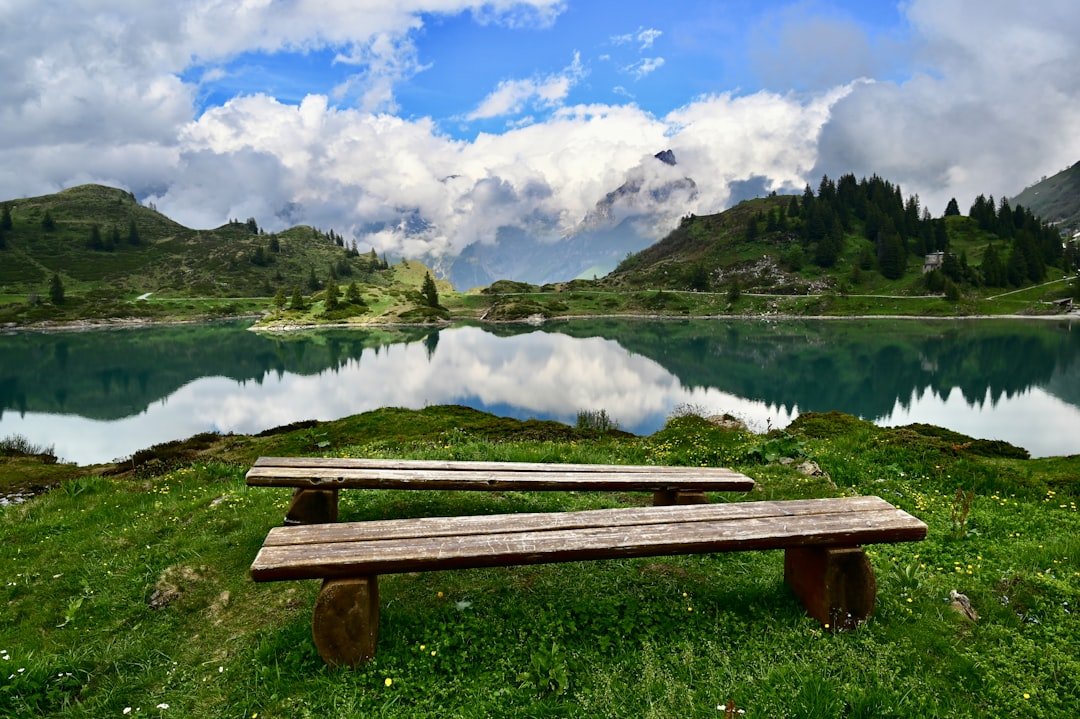
Switzerland’s strongest budget advantage is that many of its landscapes and historic centres can be enjoyed without an admission ticket. Hiking, lakefront walks, public parks, old towns, viewpoints reached on foot, and self-guided city routes can fill entire days for little or no cost.
Switzerland Tourism describes about 65,000 kilometres of waymarked hiking trails. The trail itself may be free, but reaching a high-altitude trailhead by cable car or mountain railway can still cost money, so include access in your day budget.
The Aletsch Glacier region, lakeside routes, and paths around towns and villages can all provide excellent scenery without a paid attraction once you are on the route. Choose hikes that match your fitness, weather, footwear, and mountain experience.
Use Free City Sights to Balance Paid Mountain Days
Historic centres in Bern, Lucerne, Zurich, Basel, Geneva, and smaller towns are easy to explore on foot. Bridges, public squares, parks, riverfronts, lake promenades, and many church exteriors or public spaces cost nothing to see.
Museum pricing is more mixed. Some museums offer free periods, while the Swiss Travel Pass includes admission to more than 500 museums, so check whether a pass you already bought covers the attraction before paying separately.
Money-Saving Tips for Sightseeing and Attractions

Paid sightseeing is easiest to control when you decide in advance which experiences are worth the money. Pick one or two high-cost highlights, then surround them with free walks, hikes, viewpoints, or city time.
Before buying a mountain ticket, check whether your Swiss Travel Pass, Half Fare Card, Saver Day Pass, regional pass, or guest card changes the fare. The same attraction can have very different final costs depending on the transport product you already hold.
Combined transport-and-attraction products can save money in some cases, but only if you want every included component. Compare the package price with the exact journeys and admissions you would otherwise buy.
Shopping and Souvenirs: How to Save Money
Souvenirs are easiest to overspend on when you shop in the busiest tourist streets without comparing alternatives. Set a small souvenir budget, prioritize items that are genuinely local, and compare supermarkets, markets, and independent shops before buying.
Zurich’s Bürkliplatz flea market and Geneva’s Plainpalais flea market are examples of places where you may find second-hand or unusual items rather than standard souvenir-shop stock. Prices still vary, so a market is not automatically cheaper.
For chocolate and packaged food gifts, supermarkets can be a practical alternative to specialty shops. Buying a few products you already know you will use is usually better value than carrying home large souvenir assortments simply because they are sold in a tourist area.
Budget-Friendly Outdoor Adventures in Switzerland
Hiking is the clearest low-cost outdoor activity because Switzerland has a large marked trail network and no general trail admission fee. Cycling can also work well for shorter distances, but bike-share and rental prices vary by city, so compare the rental cost with local transit before choosing it purely to save money.
Lake and river walks, public viewpoints, picnics, and town-to-town walking routes are simple additions to a low-cost itinerary. In mountain areas, remember that a free hike can still require paid transport to reach the starting point.
Note: Mountain weather and trail conditions can change quickly. Choose routes that match your ability, use marked paths, and adjust or turn back when conditions make the planned route unsafe.
Understanding Swiss Currency and Payment Costs
Switzerland uses the Swiss franc, abbreviated CHF. Cards are widely accepted, but carrying a small amount of cash can still be useful for small purchases, remote locations, or places that prefer another payment method.
Switzerland Tourism’s payment guidance says credit and debit cards are accepted almost everywhere and notes that some businesses accept euros, usually returning change in Swiss francs. Check your bank’s foreign transaction and ATM fees before the trip so small charges do not quietly add up.
If a card terminal gives you a choice of currencies, look at the exchange terms before accepting a conversion into your home currency. Keeping a simple trip budget in CHF also makes it easier to compare train fares, meals, and attraction prices consistently.
Tips for Booking Budget-Friendly Tours and Excursions
Tours are best treated as a selective expense rather than the default way to see every destination. Use a paid tour when a guide, transport, or special access adds real value; otherwise, self-guided routes and public transport usually give you more control over cost and timing.
Compare exactly what a tour includes with the price of doing the same trip independently. A package may be good value when it combines expensive transport and admission, but a walking tour of a compact old town may be easy to replace with an official map or self-guided route.
If you do book a paid excursion, check cancellation terms and whether transport passes reduce any part of the cost. Booking early can help with availability, but do not pay for an inflexible product until your itinerary is firm.
Making the Most of Your Budget Travel Experience in Switzerland
A good Switzerland budget is less about avoiding everything expensive and more about choosing where the expense is worth it. Save on routine costs such as local transport, simple meals, and accommodation, then spend on the mountain ride, museum, scenic train, or meal that matters most to you.
Before you travel, list your overnight stops and the paid journeys you expect to take. Compare that plan against saver tickets, the Half Fare Card, national and regional passes, and any guest-card benefits. That one calculation can prevent some of the biggest unnecessary costs of the trip.
Frequently Asked Questions
“”” + “\n”.join([f’
{q}
{a}
‘ for q,a in faq]) + f”””
If you are looking for budget travel tips for Switzerland, you may also be interested in this homemade cottage cheese recipe.
Sources
- SBB: Guests from abroad: 2026 Swiss Travel Pass prices, Swiss Half Fare Card price and validity, transport coverage, museum benefits, and mountain discounts.
- SBB: Saver Day Pass: current starting prices, advance-purchase window, quota rules, and area of validity.
- Lucerne Travel Pass: 2026 pass durations and prices.
- Berner Oberland Pass: 2026 prices and regional coverage.
- Switzerland Tourism: Money-saving holiday tips: lower-cost accommodation types and guest-card guidance.
- Coop Restaurant: current value-menu pricing.
- Switzerland Tourism: Hiking information: marked-trail network and mountain-hiking safety guidance.
- Switzerland Tourism: Credit cards and currency: Swiss franc and payment-method guidance.