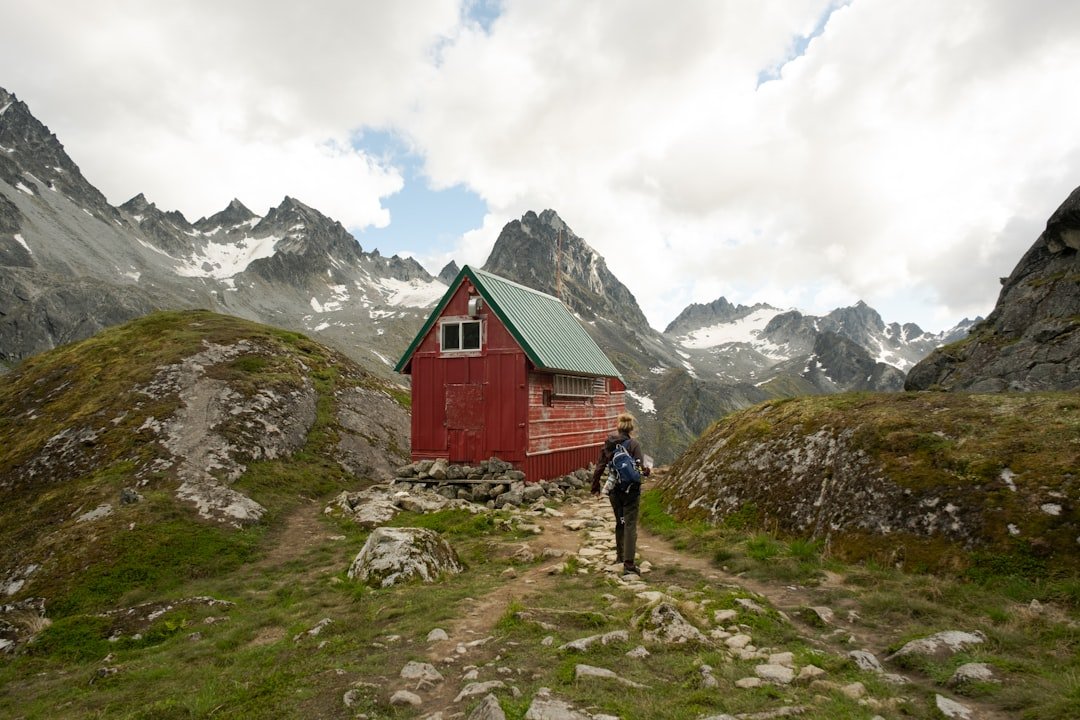
Switzerland is renowned for its breathtaking landscapes, and the mountain hut system is an integral part of experiencing the Swiss Alps. These huts, known as “Alpenhütten,” serve as rustic lodgings that provide shelter, food, and camaraderie for hikers, climbers, and outdoor enthusiasts. The network of mountain huts is extensive, with over 1,500 huts managed by various organizations, including the Swiss Alpine Club (SAC) and private operators.
Each hut is strategically located along popular hiking routes, making them accessible to both seasoned trekkers and casual walkers. The huts vary in size and amenities, ranging from simple shelters with basic provisions to fully equipped lodges offering comfortable accommodations. The mountain hut system is not just about providing a place to sleep; it embodies the spirit of Swiss alpine culture.
Many huts are family-run, with generations of caretakers welcoming guests into their homes.
The huts also play a crucial role in promoting sustainable tourism by encouraging hikers to explore the mountains while minimizing their environmental impact.
By staying in these huts, visitors contribute to the local economy and help preserve the natural beauty of the Swiss Alps.
Key Takeaways
- The mountain hut system in Switzerland offers a unique and traditional way to experience the Swiss Alps.
- When choosing the right mountain hut for your trip, consider factors such as location, facilities, and the level of difficulty of the surrounding hiking trails.
- Booking and reserving your stay at a mountain hut is essential, especially during peak seasons, and can often be done online or by phone.
- Expect simple accommodations, shared facilities, and a communal atmosphere at a Swiss mountain hut, along with stunning mountain views.
- Packing essentials for your mountain hut stay should include a sleeping bag, toiletries, sturdy hiking boots, and weather-appropriate clothing.
Choosing the Right Mountain Hut for Your Trip
Selecting the appropriate mountain hut for your adventure is essential for ensuring a fulfilling experience. Factors such as location, amenities, and accessibility should be considered when making your choice. For instance, if you are planning a multi-day hike, you may want to select huts that are strategically positioned along your route, allowing for manageable daily distances.
Some popular options include the Cabane de Moiry in the Valais region or the Piz Gloria on the Schilthorn, both of which offer stunning views and unique experiences. Another important consideration is the type of accommodation you prefer. Some mountain huts offer dormitory-style sleeping arrangements, while others provide private rooms for couples or families.
If you value privacy and comfort, it may be worth seeking out huts that offer these options. Additionally, consider the amenities available at each hut. Some may have running water and electricity, while others may rely on more traditional methods for cooking and heating.
Researching these details ahead of time can help you find a hut that aligns with your expectations and needs.
Booking and Reserving Your Stay at a Mountain Hut
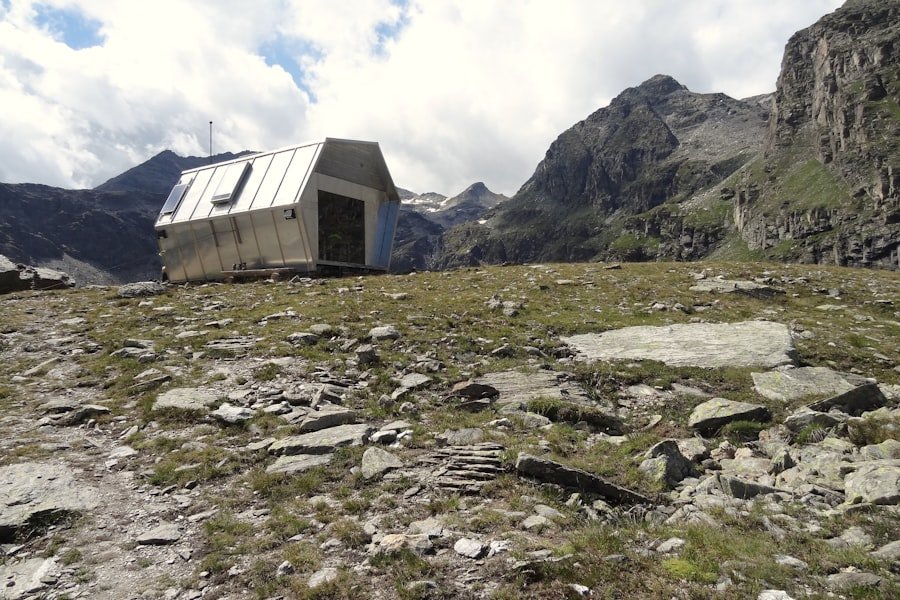
Once you have identified the ideal mountain hut for your trip, the next step is to secure your reservation. Many huts operate on a first-come, first-served basis, especially during peak hiking seasons. However, it is advisable to book in advance to guarantee your spot, particularly for popular locations or during weekends and holidays when demand is high.
Most huts have online booking systems or can be reserved through the Swiss Alpine Club’s website, making it easy to secure your accommodation.
Some huts may require a deposit or have restrictions on group sizes.
Additionally, it’s wise to confirm your booking a few days before your arrival to ensure that there are no last-minute changes or issues. Being proactive about your reservation can help alleviate stress and allow you to focus on enjoying your alpine adventure.
What to Expect at a Swiss Mountain Hut
| Facilities | Services | Activities |
|---|---|---|
| Shared dormitories | Meals provided | Hiking |
| Common area | Drinks available | Mountaineering |
| Basic bathroom facilities | Guided tours | Photography |
Staying at a Swiss mountain hut offers a unique experience that differs significantly from traditional hotels or lodges. Upon arrival, guests are often greeted with a warm welcome from the hut’s caretakers, who are typically knowledgeable about the surrounding area and eager to share their insights. The atmosphere is usually informal and communal, with shared dining areas where guests can interact with one another.
This social aspect is one of the highlights of staying in a mountain hut, as it fosters connections among travelers from diverse backgrounds. Accommodations in mountain huts can vary widely. Some may feature simple bunk beds in shared dormitories, while others might offer private rooms with stunning views of the surrounding peaks.
Facilities are generally basic; many huts do not have running water in the rooms but provide communal wash areas. Showers may be limited or available for an additional fee. However, this simplicity is part of the charm of mountain huts—guests are encouraged to disconnect from modern distractions and immerse themselves in nature.
Packing Essentials for Your Mountain Hut Stay
When preparing for a stay at a mountain hut, packing wisely is crucial to ensure comfort and convenience during your trip. Essential items include sturdy hiking boots, weather-appropriate clothing layers, and a reliable backpack to carry your gear. Given the unpredictable alpine weather, it’s advisable to pack waterproof jackets and thermal layers to stay warm and dry during hikes or while relaxing at the hut.
In addition to clothing, consider bringing personal items such as toiletries, a sleeping bag liner (if required), and any medications you may need. While many huts provide basic amenities like blankets and pillows, having your own sleeping bag liner can enhance comfort and hygiene. Furthermore, don’t forget to pack snacks and energy bars for your hikes; these can be invaluable during long treks when you need an extra boost of energy before reaching your destination.
Safety Precautions and Tips for Staying at a Mountain Hut
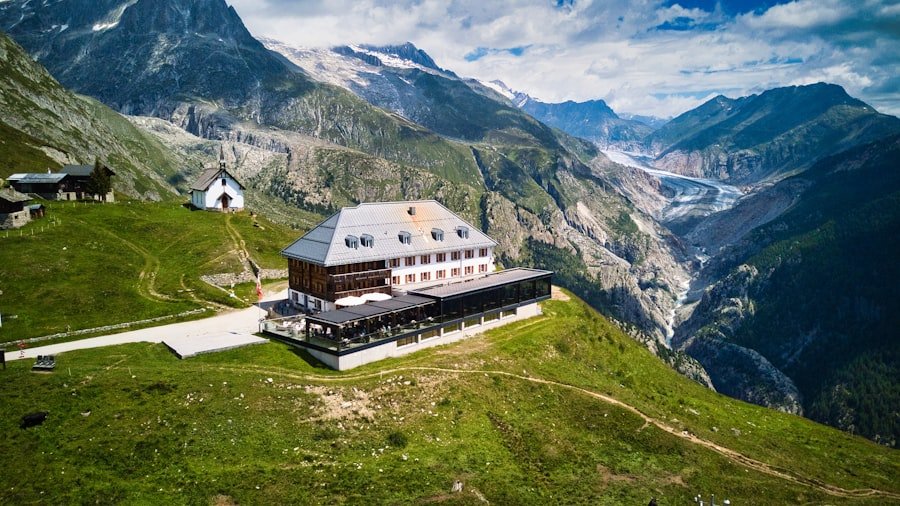
Safety should always be a priority when venturing into the mountains, especially when staying at a mountain hut. Before embarking on your journey, familiarize yourself with the specific terrain and weather conditions of the area you plan to explore. It’s essential to check local forecasts and be prepared for sudden changes in weather that can occur in alpine environments.
While at the hut, adhere to safety guidelines provided by the caretakers. This includes understanding emergency procedures and knowing how to access first aid supplies if needed. Additionally, always inform someone about your hiking plans and expected return time, especially if you are hiking alone or in remote areas.
Carrying a map or GPS device can also enhance safety by helping you navigate unfamiliar trails.
Dining Options and Meal Planning at Mountain Huts
Dining at mountain huts is often one of the most enjoyable aspects of the experience. Many huts serve hearty meals made from locally sourced ingredients that reflect Swiss culinary traditions. Breakfast typically includes bread, cheese, cold cuts, and coffee or tea—providing an excellent start for a day of hiking.
Dinner options may vary but often feature traditional dishes such as rösti (a Swiss potato dish) or fondue. If you have specific dietary requirements or preferences, it’s advisable to inform the hut staff in advance so they can accommodate your needs. Some huts may offer vegetarian or vegan options upon request, while others might have limited flexibility due to their remote locations and available supplies.
Planning ahead ensures that you will have satisfying meals during your stay.
Exploring the Surrounding Area and Hiking Trails from the Mountain Hut
One of the primary reasons for staying at a mountain hut is access to some of Switzerland’s most stunning hiking trails. Each hut typically serves as a gateway to various routes that cater to different skill levels—from leisurely walks suitable for families to challenging ascents for experienced climbers. For example, from the Trift Hut in the Bernese Alps, hikers can embark on trails leading to breathtaking glacial views or venture towards nearby peaks.
Before setting out on any hike, it’s essential to consult trail maps available at the hut or online resources that provide detailed information about trail conditions and difficulty levels. Local staff can also offer valuable insights into which trails are currently accessible and recommend routes based on your interests and fitness level. Exploring these trails not only allows you to appreciate Switzerland’s natural beauty but also provides opportunities for wildlife spotting and photography.
Etiquette and Rules for Staying at a Mountain Hut
Understanding proper etiquette when staying at a mountain hut is vital for ensuring a pleasant experience for all guests. First and foremost, respect quiet hours—typically enforced after 10 PM—to allow fellow hikers to rest after long days on the trails. Additionally, be mindful of shared spaces; keeping communal areas tidy and cleaning up after meals demonstrates consideration for other guests.
When using facilities such as bathrooms or kitchens, follow any posted guidelines regarding usage times or cleaning responsibilities. If you’re sharing a dormitory with other guests, be courteous by keeping noise levels down and respecting personal space. Engaging positively with fellow hikers can enhance your experience; sharing stories over dinner or offering assistance can foster camaraderie among guests.
Planning Your Itinerary and Route for a Multi-Hut Trip
For those looking to immerse themselves fully in the Swiss Alps experience, planning a multi-hut trip can be an exhilarating adventure. This type of itinerary allows hikers to explore various regions while enjoying different mountain huts along their journey. When planning such an expedition, consider factors like daily hiking distances, elevation changes, and available amenities at each hut.
Creating a flexible itinerary is essential; while it’s good to have planned routes in mind, being open to changes based on weather conditions or personal energy levels can lead to unexpected discoveries along the way. Utilizing resources such as guidebooks or online forums dedicated to hiking in Switzerland can provide valuable insights into popular multi-hut routes like the Via Alpina or the Haute Route.
Alternative Accommodation Options in the Swiss Alps
While mountain huts offer an authentic alpine experience, there are alternative accommodation options available throughout the Swiss Alps that cater to different preferences and budgets. For those seeking more comfort or amenities, hotels and guesthouses in nearby villages provide excellent alternatives with varying levels of luxury—from cozy inns to upscale resorts. Additionally, camping is another option for adventurous travelers who wish to immerse themselves in nature fully.
Many designated camping areas allow visitors to pitch tents while enjoying stunning views of the mountains. However, it’s crucial to adhere to local regulations regarding camping locations and practices to minimize environmental impact. In conclusion, whether you choose a mountain hut or an alternative accommodation option, Switzerland’s alpine landscape offers unparalleled opportunities for exploration and adventure amidst some of nature’s most breathtaking scenery.
If you’re planning a trip to the Swiss Alps and considering staying in one of the charming mountain huts, it’s essential to book in advance due to their popularity. These huts offer a unique experience, allowing you to immerse yourself in the stunning natural beauty of Switzerland. While you’re planning your adventure, you might also be interested in exploring other delightful experiences, such as trying out new recipes. For instance, you can learn how to make delicious homemade cottage cheese, which is a simple and healthy recipe perfect for a cozy meal after a day of hiking. Check out this related article for more details: Delicious Homemade Cottage Cheese: A Simple and Healthy Recipe.
FAQs
What are mountain huts in Switzerland?
Mountain huts in Switzerland are small, rustic accommodations located in the Swiss Alps. They are typically used by hikers, climbers, and skiers as a place to rest and recharge during their outdoor adventures.
How can I book a mountain hut in Switzerland?
You can book a mountain hut in Switzerland directly through the Swiss Alpine Club (SAC) website or by contacting the hut guardian. Some huts may also be booked through third-party booking platforms.
When is the best time to book a mountain hut in Switzerland?
It is recommended to book a mountain hut in Switzerland well in advance, especially during the peak hiking and skiing seasons. Popular huts can fill up quickly, so it’s best to secure your reservation as early as possible.
What amenities can I expect at a mountain hut in Switzerland?
Mountain huts in Switzerland vary in terms of amenities, but most offer basic facilities such as dormitory-style sleeping arrangements, communal dining areas, and shared bathrooms. Some huts may also provide meals and snacks for purchase.
Are mountain huts in Switzerland open year-round?
Many mountain huts in Switzerland are open seasonally, typically from late spring to early fall. However, some huts at lower elevations may remain open during the winter months for snowshoers and cross-country skiers. It’s important to check the specific hut’s operating schedule before planning your trip.