Last updated: August 22, 2026. This guide was updated with current transport context, attraction access information, corrected landmark details, and a more practical two-day route.
The best 2-day Sion itinerary keeps Day 1 focused on the compact Old Town, Valère and Château de Tourbillon, then uses Day 2 for the Montorge vineyard landscape plus a museum or outdoor activity. For most visitors, Sion is easiest to reach by train rather than by air. The historic-center sights cluster closely enough to explore on foot, while the second day gives you room to slow down and see the quieter side of the Valais capital.
This plan works best for a first visit because it combines Sion’s strongest historic landmarks with regional food, vineyards and flexible indoor or outdoor choices. Tourbillon is seasonal, so check its current opening status before relying on it as a fixed stop.
2-Day Sion Itinerary at a Glance
| Time | Day 1 | Day 2 |
|---|---|---|
| Morning | Old Town and Cathedral of Notre-Dame du Glarier | Lac de Montorge, bisse and vineyard scenery |
| Afternoon | Valère, Valais History Museum and Tourbillon when open | Museum visit or an additional walk or cycle ride |
| Evening | Valais dinner and local wine | Relax in the center or continue your journey by rail |
Key Takeaways
- Keep Day 1 concentrated in Sion’s Old Town and the neighboring hills of Valère and Tourbillon to minimize backtracking.
- Valère combines a fortified medieval church, the Valais History Museum and a 15th-century organ described by the official museum and tourism authorities as the world’s oldest playable organ.
- Château de Tourbillon is seasonal, so verify that it is open before building your day around the climb.
- Use Day 2 for Lac de Montorge, the bisse and vineyard landscape, then choose a museum or more outdoor time according to the weather.
- For food, look for genuine Valais specialties such as Raclette du Valais AOP and regional wine rather than generic Swiss dishes alone.
- Sion is practical without a car for a short city break because the historic center is compact and the railway station sits on a major Valais transport corridor.
How Should You Arrive in Sion?
For most visitors, the railway station is the most practical gateway to Sion. SBB currently shows direct long-distance services between Sion and the Geneva corridor, including Geneva Airport. The station also connects with local buses, making a car optional for this two-day city itinerary.
Sion does have its own airport, but passenger services are comparatively limited and seasonal. Treat it as an option only when a flight actually matches your dates rather than assuming it will be your main arrival point.
Day 1: Explore Sion’s Old Town
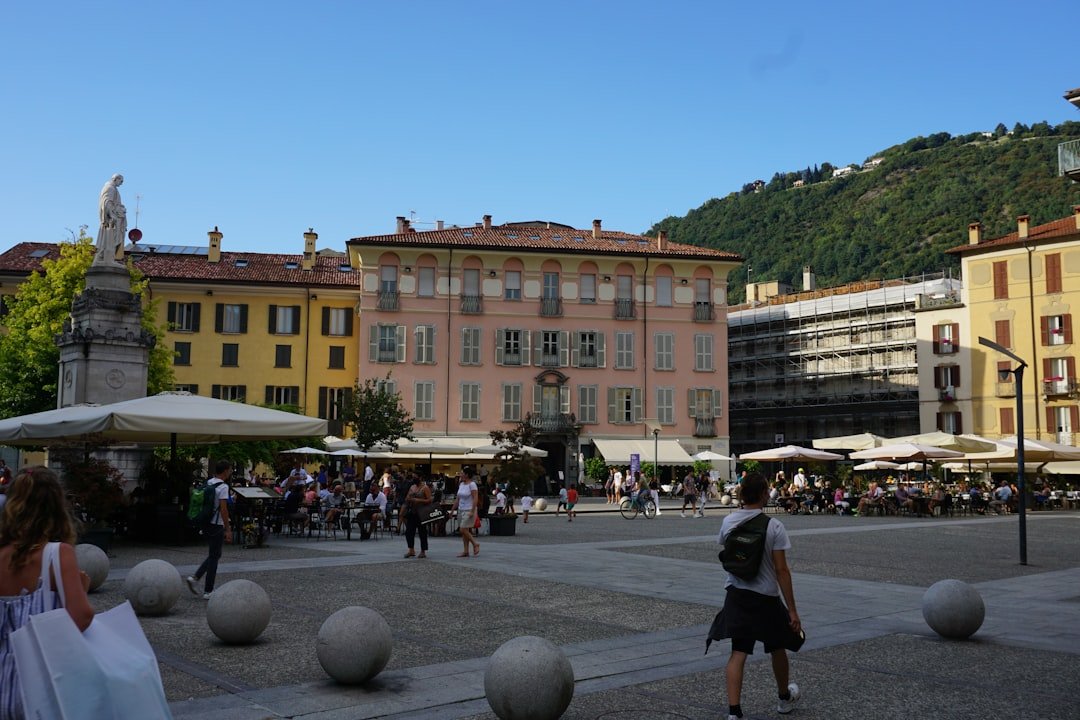
Start your first morning in Sion’s historic center. Its narrow streets, small squares, shops and historic buildings sit below the two hills that define the city skyline. Walking the center first gives you useful orientation before the afternoon climb toward Valère and Tourbillon.
Include the Cathedral of Notre-Dame du Glarier as you move through the Old Town. Sion Tourism includes the cathedral among the key monuments on its historic-center route. Keep the morning relaxed rather than trying to visit every building; the main goal is to understand the layout before heading uphill.
If you enjoy guided history, Sion Tourism also offers Old Town tours that can provide access to places that are not always independently open. Otherwise, the center works well as a self-guided walk before lunch.
Day 1: Visit Valère and Tourbillon
Spend the afternoon on Sion’s two landmark hills. Begin with Valère, where the fortified church was built across the 12th and 13th centuries with Romanesque and Gothic elements. The site also contains the Valais History Museum.
One of Valère’s most distinctive features is its 15th-century organ. Sion Tourism and the Valais Museums describe it as the oldest playable organ in the world. The combination of the basilica, historic museum collections and views over Sion makes Valère more than a quick photo stop.
Continue to Château de Tourbillon if it is open. The castle was built around the turn of the 13th and 14th centuries for Bishop Boniface de Challant. It was permanently ruined after the fire that damaged part of Sion in 1788, but its walls, hilltop position and surviving chapel remain important parts of the visit.
Planning note: Sion Tourism currently lists Tourbillon as open daily from May through September, with shorter opening periods from mid-March through April and from October to mid-November. It is closed from mid-November to mid-March. If it is closed during your trip, spend more time at Valère, the History Museum and the Old Town instead.
Day 1: What Should You Eat in Sion?
| What to Try | What It Is | Why It Fits the Trip |
|---|---|---|
| Raclette du Valais AOP | Valais raw-milk cheese traditionally melted and served with potatoes, onions and pickles | It is one of the region’s most clearly documented specialties |
| Valais regional platter | A combination that may include regional cheeses, cured meats and rye-based products | A practical way to sample several regional flavors in one meal |
| Valais wine | Local wines include names such as Fendant, Johannisberg and Dôle | The vineyards are part of Sion’s landscape and become a major focus on Day 2 |
Raclette is the clearest place to start. Raclette du Valais AOP is produced within the protected Valais designation, and the traditional melted dish is served with simple accompaniments such as potatoes and pickled vegetables. It makes a fitting evening meal after a day on the historic hills.
If you drink wine, pair dinner with a Valais selection rather than treating wine as a separate attraction. This creates a natural transition into the vineyard landscape planned for the following morning.
Day 2: Walk Montorge and the Vineyards
Use your second morning to see a different side of Sion around Lac de Montorge and the surrounding vineyard terraces. The Bisse de Montorge is a historic irrigation channel that carries water from the lake toward the southern slopes. The area combines vineyard paths, views back toward Sion and the remains of a medieval castle on the hill.
Switzerland Tourism also describes a longer route linking the Lentine and Mont d’Orge irrigation channels through vineyards, orchards, the lake area and the Mont d’Or vineyard landscape. Choose the length that fits your energy and weather rather than trying to force a long hike into a tightly scheduled day.
This is also where the article’s wine theme becomes tangible. The surrounding vineyard landscape is associated with Valais wines including Fendant, Johannisberg and Dôle. If you want a formal tasting or guided wine experience, reserve it separately rather than assuming every vineyard accepts walk-in visitors.
Day 2: Which Cultural Attractions Should You Visit?
For an indoor cultural block, prioritize Sion’s own cantonal museum network rather than leaving the city for an attraction elsewhere. The Valais History Museum at Valère is the most natural choice if you did not have enough time for it on Day 1.
The Valais cantonal museums also include art and nature collections in Sion, with exhibitions and venues that can change as the city’s museum and cultural complex develops. Check the current museum program for your travel date and choose the collection that best matches your interests.
A museum block is especially useful when the weather makes a vineyard walk less appealing. It also prevents the second day from becoming a second full day of climbing and outdoor sightseeing.
Day 2: Choose Your Outdoor Afternoon
If the weather is good and you still want to be outside, keep the afternoon simple. Continue walking around the Montorge area, explore another section of the vineyard landscape, or use Sion’s cycling connections for a relaxed ride in the Rhône Valley.
If you have already walked enough, return to the Old Town for cafés, shops and any historic streets you missed on Day 1. This is usually a better use of a short stay than adding a distant attraction simply to make the itinerary feel fuller.
Adventure activities such as paragliding can be available in the wider Valais region, but they require more planning and are weather-dependent. For a first two-day visit, treat them as a pre-booked alternative rather than a core part of this itinerary.
How to Depart Sion
For most travelers, returning to Sion station is the simplest way to continue through Switzerland. SBB currently shows direct long-distance trains from Sion toward Geneva and Geneva Airport as well as connections east through the Valais rail corridor. Check the live timetable for your exact departure date because schedules can change.
If you are flying from Sion Airport, confirm that a seasonal service actually operates on your travel day. The airport should be treated as a date-specific option rather than the default departure point.
Frequently Asked Questions About a 2-Day Sion Itinerary
Is two days enough in Sion?
Yes. Two days are enough to cover Sion’s compact historic center, Valère, Tourbillon when open, and one second-day nature or museum block without rushing. Stay longer if you want day trips deeper into Valais, extended hikes, or winery visits that require reservations.
Is Sion worth visiting?
Sion is worth visiting if you like medieval landmarks, compact old towns, vineyard scenery, and regional food. Its two hilltop landmarks, Valère and Tourbillon, give the city a distinct skyline, while the old town and nearby Montorge area make it easy to mix culture and outdoor time in one short stay.
What are the best things to do in Sion?
Prioritize the Old Town, the Cathedral of Notre-Dame du Glarier, the Valère site and Valais History Museum, Château de Tourbillon when it is open, and the Montorge vineyard area. These sights fit naturally into a two-day route because the historic-center stops cluster together and Montorge works well as a separate half-day.
Can you visit Sion without a car?
Yes. Sion’s historic center is compact, and the city has rail and local bus connections. SBB currently shows direct long-distance service between Sion and Geneva, including Geneva Airport. For a short city break, a car is optional unless you plan to add remote mountain areas.
Is Château de Tourbillon open all year?
Tourbillon is seasonal. Sion Tourism currently lists it as open daily from May through September, with shorter hours from mid-March through April and from October to mid-November, and closed from mid-November to mid-March. Check the official status before visiting because hours can change.
What is the best way to get to Sion?
Most visitors will find rail more practical than flying directly to Sion. Sion Airport has limited seasonal passenger services, while Sion station has direct long-distance rail links on the Geneva corridor. Check your exact travel date before booking because airline and rail schedules can change.
Is Two Days in Sion Worth It?
Two days are enough to see the parts of Sion that make the city distinctive without turning the visit into a checklist. Spend Day 1 in the Old Town, Valère and Tourbillon, then use Day 2 for Montorge’s vineyards and either a museum or more outdoor time. History-focused travelers should give extra time to Valère, while walkers and wine lovers will get more from the Montorge side of the itinerary. Before leaving, check Tourbillon’s seasonal status and your live rail schedule.