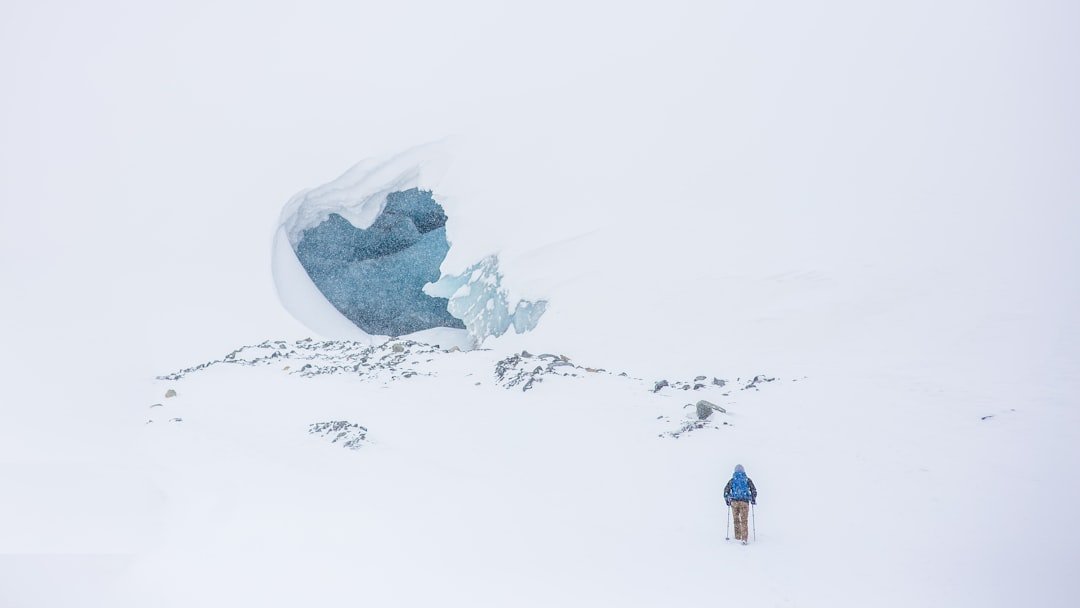
The Lake Geneva region, nestled in the heart of Europe, is a stunning area that straddles the borders of Switzerland and France. Known for its breathtaking landscapes, the region is characterized by the shimmering waters of Lake Geneva, surrounded by the majestic Alps and rolling vineyards. This picturesque locale has long been a magnet for tourists and outdoor enthusiasts alike, offering a unique blend of natural beauty and cultural richness.
The lake itself, one of the largest in Western Europe, serves as a focal point for various recreational activities, including sailing, swimming, and, notably, hiking. The region’s diverse topography provides a plethora of hiking opportunities that cater to all skill levels. From leisurely lakeside strolls to challenging mountain ascents, the trails in the Lake Geneva area are as varied as the landscape itself.
The combination of stunning vistas, charming villages, and rich biodiversity makes this region an ideal destination for those looking to immerse themselves in nature while also experiencing the local culture. Whether you are a seasoned hiker or a casual walker, the Lake Geneva region promises an unforgettable adventure.
Key Takeaways
- The Lake Geneva Region offers a diverse and picturesque landscape for hiking enthusiasts, with a variety of trails catering to all levels of experience.
- When planning your hiking trip, consider the season, weather conditions, and the difficulty level of the trails to ensure a safe and enjoyable experience.
- Some of the top hikes in the Lake Geneva Region include the Montreux Riviera, the Lavaux Vineyard Terraces, and the Rochers-de-Naye, each offering stunning views and unique natural features.
- Tips for hiking in the area include staying hydrated, wearing appropriate footwear, and being mindful of wildlife and natural surroundings.
- The Lake Geneva Region is home to a rich variety of wildlife and natural beauty, including alpine flora, mountain goats, and the iconic Lake Geneva itself.
Planning Your Hiking Trip
When planning a hiking trip to the Lake Geneva region, several factors should be taken into consideration to ensure a rewarding experience. First and foremost, it is essential to determine the time of year for your visit. The hiking season typically spans from late spring to early autumn, with the best conditions often found between June and September.
During this period, the weather is generally mild, and the trails are accessible. However, it is crucial to check local weather forecasts before embarking on your journey, as conditions can change rapidly in mountainous areas. Another important aspect of planning is selecting the right trails based on your fitness level and experience.
The Lake Geneva region boasts a wide range of hiking paths, from easy walks along the lakeshore to strenuous climbs in the Alps. Resources such as local hiking guides, online trail maps, and visitor centers can provide valuable information about trail difficulty, length, and estimated hiking times. Additionally, consider your group’s preferences; some may prefer scenic routes with panoramic views, while others might seek out trails that lead to historical sites or cultural landmarks.
Top Hikes in the Lake Geneva Region
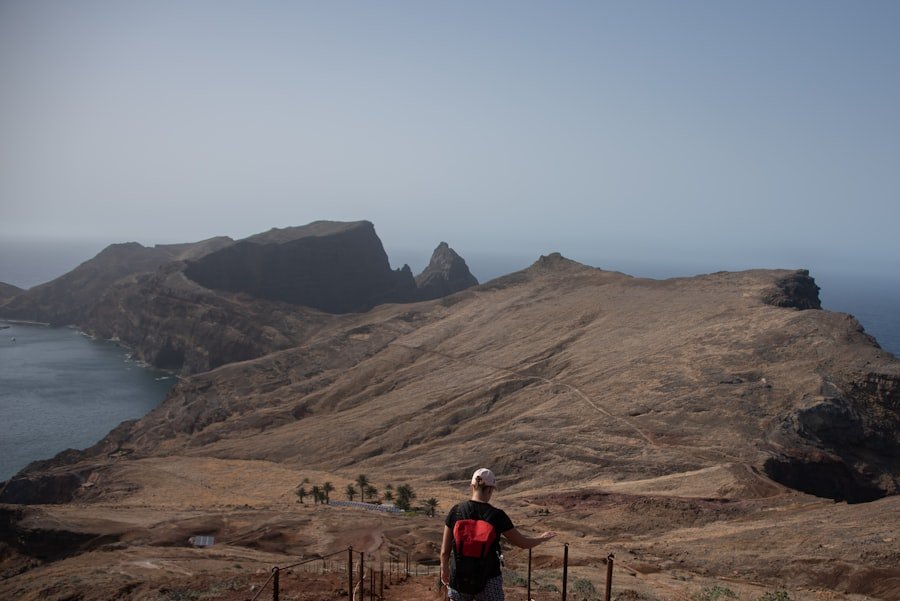
Among the many trails in the Lake Geneva region, several stand out for their unique features and breathtaking scenery. One such hike is the “Sentier des Toblerones,” which follows a historic military path along the Swiss side of Lake Geneva. This trail offers not only stunning views of the lake but also fascinating insights into Switzerland’s military history during World War
Another remarkable hike is the “Les Crêtes” trail in the Vaud Alps. This moderately challenging route rewards hikers with spectacular views of Lake Geneva and the distant Mont Blanc on clear days. The trail meanders through lush meadows dotted with wildflowers and offers opportunities to spot local wildlife such as chamois and marmots.
Along the way, hikers can take breaks at charming mountain huts that serve traditional Swiss cuisine, providing a perfect opportunity to refuel before continuing their adventure.
Tips for Hiking in the Area
| Trail Name | Difficulty | Distance | Elevation Gain |
|---|---|---|---|
| Mountain Peak Trail | Hard | 5 miles | 2000 feet |
| Forest Loop Trail | Easy | 2 miles | 500 feet |
| Lakeside Trail | Moderate | 3.5 miles | 1000 feet |
To make the most of your hiking experience in the Lake Geneva region, it is essential to be well-prepared. One key tip is to dress appropriately for varying weather conditions. Layering is advisable, as temperatures can fluctuate significantly throughout the day.
A moisture-wicking base layer, an insulating mid-layer, and a waterproof outer layer will help keep you comfortable regardless of changing weather patterns. Additionally, sturdy hiking boots with good traction are crucial for navigating both well-maintained paths and rugged terrain. Hydration is another critical aspect of hiking preparation.
Carrying enough water is vital, especially during warmer months when dehydration can occur quickly. Many trails have designated rest areas where you can refill your water bottles or take a break to enjoy a snack while soaking in the views. It’s also wise to pack some high-energy snacks like nuts or energy bars to keep your energy levels up during longer hikes.
Lastly, familiarize yourself with local trail etiquette; respecting nature and fellow hikers enhances everyone’s experience in this beautiful region.
Wildlife and Nature in the Lake Geneva Region
The Lake Geneva region is not only known for its stunning landscapes but also for its rich biodiversity. The varied ecosystems found here support an array of wildlife species that thrive in both aquatic and terrestrial environments. Birdwatchers will delight in spotting species such as herons, swans, and various migratory birds that frequent the lake’s shores.
The surrounding forests and mountains are home to mammals like deer, foxes, and even elusive lynxes, making it a haven for wildlife enthusiasts. Flora in the region is equally diverse, with numerous plant species flourishing in different habitats. The lower elevations are characterized by vineyards that produce some of Switzerland’s finest wines, while higher altitudes boast alpine meadows filled with vibrant wildflowers during summer months.
The contrast between these ecosystems creates a dynamic environment that changes with the seasons, offering hikers a unique experience throughout the year. Observing this natural beauty while hiking allows visitors to connect with nature on a deeper level.
Historical and Cultural Sites Along the Hiking Trails
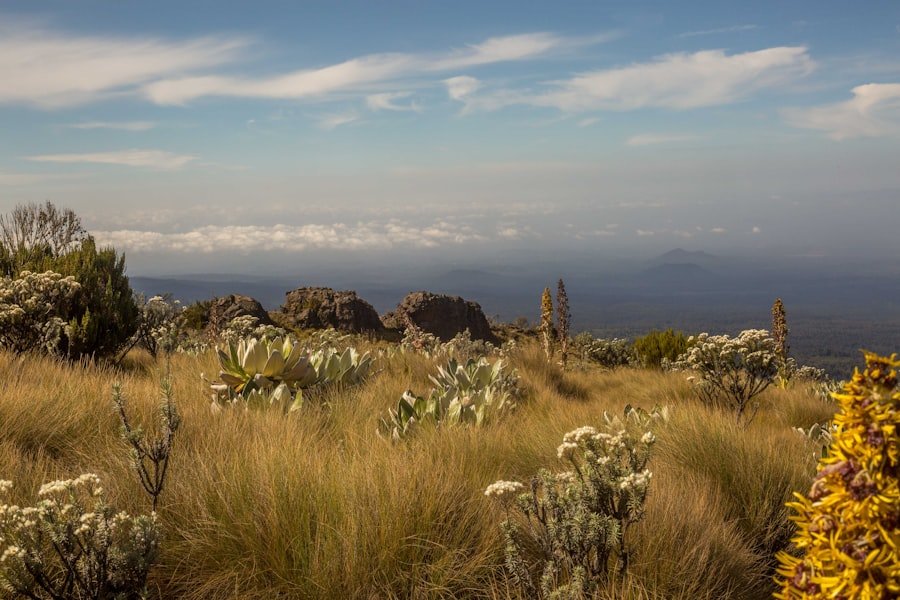
Hiking in the Lake Geneva region offers more than just natural beauty; it also provides an opportunity to explore historical and cultural sites that dot the landscape. One notable site is Château de Chillon, located on the shores of Lake Geneva near Montreux. This medieval castle dates back to the 12th century and has been beautifully preserved, allowing visitors to step back in time as they wander through its halls and courtyards.
The castle can be accessed via scenic trails that offer stunning views of both the structure and the surrounding lake. Another culturally significant site is the town of Yvoire, known for its well-preserved medieval architecture and charming flower-filled streets. Hikers can reach Yvoire via trails that wind through vineyards and along the lakeshore.
Once there, visitors can explore quaint shops selling local crafts and enjoy traditional French cuisine at one of the many restaurants overlooking the water. The combination of hiking and cultural exploration enriches the overall experience, making each trek not just a physical journey but also a voyage through history.
Safety Precautions and Emergency Preparedness
While hiking in the Lake Geneva region can be an exhilarating experience, it is essential to prioritize safety throughout your journey. Before setting out on any hike, inform someone about your plans, including your intended route and estimated return time. This precaution ensures that someone will be aware if you encounter any difficulties along the way.
Additionally, carrying a fully charged mobile phone can be invaluable for navigation or emergency communication. Understanding basic first aid principles is also beneficial when venturing into remote areas. A well-stocked first aid kit should include essentials such as band-aids, antiseptic wipes, pain relievers, and any personal medications you may need.
Familiarize yourself with common hiking injuries like sprains or blisters so you can address them promptly if they occur. Moreover, knowing how to recognize signs of altitude sickness or dehydration can help you respond effectively should these issues arise during your hike.
Conclusion and Recommendations
The Lake Geneva region stands out as an exceptional destination for hikers seeking both adventure and tranquility amidst stunning natural beauty. With its diverse trails catering to all skill levels, rich wildlife habitats, and historical landmarks along the way, this area offers an unparalleled outdoor experience. As you plan your hiking trip, consider factors such as trail difficulty, weather conditions, and safety precautions to ensure a memorable journey.
For those looking to immerse themselves fully in this enchanting region, it is recommended to explore various trails over multiple days if time permits. This approach allows hikers to appreciate not only the breathtaking landscapes but also the rich cultural tapestry woven throughout the area. Whether you are drawn by the allure of majestic mountains or the charm of quaint villages by the lake, hiking in the Lake Geneva region promises an adventure filled with discovery and wonder.
If you’re planning a trip to the Lake Geneva region and are interested in exploring its natural beauty through hiking, you might also enjoy discovering the local culinary delights. A related article that complements your outdoor adventure is Exploring the Delightful World of Asian Melon. This article delves into the unique flavors and health benefits of Asian melons, which could be a refreshing treat after a day of hiking. Whether you’re a seasoned hiker or a casual walker, pairing your journey with a taste of local produce can enhance your overall experience in the region.
FAQs
What are the best hikes in the Lake Geneva region?
Some of the best hikes in the Lake Geneva region include the Montreux Riviera, the Lavaux Vineyard Terraces, the Rochers-de-Naye, and the Jura Crest Trail.
What is the difficulty level of the hikes in the Lake Geneva region?
The difficulty level of the hikes in the Lake Geneva region varies, with options for both beginners and experienced hikers. Some trails are relatively easy and suitable for families, while others are more challenging and require a higher level of fitness.
What are the highlights of hiking in the Lake Geneva region?
Hiking in the Lake Geneva region offers stunning views of the lake, the surrounding mountains, and the picturesque vineyards. Hikers can also explore charming villages, historic sites, and diverse flora and fauna along the trails.
Are there guided hiking tours available in the Lake Geneva region?
Yes, there are guided hiking tours available in the Lake Geneva region. These tours are led by experienced local guides who provide insights into the region’s history, culture, and natural beauty.
What is the best time of year to go hiking in the Lake Geneva region?
The best time to go hiking in the Lake Geneva region is during the spring and summer months, from April to September. The weather is generally pleasant during this time, and the trails are at their most scenic with blooming flowers and lush greenery.
Are there any safety tips for hiking in the Lake Geneva region?
Some safety tips for hiking in the Lake Geneva region include staying on marked trails, carrying plenty of water and snacks, wearing appropriate footwear, and being aware of weather conditions. It’s also important to be mindful of wildlife and to respect the natural environment.