
Montgomery, Alabama, stands as a pivotal city in the narrative of the American civil rights movement. Its streets echo with the footsteps of those who bravely challenged systemic racism and fought for equality. The city was not only the birthplace of the Montgomery Bus Boycott but also a stage for numerous significant events that shaped the trajectory of civil rights in the United States.
The struggle for justice and equality in Montgomery is deeply intertwined with the lives of iconic figures such as Martin Luther King Jr., Rosa Parks, and countless unsung heroes who risked everything for the cause.
The city became a focal point for activism, where grassroots organizations mobilized communities to demand their rights.
The legacy of these efforts is preserved in various historical sites and museums that serve as reminders of the sacrifices made and the progress achieved. As visitors explore Montgomery, they are invited to engage with this rich history, reflecting on both the struggles and triumphs that have defined the quest for civil rights in America.
Key Takeaways
- Montgomery, Alabama played a significant role in the Civil Rights Movement
- The Rosa Parks Museum honors the legacy of the iconic civil rights activist
- The Civil Rights Memorial Center highlights key events and figures of the movement
- The Dexter Avenue King Memorial Baptist Church is a must-visit for its historical significance
- The National Memorial for Peace and Justice is a powerful tribute to victims of racial injustice
The Legacy of Rosa Parks at the Rosa Parks Museum
The Rosa Parks Museum, located on the campus of Troy University in Montgomery, is a tribute to one of the most iconic figures in the civil rights movement. Rosa Parks’ refusal to give up her seat to a white passenger on December 1, 1955, sparked the Montgomery Bus Boycott, a pivotal event that galvanized the fight against racial segregation. The museum not only chronicles Parks’ life but also contextualizes her actions within the broader civil rights movement.
Through interactive exhibits and historical artifacts, visitors gain insight into the social climate of Montgomery during the 1950s and the profound impact of Parks’ courageous stand. One of the museum’s most compelling features is its immersive experience that allows visitors to step into the shoes of those who participated in the boycott. The exhibits include a replica of the bus where Parks made her historic stand, providing a tangible connection to that momentous day.
Additionally, the museum highlights the collective efforts of activists who organized the boycott, showcasing how a community united in purpose can effect change. By honoring Rosa Parks’ legacy, the museum serves as a powerful reminder of the importance of individual action in the face of injustice.
The Importance of the Civil Rights Memorial Center
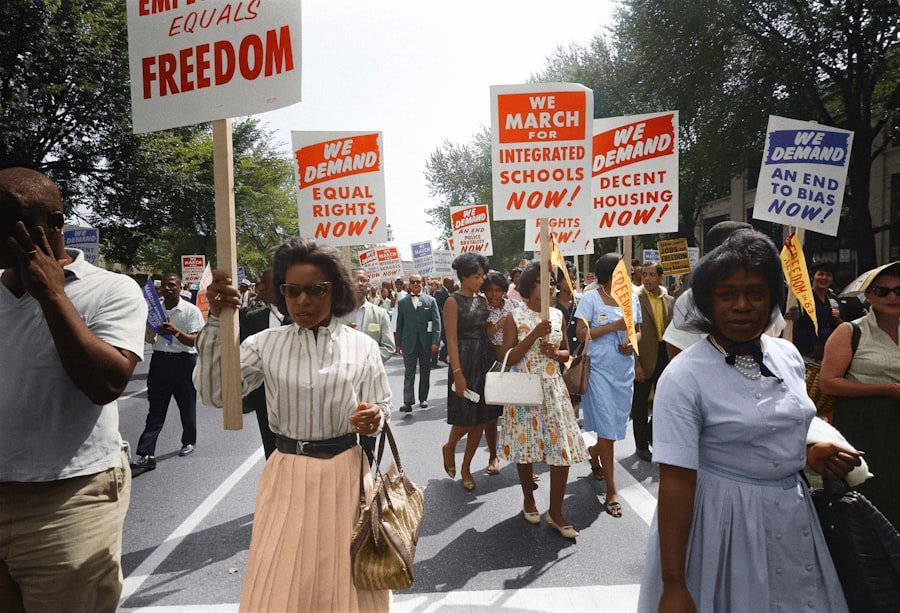
The Civil Rights Memorial Center, designed by renowned architect Maya Lin, stands as a solemn tribute to those who lost their lives in the struggle for civil rights. Located adjacent to the Southern Poverty Law Center, this memorial honors individuals who were murdered for their commitment to justice and equality. The centerpiece of the memorial is a black granite fountain inscribed with the names of martyrs, serving as a poignant reminder of the sacrifices made during this tumultuous period in American history.
Visitors to the Civil Rights Memorial Center can engage with multimedia exhibits that delve into the stories behind each name etched in stone. These narratives provide context for understanding the broader implications of their sacrifices and highlight the ongoing struggle for civil rights. The center emphasizes that while progress has been made, the fight against injustice continues.
By fostering reflection and dialogue, it encourages visitors to consider their role in promoting equality and social justice today.
Visiting the Dexter Avenue King Memorial Baptist Church
| Metrics | Data |
|---|---|
| Visitors per year | 100,000 |
| Opening hours | 9am – 4pm |
| Admission fee | Free |
| Guided tours | Available |
The Dexter Avenue King Memorial Baptist Church is not only an architectural gem but also a significant site in civil rights history. It was here that Dr. Martin Luther King Jr. served as pastor from 1954 to 1960, during which time he emerged as a prominent leader in the movement. The church played a crucial role as a meeting place for activists and strategists who organized protests and rallies aimed at dismantling segregation in Montgomery and beyond. A visit to this historic church offers an opportunity to explore King’s legacy firsthand. Guided tours provide insights into his philosophy of nonviolent resistance and his vision for a more just society. The church’s sanctuary, adorned with stained glass windows and historical artifacts, serves as a backdrop for understanding King’s spiritual and moral convictions that fueled his activism. Engaging with this space allows visitors to connect with the ideals that inspired a generation to stand up against oppression.
Exploring the National Memorial for Peace and Justice
The National Memorial for Peace and Justice, often referred to as the Lynching Memorial, is a groundbreaking site dedicated to acknowledging and confronting America’s history of racial terror. Opened in 2018, it serves as a powerful reminder of the thousands of African Americans who were lynched between 1877 and 1950. The memorial’s design is both haunting and thought-provoking, featuring over 800 steel monuments that represent each county where lynchings occurred.
Visitors are invited to reflect on this dark chapter in American history through poignant displays that detail individual stories and historical context. The memorial challenges visitors to confront uncomfortable truths about systemic racism and its enduring legacy in contemporary society. By fostering an environment of reflection and education, it aims to inspire dialogue about justice, reconciliation, and healing.
The National Memorial for Peace and Justice stands as a testament to the importance of acknowledging past atrocities as a means of moving forward toward a more equitable future.
The Significance of the Freedom Rides Museum

The Freedom Rides Museum is housed in what was once the Greyhound bus station where civil rights activists faced violent opposition during their quest to desegregate interstate travel. The Freedom Rides, which began in 1961, were a series of bus trips taken by interracial groups to challenge segregation laws in the South. The museum serves as a vital educational resource, detailing not only the events that transpired at this location but also the broader implications of the Freedom Rides on civil rights legislation.
Exhibits within the museum feature photographs, personal accounts, and artifacts from those who participated in these courageous journeys. Visitors can learn about the brutal attacks faced by riders at various stops along their route and how these acts of violence galvanized public support for civil rights reforms. The museum emphasizes that while progress has been made since those tumultuous times, ongoing challenges remain in achieving true equality.
By highlighting this critical chapter in American history, the Freedom Rides Museum encourages visitors to reflect on their own roles in advocating for justice today.
Walking through the historic Civil Rights District
The historic Civil Rights District in Montgomery is a living testament to the city’s rich history of activism and resilience. This area encompasses several key sites associated with the civil rights movement, including the Alabama State Capitol, where Martin Luther King Jr. delivered powerful speeches advocating for change.
As visitors stroll through this district, they encounter markers and monuments that commemorate significant events and figures who played pivotal roles in shaping civil rights history. Walking through this district offers an immersive experience that connects visitors with both past struggles and present realities. Each site tells a story—whether it’s the location where activists gathered to strategize or where pivotal events unfolded that would alter the course of American history.
The district serves not only as a historical archive but also as an invitation for reflection on ongoing social justice issues. Engaging with this space allows individuals to appreciate both the sacrifices made by those who came before them and their responsibility to continue advocating for equality.
Reflecting at the Southern Poverty Law Center’s Civil Rights Memorial
The Southern Poverty Law Center’s Civil Rights Memorial is an essential stop for anyone seeking to understand the ongoing fight for justice and equality in America. This memorial honors those who lost their lives fighting for civil rights while also serving as a call to action for future generations. The design features an elegant fountain surrounded by inscriptions that highlight key moments in civil rights history, creating an atmosphere conducive to reflection and contemplation.
Visitors are encouraged to engage with interactive displays that provide context about contemporary issues related to civil rights, including hate crimes, discrimination, and social justice advocacy. The memorial emphasizes that while significant progress has been made since the civil rights movement, challenges persist that require continued vigilance and activism. By fostering awareness and understanding, it inspires individuals to take an active role in promoting equality within their communities.
Montgomery’s rich tapestry of civil rights history offers invaluable lessons about resilience, courage, and collective action. Each site visited provides an opportunity not only to learn about past struggles but also to reflect on current challenges facing society today. Through these experiences, visitors are reminded that while progress has been made, there remains much work to be done in pursuit of true equality for all.
Montgomery, Alabama, is a city rich in civil rights history, with numerous sites that played pivotal roles in the movement. Visitors can explore landmarks such as the Rosa Parks Museum and the Dexter Avenue King Memorial Baptist Church, where Dr. Martin Luther King Jr. once preached. These sites offer a profound glimpse into the struggles and triumphs of the civil rights era. For those interested in exploring more cultural experiences, you might also enjoy reading about the delightful world of Asian melon, which offers a unique taste of Asian culinary traditions. Check out this related article: Exploring the Delightful World of Asian Melon.
FAQs
What are civil rights sites in Montgomery?
Civil rights sites in Montgomery are historical landmarks and locations that played a significant role in the civil rights movement in the United States. These sites are important for their historical significance and their role in the fight for equality and justice.
What are some notable civil rights sites in Montgomery?
Some notable civil rights sites in Montgomery include the Rosa Parks Museum, the Dexter Avenue King Memorial Baptist Church, the Civil Rights Memorial, and the Freedom Rides Museum. These sites commemorate the struggles and achievements of the civil rights movement in Montgomery.
Why are civil rights sites in Montgomery important?
Civil rights sites in Montgomery are important because they serve as reminders of the struggles and sacrifices made by individuals and communities in the fight for civil rights and equality. These sites also educate visitors about the history of the civil rights movement and its impact on American society.
How can I visit civil rights sites in Montgomery?
Visitors can visit civil rights sites in Montgomery by planning a trip to the city and exploring the various historical landmarks and museums dedicated to the civil rights movement. Many of these sites offer guided tours and educational programs to provide visitors with a deeper understanding of the history and significance of the civil rights movement in Montgomery.