
The Selma to Montgomery Trail is a historic route that traces the path of one of the most significant marches in American history, a pivotal event in the struggle for civil rights.
S. Route 80, connects the cities of Selma and Montgomery in Alabama.
It serves as a powerful reminder of the sacrifices made by countless individuals who fought for voting rights and social justice during the 1960s. The march, which took place in March 1965, was not merely a physical journey but also a symbolic one, representing the determination and resilience of those who sought to dismantle systemic racism and oppression. The Selma to Montgomery Trail is more than just a pathway; it is a living testament to the courage and tenacity of civil rights activists.
The march was organized by leaders such as Martin Luther King Jr., John Lewis, and Hosea Williams, who sought to draw national attention to the injustices faced by African Americans in the South. The trail has since become a site of pilgrimage for those who wish to honor the legacy of these leaders and the movement they represented. Walking this trail allows visitors to connect with the past, reflecting on the struggles endured and the progress made in the ongoing fight for equality.
Key Takeaways
- The Selma to Montgomery Trail is a historic route in Alabama that played a significant role in the Civil Rights Movement.
- The trail is a symbol of the struggle for voting rights and equality for African Americans in the United States.
- Visitors can explore historical landmarks along the trail, including the Edmund Pettus Bridge and the Alabama State Capitol.
- The trail served as a route for the famous 1965 Selma to Montgomery marches, which were pivotal in the fight for civil rights.
- When visiting the trail, be sure to plan ahead and consider joining events and activities that commemorate its historical significance.
The significance of the Selma to Montgomery Trail in American history
The Selma to Montgomery Trail holds immense significance in American history as it encapsulates a critical moment in the Civil Rights Movement. The march from Selma to Montgomery was sparked by the brutal murder of civil rights activist Jimmie Lee Jackson, who was shot by a state trooper while trying to protect his mother during a peaceful protest. This tragic event galvanized activists and led to a series of demonstrations aimed at securing voting rights for African Americans.
The march itself, which began on March 7, 1965, known as “Bloody Sunday,” was met with violent resistance from law enforcement, drawing national outrage and media attention. The events that unfolded during this march were instrumental in shaping public opinion and influencing legislation. The brutality witnessed on “Bloody Sunday” prompted President Lyndon Johnson to address Congress, leading to the introduction of the Voting Rights Act of 1965.
This landmark legislation aimed to eliminate barriers that prevented African Americans from exercising their right to vote, fundamentally transforming the political landscape of the United States. The Selma to Montgomery Trail thus stands as a symbol of both struggle and triumph, marking a turning point in the fight for civil rights and serving as a reminder of the ongoing challenges that remain.
Historical landmarks along the trail

As one traverses the Selma to Montgomery Trail, they encounter numerous historical landmarks that tell the story of the Civil Rights Movement and its key figures. One of the most notable sites is the Edmund Pettus Bridge in Selma, which became an iconic symbol of the struggle for voting rights. This bridge was the site of “Bloody Sunday,” where marchers were violently confronted by law enforcement as they attempted to cross it.
Today, the bridge stands as a memorial to those who fought for justice and equality, attracting visitors from around the world who come to pay their respects. Another significant landmark along the trail is Brown Chapel AME Church, which served as a meeting place for civil rights leaders and activists during the Selma campaign. This church was pivotal in organizing marches and rallies, providing a space for strategizing and mobilizing community support.
Visitors can explore its rich history and learn about the role it played in fostering unity among activists. Additionally, the Alabama State Capitol in Montgomery marks the endpoint of the march and symbolizes the culmination of the struggle for voting rights. The capitol steps are where Martin Luther King Jr.
delivered his powerful speech, urging for justice and equality, making it a site of profound historical importance.
The role of the trail in the Civil Rights Movement
| Trail | Role in Civil Rights Movement |
|---|---|
| Montgomery Bus Boycott | Sparked by Rosa Parks’ refusal to give up her seat, leading to a 381-day boycott and ultimately desegregation of buses. |
| March on Washington | Organized by civil rights leaders, including Martin Luther King Jr., to advocate for civil and economic rights for African Americans. |
| Freedom Rides | Protest against segregated bus terminals in the South, leading to federal intervention and desegregation of interstate transportation. |
| Selma to Montgomery March | Protest for voting rights, culminating in the passage of the Voting Rights Act of 1965. |
The Selma to Montgomery Trail played a crucial role in galvanizing support for the Civil Rights Movement, serving as both a physical route for demonstrators and a metaphorical pathway toward justice.
By walking this trail, activists were able to draw attention to their cause, mobilizing thousands of supporters who joined them along the way.
The sheer number of participants highlighted the widespread demand for change and underscored the urgency of their message. Moreover, the Selma to Montgomery Trail became a focal point for national media coverage, bringing issues of racial discrimination and disenfranchisement into living rooms across America. The images of peaceful protesters being met with violence shocked many citizens and prompted widespread outrage.
This media attention was instrumental in rallying support from various sectors of society, including religious groups, labor unions, and civil rights organizations. The march ultimately served as a catalyst for legislative change, leading to significant advancements in civil rights protections that continue to resonate today.
Tips for visiting the Selma to Montgomery Trail
For those interested in exploring the Selma to Montgomery Trail, there are several tips that can enhance the experience. First and foremost, it is advisable to plan ahead by researching key landmarks and historical sites along the route. Many visitors choose to walk or bike along portions of the trail, allowing them to immerse themselves in its history while taking in the surrounding landscapes.
Comfortable footwear is essential, as some sections may require considerable walking or biking. Additionally, engaging with local guides or participating in organized tours can provide valuable insights into the historical context of each landmark. Many organizations offer guided tours that delve into the stories behind significant events and figures associated with the trail.
These tours often include personal anecdotes from those who participated in the marches, adding depth and authenticity to the experience. Visitors should also consider timing their visit to coincide with commemorative events or educational programs that take place along the trail throughout the year.
Events and activities along the trail
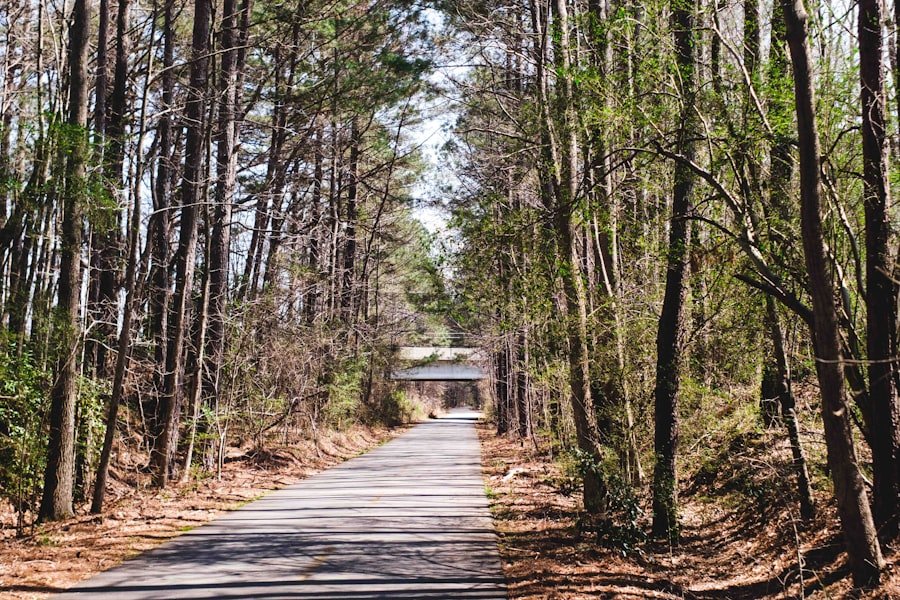
Throughout the year, various events and activities are held along the Selma to Montgomery Trail that celebrate its historical significance and promote ongoing discussions about civil rights. One of the most notable events is the annual Selma Bridge Crossing Jubilee, which commemorates “Bloody Sunday” and honors those who participated in the march. This multi-day event typically includes workshops, panel discussions, musical performances, and reenactments of key moments from the march.
It attracts thousands of participants from diverse backgrounds who come together to reflect on past struggles while advocating for current social justice issues. In addition to commemorative events, educational programs are often organized by local institutions and civil rights organizations. These programs aim to engage visitors with interactive exhibits, lectures, and discussions that explore themes related to civil rights history and contemporary challenges.
Activities such as guided walks along specific segments of the trail allow participants to connect with history on a personal level while fostering dialogue about ongoing efforts toward equality and justice.
The impact of the trail on modern civil rights movements
The legacy of the Selma to Montgomery Trail continues to resonate within modern civil rights movements across America and beyond. The trail serves as a powerful symbol of resilience and determination in the face of adversity, inspiring new generations of activists who seek to address contemporary issues such as voter suppression, racial inequality, and social justice. The lessons learned from the struggles faced during the Civil Rights Movement remain relevant today as communities grapple with systemic injustices that persist.
Moreover, many contemporary movements draw direct inspiration from the tactics employed during the Selma marches—nonviolent protest, grassroots organizing, and coalition-building among diverse groups. Activists today often reference Selma as they advocate for policies aimed at protecting voting rights and dismantling systemic racism. The trail stands as a reminder that progress is possible through collective action and unwavering commitment to justice.
Preserving the legacy of the Selma to Montgomery Trail
Preserving the legacy of the Selma to Montgomery Trail is essential not only for honoring those who fought for civil rights but also for ensuring that future generations understand this critical chapter in American history. Efforts are underway at both local and national levels to maintain historical sites along the trail and promote educational initiatives that highlight its significance. Organizations dedicated to preserving civil rights history work tirelessly to document stories from participants and create resources that facilitate learning about this important period.
In addition to preservation efforts, there is an ongoing commitment to fostering dialogue about civil rights issues through community engagement initiatives. By encouraging discussions around race relations, social justice, and civic participation, stakeholders aim to keep alive the spirit of activism that characterized the original marches. As visitors walk along this historic route today, they are not only retracing steps taken by courageous individuals but also participating in an ongoing narrative that seeks justice and equality for all people.
If you’re planning a journey along the historic Selma to Montgomery trail, you might also be interested in exploring the delightful world of Asian melon, which can be a refreshing treat after a long day of walking. This fruit is not only delicious but also packed with nutrients, making it a perfect snack for travelers. For more information on this delightful fruit, check out this related article: Exploring the Delightful World of Asian Melon.
FAQs
What is the Selma to Montgomery trail guide?
The Selma to Montgomery trail guide is a resource that provides information and directions for following the historic route of the 1965 Selma to Montgomery marches, which were pivotal events in the American civil rights movement.
What is the significance of the Selma to Montgomery marches?
The Selma to Montgomery marches were a series of nonviolent protests that were organized to advocate for the right of African Americans to vote. The marches played a crucial role in the passage of the Voting Rights Act of 1965, which aimed to overcome legal barriers at the state and local levels that prevented African Americans from exercising their right to vote.
What can visitors expect to see along the trail?
Visitors can expect to see historic sites, markers, and monuments that commemorate the events of the Selma to Montgomery marches. These include the Edmund Pettus Bridge, the site of “Bloody Sunday,” as well as the Alabama State Capitol, where the marches concluded with a rally.
How long is the Selma to Montgomery trail?
The trail covers a distance of approximately 54 miles, following the route taken by the marchers from Selma to Montgomery.
Is the trail accessible to the public?
Yes, the trail is open to the public and can be explored by foot, bicycle, or car. There are also guided tours available for those who wish to learn more about the history and significance of the trail.
Are there any visitor centers or facilities along the trail?
There are visitor centers and facilities located along the trail, providing information, restrooms, and other amenities for visitors. These facilities can be useful for planning and navigating the trail.