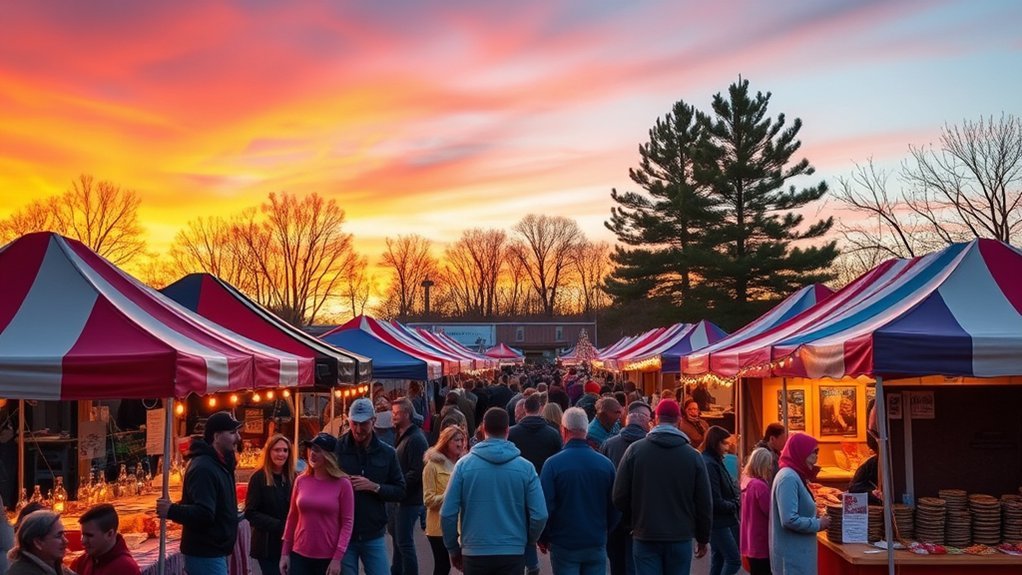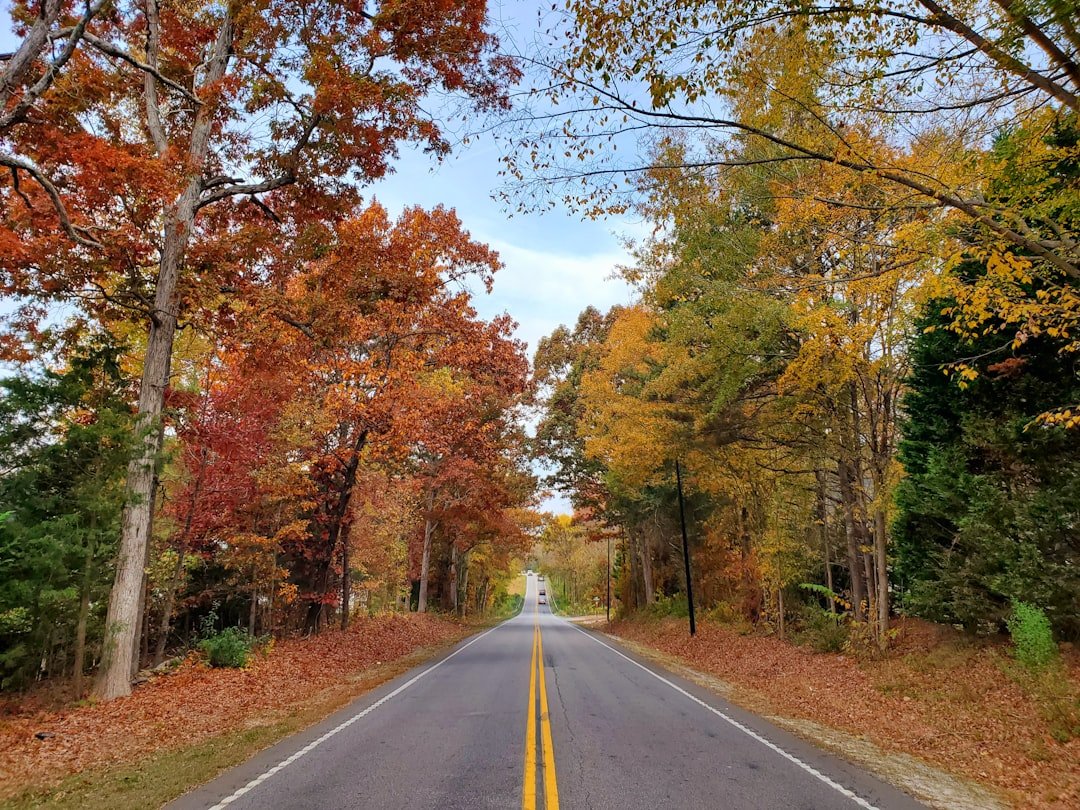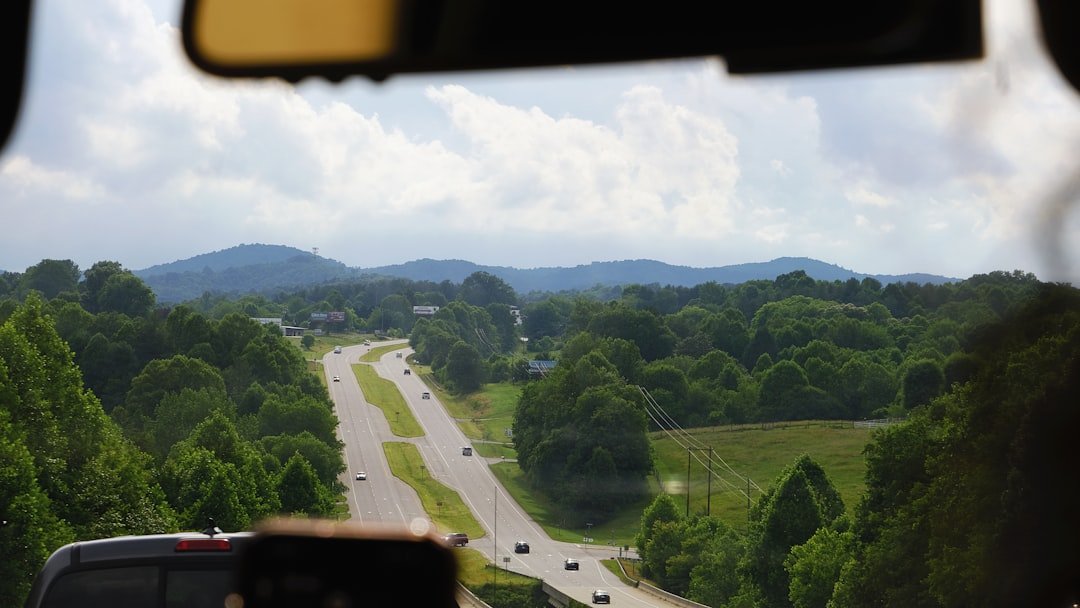
Alabama rewards first-time visitors who plan by region instead of trying to see the whole state in one rushed trip. North Alabama offers mountain scenery, Huntsville’s space history, and the Muscle Shoals music story. Central Alabama is rich in civil rights history and city culture, while the south adds Mobile’s historic sites, Gulf Coast beaches, seafood, and outdoor recreation.
Quick Answer
For a first visit to Alabama, choose two or three regions and combine history, outdoor time, and local food. Strong first-trip stops include Huntsville, Birmingham, Montgomery, Mobile, Gulf Shores or Orange Beach, and one nature destination such as Cheaha State Park. Spring and fall are especially comfortable for mixed sightseeing.
Key Takeaways
- Plan around a few regions rather than attempting a full-state loop in a short visit.
- Top first-time experiences include the U.S. Space & Rocket Center, Birmingham’s Civil Rights District, Montgomery’s civil rights sites, Mobile, and the Gulf Coast.
- For outdoor time, consider Cheaha State Park, Gulf State Park, hiking, biking, paddling, fishing, and beach activities.
- A car is the simplest option for most multi-city itineraries, and road conditions should be checked before long drives.
- Expect hot, humid summers. Monitor severe-weather alerts, hurricane forecasts during the Atlantic season, and beach warning flags on the coast.
- Leave room for Alabama barbecue, Gulf seafood, Southern staples, and the state’s influential music heritage.
Plan Your First Alabama Trip by Region
Alabama stretches from the southern Appalachian foothills to the Gulf of Mexico, so the experience changes noticeably from north to south. The Alabama Tourism Department groups the state into northern, central, and southern regions, which is a practical way to build a first itinerary.
- North Alabama: Base in Huntsville for space attractions, then add the Shoals for music history or a mountain stop for hiking and scenic views.
- Central Alabama: Birmingham works well for civil rights history, museums, food, and city attractions. Montgomery adds major sites connected to slavery, racial injustice, the Civil Rights Movement, and voting-rights history.
- South Alabama: Mobile combines more than three centuries of local history with museums and the USS ALABAMA, while Gulf Shores and Orange Beach focus on beaches and coastal recreation.
Pro Tip: If you have only a long weekend, stay in one region. With roughly four to seven days, two or three regions usually give you a better balance of sightseeing and driving time.
Must-See Attractions in Alabama
Alabama has major attractions for space, civil rights, military, music, and coastal history. In Huntsville, the U.S. Space & Rocket Center displays an authentic Saturn V rocket designated as a National Historic Landmark, along with space and science exhibits.
Birmingham’s Civil Rights District deserves unhurried time. The Birmingham Civil Rights National Monument connects visitors with sites including 16th Street Baptist Church, Kelly Ingram Park, and the A.G. Gaston Motel. The nearby Birmingham Civil Rights Institute presents the wider history of segregation, protest, and the continuing struggle for human rights. The 1963 bombing of 16th Street Baptist Church killed four girls and became one of the defining tragedies of the Civil Rights era.
In Montgomery, the Equal Justice Initiative’s Legacy Sites explore the history and legacy of slavery, racial terror, segregation, and mass incarceration. Travelers interested in voting-rights history can also follow the Selma to Montgomery National Historic Trail, which commemorates the 1965 voting-rights marches along a 54-mile route.
Farther south, Mobile combines historic neighborhoods and museums with USS ALABAMA Battleship Memorial Park. It is a strong stop for travelers interested in military and maritime history before continuing to the beaches.
Outdoor Activities in Alabama
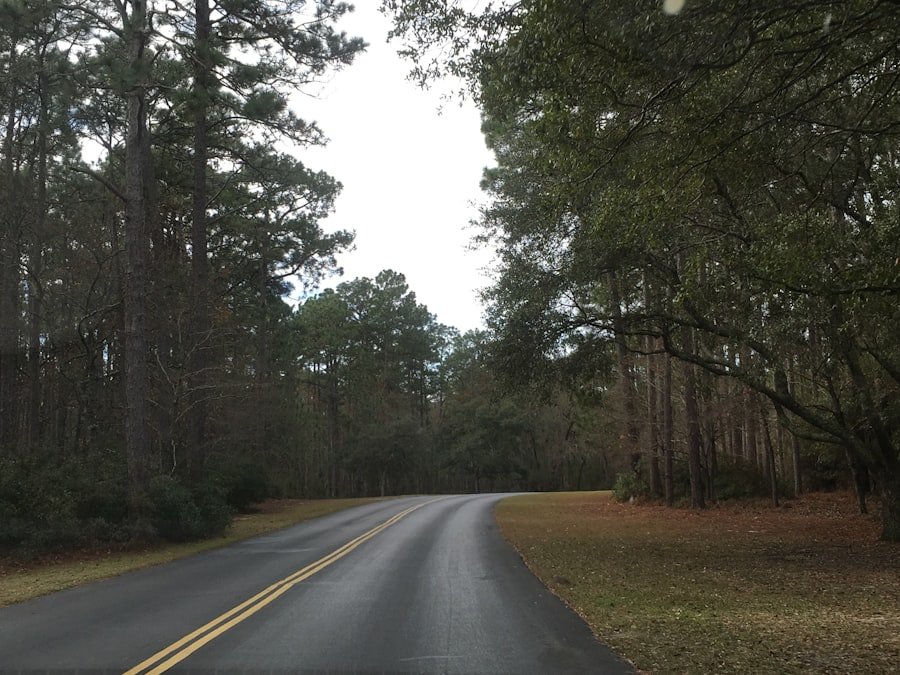
Alabama’s outdoor options range from Appalachian trails to Gulf Coast beaches. Cheaha State Park contains the state’s highest point at 2,407 feet above sea level. The park offers hiking, camping, overlooks, cabins, and access to the surrounding Talladega National Forest.
On the coast, Gulf State Park offers beaches, hiking, biking, paddling, fishing, camping, and nature programs. Its Fishing and Education Pier provides Gulf views and fishing access, but anglers should check current permit and license requirements before casting.
Other outdoor possibilities include lake fishing, river paddling, birding, mountain biking, and camping. If fishing is part of your trip, check the Alabama Department of Conservation and Natural Resources for current licenses, seasons, limits, and regulations.
Warning: Gulf conditions can change quickly. Check beach warning flags and local forecasts before swimming, and follow posted guidance for rip currents, lightning, wildlife, and storm conditions.
Alabama’s Rich History and Culture
| Category | Data/Metric |
|---|---|
| Statehood | December 14, 1819 |
| Capital | Montgomery |
| Population | 5,193,088, U.S. Census Bureau estimate for July 1, 2025 |
| Official State Bird | Yellowhammer |
| Historical Sites | Historic properties, districts, parks, monuments, museums, and National Register listings are found throughout the state. |
| Cultural Influences | Native American, African American, European American, Gulf Coast, Appalachian, and other regional traditions |
Alabama’s history includes Native nations and communities, European colonization, statehood, slavery, the Civil War, Reconstruction, industrial growth, and central chapters of the modern Civil Rights Movement. Because many sites interpret painful history, allow enough time to read exhibits and approach memorial spaces respectfully rather than treating them as quick photo stops.
Music is another major part of Alabama’s cultural story. In the Shoals, the musicians who became known as the Swampers first worked at FAME Studios before opening Muscle Shoals Sound Studio in 1969. The studio’s official history documents recordings by artists including the Rolling Stones and the wider influence of the Muscle Shoals sound.
Birmingham’s Alabama Jazz Hall of Fame adds another music stop, with exhibits and performances connected to the state’s jazz legacy. Festivals, local venues, museums, and community events provide additional ways to experience Alabama’s culture throughout the year.
Alabama is easiest to understand when you connect its places: civil rights landmarks, music studios, industrial cities, mountain landscapes, Black Belt communities, historic Mobile, and the Gulf Coast all tell different parts of the state’s story.
Alabama’s Culinary Delights
Food is one of the easiest ways to experience regional Alabama. Barbecue is a major tradition, but styles vary by pitmaster and community. You may encounter pulled pork, ribs, smoked chicken, and Alabama-style white sauce. Southern staples such as biscuits, collard greens, cornbread, fried catfish, and banana pudding also appear across the state.
Along the Gulf Coast, look for shrimp, oysters, fish, and other seafood when locally available. Dishes such as shrimp and grits, fried fish, and hushpuppies are common choices in coastal and Southern restaurants.
Note: The World Championship Barbecue Cooking Contest is not held in Birmingham. It is a Memphis in May event in Memphis, Tennessee. In Alabama, focus instead on local barbecue restaurants, regional cook-offs, and each community’s own food traditions.
Best Time to Visit Alabama
Spring and fall are usually the most comfortable seasons for a trip that mixes cities, hiking, and outdoor sightseeing. Summer is a natural fit for Gulf Coast vacations, but it can be hot and humid throughout the state. Winter can work well for museums, historic sites, and lower-key city trips, although cold snaps and occasional winter weather are possible.
Weather should be part of your planning in every season. The National Weather Service notes that Alabama can experience severe thunderstorms, tornadoes, heat, lightning, and tropical-weather impacts. Atlantic hurricane season runs from June 1 through November 30, so coastal visitors during that period should monitor forecasts and know their lodging’s storm procedures.
Tips for Navigating Alabama
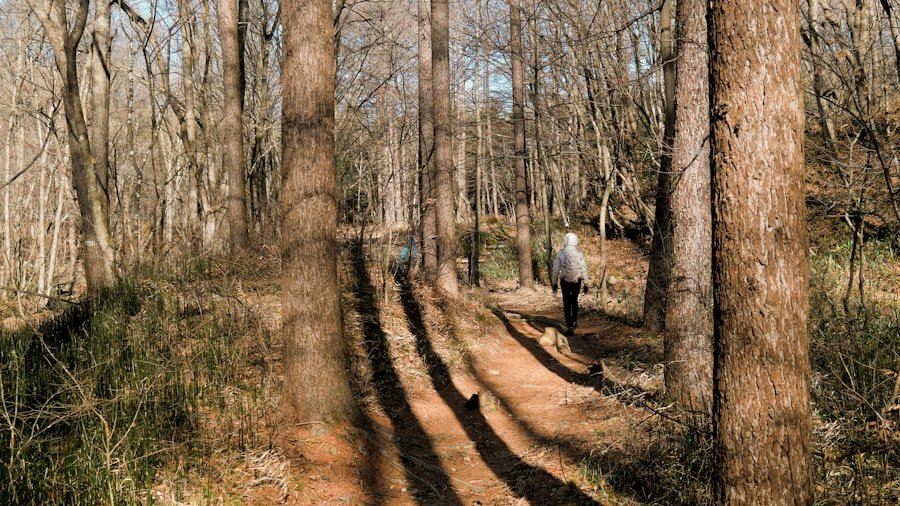
For most first-time visitors who want to combine several cities or parks, driving is the most flexible option. Alabama’s attractions are spread across the state, and many nature areas are not practical to reach without a car. Build extra time into travel days rather than stacking several major attractions back to back.
Before a long drive, check the Alabama Department of Transportation travel page for current road conditions, construction information, traffic cameras, and evacuation information. When visiting a museum, historic site, studio, park, or paid attraction, verify current hours and ticket rules on the official website before you leave.
- Reserve ahead when it matters: Popular lodging on the Gulf Coast, state-park cabins and campsites, tours, and special events may sell out.
- Do not overpack the schedule: Civil rights museums and memorial sites can take several hours if you engage with the exhibits fully.
- Watch time zones on side trips: Alabama is in the Central Time Zone, but nearby destinations in other states may use a different time zone.
- Check event calendars: Football weekends, festivals, concerts, and beach-season demand can affect traffic and lodging availability.
Suggested First-Visit Itineraries
Three-Day City and History Trip
Base yourself in Birmingham or Montgomery. Spend one day in Birmingham’s Civil Rights District and food neighborhoods, one day exploring Montgomery’s Legacy Sites and other downtown history, and use the final day for another museum, a nearby historic stop, or a relaxed drive between the two cities.
Five-Day North and Central Alabama Trip
Start in Huntsville with the U.S. Space & Rocket Center. Add a day in the Shoals for music history, then continue to Birmingham for civil rights sites, museums, restaurants, and an optional outdoor stop. This route gives you science, music, history, and city culture without requiring a Gulf Coast detour.
Seven-Day Alabama Highlights Trip
Combine Huntsville, Birmingham, Montgomery, Mobile, and the Gulf Coast, but keep the schedule selective. Choose one or two headline attractions in each area and leave room for meals, travel time, weather changes, and spontaneous stops. If beaches are your priority, give the coast at least two nights instead of treating it as a quick turnaround.
Safety and Etiquette in Alabama
Use the same basic precautions you would in any unfamiliar destination: stay aware of your surroundings, secure valuables, choose well-lit areas at night, and follow local parking and traffic rules. For outdoor trips, carry water, use sun protection, and check trail or park conditions before setting out.
Weather deserves special attention. If a severe thunderstorm or tornado warning is issued, move to a sturdy shelter and follow National Weather Service guidance. At the beach, check warning flags and rip-current forecasts before entering the water. During tropical-weather threats, follow official evacuation instructions rather than relying on social-media rumors.
Southern hospitality is often part of the visitor experience, and basic courtesy goes a long way. At churches, memorials, cemeteries, civil rights sites, and museums interpreting violence or injustice, keep voices low when appropriate, follow photography rules, and give other visitors space to reflect.
Weather Safety: Check official forecasts before hiking, boating, beachgoing, or making a long drive. If thunder is audible, move indoors. If a tornado warning is issued, seek a sturdy shelter away from windows and put as many walls as possible between you and the outside.
Making the Most of Your First Visit to Alabama
Your first Alabama trip will be stronger if you choose depth over distance. Pair a major history or cultural attraction with something lighter each day, such as a park, neighborhood walk, local meal, live music stop, or scenic drive. That rhythm makes it easier to absorb the state’s complicated history while still enjoying its landscapes and hospitality.
Talk with museum staff, park rangers, guides, and local business owners when the opportunity arises. They can often explain the context behind a place in ways a quick online search cannot. Whether you are standing below a Saturn V in Huntsville, walking through Birmingham’s Civil Rights District, listening to music history in the Shoals, exploring Mobile, hiking at Cheaha, or watching the Gulf from the coast, each stop adds a different layer to the Alabama story.
If you also enjoy learning about unusual produce and food ingredients while traveling, this separate article explores the delightful world of Asian melon.
Frequently Asked Questions
What are some must-see attractions for first-time visitors to Alabama?
Strong first-time choices include the U.S. Space & Rocket Center in Huntsville, Birmingham’s Civil Rights District, the Legacy Sites in Montgomery, USS ALABAMA Battleship Memorial Park in Mobile, and Gulf State Park or the beaches around Gulf Shores and Orange Beach.
What are some popular outdoor activities in Alabama?
Popular options include hiking, camping, fishing, paddling, biking, birding, boating, and beach activities. Cheaha State Park is a good mountain choice, while Gulf State Park combines beaches, trails, fishing, camping, and coastal nature.
What is the best time of year to visit Alabama?
Spring and fall are usually best for a trip that combines cities and outdoor sightseeing because temperatures are generally more comfortable. Summer works well for beach trips but is hot and humid, while winter can be good for museums and historic sites.
What are some traditional dishes to try in Alabama?
Look for barbecue, smoked chicken with Alabama-style white sauce, fried catfish, shrimp and grits, biscuits, collard greens, cornbread, hushpuppies, Gulf seafood, and Southern desserts such as banana pudding or pecan pie.
What cultural experiences should I explore in Alabama?
Explore civil rights sites in Birmingham, Montgomery, and along the Selma to Montgomery route; music history in the Shoals and at the Alabama Jazz Hall of Fame; museums and historic places in Mobile; and local festivals, performances, and community events.
Do I need a car for a first trip to Alabama?
A car is the easiest choice for most multi-city trips because attractions, parks, and coastal destinations are spread across the state. If you are staying only in one downtown area, you may be able to combine walking, rideshare, and local transportation.
How many days should I spend in Alabama on my first visit?
Three days is enough for one focused region. Four to seven days gives you time to combine two or three regions without making every day a long driving day. A full week works best for a broader highlights route that includes both inland cities and the coast.
What weather hazards should Alabama visitors know about?
Alabama can experience severe thunderstorms, tornadoes, extreme heat, lightning, flooding, and tropical-weather impacts. Coastal visitors should also pay attention to rip currents and beach warning flags. Atlantic hurricane season runs from June 1 through November 30.
Sources
- Alabama Tourism Department – regional trip planning and destination coverage.
- U.S. Census Bureau QuickFacts: Alabama – current state population estimate.
- Alabama State Parks: Cheaha State Park – elevation, park access, and outdoor information.
- National Park Service: Birmingham Civil Rights National Monument – civil rights history and visitor context.
- Alabama Department of Transportation – traffic, road conditions, construction, and evacuation information.
- National Weather Service Birmingham – heat, hurricane, lightning, and rip-current safety guidance.