Selma, Alabama, is one of the most important destinations in the United States for understanding the modern Civil Rights Movement. Incorporated in 1820 on the Alabama River, the city first grew through river transportation, trade, and the Black Belt cotton economy. Today, its strongest national identity comes from the 1965 voting-rights campaign and the Selma to Montgomery marches.
On March 7, 1965, about 600 voting-rights marchers crossed the Edmund Pettus Bridge and were violently attacked by law-enforcement officers in the event now known as Bloody Sunday. After another attempted march and a federal court ruling protecting the demonstrators’ right to march, the final Selma to Montgomery march began March 21 and reached Montgomery on March 25. The campaign became an important catalyst for the Voting Rights Act of 1965. Visitors can learn more through the National Park Service’s Selma to Montgomery National Historic Trail.
Quick Answer
Selma is best visited for its Civil Rights landmarks, especially the Edmund Pettus Bridge, Selma Interpretive Center, Brown Chapel AME Church, National Voting Rights Museum, and related sites. Allow at least one full day for the city, or two days if you also want museums, historic homes, parks, and the Selma to Montgomery driving route.
Key Takeaways
- Selma played a central role in the 1965 voting-rights campaign and Selma to Montgomery marches.
- Top historical stops include the Edmund Pettus Bridge, Selma Interpretive Center, Brown Chapel AME Church, National Voting Rights Museum and Institute, and Old Depot Museum.
- The historic St. James Hotel is an important Selma landmark, but its operating status has changed repeatedly, so confirm current bookability before planning a stay there.
- Hampton Inn Selma is a current chain-hotel option with free breakfast, Wi-Fi, parking, an indoor pool, and a fitness center.
- Selma’s food scene includes barbecue, Southern cooking, coffee, seafood, and casual local restaurants, but business hours and locations can change.
- Paul M. Grist State Park offers fishing, paddling, swimming, birding, hiking, camping, and picnicking around a 100-acre lake.
- The Bridge Crossing Jubilee is the city’s signature annual commemoration, generally held during the first week of March.
- Driving is the easiest way to explore Selma and the wider 54-mile Selma to Montgomery National Historic Trail.
Top Attractions in Selma
Selma’s most important attractions are closely tied to its Civil Rights history, but visitors can also explore museums, historic architecture, the riverfront, and nearby archaeological sites.
Edmund Pettus Bridge and Selma Interpretive Center
The Edmund Pettus Bridge is the best-known landmark in Selma. It carries the historic route across the Alabama River and became an international symbol of the voting-rights struggle after Bloody Sunday on March 7, 1965.
At the foot of the bridge, the Selma Interpretive Center serves as a visitor center for the Selma to Montgomery National Historic Trail. It is a useful first stop because its exhibits introduce the people, places, and events connected with the marches. Check the National Park Service visitor information for current operating details before your trip.
The Selma to Montgomery National Historic Trail follows roughly 54 miles of the historic march route from Selma toward the Alabama State Capitol in Montgomery.
Brown Chapel AME Church and First Baptist Church
Brown Chapel AME Church was a major gathering place during the Selma voting-rights campaign and the starting point for the historic marches. Nearby First Baptist Church also played a pivotal role and served as an important organizing center for the Student Nonviolent Coordinating Committee during the movement.
These are active religious and historic sites rather than ordinary tourist attractions. Check access arrangements before arriving and treat services, congregations, memorials, and historic spaces with respect.
National Voting Rights Museum and Institute
Located near the bridge, the National Voting Rights Museum and Institute preserves memorabilia, exhibits, photographs, and stories associated with the struggle for voting rights. It adds valuable personal and local context to the broader history explained by the National Park Service.
Old Depot Museum and Sturdivant Hall
The Old Depot Museum covers a wider span of Selma history, from the city’s early development through the Civil War and Civil Rights era. The local tourism directory currently lists the museum at 4 Martin Luther King Street.
Sturdivant Hall provides a different perspective on Selma’s architectural history. The Greek Revival house functions as a museum with period interiors, a detached kitchen, formal garden, and exhibits. Hours and admission policies can change, so confirm them before visiting.
Old Cahawba Archaeological Park
If you have extra time and a car, consider nearby Old Cahawba Archaeological Park. Cahawba was Alabama’s first state capital and later became an abandoned river town. Today, visitors can explore archaeological remains, old streets, cemeteries, and river landscapes.
Pro Tip: Start at the Selma Interpretive Center before visiting the bridge and nearby Civil Rights landmarks. Having the historical sequence in mind makes the rest of the city easier to understand.
Where to Stay in Selma
Travelers can choose between modern chain lodging and historic properties in and around Selma. Location matters: staying near downtown makes the bridge and central historic district easier to reach, while hotels along U.S. 80 provide convenient road access.
St. James Hotel
The St. James Hotel, built in the 1830s on Water Avenue overlooking the Alabama River, is one of Selma’s best-known historic buildings. It has operated as a hotel during several periods of its long history and has undergone major restorations.
However, visitors should not assume that rooms are currently available. The hotel’s operating status has changed repeatedly in recent years, including a closure in 2025 and subsequent efforts to arrange another reopening. Check current direct booking availability before relying on it for accommodation.
Hampton Inn Selma
For travelers who prefer a conventional chain hotel, the Hampton Inn Selma is currently listed by Hilton on West Highland Avenue near U.S. 80. Amenities include free hot breakfast, Wi-Fi, free parking, an indoor pool, and a fitness center.
Budget-conscious travelers can also compare other inns and motels in the area. Because hotel ownership, branding, rates, and operating status can change, check your exact dates directly with the property before traveling.
Dining and Nightlife in Selma
| Category | What to Expect | Planning Note |
| Southern & barbecue | Barbecue, meat-and-three plates, sandwiches, and traditional Southern dishes | Lannie’s BBQ is among the local restaurants promoted by Alabama tourism. |
| Coffee & breakfast | Coffee, breakfast items, pastries, and casual daytime meals | The former Coffee Shoppe on Broad Street closed in 2026 and merged into Reflections Coffee Shoppe on Water Avenue. |
| River & marina dining | Casual meals near the Alabama River and City Marina | The local tourism directory lists The Sand Bar at City Marina. Confirm current hours before going. |
| Evening entertainment | Bars, special events, and occasional live entertainment | Schedules vary, so check same-day listings rather than assuming regular nightly entertainment. |
Selma’s dining scene reflects its Southern roots, with barbecue, comfort food, seafood, coffee, and casual local restaurants. One important change affects older travel guides: The Coffee Shoppe’s longtime Broad Street location closed in January 2026, with its operation merged into Reflections Coffee Shoppe on Water Avenue.
Barbecue remains one of Selma’s better-known local food traditions. Lannie’s BBQ Spot appears in Alabama tourism listings and is a practical option for travelers who want a classic regional meal.
Older listings may also mention restaurants such as Riverfront Grill. Because locally owned restaurants can change names, ownership, hours, and menus quickly, verify the specific restaurant before building your itinerary around it. The same advice applies to nightlife and live-music venues.
Note: Do not rely on old restaurant counts or average-rating tables for Selma. Local openings and closures can make those figures obsolete quickly.
Outdoor Activities in Selma
The Alabama River is central to Selma’s landscape and supports fishing, boating, and other water-based recreation. The City Marina is used by local and visiting anglers, while riverfront parks provide easier options for visitors who simply want to walk or enjoy the view.
Paul M. Grist State Park
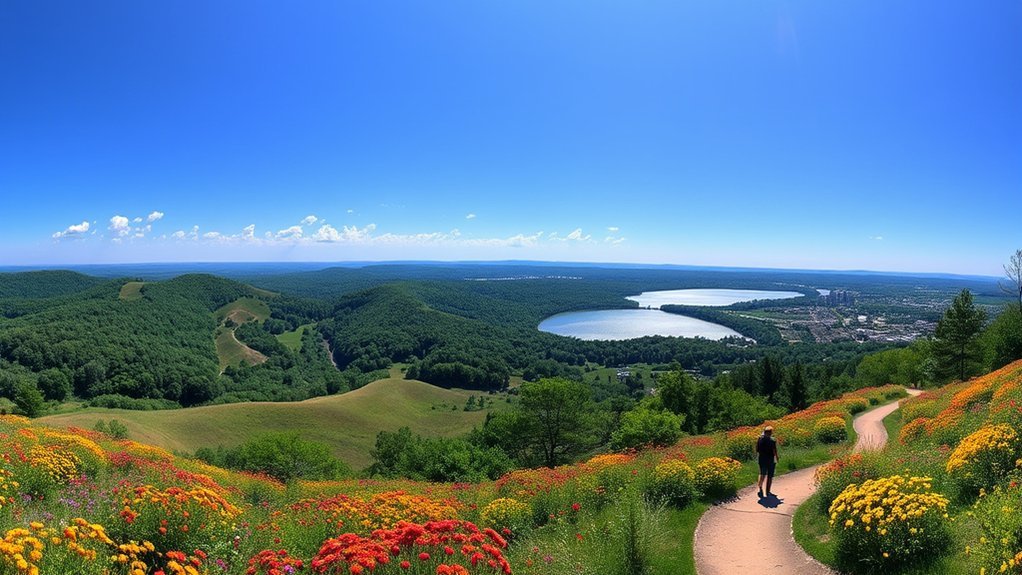
Paul M. Grist State Park, north of central Selma, covers approximately 1,080 acres and is centered on a 100-acre lake. Alabama State Parks lists fishing, paddling, swimming, birding, camping, picnicking, and other outdoor recreation among its attractions.
The lake is stocked with bass, bluegill, redear sunfish, and catfish. Gasoline-powered motors are not permitted on the lake, while electric trolling motors are allowed.
Riverfront and City Parks
Within Selma, Riverfront Park provides a simpler outdoor break close to downtown and the historic district. Visitors can combine a riverfront walk with the Edmund Pettus Bridge and Water Avenue rather than making a separate trip across town.
Warning: Central Alabama can be very hot and humid in summer. Carry water, use sun protection, and avoid scheduling your longest outdoor walks during the hottest part of the afternoon when temperatures are high.
Events and Festivals in Selma
Bridge Crossing Jubilee
The Bridge Crossing Jubilee is Selma’s signature Civil Rights commemoration. It is generally held during the first week of March in remembrance of Bloody Sunday and includes ceremonies, educational programs, community events, and the commemorative bridge crossing.
Large crowds can affect parking and traffic. During Jubilee Sunday, the Edmund Pettus Bridge may close to vehicles, and parking spaces close to the historic district can fill early. Check the National Park Service Jubilee visitor information and the event’s current schedule before traveling.
Other Annual Events
The Selma and Dallas County annual-events calendar also lists events such as the Historic Selma Pilgrimage, Battle of Selma Re-enactment, art events, community celebrations, and seasonal programs. Dates and formats may change from one year to the next, so confirm the schedule before booking a trip specifically around an event.
Getting Around Selma
A car is the most practical way to reach Selma and explore sites outside the compact downtown area. U.S. Highway 80 is especially important because it connects Selma with Montgomery and follows much of the historic march route.
From Montgomery, National Park Service directions send travelers west on U.S. 80 for approximately 51 miles to Selma. Travelers arriving via Interstate 65 generally connect with U.S. 80 in the Montgomery area rather than following I-65 directly into Selma. See the official NPS directions before driving the historic trail.
Once downtown, several major Civil Rights sites are close enough to combine on foot, including the Selma Interpretive Center, Edmund Pettus Bridge, Brown Chapel area, and other historic streets. Parking is usually easier on ordinary days than during major events.
Taxi and app-based ride availability can vary, especially outside peak periods, so travelers without a car should check transportation availability in advance rather than assuming a ride will always be available.
Flying to Selma
Montgomery Regional Airport is the most practical nearby commercial airport for many visitors. From the airport and Montgomery area, travelers can reach the Selma corridor using U.S. 80. Rental-car availability and flight schedules should be checked for your dates.
How Long to Spend in Selma
One full day is enough to see Selma’s most important Civil Rights landmarks at a thoughtful pace. Two days are better if you also want to visit additional museums, historic homes, Paul M. Grist State Park, or nearby Old Cahawba.
If you plan to follow the Selma to Montgomery National Historic Trail all the way toward Montgomery, treat that as a separate half-day or full-day experience depending on how many interpretive stops you make.
A Suggested One-Day Selma Itinerary
- Morning: Begin at the Selma Interpretive Center for historical context.
- Walk the Edmund Pettus Bridge: Take time to understand what occurred there on Bloody Sunday rather than treating it only as a photo stop.
- Visit Brown Chapel AME Church and the surrounding historic area: Check access arrangements in advance.
- Late morning or early afternoon: Visit the National Voting Rights Museum and Institute.
- Lunch: Choose a current local barbecue, Southern, café, or riverfront option.
- Afternoon: Visit Old Depot Museum, Sturdivant Hall, or another historic site according to current hours.
- Late afternoon: Walk Water Avenue or Riverfront Park and return to the bridge area for Alabama River views.
Best Time to Visit Selma
Spring and fall are generally the most comfortable seasons for walking through Selma’s historic areas because temperatures are usually milder than in midsummer. March is especially meaningful for Civil Rights history because of the Bridge Crossing Jubilee, but it also brings larger crowds and temporary traffic changes.
Summer trips are still possible, but plan outdoor sightseeing earlier in the morning, take breaks indoors, and carry plenty of water. Winter can be quieter, though individual attractions may operate reduced schedules around holidays.
Tips for Visiting Selma
- Start with historical context. The Selma Interpretive Center can make later stops more meaningful.
- Verify opening hours. Museums, churches, historic homes, restaurants, and hotels may change hours or operating status.
- Allow time rather than rushing. Selma’s Civil Rights sites are places for reflection, not simply a checklist of photo opportunities.
- Wear comfortable shoes. Downtown sightseeing involves walking between several historic locations.
- Bring water in warm weather. Summer heat and humidity can make even short outdoor walks tiring.
- Expect event-day traffic changes. Jubilee and other major events can affect bridge access, downtown streets, and parking.
- Talk with local guides when available. Guided walks and interpretation can add stories and context that are difficult to get from signs alone.
- Respect active churches and memorial spaces. Ask before photographing private ceremonies or entering areas that are not clearly open to visitors.
Selma’s history becomes more meaningful when visitors take time to listen to local perspectives and understand how individual sites connect to the larger voting-rights movement. The city’s importance reaches well beyond the bridge itself.
Optional related reading: If you’re interested in exploring food topics beyond Selma’s local culinary scene, the existing article Exploring the Delightful World of Asian Melon looks at varieties of Asian melon, their cultural significance, and culinary uses.
Frequently Asked Questions
What are the top attractions in Selma?
The most important attractions include the Edmund Pettus Bridge, Selma Interpretive Center, Brown Chapel AME Church, National Voting Rights Museum and Institute, Old Depot Museum, and Sturdivant Hall. Travelers with extra time can also visit Old Cahawba Archaeological Park and Paul M. Grist State Park.
What is the best time to visit Selma?
Spring and fall usually provide the most comfortable conditions for walking and sightseeing. Early March is especially significant because of the Bridge Crossing Jubilee, although visitors should expect larger crowds, limited nearby parking, and possible road closures.
What are some popular events and festivals in Selma?
The Bridge Crossing Jubilee is the best-known annual event. The local annual-events calendar also includes the Historic Selma Pilgrimage, Battle of Selma Re-enactment, art events, and community celebrations. Check current dates before traveling because schedules can change.
What are the dining options in Selma?
Selma has barbecue, Southern cooking, cafés, seafood, Mexican food, and other casual restaurants. Older guides may contain outdated restaurant information, so verify the location and hours of any locally owned restaurant before visiting.
What outdoor activities are available in Selma?
Visitors can enjoy riverfront walks, fishing, boating, and nearby park recreation. Paul M. Grist State Park offers a 100-acre lake along with fishing, paddling, swimming, birding, hiking, camping, and picnic facilities.
What are the transportation options in Selma?
Driving is the easiest option. U.S. Highway 80 connects Selma with Montgomery and follows much of the historic Selma to Montgomery march route. Montgomery Regional Airport is a practical nearby commercial airport. Taxi and app-based ride availability may vary, so check ahead if you are traveling without a car.
How many days do you need in Selma?
Plan at least one full day for Selma’s major Civil Rights sites. Two days give you more time for museums, historic architecture, local restaurants, parks, and nearby sites. Following the full historic route toward Montgomery can justify an additional day.
Can you walk across the Edmund Pettus Bridge?
Visitors commonly experience the bridge on foot, but remember that it remains part of an active roadway. Follow current traffic controls and pedestrian conditions. During major events such as Jubilee, special closures or access arrangements may be in effect.
Sources
- National Park Service: Selma to Montgomery National Historic Trail — history of the marches, 54-mile trail, visitor centers, and planning information.
- National Park Service: Directions — official driving route between Montgomery, Selma, and the trail’s visitor centers.
- Encyclopedia of Alabama: Selma — Selma’s incorporation, economic development, river trade, and historical background.
- Alabama State Parks: Paul M. Grist State Park — park acreage, lake, recreation, wildlife, and visitor information.
- Selma and Dallas County Chamber of Commerce: Attractions — local museums, historic sites, parks, and tourism information.
- Montgomery Regional Airport — current airport information for travelers flying into the region.