The Matterhorn, one of the most iconic peaks in the Swiss Alps, stands as a symbol of natural beauty and adventure. Its distinctive pyramid shape, soaring to an elevation of 4,478 meters (14,692 feet), has captivated climbers, photographers, and travelers for generations. Nestled on the border between Switzerland and Italy, the mountain is not only a geographical marvel but also a cultural icon, representing the spirit of the Alps.
The Matterhorn’s striking silhouette is often depicted in art and literature, making it a focal point for those seeking to experience the grandeur of the alpine landscape. The allure of the Matterhorn extends beyond its physical presence; it embodies the challenges and triumphs associated with mountaineering. The first successful ascent in 1865 marked a significant milestone in the history of alpinism, drawing attention to the mountain’s formidable nature and the skills required to conquer it.
Today, the Matterhorn continues to attract adventurers from around the globe, eager to test their limits against its rugged terrain and unpredictable weather conditions. As a result, it has become a must-visit destination for outdoor enthusiasts and those seeking to immerse themselves in the breathtaking scenery of the Swiss Alps.
Key Takeaways
- Matterhorn is one of the most iconic and recognizable mountains in the world, located on the border between Switzerland and Italy.
- The mountain has a rich history and cultural significance, attracting climbers and tourists from around the world.
- The best time to visit Matterhorn is during the summer months, from June to September, when the weather is milder and the hiking trails are accessible.
- Visitors can enjoy a range of activities at Matterhorn, including hiking, climbing, skiing, and snowboarding, as well as taking in the stunning views from the cable car.
- There are various accommodation options near Matterhorn, including luxury hotels, cozy chalets, and mountain huts, offering something for every type of traveler.
History and significance of Matterhorn
The history of the Matterhorn is steeped in both natural and human narratives. Formed over millions of years through geological processes, the mountain’s unique shape is a result of glacial erosion and tectonic activity. The first recorded ascent took place on July 14, 1865, when a party led by British mountaineer Edward Whymper reached its summit.
This historic climb was fraught with peril; four members of the team tragically lost their lives during the descent, highlighting the mountain’s treacherous nature. This event not only marked a pivotal moment in mountaineering history but also sparked a surge in interest in alpine climbing, leading to an influx of climbers eager to tackle the formidable peak. The Matterhorn’s significance extends beyond its climbing history; it has become a symbol of Switzerland itself.
The surrounding village of Zermatt has developed into a thriving tourist hub, offering access to various outdoor activities and serving as a base for those wishing to explore the mountain. The Matterhorn’s image graces everything from postcards to chocolate packaging, solidifying its status as an emblem of Swiss culture and identity.
Best time to visit Matterhorn
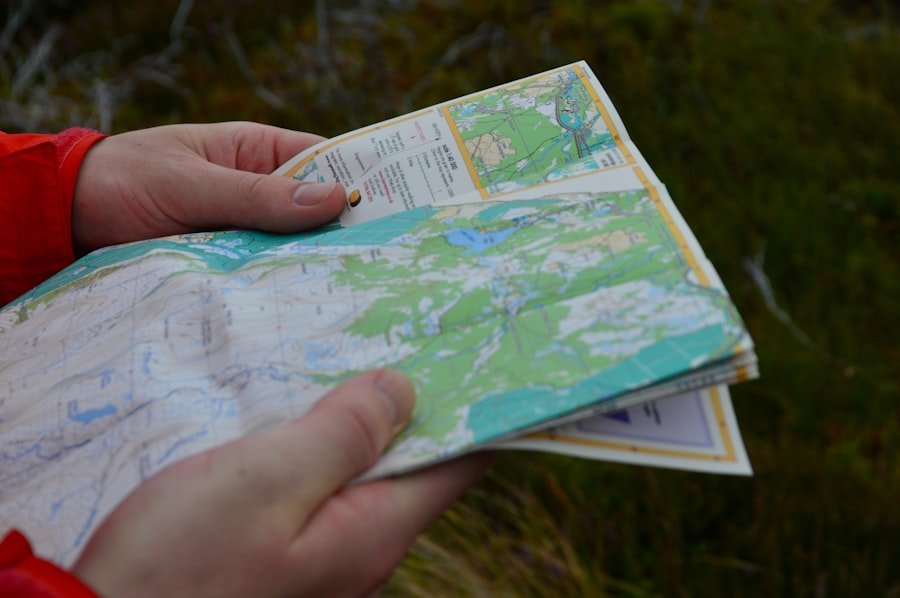
Determining the best time to visit the Matterhorn largely depends on what visitors hope to experience. The summer months, particularly from June to September, are ideal for hiking and climbing. During this period, temperatures are milder, and trails are generally free from snow, making it easier for trekkers to navigate the terrain.
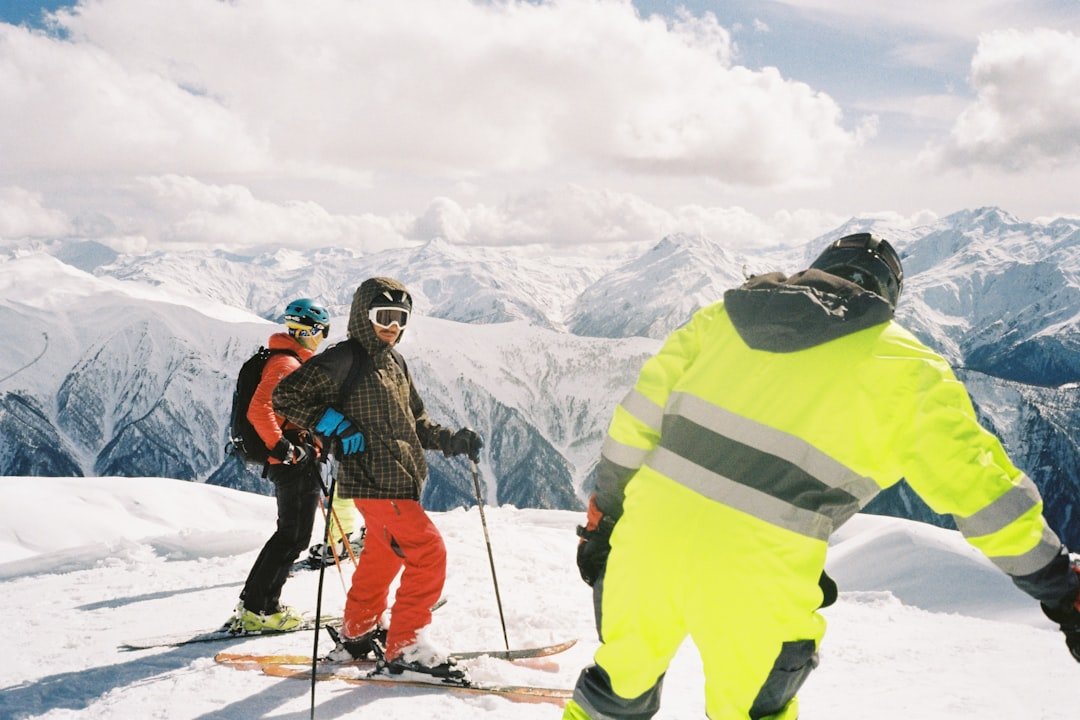
The lush green valleys and blooming wildflowers create a picturesque backdrop for outdoor activities. Additionally, summer offers longer daylight hours, allowing for extended exploration of the surrounding areas. Conversely, winter transforms the Matterhorn into a snowy wonderland, attracting skiers and snowboarders from around the world.
From December to April, Zermatt becomes a bustling ski resort, with access to numerous slopes and off-piste opportunities. The winter months provide a different perspective on the mountain’s majesty, as its peaks are blanketed in snow and ice. However, visitors should be prepared for colder temperatures and shorter days during this season.
Each season offers unique experiences, making it essential for travelers to consider their preferences when planning their visit.
Activities and attractions at Matterhorn
| Activity/Attraction | Description |
|---|---|
| Skiing/Snowboarding | Enjoy the slopes and stunning views of the Matterhorn while skiing or snowboarding. |
| Hiking | Explore the beautiful trails around the Matterhorn and take in the breathtaking scenery. |
| Cable Car Rides | Take a cable car ride to get a panoramic view of the Matterhorn and the surrounding area. |
| Mountain Biking | Experience the thrill of mountain biking on the trails near the Matterhorn. |
| Paragliding | Soar through the sky and enjoy a bird’s eye view of the Matterhorn and the Alps. |
The Matterhorn region is a veritable playground for outdoor enthusiasts, offering a plethora of activities that cater to various interests and skill levels. Hiking is one of the most popular pursuits, with numerous trails winding through stunning landscapes. The Five Lakes Walk is particularly noteworthy; this scenic route takes hikers past five picturesque alpine lakes that reflect the Matterhorn’s iconic shape.
The trail is accessible for families and provides breathtaking views that are perfect for photography. For those seeking more adrenaline-pumping experiences, mountaineering remains a top attraction. Guided climbs are available for both novice and experienced climbers who wish to tackle the Matterhorn itself or explore other nearby peaks.
Additionally, paragliding offers a unique perspective of the mountain and surrounding valleys, allowing adventurers to soar above the landscape while taking in panoramic views. In winter, skiing and snowboarding dominate the scene, with Zermatt boasting an extensive network of slopes suitable for all levels. The region also offers opportunities for snowshoeing and ice climbing, ensuring that visitors can enjoy the alpine environment year-round.
Accommodation options near Matterhorn
Zermatt serves as the primary gateway for visitors looking to explore the Matterhorn region, offering a wide range of accommodation options that cater to different budgets and preferences. Luxury seekers can indulge in high-end hotels such as The Chedi Andermatt or Hotel Monte Rosa, both of which provide opulent amenities and stunning views of the mountain. These establishments often feature spa services, gourmet dining options, and easy access to ski lifts or hiking trails.
For those traveling on a budget, Zermatt also offers charming guesthouses and hostels that provide comfortable lodging without breaking the bank. Options like Hotel Jägerhof or Zermatt Youth Hostel offer cozy accommodations with easy access to local attractions. Additionally, many visitors choose to rent chalets or apartments for a more home-like experience during their stay.
This option allows families or groups to enjoy shared spaces while preparing their meals and enjoying quality time together after a day of adventure.
Dining and cuisine at Matterhorn
The culinary scene in Zermatt is as diverse as its outdoor offerings, providing visitors with an array of dining options that showcase both traditional Swiss cuisine and international flavors. Fondue is a must-try dish when visiting this alpine region; several restaurants specialize in this classic Swiss meal made from melted cheese served with bread for dipping. Establishments like Restaurant Whymper-Stube offer an authentic fondue experience in a cozy setting adorned with alpine decor.
In addition to fondue, Zermatt boasts numerous eateries that serve regional specialties such as raclette—a melted cheese dish typically accompanied by potatoes and pickles—and rösti, a crispy potato dish often enjoyed as a side or breakfast item. For those seeking international cuisine, Zermatt does not disappoint; restaurants like The Omnia serve gourmet dishes inspired by global flavors while maintaining a focus on local ingredients. Whether dining in a rustic mountain hut or an upscale restaurant with panoramic views of the Matterhorn, visitors will find plenty of options to satisfy their culinary cravings.
Tips for visiting Matterhorn
When planning a visit to the Matterhorn region, several practical tips can enhance the experience and ensure safety during outdoor activities. First and foremost, it is essential to check weather conditions before embarking on any hikes or climbs. The weather in mountainous areas can change rapidly; being prepared with appropriate gear—such as waterproof clothing, sturdy hiking boots, and navigation tools—is crucial for safety.
Additionally, acclimatization is vital for those planning to ascend higher altitudes. Spending time at lower elevations before attempting significant climbs can help prevent altitude sickness. It is also advisable to hire experienced guides when tackling challenging routes or if you are unfamiliar with alpine climbing techniques.
For those interested in skiing or snowboarding during winter months, purchasing lift passes in advance can save time and money while ensuring access to popular slopes.
Engaging with local culture through festivals or events can also provide unique insights into life in this alpine community.
Conclusion and final thoughts on Matterhorn
The Matterhorn stands not only as a breathtaking natural wonder but also as a testament to human ambition and resilience. Its storied history intertwines with tales of adventure and exploration that continue to inspire generations of climbers and travelers alike. Whether one seeks thrilling outdoor activities or simply wishes to bask in its majestic presence from afar, the Matterhorn offers something for everyone.
As visitors traverse its trails or glide down its slopes, they become part of an ongoing narrative that celebrates both nature’s grandeur and human endeavor. With its rich cultural significance and diverse offerings—from exhilarating activities to delectable cuisine—Zermatt and its iconic peak remain an unforgettable destination that beckons adventurers from around the globe.
If you’re planning a trip to the iconic Matterhorn, you might also be interested in exploring other unique experiences around the world. For instance, after your alpine adventure, consider diving into the delightful world of Asian melons, which offer a refreshing and exotic taste that can be a perfect complement to your travel memories. You can learn more about these fascinating fruits in this related article. Whether you’re savoring the crisp air of the Swiss Alps or the sweet flavors of Asian melons, each journey offers its own unique delights.
FAQs
What is the Matterhorn?
The Matterhorn is a famous mountain in the Alps on the border between Switzerland and Italy. It is one of the most iconic and recognizable peaks in the world.
How do I get to the Matterhorn?
The closest town to the Matterhorn is Zermatt, Switzerland. Visitors can reach Zermatt by train from major Swiss cities such as Zurich, Geneva, and Bern. From Zermatt, there are various transportation options to get closer to the Matterhorn, including cable cars and mountain railways.
What are the best activities to do at the Matterhorn?
Visitors to the Matterhorn can enjoy a variety of activities, including hiking, skiing, snowboarding, and mountaineering. There are also scenic helicopter tours and cable car rides that offer breathtaking views of the mountain and surrounding area.
What is the best time of year to visit the Matterhorn?
The Matterhorn can be visited year-round, but the best time to visit for outdoor activities like hiking and skiing is during the summer months (June to September) and winter months (December to April) respectively. The weather is generally milder and more suitable for outdoor activities during these times.
Are there any safety precautions to consider when visiting the Matterhorn?
Visitors should be aware of the potential risks associated with high-altitude activities and extreme weather conditions. It is important to be properly prepared with appropriate gear, clothing, and knowledge of the terrain. It is also recommended to check weather forecasts and trail conditions before embarking on any outdoor activities.