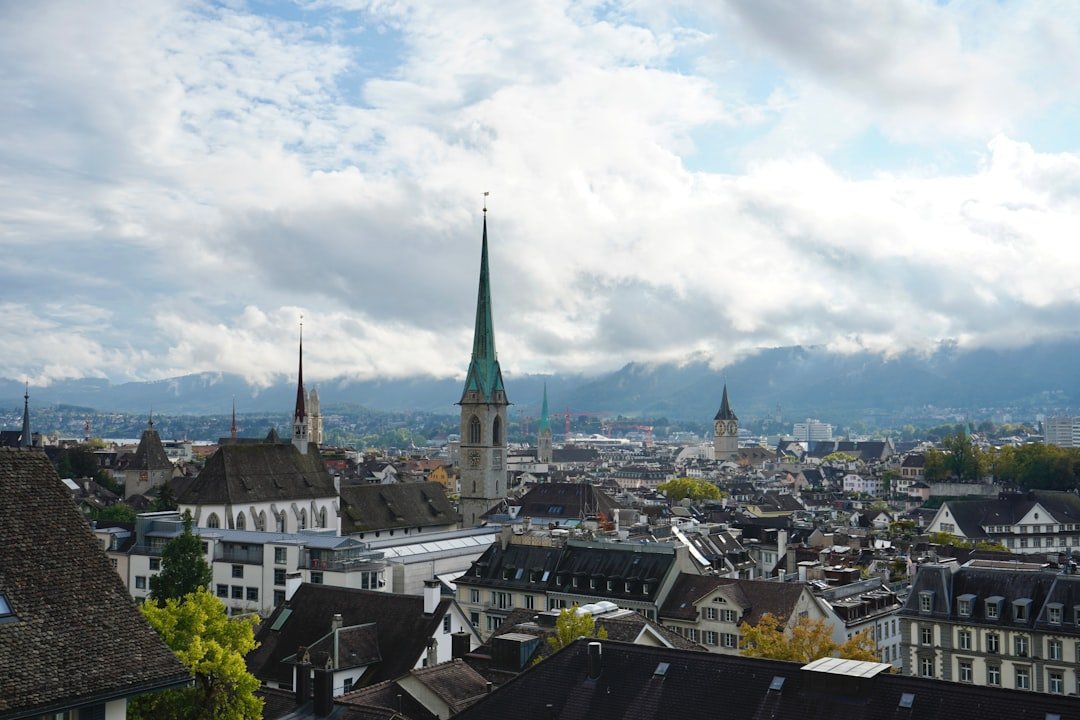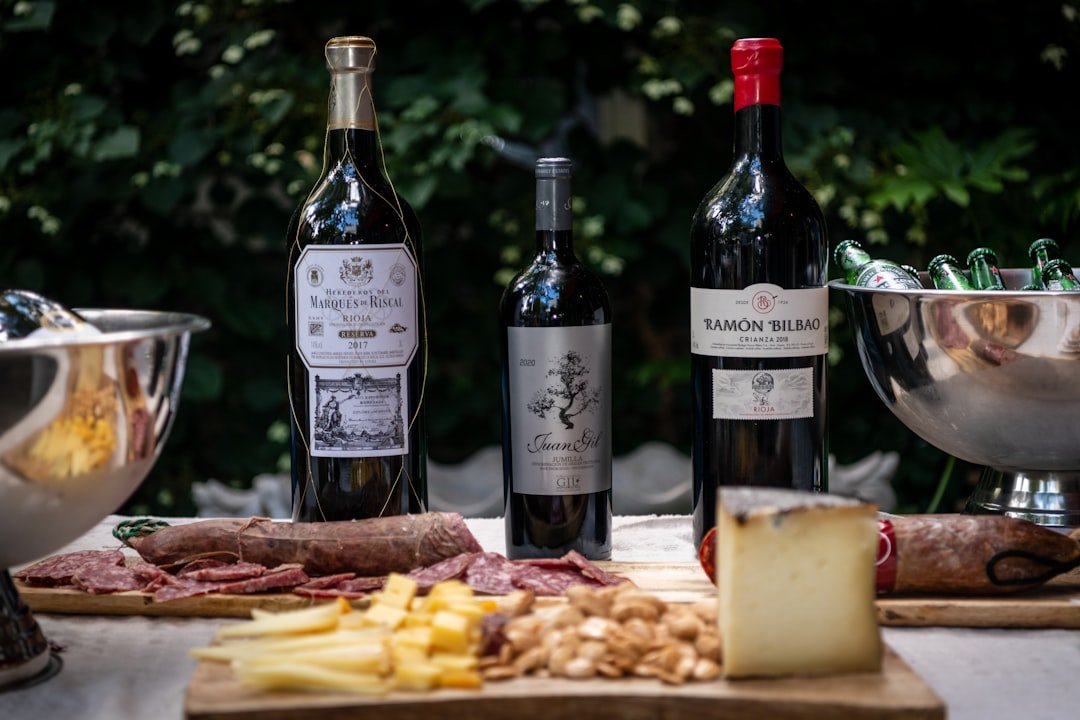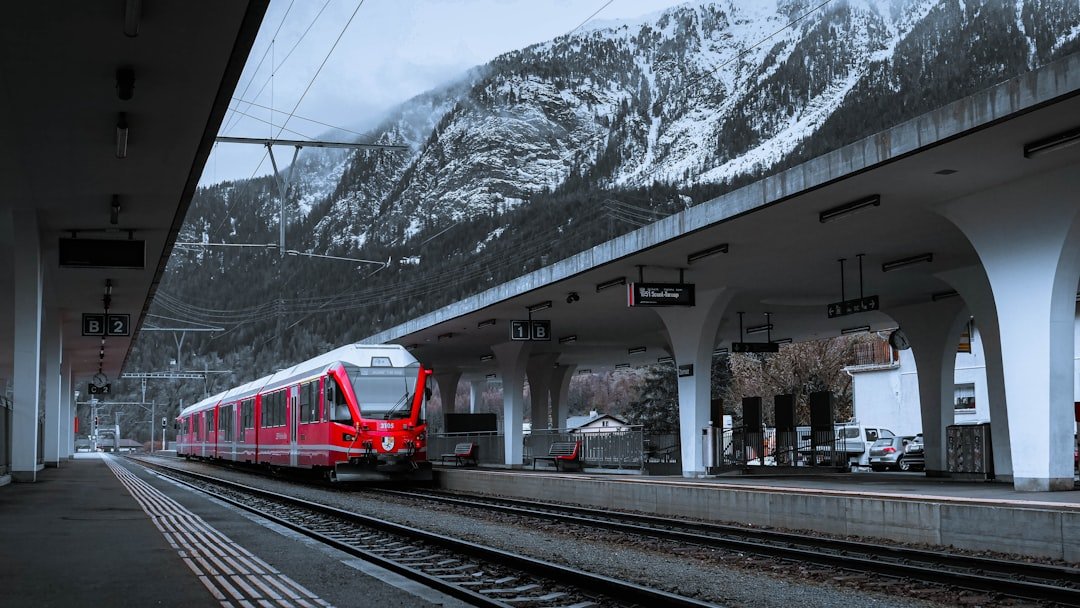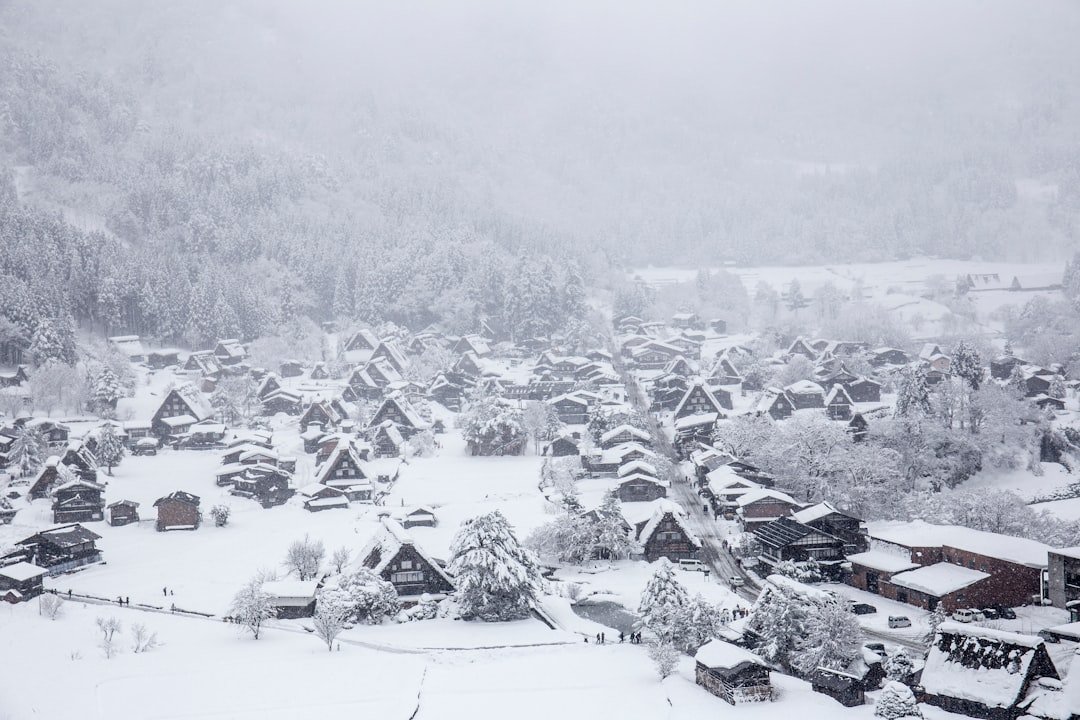
When I think about a winter trip to Switzerland, the most memorable places are not simply the ones with the deepest snow. The right alpine village depends on the experience I want: a car-free retreat beneath famous peaks, a large ski area, quiet winter walks, lively après-ski, luxury hotels, or easy rail connections. Switzerland offers all of these, but snow conditions, lift operations, events, and access vary by destination and date.
Quick Answer
For a classic Swiss winter-village trip, consider Zermatt, Wengen, Grindelwald, Mürren, St. Moritz, Davos, or Verbier. December through March is the main winter-planning window, but snow reliability varies by elevation and weather. Check current snow, lift, trail, transport, and avalanche information shortly before each mountain outing.
Key Takeaways
- Zermatt, Wengen, and Mürren are especially appealing if you want a car-free alpine atmosphere.
- Grindelwald and Davos work well when you want a broad range of winter activities and convenient resort infrastructure.
- St. Moritz combines winter sports with upscale hotels, dining, shopping, and major seasonal events.
- Verbier is particularly attractive to skiers, snowboarders, and travelers looking for a lively mountain-resort atmosphere.
- December through March is a useful planning window, but village-level snow is never guaranteed simply because it is winter.
- For snowshoeing, winter hiking, or off-piste activities, check current trail and avalanche conditions before setting out.
Which Swiss Winter Snow Village Should You Choose?
Each Swiss alpine destination has its own character. Some feel like compact chalet villages, while others have the facilities and activity range of larger mountain resorts. I find it more useful to choose by travel style than to search for one village that is supposedly “best” for everyone.
| Destination | Best For | Winter Character |
| Zermatt | Matterhorn views, skiing, winter hiking | Car-free resort village with extensive mountain access and high-alpine terrain. |
| Wengen | Traditional village feel, Jungfrau Region | Car-free mountain village with wooden chalets and rail access above the Lauterbrunnen Valley. |
| Grindelwald | First-time visitors, Eiger views, varied activities | A larger Jungfrau Region base with rail, gondola, skiing, sledding, and winter-walking access. |
| Mürren | Quiet alpine atmosphere, Schilthorn area | Car-free mountain village with dramatic views of the Eiger, Mönch, and Jungfrau. |
| St. Moritz | Luxury, events, Engadine winter sports | An upscale Engadine resort with skiing, winter sports, dining, shopping, and seasonal events. |
| Davos | Activity variety, cross-country skiing, families | A larger alpine resort town with multiple winter-sports areas, winter walking, ice sports, and sledding. |
| Verbier | Skiing, freeride culture, lively evenings | A high-altitude Valais resort linked to the 4 Vallées winter-sports area. |
Official destination information is available through Switzerland Tourism’s winter guide. I also check each resort’s own live operating information before deciding on a specific mountain outing.
Exploring the Charm of Swiss Alpine Villages
One reason Swiss alpine villages are so appealing in winter is the contrast between historic chalet architecture and dramatic mountain landscapes. In places such as Wengen and Mürren, the absence of ordinary private-car traffic also changes the atmosphere. Walking between a railway station, hotel, restaurant, and lift can feel much calmer than navigating a conventional resort town.
I like to leave time for more than skiing. Depending on the destination, village centers may include bakeries, cheese shops, sports outfitters, galleries, small boutiques, restaurants, and stores selling regional products. Christmas and Advent events can add another layer of atmosphere, but schedules vary from year to year, so I check the official local calendar rather than assuming a market will operate throughout my stay.
The character also changes from one region to another. Wengen and Grindelwald sit in the Jungfrau Region, Zermatt and Verbier are in Valais, while St. Moritz and Davos are in Graubünden. That means the architecture, food, language, landscape, and local traditions are not identical from village to village.
Traditional Winter Activities in Swiss Snow Villages
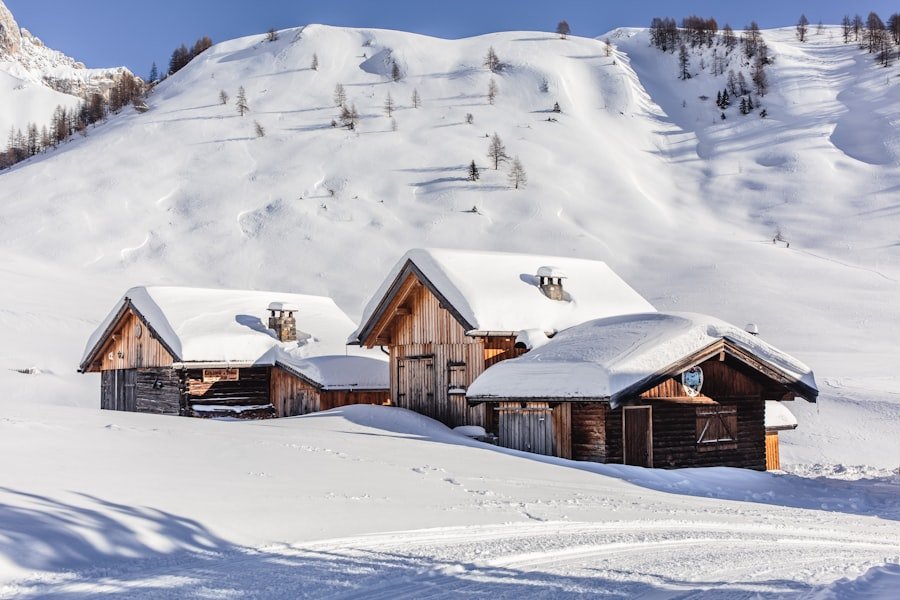
Skiing and snowboarding remain major reasons to visit the Swiss Alps, but they are far from the only choices. Switzerland Tourism lists winter hiking, cross-country skiing, snowshoeing, tobogganing, skiing, and other snow activities across the country.
For a slower day, I often look first for marked winter-walking trails. These routes are easier to plan than simply heading into snow-covered terrain, and resort information normally indicates which trails are prepared or currently open. Zermatt, for example, publishes winter-hiking and snowshoe routes through its official destination website.
Snowshoeing can provide access to quieter forests and viewpoints, while cross-country skiing is especially attractive in destinations with established trail networks. Sledding or tobogganing is another useful option for families and travelers who do not want to spend every day on downhill skis.
Ice skating is available in a number of resorts, but I prefer maintained rinks unless a natural lake or pond has been explicitly opened for public use. Curling and other ice sports may also be available depending on the destination.
Warning: Never assume a frozen lake is safe because other people are standing on it. Use natural ice only when the responsible local authority or operator has officially opened it. For snowshoeing, ski touring, freeriding, or other travel away from secured pistes and marked winter routes, check the current SLF avalanche and snow situation and choose terrain appropriate to your training and equipment.
Culinary Delights in Swiss Snow Villages
Winter is an excellent time to explore Swiss comfort food. Switzerland Tourism’s guide to typical Swiss food includes cheese fondue, raclette, rösti, chocolate, cheese, and several other specialties. Regional menus vary, so I look for local dishes rather than expecting every restaurant to serve exactly the same food.
A warm cheese dish after a cold day outside is part of the classic Swiss winter experience, but the most interesting meals often come from trying the specialties of the specific canton or valley I am visiting.
Fondue turns melted cheese and bread into a shared meal, while raclette is traditionally centered on melted cheese served with accompaniments such as potatoes and pickles. Rösti, made from potatoes, appears in many regional variations. Swiss chocolate and pastries provide an easy option when I want something sweet after a day outdoors.
I also pay attention to where I am traveling. Valais, for example, has a particularly strong association with raclette, while other regions have their own cheeses, meats, breads, desserts, and local dishes.
For readers interested in food topics far beyond Switzerland, the existing site article on exploring the delightful world of Asian melon looks at a completely different culinary subject.
Cozy Accommodations in Swiss Snow Villages
Accommodation can shape the whole trip. Swiss winter destinations range from luxury hotels and spa properties to chalets, guesthouses, hostels, apartments, and smaller family-run hotels. The right option depends not only on budget but also on how close I want to be to a railway station, village center, ski lift, or winter trail.
Traditional interiors with wood finishes, mountain views, fireplaces, wellness areas, saunas, and hot tubs can add to the winter atmosphere, although facilities vary by property. Rather than assuming a hotel has a particular amenity, I confirm it on the property’s current booking page before reserving.
Location matters even more in snow than it does in summer. A hotel that looks close on a map may involve a steep or icy walk with luggage. When possible, I check the walking route from the railway station and the distance to the lift I expect to use most often.
Pro Tip: If I am traveling mainly by train, I prioritize accommodation within an easy walk of the station or a local bus stop. This is particularly useful in car-free destinations, where arriving with heavy luggage can otherwise require an extra transfer.
Festive Events and Celebrations in Swiss Snow Villages
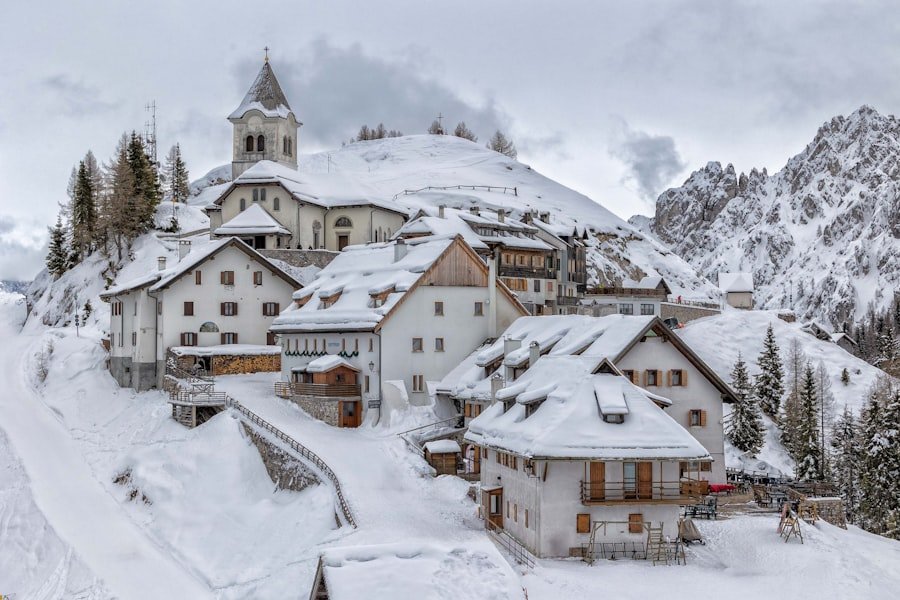
Winter events can make an alpine trip feel very different from an ordinary ski holiday. Depending on the destination and week, I may find an Advent market, seasonal concert, torch-lit activity, New Year’s celebration, sporting event, food festival, or local tradition. These programs change every season, so I verify dates before building an itinerary around one.
The original article mentions Geneva’s Fête de l’Escalade. Geneva is a city rather than a Swiss snow village, but the event can still be an interesting addition if the wider itinerary includes Geneva in December. The official Geneva Tourism guide to Fête de l’Escalade describes the annual early-December commemoration of Geneva’s defense against the Savoyard attack of 1602, with historical costumes, processions, torches, music, a bonfire, and the well-known chocolate-cauldron tradition.
In mountain destinations, I prefer to check the village or regional tourism calendar shortly before booking. Christmas markets and other winter events may operate only on selected dates rather than throughout December.
Transportation and Accessibility to Swiss Snow Villages
Switzerland’s rail and bus network makes many alpine destinations practical without a rental car. For international visitors, the Swiss Travel Pass covers extensive train, bus, boat, and local public-transport travel. However, I do not assume every cable car or mountain railway is fully included because many mountain excursions receive a discount instead.
Car-free villages require additional planning. Zermatt does not permit ordinary private cars in the village, so drivers leave their vehicle in Täsch and continue by train or authorized transfer. Wengen and Mürren are also car-free mountain villages, making rail and cable-car planning especially important.
Once I arrive, many village centers are easy to explore on foot, while local trains, buses, gondolas, funiculars, and cable cars connect hotels with ski areas and viewpoints. Exact schedules vary by season and sometimes by weather, so I use the current SBB timetable and local mountain-transport information rather than relying on an old itinerary.
Traveling by train also gives me a chance to enjoy the landscape without dealing with winter road conditions or parking. A rental car can still make sense for some itineraries, but it provides little advantage when the destination itself is car-free.
When Is the Best Time to Visit Swiss Snow Villages?
December through March is the most useful general window for a classic Swiss winter holiday, but I do not treat those months as a snow guarantee. Elevation matters greatly, and weather conditions differ from year to year. MeteoSwiss snow information is a useful reference for understanding Swiss snow conditions.
| Period | What to Expect |
| December | Festive atmosphere and early-winter skiing in operating resorts. Lower elevations may still have variable natural snow, especially early in the month. |
| January–February | Core winter period with cold temperatures and broad winter-sports operations, though conditions still vary by elevation and storm pattern. |
| March | Longer daylight and potentially strong high-altitude snow conditions, while lower and sun-exposed areas may soften more quickly. |
| Late November / April | Potentially quieter shoulder-season travel, but lift networks, trails, snow cover, and village services may be more limited. |
Note: A snowy ski area high above a resort does not necessarily mean the streets at village level will have deep natural snow. I check both village-level conditions and upper-mountain reports when the snow-covered-village atmosphere is important to the trip.
Tips for Planning a Winter Visit to Swiss Snow Villages
Before finalizing travel dates, I check current weather, snow reports, lift openings, winter-trail status, and the official event calendar. That gives me a much better picture than relying only on a historical monthly climate average.
I also book popular winter accommodations early when traveling during Christmas, New Year, school-holiday periods, or major events. Outside those dates, I still compare cancellation terms because mountain conditions can change.
For clothing, layering works better than relying on one very heavy item. My basic winter setup includes a moisture-managing base layer, insulating mid-layer, weather-resistant outer layer, gloves, a warm hat, winter footwear with useful grip, and spare dry socks. Sunglasses and sunscreen also matter because snow can reflect strong sunlight.
For skiing or snowboarding, I add the appropriate equipment and protective gear or arrange rentals at the destination. For winter hiking and snowshoeing, I check whether a route requires traction aids, poles, snowshoes, or specialized avalanche equipment rather than guessing from photographs.
I also learn a simple greeting or two in the language used locally. Switzerland has German-, French-, Italian-, and Romansh-speaking regions, and the local language varies by destination. Even where tourism staff speak English, a basic greeting is a courteous way to begin an interaction.
The best winter village is not simply the place with the most famous name. I get a better trip when I match the destination to my preferred activities and then confirm the current conditions just before travel.
Switzerland’s winter snow villages can offer a memorable mix of alpine scenery, skiing, winter walking, food, local traditions, and quiet evenings indoors. I enjoy the experience most when I leave enough flexibility for weather changes instead of trying to force every planned mountain activity into a fixed schedule.
The combination of snow-covered landscapes, chalet architecture, mountain transport, traditional food, and winter sports is what makes these destinations distinctive. With realistic expectations about snow, careful transport planning, and current safety information, a winter stay can work just as well for non-skiers as it does for dedicated skiers and snowboarders.
Frequently Asked Questions
What are some popular winter snow villages in Switzerland?
Popular choices include Zermatt, Wengen, Grindelwald, Mürren, St. Moritz, Davos, and Verbier. They are not identical: Zermatt, Wengen, and Mürren offer strong car-free village appeal, while Davos and Grindelwald provide broader resort infrastructure, St. Moritz is known for an upscale Engadine experience, and Verbier is strongly associated with skiing and the 4 Vallées area.
What activities can visitors enjoy in Switzerland’s winter snow villages?
Depending on the destination and current conditions, visitors can ski, snowboard, snowshoe, walk on prepared winter trails, cross-country ski, sled or toboggan, ice skate, ride mountain railways, enjoy viewpoints, visit restaurants, attend seasonal events, and use indoor wellness facilities.
What is the best time to visit Switzerland’s winter snow villages?
December through March is the main planning window for a classic winter trip. January and February are core winter months, while March offers longer daylight and can still have strong high-altitude snow. Conditions at village level depend on elevation and weather, so check current snow reports before traveling.
What accommodation options are available in Switzerland’s winter snow villages?
Options can include luxury hotels, spa hotels, chalets, apartments, hostels, guesthouses, smaller family-run hotels, and other holiday accommodation. Compare not only price but also walking distance to the railway station, village center, bus stop, and the lift or winter area you expect to use most often.
What should visitors pack when visiting Switzerland’s winter snow villages?
Pack warm layers, weather-resistant outerwear, gloves, a warm hat, winter footwear with good grip, spare socks, sunglasses, sunscreen, and lip protection. Add activity-specific equipment for skiing, snowboarding, snowshoeing, or winter hiking, or arrange rentals locally.
Which Swiss winter villages are car-free?
Zermatt, Wengen, and Mürren are well-known car-free mountain destinations. For Zermatt, drivers normally leave private vehicles in Täsch and continue by train or authorized transfer. Check destination-specific arrival instructions before driving toward any car-free resort.
Is a Swiss Travel Pass useful for a winter village trip?
It can be useful for visitors making several train, bus, boat, and local-transport journeys. However, do not assume every mountain railway, gondola, or cable car is completely covered. Check the current Swiss Travel Pass area of validity and the fare rules for each mountain excursion.
Can non-skiers enjoy Swiss snow villages?
Yes. Depending on the resort, non-skiers can use prepared winter-walking trails, go snowshoeing or sledding, ride scenic railways and cable cars, visit viewpoints, enjoy restaurants and cafés, attend winter events, shop in village centers, or spend time at wellness facilities.
Sources
- Switzerland Tourism: Winter — general winter activities and destination planning.
- Switzerland Tourism: Jungfrau Region — information on Grindelwald, Wengen, Mürren, mountain access, and regional attractions.
- SBB: Swiss Travel Pass — public-transport coverage and mountain-excursion benefits.
- MeteoSwiss: Snow — official information on snow and its variation across Switzerland.
- WSL Institute for Snow and Avalanche Research SLF — current avalanche bulletin and snow-situation guidance.
- Geneva Tourism: Fête de l’Escalade — official information about Geneva’s December historical festival and traditions.