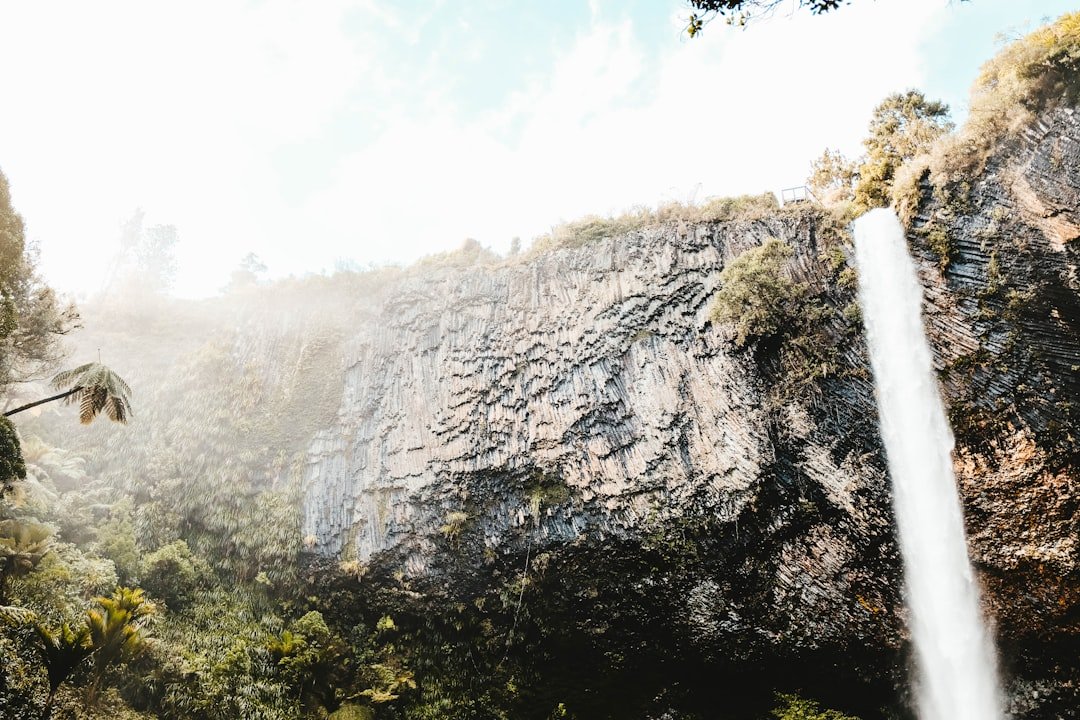
The significance of proper footwear in hiking cannot be overstated. The right pair of hiking boots or shoes serves as the foundation for a successful outdoor adventure. Hiking involves traversing various terrains, from rocky paths to muddy trails, and the footwear must provide adequate support, traction, and protection.
A well-fitted shoe can prevent blisters, calluses, and other foot ailments that can quickly turn an enjoyable hike into a painful ordeal. For instance, boots with a stiff sole offer better stability on uneven ground, while those with a cushioned insole can absorb shock, reducing fatigue over long distances. Moreover, the choice of footwear can significantly impact a hiker’s overall performance and safety.
Hiking shoes designed for specific conditions—such as waterproof models for wet environments or breathable options for hot climates—can enhance comfort and efficiency. For example, a hiker navigating through a stream or wet terrain would benefit from waterproof boots that keep feet dry, while someone hiking in arid conditions might prefer lightweight shoes that allow for ventilation. The right footwear not only enhances the hiking experience but also minimizes the risk of injuries, making it an essential consideration for anyone venturing into the great outdoors.
Key Takeaways
- Proper footwear is crucial for hikers to prevent injuries and ensure comfort on the trail.
- Weather and trail conditions should be carefully considered before embarking on a hike to ensure a safe and enjoyable experience.
- Safety precautions such as carrying a first aid kit and informing others of your hiking plans are essential for hikers.
- Packing essentials like water, snacks, navigation tools, and extra clothing should be included in every hiker’s backpack.
- Trail etiquette, such as yielding to other hikers and leaving no trace, is important for preserving the natural environment and ensuring a positive experience for all.
Weather and Trail Conditions
Understanding weather patterns and trail conditions is crucial for any hiker planning an excursion.
For instance, a sunny morning can quickly turn into a thunderstorm by afternoon, bringing with it heavy rain and strong winds.
Hikers should always check weather forecasts before heading out and be prepared for sudden changes. Carrying a lightweight rain jacket or an extra layer can make a significant difference in comfort and safety during unexpected weather shifts. Trail conditions also play a vital role in determining the difficulty of a hike.
Factors such as recent rainfall, snowmelt, or seasonal changes can affect trail accessibility and safety. For example, trails that are typically dry may become muddy and slippery after rain, increasing the risk of falls. In winter months, snow-covered paths may require specialized gear like crampons or snowshoes to navigate safely.
Hikers should research trail conditions through local hiking forums or park services to ensure they are adequately prepared for the specific challenges they may encounter on their journey.
Safety Precautions for Hikers

Safety should always be a top priority for hikers, regardless of experience level. One of the most effective ways to ensure safety is to hike with a partner or group. This not only provides companionship but also ensures that help is readily available in case of an emergency.
Additionally, informing someone about your hiking plans—such as your intended route and expected return time—can be crucial if something goes wrong.
Another essential safety precaution is to carry a first aid kit tailored to the specific needs of your hike.
This kit should include items such as adhesive bandages, antiseptic wipes, gauze pads, and any personal medications. Familiarizing yourself with basic first aid techniques can also be invaluable in case of injuries like sprains or cuts. Furthermore, understanding how to recognize signs of altitude sickness or heat exhaustion can help hikers respond promptly to these potentially serious conditions.
By taking these precautions seriously, hikers can significantly reduce risks and enhance their overall experience in nature.
Packing Essentials
| Item | Quantity | Weight (lbs) |
|---|---|---|
| T-shirts | 5 | 2 |
| Shorts | 3 | 1 |
| Socks | 7 | 0.5 |
| Underwear | 7 | 0.5 |
| Toothbrush | 1 | 0.2 |
When preparing for a hike, packing the right essentials is critical to ensure comfort and safety throughout the journey. A well-thought-out packing list should include items that cater to hydration, nutrition, navigation, and emergency preparedness. Water is perhaps the most vital resource; carrying enough water or having a reliable filtration system is essential to prevent dehydration, especially on longer hikes.
A general rule of thumb is to drink about half a liter of water per hour during moderate activity in moderate temperatures. In addition to hydration, nutrition plays a key role in maintaining energy levels on the trail. High-energy snacks such as trail mix, energy bars, or jerky are excellent choices due to their lightweight nature and ease of consumption while on the move.
It’s also wise to pack a small meal if you plan on hiking for several hours; options like sandwiches or wraps can provide necessary sustenance without weighing you down too much. Beyond food and water, navigational tools such as maps or GPS devices are essential for staying on course, particularly in unfamiliar areas where trails may not be well-marked.
Trail Etiquette
Trail etiquette is an often-overlooked aspect of hiking that can significantly enhance the experience for everyone involved. Respecting fellow hikers by maintaining a reasonable noise level and yielding the trail appropriately fosters a positive atmosphere in nature. For instance, when encountering others on narrow paths, it is customary for those going uphill to have the right of way since they are exerting more effort.
Additionally, keeping conversations at a moderate volume allows everyone to enjoy the sounds of nature without unnecessary distractions. Another important aspect of trail etiquette is adhering to the principle of “Leave No Trace.” This means hikers should pack out what they pack in, including trash and leftover food items. Disposing of waste properly not only preserves the natural beauty of the environment but also protects wildlife from ingesting harmful materials.
Furthermore, staying on designated trails helps prevent soil erosion and protects fragile ecosystems from damage caused by foot traffic. By practicing good trail etiquette, hikers contribute to the preservation of natural spaces for future generations while ensuring a pleasant experience for all.
Wildlife Awareness

Being aware of wildlife while hiking is essential for both personal safety and the protection of animals in their natural habitats. Many hikers may encounter various species ranging from deer and rabbits to more potentially dangerous animals like bears or snakes. Understanding how to behave in these situations can prevent conflicts and ensure safe encounters.
For example, if you come across a bear on the trail, it’s crucial to remain calm and avoid sudden movements; backing away slowly while speaking in a low voice can help de-escalate the situation. Additionally, educating oneself about local wildlife can enhance the hiking experience by fostering appreciation for nature’s diversity. Knowing which animals are common in the area can help hikers identify tracks or signs of wildlife activity along the trail.
However, it’s important to remember that feeding wildlife is detrimental to both animals and humans; it can lead to aggressive behavior as animals begin to associate humans with food sources. By respecting wildlife boundaries and observing from a distance, hikers can enjoy nature while minimizing their impact on local ecosystems.
Navigational Tools
Navigational tools are indispensable for hikers venturing into unfamiliar territory or remote areas where trails may not be well-marked. Traditional maps and compasses remain reliable options for navigation; they do not rely on batteries and can provide detailed information about terrain features that digital devices may overlook. Learning how to read topographic maps is an invaluable skill that allows hikers to understand elevation changes and plan their routes effectively.
In addition to maps and compasses, modern technology has introduced GPS devices and smartphone applications that offer real-time tracking and route planning capabilities. These tools can enhance navigation by providing precise locations and allowing users to download maps for offline use—an essential feature when hiking in areas with limited cell service. However, reliance solely on electronic devices can be risky; batteries can die or devices can malfunction.
Therefore, carrying multiple forms of navigation tools ensures that hikers are prepared for any situation they may encounter on their journey.
Emergency Preparedness
Emergency preparedness is a critical component of any hiking adventure that should never be overlooked. Accidents can happen at any time—whether it’s an unexpected injury, getting lost, or sudden weather changes—and being prepared can make all the difference in these situations. One effective strategy is to create an emergency plan that includes communication methods with friends or family members who are not on the hike.
This plan should outline what to do if you do not return by a certain time or if you encounter difficulties along the way. In addition to having a plan in place, carrying essential emergency supplies is vital for addressing unforeseen circumstances. Items such as a whistle for signaling distress, a multi-tool for various tasks, and a flashlight with extra batteries can be lifesavers in emergencies.
A space blanket or emergency bivvy can provide warmth if stranded overnight due to unforeseen circumstances. Furthermore, knowing basic survival skills—such as how to build a shelter or start a fire—can significantly increase your chances of staying safe until help arrives or until you are able to navigate back to safety. By prioritizing emergency preparedness, hikers can embark on their adventures with confidence and peace of mind.
If you’re planning a trip to Noccalula Falls and looking for some hiking tips, you might also be interested in exploring other delightful outdoor activities. For instance, after a day of hiking, you could enjoy a refreshing treat by learning about different fruits. Check out this related article on exploring the delightful world of Asian melon. It offers insights into various types of melons that could be a perfect, hydrating snack to pack for your hiking adventure.
FAQs
What are some important hiking tips for Noccalula Falls?
Some important hiking tips for Noccalula Falls include wearing appropriate footwear, bringing plenty of water, staying on designated trails, and being aware of the weather conditions.
What should I wear when hiking at Noccalula Falls?
It is recommended to wear comfortable and sturdy footwear with good traction, as well as lightweight and moisture-wicking clothing. Additionally, it is important to bring a hat and sunscreen for sun protection.
Are there any safety precautions I should take while hiking at Noccalula Falls?
Some safety precautions to take while hiking at Noccalula Falls include staying on marked trails, being aware of your surroundings, and being cautious around the edges of the falls. It is also important to be prepared for changing weather conditions.
What should I bring with me when hiking at Noccalula Falls?
It is important to bring plenty of water, snacks, a map or GPS device, a first aid kit, and a fully charged cell phone. Additionally, it is recommended to bring a camera to capture the beautiful scenery.
Are there any specific rules or regulations for hiking at Noccalula Falls?
Visitors are required to stay on designated trails and follow all posted rules and regulations. It is also important to respect the natural environment and wildlife while hiking at Noccalula Falls.