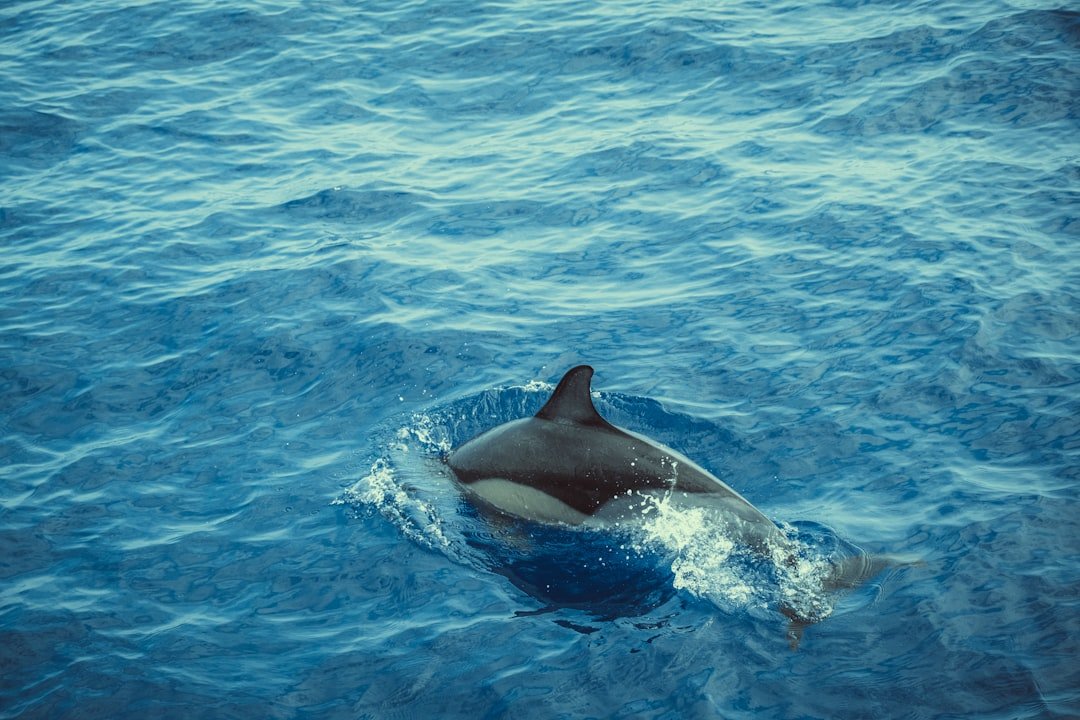
Dolphin cruises in Gulf Shores and nearby Orange Beach give visitors a chance to watch wild dolphins while exploring Alabama’s bays and coastal waterways. Common bottlenose dolphins are the species most often seen in Alabama waters, and local tours range from traditional sightseeing boats to glass-bottom vessels, eco-cruises, sailboats, sunset trips, and private charters. Because these are wild animals, every trip is different and sightings can never be guaranteed.
Quick Answer
Gulf Shores and nearby Orange Beach are excellent places to take a dolphin-watching cruise in Alabama. Many local sightseeing trips last about 90 minutes to two hours, although routes and durations vary. Dolphins can be seen throughout the year, but sightings are never guaranteed because they are wild animals moving through natural waterways.
Key Takeaways
- Common bottlenose dolphins are the dolphin species most often seen along Alabama’s coast.
- Many local dolphin cruises run for about 90 minutes to two hours, but specialty cruises can be shorter or longer.
- There is no reliable rule that morning or late-afternoon tours always produce more dolphin sightings.
- Sunset trips are popular for cooler conditions and scenery, while daytime tours may offer brighter light for wildlife photography.
- NOAA recommends watching wild dolphins from at least 50 yards away and limiting viewing of an individual or group to about 30 minutes.
- Bring sun protection, water, secure footwear, and a camera or binoculars, and check the vessel’s shade, restroom, accessibility, and weather policies before booking.
What to Expect on a Dolphin Cruise
A dolphin cruise combines wildlife watching with a sightseeing trip through the bays, passes, inlets, or nearshore waters around Gulf Shores and Orange Beach. Captains generally travel to areas where dolphins are known to use the waterways, but the animals decide when and where they appear.
When dolphins are present, you may see dorsal fins breaking the surface, small groups traveling together, animals surfacing to breathe, or dolphins feeding and socializing. Breaching and close approaches can happen, but they should be treated as a bonus rather than something every cruise will deliver.
A good dolphin cruise is not only about getting the closest possible view. It is about watching natural behavior without changing what the animals are doing.
Many cruises also include narration about dolphins, coastal habitats, local birds, estuaries, and other marine life. Some tours spend most of their time looking for dolphins, while eco-cruises may devote part of the trip to creeks, marshes, islands, or other habitats.
Current listings from the official Gulf Shores & Orange Beach tourism organization show that local trip lengths vary. Common sightseeing options include roughly 90-minute, 1.5-hour, and 2-hour cruises, so the exact duration should be confirmed for the specific boat and package you choose.
Types of Dolphin Cruises in Gulf Shores and Orange Beach
Not every dolphin cruise offers the same experience. Choosing the right format can make a bigger difference than choosing a specific time of day.
| Tour Type | Best For | What to Expect |
| Standard dolphin cruise | First-time visitors and families | Wildlife searching, sightseeing, and narrated information. |
| Nature or eco-cruise | Travelers interested in ecology | More time exploring bays, creeks, wetlands, birds, and other wildlife. |
| Glass-bottom cruise | Families and curious kids | Viewing panels may provide another perspective when animals pass beneath the vessel. |
| Sunset dolphin cruise | Couples, photographers, and relaxed sightseeing | Dolphin searching combined with evening light and sunset views. |
| Private charter | Families or groups wanting more privacy | Smaller group experience with an itinerary that may be more flexible. |
Note: A cruise marketed to Gulf Shores visitors may depart from nearby Orange Beach. Check the marina address before leaving your hotel so you allow enough driving and parking time.
The Best Time to Go on a Dolphin Cruise
Dolphins use Alabama coastal waters throughout the year, so there is no single month or hour when a sighting can be guaranteed. Recent research also shows that dolphin seasonality is more complicated than simply saying warmer water always produces more dolphins.
A 2025 Dauphin Island Sea Lab study estimated that about 1,500 bottlenose dolphins used Mobile Bay during summer compared with about 740 in winter. Perdido Bay showed a different pattern, with an estimated 100 to 200 dolphins and relatively little seasonal change, including slightly greater use in winter.
Local dolphin abundance can change with the season, but the pattern is not identical across Alabama’s bays and coastal habitats.
For visitors, the best departure time is often about comfort and the type of experience you want. A morning cruise can offer cooler temperatures during hot weather. Midday can provide bright light for spotting animals and taking photographs. Sunset cruises are popular because they combine wildlife watching with evening scenery.
The official Gulf Shores & Orange Beach tourism guide highlights sunset cruises as a particularly scenic choice, but that should not be interpreted as proof that dolphins are always more active at sunset.

Pro Tip: Choose your cruise time for weather, lighting, and family comfort instead of relying on claims that one hour of the day guarantees more dolphins.
Tips for a Successful Dolphin Cruise Experience
| Tip | Description |
|---|---|
| Arrive Early | Arriving early gives you time to park, find the marina, check in, and hear boarding instructions without rushing. |
| Bring Sunscreen | Use sun protection before boarding and reapply as needed because reflected sunlight can increase exposure on the water. |
| Stay Hydrated | Bring water if the operator allows outside drinks, especially during warm weather. |
| Listen to the Guide | Follow crew instructions and listen for information about dolphin behavior, boating safety, and local wildlife. |
| Respect Wildlife | Do not encourage feeding, touching, swimming with, chasing, or otherwise disturbing wild dolphins. |
| Secure Your Gear | Use a camera strap and keep loose hats, phones, and bags secure when the boat is moving. |
| Bring a Light Layer | A light jacket can be useful when wind or evening temperatures make the boat feel cooler than the shore. |
Wear comfortable clothing and footwear with good grip. Sunglasses, a hat, binoculars, and a camera or smartphone are useful, but avoid spending the entire cruise looking through a screen. Dolphins can surface quickly in several directions, and watching the water directly often gives you a better chance of noticing them.
If photography is important, a moderate zoom is more useful than trying to stand at the edge of the boat for a close shot. Stay within passenger areas and avoid blocking another guest’s view.
The Importance of Responsible Dolphin Watching
Dolphins are protected marine mammals, and responsible viewing is essential. NOAA Fisheries recommends observing wild dolphins from at least 50 yards, or 150 feet, and limiting observation of an individual or group to about 30 minutes.
Warning: Never feed, chase, touch, or attempt to swim with wild dolphins. Feeding or harassing wild marine mammals is prohibited under federal law, and repeated close interaction can disrupt feeding, resting, nursing, and other natural behaviors.
The 50-yard distance is NOAA’s recommended viewing guideline for dolphins. It should not be misrepresented as a universal Alabama-specific statutory approach limit. The legal requirement is broader: the Marine Mammal Protection Act and its regulations prohibit taking or harassing marine mammals, including actions that disturb normal behavior.
A responsible captain should avoid deliberately chasing, trapping, surrounding, or repeatedly cutting off dolphins to produce a closer passenger view. If dolphins approach a vessel on their own, passengers should follow the crew’s instructions and allow the animals to control the interaction.
Learning to recognize natural behavior can also improve the experience. Dolphins may be traveling, feeding, socializing, nursing, or resting. A dramatic jump is exciting, but quiet surface movement can be just as meaningful when you understand what you are watching.
Other Wildlife to Look Out for on Dolphin Cruises
Dolphins may be the main attraction, but Alabama’s coastal waterways support many other animals. Depending on the route, season, habitat, and simple luck, passengers may also see seabirds, shorebirds, rays, fish, or sea turtles.

Pelicans, gulls, herons, and other coastal birds can often be easier to spot than marine animals because they may fly overhead, rest near docks, or feed around shallow water. Some local cruise listings also mention possible sightings of stingrays and sea turtles.
No wildlife other than the scenery itself should be treated as guaranteed. Weather, water conditions, prey movement, tides, boat traffic, and animal behavior can all influence what appears during a particular trip.
Choosing the Right Dolphin Cruise Company
Selecting the right cruise company is less about finding the operator that promises the closest dolphin encounter and more about matching the boat and trip style to your group.
Start with practical details. Compare trip duration, vessel size, passenger capacity, shade, seating, restrooms, boarding arrangements, route, and whether the cruise is primarily a dolphin trip, nature tour, sunset cruise, sail, or private charter.
| Booking Factor | Why It Matters |
| Departure marina | Many cruises serving Gulf Shores visitors depart from Orange Beach, so driving and parking time may differ. |
| Shade and seating | Important for children, older travelers, and hot summer days. |
| Restroom | Not every vessel has the same onboard facilities. |
| Accessibility | Boarding steps, dock configuration, wheelchair access, and seating vary by vessel. |
| Weather policy | Know how the company handles unsafe weather, delays, cancellations, credits, and rescheduling. |
| Wildlife policy | Responsible operators should avoid feeding, chasing, or deliberately disturbing dolphins. |
Customer reviews can still be useful, but focus on recurring comments about crew professionalism, cleanliness, communication, boarding, comfort, and how the captain behaves around wildlife rather than judging a company only by whether one reviewer saw many dolphins.
Dolphin Cruises With Children and Travelers With Mobility Needs
Dolphin cruises are commonly marketed as family activities, and several local operators welcome children. However, the best boat for a toddler may be different from the best option for a group of adults.
Families should consider shade, railings, restroom access, trip length, seating, noise, stroller rules, and how much time children can comfortably spend on the water. A shorter 90-minute cruise may suit some young children better than a longer eco-tour.
Accessibility also varies significantly between marinas and vessels. Some local tour listings state that they can accommodate many guests with special needs, but that should not be assumed for every boat. Boarding ramps, deck levels, doorway widths, fixed seating, and restroom layouts can differ.
Note: If someone in your group uses a wheelchair, walker, or other mobility device, choose a cruise whose published accessibility information matches that person’s boarding and seating requirements.
Weather, Motion, and Cancellation Planning
Conditions on the water can feel different from conditions at your hotel or on the beach. Wind can make the temperature feel cooler, while direct sun and reflection from the water can increase heat and sun exposure.
Weather can also affect the route or whether a trip operates. Responsible captains may change plans when wind, thunderstorms, visibility, or other conditions create a safety concern. Review the operator’s cancellation and rescheduling policy when booking rather than assuming every weather-related cancellation receives the same treatment.
If you are sensitive to boat motion, a back-bay cruise may feel different from a trip that spends more time in exposed Gulf waters. Vessel design and daily conditions also matter, so no particular route can promise a motion-free ride.
The Impact of Dolphin Cruises on Conservation Efforts
A well-run dolphin cruise can help visitors understand why coastal habitats and responsible wildlife viewing matter. Educational narration can introduce passengers to dolphin behavior, threats from human interaction, and the importance of giving marine mammals enough space.
However, it is too broad to claim that dolphin-cruise ticket revenue automatically funds conservation. Some companies may support research, education, stranding-response programs, or other environmental organizations, while others may not. A conservation claim is most credible when the operator identifies the organization or project it supports.
Visitors can make a direct positive contribution through their own behavior. Do not feed wildlife, do not encourage a captain to chase dolphins, keep trash and fishing line out of the water, and support operators that place wildlife welfare ahead of a dramatic close encounter.
NOAA’s marine mammal viewing guidance explains why feeding and close interaction can change animal behavior and create risks for both dolphins and people.
A dolphin cruise in Gulf Shores can therefore be both a relaxing boat ride and a useful introduction to Alabama’s coastal ecosystem. The best experience comes from choosing a suitable vessel, keeping expectations realistic, listening to the crew, watching patiently, and allowing wild dolphins to behave naturally.
If you are also planning snacks or fresh food for another part of your Gulf Shores trip, you can explore this separate guide to Asian melon and its different varieties and flavors.
Frequently Asked Questions
What is a dolphin cruise in Gulf Shores?
A dolphin cruise is a guided boat trip that searches for wild dolphins in the bays, inlets, passes, and coastal waters around Gulf Shores and nearby Orange Beach. Many tours also include sightseeing and information about local wildlife and coastal habitats.
What can I expect to see on a dolphin cruise in Gulf Shores?
Common bottlenose dolphins are the main attraction. Depending on conditions and the route, you may also see coastal birds, fish, rays, sea turtles, and other marine life. Wildlife sightings vary from trip to trip.
How long do dolphin cruises in Gulf Shores typically last?
Many local sightseeing cruises last about 90 minutes to two hours. Longer eco-tours, sails, private charters, and specialty trips may have different schedules, so duration depends on the operator and package.
Are dolphin cruises in Gulf Shores suitable for children?
Many local cruises are family-friendly and welcome children. For younger kids, compare trip length, shade, restroom access, seating, railings, noise, and stroller policies before choosing a boat.
What should I bring on a dolphin cruise in Gulf Shores?
Bring sunscreen, sunglasses, a secure hat, water if permitted, comfortable clothing, footwear with good grip, and a camera or binoculars. A light layer can also help on windy or evening trips.
Are dolphin sightings guaranteed?
No. Dolphins are wild animals that move through natural waterways according to changing environmental conditions, prey, and their own behavior. Even experienced captains cannot guarantee that dolphins will appear on every trip.
What is the best time of day for a Gulf Shores dolphin cruise?
There is no authoritative evidence that one hour of the day always produces more dolphin sightings. Morning trips can be comfortable in hot weather, daytime trips provide bright viewing conditions, and sunset cruises are popular for evening scenery.
How close should people get to wild dolphins?
NOAA recommends staying at least 50 yards, or 150 feet, from wild dolphins and limiting viewing of an individual or group to about 30 minutes. Feeding, chasing, touching, or harassing wild marine mammals should never be part of the experience.
Do all dolphin cruises depart from Gulf Shores?
No. Many dolphin cruises promoted to Gulf Shores visitors depart from marinas in nearby Orange Beach. Always check the exact marina address, parking instructions, and check-in time for your selected cruise.
Sources
- NOAA Fisheries: Feeding or Harassing Marine Mammals in the Wild — responsible dolphin viewing, feeding restrictions, viewing distance, and viewing time guidance.
- NOAA Fisheries: Common Bottlenose Dolphin — species information and responsible viewing guidance.
- Dauphin Island Sea Lab: Bottlenose Dolphin Populations in Alabama Waters — seasonal abundance and residency findings for Mobile Bay and Perdido Bay.
- Gulf Shores & Orange Beach Tourism: Dolphin Cruises — current local cruise types, wildlife expectations, and sunset-cruise planning information.
- Gulf Shores & Orange Beach Tourism: Dolphin Cruise Listings — local operators and available dolphin-tour options.