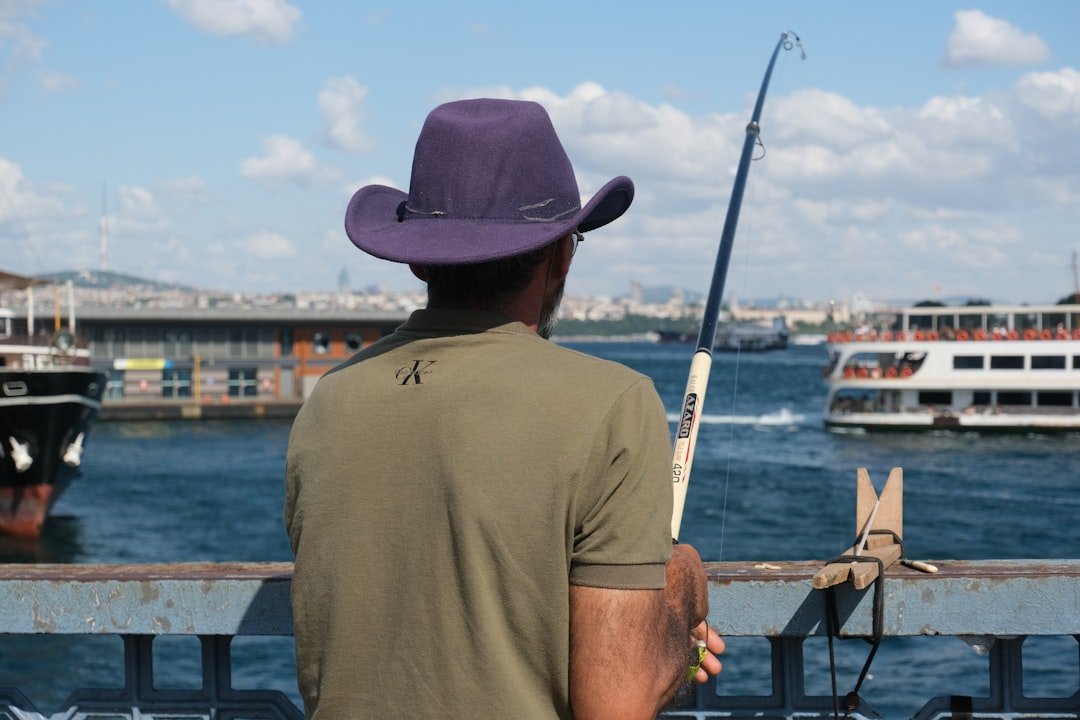
Orange Beach, Alabama, gives anglers access to protected bays, nearshore reefs, and deeper Gulf waters, so charter trips can range from relaxed family outings to long offshore runs. The right trip depends on what you want to catch, how long you want to stay on the water, the season, current fishing regulations, and the experience level of your group.
Quick Answer
Orange Beach fishing charters can suit beginners, families, and experienced anglers. Choose an inshore trip for calmer water and shorter runs, or an offshore trip for reef and pelagic species. Before booking, confirm trip length, permit type, what is included, weather policies, and which target species are legally in season.
Key Takeaways
- Orange Beach charters range from inshore and back-bay trips to reef, offshore, and longer blue-water trips.
- Licensed charter operators normally provide the boat, fishing gear, bait or tackle needed for the planned trip, but amenities vary by vessel.
- There is no single best month or clock time for every angler. The target species, tide, weather, trip type, and legal season matter more.
- Passengers on a properly licensed Alabama commercial party boat may fish without buying a separate Alabama saltwater fishing license.
- Fishing seasons and harvest rules can change, so check Outdoor Alabama and NOAA regulations shortly before departure.
The best Orange Beach charter is not simply the boat that goes farthest offshore. It is the trip that matches your target species, group, comfort level, season, and available time.
The Benefits of Using a Charter Service
One of the main advantages of booking an Orange Beach fishing charter is local knowledge. Experienced captains spend much of their working time watching tides, water conditions, seasonal fish movements, weather, bait activity, and recent catches. That knowledge can help a visiting angler make better use of a limited day on the water.
A charter also reduces the amount of equipment you need to bring. Depending on the operator and trip, the boat may provide rods, reels, tackle, bait, ice, and other fishing equipment. Some boats also have shade, coolers, seating, or an onboard restroom. These features are not universal, so confirm the vessel’s amenities before paying a deposit.
Fish cleaning is another service that varies. Some crews clean or fillet legal retained fish after the trip, while others may direct guests to a marina cleaning station or separate service. Ask whether cleaning is included in the advertised price and whether any additional fee or customary gratuity applies.
Pro Tip: Tell the captain your group’s experience level, ages, target species, and main goal before booking. A family that wants steady action close to shore may need a very different trip from an experienced angler hoping to pursue offshore reef or pelagic species.
Types of Fishing Experiences Offered

Orange Beach charters offer several different styles of fishing. Understanding the differences will make it easier to choose the right boat and trip length.
Inshore and Back-Bay Fishing
Inshore trips stay in bays, passes, bayous, and other relatively protected coastal waters. Common Alabama inshore targets include redfish, speckled trout, sheepshead, and flounder when legal to harvest. These trips often involve shorter travel times than offshore charters and can be a good fit for beginners, families, or anyone concerned about spending many hours in open water.
Harvest rules still apply. For example, Alabama currently regulates red drum, spotted seatrout, flounder, and other inshore species by size, bag limit, or seasonal closure. Check the current Outdoor Alabama saltwater limits before the trip.
Nearshore and Reef Fishing
Nearshore and reef-oriented trips may target snapper, grouper, triggerfish, amberjack, and other structure-associated species depending on the season and legal harvest status. Travel time, depth, and sea conditions vary greatly between trips.
Reef-fish regulations can be more complicated than general inshore fishing rules because state and federal seasons may differ. If a particular reef species is the main reason for your trip, ask the captain which permits the boat carries and whether that species can legally be retained on your date.
Offshore and Blue-Water Fishing
Longer offshore trips can travel farther into Gulf waters in search of species such as mahi-mahi, wahoo, tuna, billfish, or other pelagic fish when conditions and seasons are suitable. These trips may involve considerably more running time, fuel, open-water exposure, and cost than an inshore trip.
Some operators offer full-day or overnight trips for anglers who want to reach more distant grounds. Before booking one, ask how much of the scheduled time is normally spent traveling versus actively fishing.
Specialty and Wildlife-Focused Trips
Some captains offer specialty techniques such as fly fishing, sight fishing, or bottom fishing. Others combine light fishing with sightseeing or wildlife observation. These options can work well for mixed groups in which not everyone wants an intense fishing day.
The Best Times for Fishing in Orange Beach
Fishing is possible throughout the year around Orange Beach, but there is no reliable one-size-fits-all calendar that says a particular clock time is always best in a given month. Water temperature, tide, wind, storms, target species, fishing pressure, and legal seasons all affect the plan.
The table below replaces fixed “best time” claims with more practical month-by-month planning guidance.
| Month | Practical Planning Note |
| January | Inshore opportunities remain available. Let the captain choose timing around weather, tide, and target species. |
| February | Cool-season inshore fishing can be productive. Flexible departure times may help the crew work around changing conditions. |
| March | Spring brings more inshore options. Ask which species are active and legal to retain before selecting the trip. |
| April | A useful month for flexible inshore and nearshore planning, subject to wind, weather, and current regulations. |
| May | Fishing options expand as water warms. Early starts can also provide more comfortable conditions on hot days. |
| June | A major offshore period, including the opening of the 2026 federal for-hire red snapper season. Heat and afternoon storms make weather checks important. |
| July | Warm-weather fishing is popular. Morning departures can reduce heat exposure, but the captain should match timing to conditions and target species. |
| August | Expect hot, humid conditions. Check current federal and Alabama species closures rather than assuming every reef fish is open. |
| September | Inshore and offshore opportunities continue, but tropical weather can affect schedules. Keep travel plans flexible. |
| October | Fall can provide comfortable conditions and varied fishing. Confirm the closing dates of any regulated offshore target. |
| November | Inshore fishing continues, but Alabama flounder harvest is currently closed for the month of November. |
| December | Winter fishing can still be worthwhile. Choose the trip around weather windows and species that remain available. |
2026 Red Snapper Season Note
2026 Update: Outdoor Alabama lists the federally permitted for-hire red snapper season as June 1 through October 26, 2026. Alabama’s state-managed private angler season opened May 22 and is scheduled through December 31 or until the state’s quota is met. Permit conditions differ for some charter vessels, so confirm which season applies to your boat.
You can verify the latest dates through Outdoor Alabama’s Red Snapper and Snapper Check information and the NOAA Fisheries Gulf regulations and seasonal closures page.
Warning: Do not book a charter solely because an old article, social post, or previous year’s calendar says your target species is open. Fishing seasons, emergency closures, quotas, and permit-specific rules can change.
What to Expect on a Fishing Charter
Most trips begin with check-in and a safety briefing. The captain or crew should explain where safety equipment is located, how to move around the boat, how fishing gear will be used, and what guests should do during an emergency.
Once fishing starts, the crew may rig lines, prepare bait, explain techniques, net or gaff legal fish when appropriate, and help new anglers learn how to fight and land a fish. The amount of hands-on assistance depends on the charter style.
Wildlife sightings are possible while traveling through coastal waters, but dolphins, birds, turtles, and other animals should be treated as an added bonus rather than a guaranteed part of the trip.
Do You Need an Alabama Fishing License on a Charter?
Outdoor Alabama states that passengers on a licensed Alabama commercial party boat may fish in Alabama waters and land fish caught in state or federal waters without buying a separate Alabama saltwater fishing license. The operator’s vessel licensing covers those passengers for that purpose.
You can review the rule on the Outdoor Alabama Commercial Party Boat License page.
This does not mean every vessel has identical fishing privileges. Reef-fish endorsements, federal for-hire permits, state-water boundaries, reporting rules, and species seasons may still affect where the boat can fish and what passengers can keep.
What Is Usually Provided?
- Boat and licensed captain
- Fishing rods and reels appropriate for the planned trip
- Basic tackle and rigging
- Bait or lures selected for the target species
- Safety equipment required for the vessel
- Fishing instruction when needed
Items such as drinks, food, fish cleaning, ice for your personal cooler, onboard restrooms, shaded seating, and fish-storage services vary by operator. Confirm them before departure.
Tips for a Successful Fishing Trip

Good preparation makes a charter more comfortable and reduces last-minute problems at the dock.
What to Bring
- Sun-protective clothing suitable for the season
- Hat and sunglasses
- Sunscreen
- Non-slip, boat-friendly footwear
- Drinks and snacks if the operator does not provide them
- A small cooler if permitted by the charter
- Any personal medication you normally need
- A waterproof bag or case for your phone and valuables
Avoid bringing unnecessary bulky gear until you have checked the boat’s storage policy. Some captains prefer guests to travel light.
Arrive Early
Plan to reach the marina before the stated check-in time. Parking, loading, restroom stops, waivers, and finding the correct dock can take longer than expected during busy periods.
Discuss Your Goals Before Leaving the Dock
Tell the captain whether your priority is catching dinner, getting children involved, pursuing a specific species, learning a technique, or simply spending a relaxed day on the water. The crew cannot guarantee a catch, but knowing your priorities helps them plan the trip.
Prepare for Weather and Sea Conditions
Marine weather can change quickly. The National Weather Service Mobile/Pensacola office provides coastal and offshore forecasts, watches, warnings, and advisories for the region. Check the NWS marine forecast before departure, while recognizing that the captain makes the final operational decision for the vessel.
If you are prone to motion sickness, plan ahead rather than waiting until the boat is offshore. Ask a pharmacist or healthcare professional about an appropriate option if you need medication, and follow its directions.
Safety: Follow the captain’s briefing and know where the life jackets are stored. The U.S. Coast Guard requires an approved wearable personal flotation device for each person aboard and recommends wearing an approved PFD while a vessel is underway.
The Importance of Conservation and Sustainability
Responsible fishing helps protect the same fisheries that make charter trips possible. Captains and anglers should follow current size limits, daily bag limits, seasonal closures, gear rules, protected-species rules, and reporting requirements.
When a fish cannot legally be kept, release it as quickly and carefully as practical. Deep-water reef fish can suffer barotrauma as expanding gases make it difficult for them to return to depth. NOAA Fisheries notes that descending devices can help affected reef fish return to deeper water and improve their chance of survival.
Learn more from NOAA’s reef-fish release guidance.
Conservation also includes simple habits such as keeping fishing line and trash out of the water, avoiding unnecessary handling of fish that will be released, respecting wildlife, and following the crew’s instructions about legal catch.
Note: A legal bag limit is a maximum, not a requirement to keep every fish. If your group has enough fish for its needs, you can choose to release additional legal fish when appropriate.
Booking Your Orange Beach Charter Experience
Orange Beach has charter options for different group sizes, budgets, experience levels, and fishing styles. Instead of choosing a boat only by price, compare exactly what each quoted trip includes.
Questions to Ask Before Booking
- Is this an inshore, nearshore, reef, offshore, or blue-water trip?
- How many hours are included from departure to return?
- How much travel time is typical for this trip?
- What species are normally targeted on my date?
- Are those species currently open to harvest under the boat’s permits?
- Does the boat carry the federal permits needed for the fishing we plan to do?
- What is the maximum passenger count?
- Are rods, reels, bait, tackle, and fishing licenses included?
- Are food, drinks, ice, or a cooler provided?
- Is there a restroom and shade on the boat?
- Is fish cleaning included?
- What is the deposit and cancellation policy?
- What happens if the captain cancels because of unsafe weather?
- Is the trip suitable for young children or first-time anglers?
Choosing Trip Length
Shorter inshore trips can be easier for first-time anglers, young children, or anyone unsure about motion sickness. Longer trips provide more fishing options but can involve significantly more running time and exposure to open-water conditions.
There is no universal definition of a “half-day” or “full-day” charter. Operators may offer four-hour, six-hour, eight-hour, full-day, or overnight options, so compare the actual number of hours rather than relying only on the package name.
Weather Cancellations
A reputable captain may postpone, shorten, or cancel a trip when conditions are unsafe. Read the operator’s weather policy before paying a deposit. Do not assume a rainy forecast automatically means cancellation, or that a sunny forecast guarantees comfortable seas.
With the right trip type, current regulatory information, realistic expectations, and clear communication with the captain, an Orange Beach charter can work for beginners and experienced anglers alike. Focus on matching the boat and trip to your group rather than chasing a generic promise of the “best” charter.
If you are also planning food and snacks around your coastal trip, you may enjoy this separate guide to Asian melon and its different varieties.
Frequently Asked Questions
What types of fish can be caught on Orange Beach fishing charters?
Possible targets include redfish, speckled trout, sheepshead, flounder, snapper, grouper, amberjack, king mackerel, mahi-mahi, tuna, and other coastal or offshore species. What you can legally retain depends on the date, location, size and bag limits, and the boat’s permits.
What is the best time of year for fishing charters in Orange Beach?
There is no single best season for every trip. Inshore fishing is available throughout the year, while many offshore species have stronger seasonal patterns or regulated harvest seasons. Choose the date based on the species you want to target and verify current rules before booking.
Do I need to bring my own fishing equipment on a charter?
Usually not. Charter operators commonly provide the rods, reels, tackle, and bait needed for the planned trip. Confirm before departure, especially if you want to use your own gear or a specialty technique.
Do I need an Alabama saltwater fishing license on a charter boat?
Passengers on a properly licensed Alabama commercial party boat may fish without purchasing a separate Alabama saltwater fishing license. Confirm the operator’s licensing when booking because vessel permits and fishing privileges can differ.
Are fishing charters in Orange Beach suitable for beginners?
Yes. Many trips can accommodate first-time anglers, and crews commonly provide basic instruction. Beginners may prefer a shorter inshore or nearshore trip before committing to a long offshore day.
How long does an Orange Beach fishing charter last?
Trip lengths vary by operator. Common choices include shorter four- or six-hour trips, eight-hour trips, full-day trips, and longer offshore or overnight charters. Check the actual scheduled hours rather than relying only on labels such as “half-day.”
Are there age restrictions for Orange Beach fishing charters?
Minimum ages and child policies vary by operator and vessel. Ask the captain about the youngest passenger allowed, child-size life jackets, trip length, restroom access, and whether the expected sea conditions are appropriate for your child.
What happens if bad weather cancels the charter?
Policies vary. Many operators reschedule or handle captain-cancelled trips differently from guest cancellations. Read the written deposit, weather, and refund policy before paying.
Can I keep every fish I catch?
No. Species may have minimum or maximum sizes, bag limits, closed seasons, protected status, or permit-specific restrictions. The captain and crew should help identify legal fish, but anglers should also review current Outdoor Alabama and NOAA rules before the trip.
When is the 2026 red snapper season for Orange Beach charter boats?
For federally permitted for-hire reef-fish vessels, the announced 2026 Gulf red snapper season runs from June 1 through October 26. Alabama’s state-managed season opened May 22 and is scheduled through December 31 or until the quota is met. Ask your charter which permit and season apply to its trip.
Sources
- Outdoor Alabama — Snapper Check Information — 2026 Alabama and federal for-hire red snapper season information, reporting, and permit guidance.
- Outdoor Alabama — Saltwater Recreational Size & Creel Limits — current Alabama saltwater size, bag, and seasonal rules.
- Outdoor Alabama — Commercial Party Boat License — charter-vessel licensing and passenger saltwater-license coverage.
- NOAA Fisheries — Gulf Fishing Regulations and Seasonal Closures — current federal fishery openings and closures.
- National Weather Service Mobile/Pensacola — Marine Weather — coastal forecasts, marine warnings, advisories, and weather information.
- U.S. Coast Guard — Life Jacket Guidance — PFD carriage, fit, accessibility, and wear guidance.