The Gelmerbahn gives photographers an unusual mix of steep railway engineering, granite mountains, turquoise water, and changing alpine weather. The open railway climbs from Handegg to Gelmersee in the Bernese Oberland, giving you about 12 minutes on the railway plus many more photo opportunities around the lake and public hiking areas. Good planning matters because the light, weather, ticket times, and safe places to stand can all affect the photographs you bring home.
Quick Answer
For better Gelmerbahn photos, use safe public viewpoints around Handegg and Gelmersee, choose the earliest or latest practical service for softer light, use a wide-angle lens for the landscape and a faster shutter speed for the moving railway, and protect your gear from quickly changing mountain weather.
Key Takeaways
- The Gelmerbahn climbs from Handegg to Gelmersee and reaches a maximum gradient of 106%.
- Do not plan on stopping beside the track or at imaginary halfway viewpoints. Photograph from legal public areas, stations, and marked hiking routes.
- For the operating railway, the earliest and latest scheduled rides usually offer more useful light than waiting for sunrise or sunset, which normally falls outside operating hours.
- A wide-angle lens is useful for the landscape, while a standard or short telephoto lens can isolate the railway and mountain details.
- Treat shutter speeds such as 1/500 second for freezing motion and slower speeds for panning as starting points rather than fixed rules.
- In 2026, check current construction, weather, railway status, and ticket availability before setting out.
At a Glance
| Time Required | About 12 minutes per Gelmerbahn ride, plus at least 1 to 3 hours if you want time for photography around Gelmersee or Handegg. |
| Difficulty | Easy while riding; moderate or harder if you add mountain hiking. Some trails are exposed and require surefootedness. |
| Tools Needed | Camera or smartphone, spare battery, lens cloth, weather protection, and optionally a wide-angle lens, telephoto lens, polarizer, or compact tripod. |
| Cost | Photography itself has no separate listed fee. For the 2026 season, the official Gelmerbahn adult fare is CHF 40 return or CHF 20 one way; children ages 6–15 are CHF 20 return or CHF 10 one way. |
Know the Gelmerbahn Before You Start Taking Photos
The Gelmerbahn is a historic works railway operated by Kraftwerke Oberhasli AG. The Swiss Cableway Inventory records its construction in 1926, when it was used to move materials from Handegg toward construction of the Gelmer dam. The railway was substantially rebuilt in 2001 for public passenger use.
Today, the open carriage climbs from Handegg to Gelmersee at roughly 1,850 to 1,860 meters above sea level. Its maximum gradient is 106%, and the official operator describes it as the steepest open funicular railway in Europe. The journey takes about 12 minutes and carries up to 24 passengers per trip.
A 106% maximum gradient means the Gelmerbahn gives you dramatic changes in perspective in a short ride, but the best photograph still depends on safe positioning, light, timing, and composition.
You can confirm current operations directly on the official Grimselwelt Gelmerbahn page.
Finding the Perfect Viewpoint for Capturing the Gelmerbahn
The best Gelmerbahn viewpoint is not a single platform halfway up the railway. The safer approach is to work from public areas around the valley station at Handegg, the mountain station near Gelmersee, and marked public trails where the railway or surrounding landscape can be seen without entering railway infrastructure.
Near Handegg, look for compositions that show the railway rising sharply into the mountain landscape. Including rocks, vegetation, or other foreground details can give the photograph scale. Stay behind barriers and follow staff instructions rather than moving closer to the track for a cleaner angle.
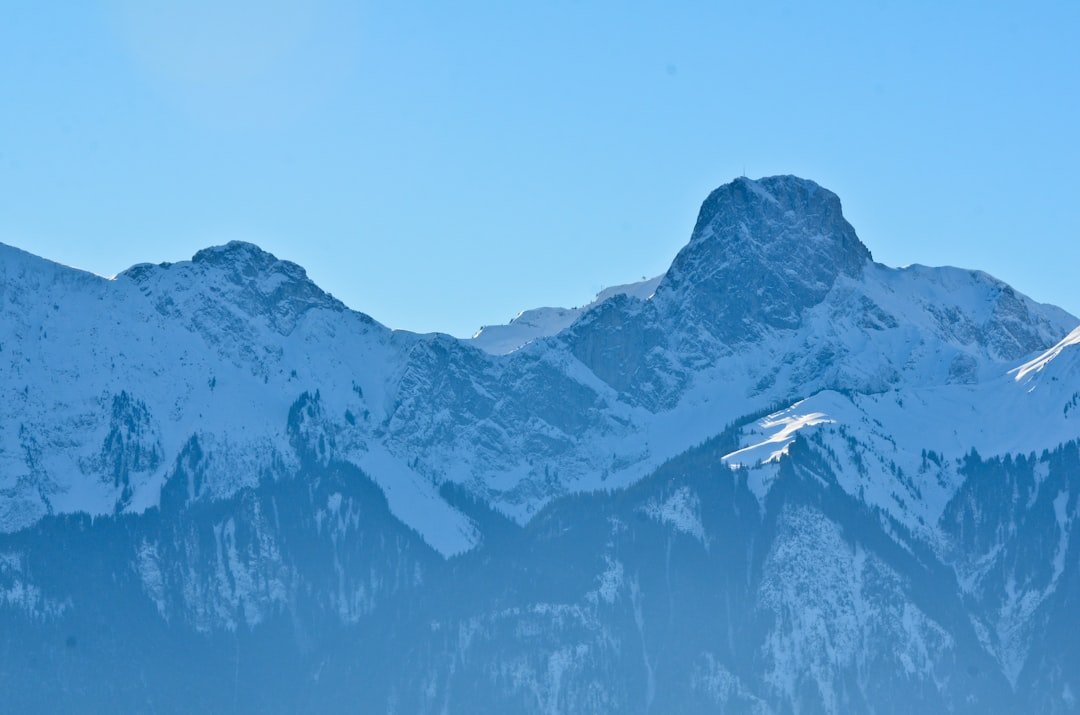
At Gelmersee, turn your attention to the relationship between the railway, reservoir, granite slopes, water, and sky. The official Grimselwelt photography guide specifically highlights both Gelmerbahn and Gelmersee as photo subjects. The lake can also provide reflections when the wind is calm.
If you hike, marked mountain routes can open additional landscape perspectives. However, do not leave a marked or safe public route simply to imitate a photograph you saw online. The operator warns that local mountain paths can require surefootedness and a head for heights.
Warning: Do not walk along the Gelmerbahn track, enter railway infrastructure, or assume that a visible patch of ground beside the line is a public viewpoint. Use stations, marked paths, and other legal public areas, and follow barriers and staff instructions.
Understanding the Lighting Conditions at Gelmerbahn
Soft light is useful in the mountains because it can reduce harsh contrast between bright sky, reflective water, pale granite, and deep shadows. However, true sunrise and sunset golden hour are usually not practical while riding the Gelmerbahn because public services operate during daytime hours.
For the 2026 season, Gelmerbahn runs from June 6 through October 25. In June, September, and October, scheduled operating hours are 09:00 to 16:00. In July and August, they are 08:36 to 16:48. If you want softer light on the railway itself, start by looking at the earliest or latest available service rather than assuming a sunrise or sunset ride is possible.
Midday light is not automatically bad. Strong sunlight can make the turquoise water and red railway carriage stand out, especially when the air is clear. Watch your highlights because pale rock, clouds, and water can become overexposed before darker parts of the scene look bright enough.
A circular polarizing filter can reduce some reflections and deepen parts of a blue sky, but rotate it while looking through the viewfinder because the effect changes with the angle of the sun. On very wide lenses, polarization can also make the sky look uneven.
Cloudy conditions can be excellent for detail photographs because softer light reduces extreme highlights and shadows. Mountain weather changes quickly, so a cloudy morning can also turn into rain, mist, or bright sun within a short period.
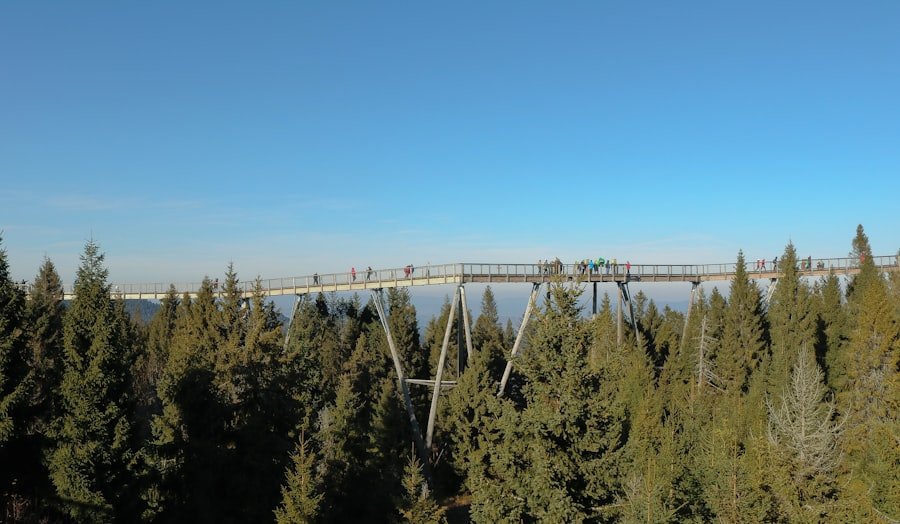
Pro Tip: Check the direction of the sun before your reserved ride and decide whether you want front light, side light, or a silhouette. That small decision can save you from trying to solve every composition while the carriage is already moving.
Choosing the Right Equipment for Gelmerbahn Photography
| Equipment | Best Use | Practical Benefit |
| DSLR or mirrorless camera | Landscapes, action, RAW files, changing light | Good control over shutter speed, aperture, ISO, focus, and lenses |
| Wide-angle lens | Railway plus mountains, lake, sky, and foreground | Fits the scale of the Gelmerbahn landscape into one frame |
| Standard or telephoto lens | Railway details, distant carriage, compressed mountain layers | Lets you create tighter compositions without approaching restricted areas |
| Compact tripod | Static landscapes and lower-light photography away from the moving carriage | Improves stability for slower exposures |
| Smartphone | Quick wide views, video, panoramas, and travel photos | Lightweight and easier to handle during the ride |
A full-frame lens around 16–35 mm is useful for broad alpine scenes, but it is not the only good choice. On a crop-sensor camera, use a lens that gives a similar wide field of view. A phone’s main and ultra-wide cameras can also work well when the light is strong.
A standard zoom or short telephoto is useful when you want the railway to occupy more of the frame. A longer focal length can visually compress the mountain background and lets you photograph from farther away rather than moving toward restricted railway areas.
A tripod is useful for static scenery, but it is rarely helpful while you are actually riding the moving carriage. Keep your setup compact. The operator states that large luggage that cannot stay on your lap and occupies a seat is charged separately, and there are no luggage-storage facilities at the mountain station.
Carry at least one spare battery and enough storage space. Cold conditions can shorten battery life, and rapid changes between still photos, burst shooting, and video can fill a card quickly. A microfiber cloth is also useful for rain droplets or spray.
Composition Tips for Capturing the Thrills of Gelmerbahn
The railway tracks are strong leading lines. From a safe public position, use them to guide the viewer toward the carriage or mountains. A centered composition can emphasize the steep geometry, while an off-center carriage can give more space to the surrounding landscape.
Foreground elements such as granite, alpine plants, railings, or shoreline textures can add depth. Keep them purposeful. A foreground element should help show scale or guide the eye rather than cover the main subject.
Try both horizontal and vertical frames. A horizontal frame works naturally for Gelmersee and wide mountain views. A vertical frame can emphasize the steep rise of the railway and the height difference between valley and mountain.
Do not limit yourself to wide scenes. Details such as the carriage, rails, cable equipment, wet rock, reflections, and layers of distant peaks can build a stronger set of photographs than twenty similar wide-angle images.
If the lake is calm, look for reflections. Lowering the camera slightly can bring more water into the frame. If the sky is dramatic, raise the horizon lower in the image so the clouds become part of the story.
Capturing the Action: Tips for Shooting the Moving Gelmerbahn
When you want a sharp carriage, a shutter speed around 1/500 second is a sensible starting point in good light. Faster movement, longer focal lengths, camera shake, or close shooting may require an even faster shutter. Slower movement may allow you to use less.
Continuous autofocus and burst shooting can improve your chances when the carriage is approaching or passing through the strongest part of your composition. Focus on the carriage before it reaches the exact point where you want to take the photograph, then shoot a short burst.
For a deliberate sense of motion, try panning. Start with a slower shutter speed, perhaps around 1/30 to 1/125 second, follow the carriage smoothly, press the shutter while continuing to move, and keep following after the exposure. There is no universal panning speed, so experiment.
Nikon’s official guidance on camera panning emphasizes practice and adjusting shutter speed according to subject distance and movement rather than relying on one setting.
Photographing From the Open Carriage
Keep your camera secured with a strap and avoid leaning equipment outside the carriage. The ride changes angle quickly, so use a simple setup before departure. Shutter Priority or Manual mode with Auto ISO can help if the light shifts between open views and darker terrain.
If you use a phone, turn on the camera before the steepest part of the ride instead of trying to unlock it at the last second. Take a few still photographs, then switch to short video clips if you want motion. Holding the phone close to your body improves stability and reduces the risk of dropping it.
Planning Around 2026 Tickets, Access, and Construction
For 2026, the Gelmerbahn season runs from June 6 to October 25. The official timetable lists 09:00 to 16:00 operations in June, September, and October, with the last ascent at 15:48 and last descent at 16:00. In July and August, service runs from 08:36 to 16:48, with the last ascent at 16:36.
Adult tickets are CHF 20 one way or CHF 40 return. Children ages 6–15 are CHF 10 one way or CHF 20 return. The operator strongly recommends advance online booking because departures can sell out, particularly in good weather. Reserved round-trip passengers should collect their tickets at the valley ticket office no later than 15 minutes before departure.
2026 Note: Construction near the valley station means access involves steep stairs and temporary hiking paths, with roughly a 15-minute walk from the parking area or PostBus stop. The Gelmersee dam itself is not accessible during summer 2026, although the circular hiking route remains possible via the temporary route in front of the dam wall. Check the official status before your visit.
Parking is limited, and the operator recommends public transport. The relevant PostBus stop is Handegg, Gelmerbahn.
Weather and Safety for Gelmerbahn Photography
Gelmersee is at high alpine elevation, so weather can change rapidly. Carry a waterproof layer even if the valley forecast looks good. Sturdy footwear is more important than carrying one extra lens if you plan to walk beyond the immediate station area.
The official Gelmerbahn information states that the mountain paths require surefootedness and a head for heights. The railway is also reached by stairs and is not suitable for wheelchairs, baby carriages, or people with significant walking difficulties.
There are no catering facilities at the Gelmerbahn mountain station, so bring water and enough food for the time you plan to stay. This is especially important if photography causes you to spend longer around the lake than expected.
Keep enough time to return for your reserved descent. Do not let one last photograph make you miss a booked service, especially because the operator warns that descent tickets can sell out.
What About Drone Photography?
Do not assume that a mountain location automatically permits drone flights. Switzerland’s Federal Office of Civil Aviation requires drone pilots to check current geographical flight restrictions before each flight. Restrictions can change, and additional rules apply to people, airspace, infrastructure, and different drone categories.
Before taking a drone, consult the Swiss Federal Office of Civil Aviation geographical flight restrictions and the current official drone map. Also respect any local signs or operator instructions around the railway, construction areas, dam, and reservoir infrastructure.
Editing and Enhancing Gelmerbahn Photos for Maximum Impact
Post-processing should strengthen what was already present rather than turn the landscape into something artificial. Start with exposure and white balance. Mountain photographs often contain a large brightness range between clouds, water, granite, and shadowed slopes.
If the sky is close to clipping, reduce highlights before lifting the shadows. If the carriage becomes too dark, use a local mask or selective adjustment instead of brightening the entire image.
Gelmersee can have strong blue-green color, but avoid pushing saturation so far that the water or vegetation looks unnatural. Adobe’s Lightroom documentation explains that saturation changes overall color intensity, while vibrance gives greater emphasis to less-saturated colors. You can review Adobe’s current Lightroom tone and color controls for the available adjustments.
Use clarity, texture, and sharpening carefully on granite and railway details. Too much local contrast can make distant mountains look crunchy and can create halos along the skyline.
If your camera supports RAW capture and you are comfortable editing RAW files, it gives you more flexibility when recovering highlights and shadows. JPEG is still perfectly usable when you want smaller files and quicker sharing.
Sharing Your Gelmerbahn Photography with the World
Once you have selected and edited your strongest photographs, share a small varied set rather than many near-identical frames. A useful sequence might include one wide landscape, one photograph of the steep railway, one close detail, one Gelmersee scene, and one image that shows the human scale of the experience.
Instagram, Facebook, photography communities, and a personal portfolio can all work well for Gelmerbahn photographs. If you use hashtags, specific tags such as #Gelmerbahn, #Gelmersee, #Grimselwelt, and #BerneseOberland give viewers more context than very broad travel tags.
A portfolio or blog also gives you room to explain where a photograph was taken, what light you had, and which settings worked. Those details are more valuable to other photographers than simply saying the scenery was beautiful.
For more location-specific inspiration, Grimselwelt publishes an official Best Photo Spots page highlighting Gelmerbahn, Gelmersee, Handeck Suspension Bridge, and other nearby subjects.
The strongest Gelmerbahn photographs usually come from combining simple technique with careful planning. Know where you can safely stand, choose your ride time with the available light in mind, keep your camera ready for the short journey, and leave enough time to explore the public landscape around Gelmersee without rushing.
Frequently Asked Questions
What is the Gelmerbahn viewpoint?
There is not one official halfway-up Gelmerbahn viewpoint where passengers leave the railway. Photographers can use legal public areas around Handegg, the Gelmerbahn stations, Gelmersee, and marked surrounding trails. Gelmersee itself offers broad views of the high alpine landscape.
What are the best photography tips for the Gelmerbahn?
Use a wide lens for the railway and mountains together, try a faster shutter speed when you want a sharp moving carriage, use leading lines from the railway where you can photograph safely, expose carefully for bright sky and water, and keep your equipment ready because the ride lasts only about 12 minutes.
Are there photography restrictions at the Gelmerbahn?
Ordinary handheld photography should always be done from areas open to visitors and in a way that does not interfere with railway operations or other passengers. Follow barriers, staff instructions, construction closures, and trail rules. Drone photography is subject to separate Swiss aviation rules and current geographical restrictions.
What is the best time of day to photograph the Gelmerbahn?
For the railway itself, the earliest or latest scheduled trip often gives you a better chance of softer light. True sunrise and sunset generally fall outside Gelmerbahn operating hours. Cloud cover and the direction of the sun can matter as much as the clock, so check conditions before your reserved ride.
What lens is best for Gelmerbahn photography?
A wide-angle lens is useful for showing the railway within the mountain landscape. A standard or telephoto lens is better for isolating the carriage, railway details, or distant mountain layers. Smartphone main and ultra-wide cameras can also produce excellent travel photographs in good light.
Should I bring a tripod to Gelmersee?
A compact tripod can help with static landscapes or slower exposures around safe public areas, but it is not useful on the moving Gelmerbahn carriage. Keep luggage compact because space is limited, large seat-blocking luggage can cost extra, and the mountain station has no luggage-storage facility.
Can I fly a drone at Gelmerbahn or Gelmersee?
Do not assume so. Swiss drone operators must check the current FOCA drone map and geographical flight restrictions before each flight. Registration, aircraft category, distances from people, airspace restrictions, infrastructure, and temporary restrictions may also affect whether a flight is legal.
Do I need to book Gelmerbahn tickets in advance?
Advance booking is strongly recommended by the operator because trips can fill quickly, especially during good weather. For 2026, adult fares are CHF 40 return or CHF 20 one way. Check the official Gelmerbahn page before traveling because prices, construction conditions, operating status, and availability can change.
Sources
- Grimselwelt: Gelmerbahn — official 2026 opening hours, fares, booking, capacity, access, construction, equipment, and visitor information.
- Swiss Cableway Inventory: Handegg–Gelmersee — railway history, 1926 construction, station elevations, technical background, and 106% maximum gradient.
- Grimselwelt: Best Photo Spots — official photography locations and nearby subjects in the Grimselwelt area.
- Nikon: 10 Tips for Better Camera Panning — practical guidance for photographing moving subjects with panning techniques.
- Adobe Lightroom: Image Tone and Color — official guidance for exposure, tone, saturation, and color adjustments.
- Swiss Federal Office of Civil Aviation: Geographical Flight Restrictions — current Swiss drone-flight restriction guidance and official map requirements.