Glamping in Switzerland combines outdoor scenery with the convenience of a ready-made place to sleep. Instead of bringing a tent and full camping setup, you can book furnished pods, lodges, cabins, yurts, caravans, treehouses, or other unusual stays. Comfort varies widely, so the best choice depends on the region, season, amenities, and activities you want.
Quick Answer
Glamping in Switzerland is a comfortable way to stay close to lakes, mountains, farms, and Alpine scenery without bringing a full camping setup. Choose a site by location and season, then check exactly what your unit includes, such as bedding, heating, a bathroom, cooking facilities, parking, meals, and activity access.
Key Takeaways
- Swiss glamping ranges from furnished tents and pods to cabins, caravans, farm stays, treehouses, and highly unusual winter accommodation.
- Amenities are not standardized. A private bathroom, kitchenette, heating, Wi-Fi, restaurant, sauna, or hot tub may be available at one property and absent at another.
- Summer is popular for hiking, cycling, and lake activities, while winter options depend heavily on whether the accommodation and nearby facilities stay open.
- Book for the location first, then compare total price, cancellation terms, bedding, cleaning, tourist taxes, meals, parking, and transport access.
- For mountain stays, check the weather before heading out. MeteoSwiss says thunderstorm activity in Switzerland peaks from June through August.
Luxury Accommodations and Amenities
The main appeal of glamping is that you can enjoy a camping-style setting without giving up every household comfort. Switzerland Tourism describes glamping as a combination of style, comfort, camping, and closeness to nature. TCS Camping currently lists more than 35 types of rental accommodation across its network, including lodges, pods, cabins, caravans, and other furnished units.
Some units feel close to a small holiday apartment, with beds, electricity, a kitchenette, and a private shower and toilet. Others are intentionally simple and may use shared campsite facilities. For example, TCS lists a Family Pod Deluxe with a double bed, sofa bed, kitchenette, heating, refrigerator, and private shower/WC, while other units have fewer facilities.
Note: Do not assume that “glamping” means hotel-level service. Check the individual unit description for bedding, towels, bathroom access, heating or air-conditioning, cooking equipment, Wi-Fi, parking, and final-cleaning rules before you pay.
Outdoor decks, seating areas, fire pits, saunas, hot tubs, and spa services can be part of the experience, but they are property-specific rather than standard glamping features. If one of these amenities is important to you, confirm that it belongs to your exact accommodation type rather than simply being available elsewhere on the campsite or at a nearby facility.
Where to Go Glamping in Switzerland
There is no single “best” glamping region. The right base depends on what you want to see and how much travel you want to do after check-in.
- Bernese Oberland and Lake Thun: a strong choice for mountain scenery, hiking, lake activities, and access to places such as Interlaken. TCS Camping Gwatt Thunersee offers rental accommodation beside Lake Thun.
- Lake Lucerne region: useful for combining lake scenery with easy access to central Switzerland. TCS Camping Luzern-Horw offers furnished glamping and rental units, while Switzerland Tourism also highlights farm-based glamping such as a yurt stay in Merlischachen.
- Valais: a good base for dry Alpine valleys, hiking, cycling, vineyards, and mountain resorts. TCS Camping Sion offers rental accommodation, while Zermatt has separate winter novelty stays such as an igloo village.
- Graubünden: suitable for high-Alpine landscapes, mountain biking, hiking, and winter sports. Glamping-style or unusual accommodation appears around areas such as Flims, Scuol, Davos, and the Engadin.
- Lake Geneva and western Switzerland: useful if you want lakeside scenery with access to towns, vineyards, and the Jura. TCS lists Woodlodge accommodation in Morges, and Switzerland Tourism features treehouse stays in the Jura & Three-Lakes region.
Pro Tip: Choose the region before choosing the accommodation. A beautiful pod is less useful if it puts you far from the hikes, lakes, ski area, railway station, or family attractions you actually want to visit.
Best Time of Year for Glamping
For the widest choice of traditional campsite-style glamping, late spring through early autumn is usually the easiest period to plan, but opening dates vary by property and altitude. Summer gives you the broadest range of hiking, cycling, and lake activities. It is also the main thunderstorm season, so flexible daily plans are useful. MeteoSwiss reports that thunderstorm activity peaks from June through August.
Spring and autumn can bring quieter surroundings and cooler temperatures, but some mountain lifts, restaurants, activity providers, or seasonal campsites may have reduced schedules. Always check the actual opening dates of both your accommodation and the activities that matter to you.
Winter glamping is more specialized. Some properties operate year-round, while others close or offer only selected units. If your goal is skiing or snowshoeing, verify heating, road or rail access, check-in arrangements, and the winter operating dates of the nearby resort before booking.
MeteoSwiss reports that thunderstorm activity across Switzerland reaches its annual peak during the warm summer months from June through August.
Outdoor Activities and Adventures
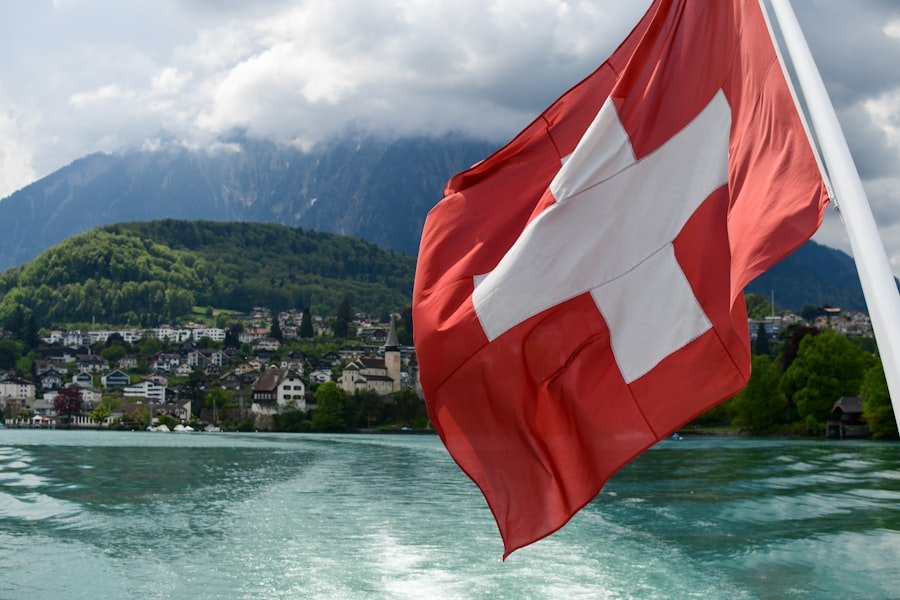
One reason to choose glamping in Switzerland is the range of outdoor activities available near many lake and mountain regions. The exact options depend on your location, fitness, weather, and season, so it is better to plan around verified local routes than assume every campsite offers the same activities.
Hiking and Mountain Biking
Switzerland has extensive marked hiking and cycling networks. For mountain biking, SwitzerlandMobility publishes official and marked routes for different levels. Before a mountain outing, check distance, elevation, surface, weather, and the last return connection if you are relying on public transport.
Lake and Water Activities
At lakeside destinations, swimming, kayaking, canoeing, paddleboarding, sailing, or pedal boats may be available nearby. Availability can be seasonal, and equipment rental may come from an independent local operator rather than the glamping property itself. Check water conditions and local safety rules before setting out.
Winter Sports and High-Alpine Activities
Skiing, snowboarding, snowshoeing, and winter walking can work well with a heated glamping or unusual-accommodation stay, but do not assume a campsite is ski-in/ski-out. Zermatt, St. Moritz, Davos, and other mountain destinations have major winter-sports infrastructure, yet the distance from your accommodation to lifts and winter transport can vary greatly.
More adventurous activities such as paragliding, climbing, guided high-Alpine trips, or balloon flights should be booked with qualified local operators and can be cancelled because of weather. Build flexibility into your itinerary rather than treating them as guaranteed daily activities.
Culinary Delights and Dining Experiences
| Dining Question | What to Check Before Booking |
|---|---|
| On-site meals | Whether the campsite has a restaurant, café, breakfast service, food truck, or seasonal opening hours |
| Self-catering | Whether your exact unit has a refrigerator, hob, kettle, cookware, dishes, or access to a shared kitchen |
| Local food | Nearby bakeries, farm shops, markets, cheese producers, restaurants, or regional specialties |
| Special diets | Whether vegetarian, vegan, gluten-free, allergy-aware, or children’s options are available |
| Special experiences | Fondue evenings, picnic baskets, farm breakfasts, cooking sessions, or other experiences offered on your dates |
Food can be a memorable part of a Swiss glamping stay, but the original assumption that every site provides gourmet dining is too broad. Some properties have restaurants or breakfast options, some are built for self-catering, and others expect guests to eat in nearby villages.
If local food matters to you, look for properties that name their suppliers, offer regional produce, or sit near farm shops and village restaurants. A fondue evening, picnic, or cooking class can be a fun addition when a specific provider offers it, but these experiences should be confirmed before arrival rather than treated as standard amenities.
Relaxation and Wellness Options
Glamping can be relaxing simply because you are sleeping close to nature, but wellness facilities vary greatly. Some unusual accommodations and holiday properties advertise hot tubs, saunas, or nearby wellness centres. Others provide little more than a comfortable bed and outdoor seating.
If you want massage treatments, yoga classes, meditation sessions, a private hot tub, or a sauna, search for those features directly and verify whether they are included in the rate, available by reservation, or located off-site. This avoids booking a visually luxurious unit and then discovering that the wellness feature you expected is not part of your stay.
Unique Glamping Locations and Settings
Switzerland’s unusual accommodation goes beyond standard tents. Official tourism listings include furnished pods and lodges, farm yurts, caravans, treehouses, and other themed stays. In Le Locle, for example, Switzerland Tourism lists four treehouses equipped with a kitchen, shower, toilet, and wood stove.
For a winter experience, Switzerland Tourism also lists igloo villages in mountain resorts such as Zermatt and Gstaad. These are better understood as specialized winter accommodation rather than ordinary campsite glamping. They can include surprisingly comfortable features, but guests should pay close attention to altitude, access, clothing requirements, and operating dates.
Farm stays add another style of outdoor accommodation. Switzerland Tourism’s farm-holiday listings include options such as sleeping in straw, tipis, treehouses, and a yurt experience in Merlischachen. These stays can offer a closer look at rural life, but activities, animal access, meals, and child-safety rules differ by farm.
Family, Pet, and Accessibility Considerations
Glamping can work well for couples, solo travelers, groups, and families because units come in many sizes. TCS, for example, lists family-oriented pods and cabins, and some rental units sleep four or more guests. However, maximum occupancy, bed layouts, cot availability, and minimum ages should be checked for the exact unit.
Families should also look for safe walking routes, playgrounds, swimming access, rail or bus connections, and a bathroom setup that works at night. If you are traveling with a dog, check both the accommodation’s pet policy and local rules for trails, farms, wildlife areas, and public transport.
Accessibility varies even more. A unit described as a pod, tent, or treehouse may involve steps, narrow doors, uneven ground, or a distant shared bathroom. TCS publishes a specific barrier-free bungalow option, showing why travelers with mobility needs should confirm step-free access, bathroom dimensions, parking, and the route between the unit and common facilities before booking.
Getting There and Getting Around
You do not necessarily need a car for a Swiss glamping trip. Switzerland’s public transport network can make many regions practical by train and bus, especially when the campsite or accommodation is close to a station or local stop. For remote farm, valley, or high-altitude stays, however, the final connection may be infrequent, seasonal, or require a walk, taxi, cable car, or pickup.
Before booking, enter the exact accommodation address into the SBB journey planner and check both your arrival and departure times. Also check how late you can arrive. Some campsites restrict vehicle access or reception hours, which can matter if your train or flight reaches the region in the evening.
Sustainable and Eco-Friendly Practices
Sustainability claims should be evaluated property by property. Switzerland Tourism’s Swisstainable programme is designed to help travelers identify tourism businesses that have made defined sustainability commitments. The programme has three levels, with increasing requirements and evidence.
If environmental performance matters to you, use the Swisstainable service-provider directory and then look for concrete practices such as public-transport access, renewable energy, water-saving measures, waste reduction, local food sourcing, or credible third-party certification. A rustic appearance, wooden pod, or remote location is not proof by itself that an accommodation is environmentally responsible.
You can also reduce the footprint of your own stay by arriving by public transport when practical, staying on marked paths, conserving water and energy, using existing fire sites where permitted, and taking rubbish with you.
Weather, Camping Rules, and Safety
Mountain and lake weather can change quickly, even during a comfortable glamping stay. MeteoSwiss recommends checking hazards when planning outdoor activities. During thunderstorms, it advises avoiding bodies of water, exposed ridges, isolated trees, pylons, towers, and open terrain.
Warning: Do not treat a glamping booking as permission to camp elsewhere nearby. Rules for camping and bivouacking are not uniform across Switzerland, and restrictions can apply at cantonal, municipal, private-property, wildlife-protection, and nature-reserve levels. The Swiss Alpine Club advises checking in advance that camping is permitted.
For hiking or cycling, take clothing that works in layers, carry water, protect yourself from sun, and choose routes appropriate for your experience. If you are heading above the valley floor, check weather, trail status, transport operating times, and daylight before departure.
Tips for Planning the Ultimate Glamping Experience
Start with the experience you want rather than the most photogenic accommodation. Decide whether your priority is a lake, mountain hiking, skiing, family activities, a romantic weekend, farm life, or easy train access. Then compare units within that region.
- Check the exact unit: Confirm beds, bedding, towels, heating, bathroom type, kitchen facilities, electricity, Wi-Fi, and outdoor space.
- Price the whole stay: Look beyond the nightly rate and check cleaning charges, bedding fees, tourist taxes, parking, breakfast, pet fees, and cancellation conditions.
- Confirm seasonality: Verify campsite opening dates, mountain lifts, restaurants, rental shops, and activity providers.
- Plan for weather: Pack layers and waterproof protection even in summer, and keep a bad-weather activity in reserve.
- Check transport: Confirm the final bus, train, cable car, walking route, parking arrangement, and latest check-in time.
- Ask about children or pets: Do not assume every unit accepts them or has the same safety setup.
- Book popular dates early: Weekends, school holidays, summer lake stays, and distinctive units can have limited inventory.
Packing appropriately is especially important because a furnished unit may still require outdoor clothing and campsite basics. A practical list includes layered clothing, a waterproof jacket, sturdy footwear, sun protection, refillable water bottles, insect protection where needed, a small first-aid kit, chargers or adapters, and any food your unit’s kitchen setup allows.
Hosts and campsite staff can be useful sources for nearby trails, transport, restaurants, weather alternatives, and local rules. Use their advice together with official weather and route information, especially for mountain activities.
Optional Glamping Food Idea
If your accommodation has suitable kitchen facilities and you enjoy preparing your own food, you can also use this existing recipe as an optional meal idea: Delicious Homemade Cottage Cheese: A Simple and Healthy Recipe. Check the unit’s refrigerator, cookware, and food-preparation setup before planning meals around it.
Frequently Asked Questions
What is glamping?
Glamping combines camping or a close-to-nature setting with more comfort than a basic tent setup. Depending on the property, that can mean a furnished tent, pod, lodge, cabin, caravan, yurt, treehouse, or another unusual accommodation with beds, electricity, heating, a kitchen, or a private bathroom.
What are some popular glamping areas in Switzerland?
Useful regions to compare include the Bernese Oberland and Lake Thun, the Lake Lucerne region, Valais, Graubünden, and western Switzerland around Lake Geneva and the Jura. Interlaken is a practical base for the Bernese Oberland, while Zermatt is better known for mountain and winter accommodation, including a seasonal igloo village. Check the exact property rather than choosing only by destination name.
What amenities can I expect at a glamping site in Switzerland?
A bed and furnished shelter are common starting points, but other amenities vary. Some units have electricity, heating, a refrigerator, cooking facilities, and a private shower/WC. Others use shared campsite bathrooms or kitchens. Hot tubs, saunas, restaurants, and wellness services are optional extras, not standard features.
Is glamping in Switzerland suitable for families?
Yes, many properties have family-sized pods, cabins, or lodges, but check occupancy, bed layout, bathroom access, playgrounds, water safety, and whether cots or high chairs are available. A family-friendly campsite does not mean every accommodation type is suitable for every age.
What is the best time of year for glamping in Switzerland?
Summer offers the widest range of hiking, cycling, and lake activities, but June through August is also Switzerland’s peak thunderstorm period. Spring and autumn can be quieter but more seasonal services may close. Winter is best for specialized heated stays near winter activities, provided the property operates on your dates.
Can I wild camp near a glamping site?
Do not assume so. The legal situation is not uniform, and local restrictions or protected-area rules may prohibit camping. The Swiss Alpine Club advises checking in advance that camping is allowed and respecting access, wildlife, fire, and private-property restrictions.
Do I need a car for glamping in Switzerland?
Not always. Many regions are reachable by train and bus, but the final leg to a campsite, farm, or mountain property can be the deciding factor. Check the exact address in the SBB journey planner, including the latest evening connection and any walking distance from the stop.
What should I pack for a Swiss glamping trip?
Bring layered clothing, a waterproof outer layer, suitable footwear, sun protection, a refillable water bottle, chargers or adapters, and any personal outdoor gear your activities require. Also check whether bedding, towels, toiletries, cookware, and food storage are supplied so you do not pack unnecessary items.
Sources
- Switzerland Tourism: Glamping — overview of glamping as a close-to-nature accommodation style in Switzerland.
- TCS Camping: Rental accommodation — current examples of Swiss glamping units and the amenities that vary by accommodation.
- Switzerland Tourism: Swisstainable — official sustainability programme and participation levels.
- MeteoSwiss: Thunderstorm and lightning frequency in Switzerland — seasonal thunderstorm timing.
- MeteoSwiss: Thunderstorm safety recommendations — outdoor precautions during thunderstorms.
- Swiss Alpine Club: Hike responsibly — responsible camping, access, fire, and outdoor conduct.