Bachalpsee is one of the most rewarding alpine viewpoints near Grindelwald because it gives photographers a strong mix of water, ridgelines, meadows, and mountain reflections in one compact scene. The best photos usually come from simple planning: arrive when the light is soft, wait for calm water, and build the composition around the lake edge, trail, flowers, rocks, or reflections.
Quick Answer
To photograph Bachalpsee viewpoint well, shoot during calm golden hour or blue hour light, use a wide-angle lens for the lake and mountain reflections, add foreground interest such as rocks or alpine flowers, and check current weather, trail, and Grindelwald-First transport conditions before you go.
Key Takeaways
- The strongest Bachalpsee photos usually need calm water, soft light, and a clear foreground.
- Golden hour adds warm color; blue hour creates cooler, quieter images with softer contrast.
- Use the trail, shoreline, flowers, rocks, or reflections as leading lines and depth cues.
- A polarizing filter can reduce glare, but it can also weaken the reflection if overused.
- Plan like a hiker, not just a photographer: check weather, maps, footwear, layers, and transport times.
At a Glance
| Time Required | About 50–60 minutes on foot from First to Bachalpsee, plus shooting time and the return walk. |
| Difficulty | Easy to moderate in good summer or autumn conditions, but it is still an alpine trail with fast-changing weather. |
| Tools Needed | Camera or phone, wide-angle lens, optional tripod, polarizing filter, ND filter, layers, water, trail shoes, map, and charged phone. |
| Cost | Photography is free; transport, cable car tickets, parking, food, and optional activities cost extra. |
Know the Bachalpsee Viewpoint Before You Shoot
Bachalpsee, also called Lake Bachalp, sits above Grindelwald in the Bernese Oberland. Grindelwald Tourism lists the lake at 2,265 meters above sea level and describes it as a mountain lake known for reflections of the Alps. That high setting is exactly why the light, wind, clouds, and trail conditions matter so much for photography.
Most visitors approach Bachalpsee from the First mountain area above Grindelwald. The walk from First to the lake is often described as about 50 minutes to one hour in normal clear-weather conditions, but you should allow extra time if you are carrying gear, stopping for photos, or hiking back near the end of the day. Before committing to sunrise, sunset, or blue-hour plans, check current operating times through the Jungfrau Railways timetable.
The classic view is popular because the lake can mirror peaks such as the Wetterhorn, Schreckhorn, Finsteraarhorn, and the Grindelwald glacier when the air is calm. Switzerland Tourism notes that the reflections are especially beautiful in the early morning and at dusk, when wind is often lower and the lake surface may be still.
Note: A clear sky is not always better. Thin clouds can soften harsh contrast, add color at sunrise or sunset, and give the mountains more texture than a blank blue sky.
Best Time to Shoot: Golden Hour, Blue Hour, and Season
Timing is one of the biggest differences between an ordinary Bachalpsee snapshot and a polished landscape photograph. The lake can look flat in harsh midday light, but it becomes much more expressive when the sun is low, the wind is light, and the surrounding peaks catch color.
Golden Hour
Golden hour happens shortly after sunrise and shortly before sunset. At Bachalpsee, this warm light can make the meadow, trail, rocks, and mountain ridges feel more dimensional. It is also easier to preserve detail in both the sky and the land because the contrast is usually softer than it is at midday.
For a classic reflection photo, arrive before the best light begins. Set your composition first, then wait for small breaks in wind. A few seconds of calm water can be enough to capture a clean mirrored frame.
Blue Hour
Blue hour happens before sunrise and after sunset, when the sky turns cooler and the scene becomes quieter. This is a strong time for moodier Bachalpsee images, especially if the lake is still and the mountain shapes remain visible against the sky.
Because the light is dimmer, use a tripod if possible. Keep ISO low when you can, and lengthen the shutter speed instead. If the wind is moving the water, use that motion creatively rather than trying to force a perfect reflection.
Best Season
The most practical photography season is usually early summer through autumn, once snow has melted from the main route and the lake area is easier to reach. Summer can bring green meadows and alpine plants, while autumn may offer clearer air, fewer flowers, and warmer tones in the landscape. Winter and shoulder-season visits can be beautiful, but they require more caution because snow, ice, closed trails, or limited transport can change the plan quickly.
Composition and Framing: Creating a Captivating Image
Good composition at Bachalpsee starts with deciding what the photo is really about. Do you want the lake reflection, the mountain skyline, a foreground of flowers, a hiker on the trail, or a quiet minimalist scene? Choose one main idea first, then arrange the rest of the frame to support it.
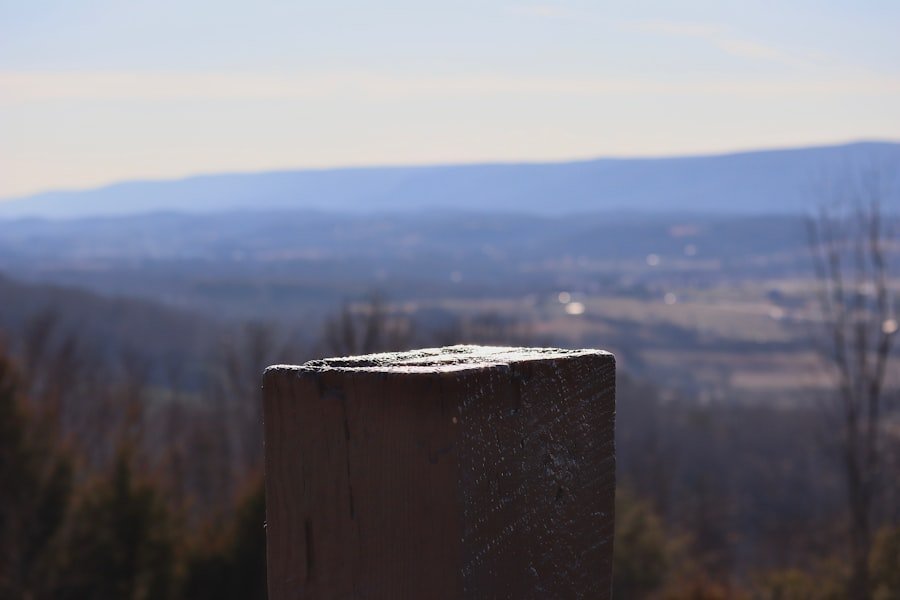
The rule of thirds is useful here, but do not apply it mechanically. If the reflection is the main subject, a centered horizon can work well because it emphasizes symmetry. If the sky is dramatic, give the sky more room. If the lake and foreground are stronger, lower the horizon and let the land lead the viewer into the scene.
Pro Tip: Take one safe wide shot first, then move closer to the water, crouch lower, and look for a foreground anchor. Most stronger compositions come from changing your position, not from zooming.
Utilizing Leading Lines and Foreground Elements
Leading lines help guide the viewer through the photograph. At Bachalpsee, the most useful lines are usually the walking path, lake edge, small streams, flower rows, rock shapes, and mountain ridges. These lines can pull the eye from the foreground toward the lake and then up to the peaks.
| Technique | How to Use It at Bachalpsee | Why It Works |
|---|---|---|
| Leading Lines | Use the trail, shoreline, streams, or ridgelines to point toward the lake or mountains. | They create depth and make the image easier to read. |
| Foreground Elements | Place rocks, flowers, grass, or a curve of the lake edge in the lower part of the frame. | They add scale, texture, and a stronger sense of place. |
Foreground elements are especially helpful when the sky is plain. A cluster of flowers, a textured rock, or a ripple pattern can keep the lower half of the image interesting. Just avoid stepping off marked paths or damaging alpine plants to get a shot.
Playing with Light and Shadows: Enhancing the Mood
Light shapes the mood of Bachalpsee more than almost any camera setting. In soft light, the lake and mountains can look calm and balanced. In stronger side light, the ridges become more dramatic because shadows reveal texture. In backlight, hikers, grasses, and rocks can become silhouettes against a bright sky.
Midday light is harder, but it is not useless. Use it for high-contrast black-and-white compositions, detail shots of water and rocks, or images where clouds cast moving shadows across the slopes. If the sky is too bright, try framing out most of it and focus on the lake, trail, and foreground.
The best reflection is often a weather moment, not a camera trick: calm air, low light, and patience matter more than expensive gear.
Using Filters for Dramatic Effects
Filters can help, but they should support the scene rather than overpower it. A polarizing filter is useful when glare on the lake or wet rocks is distracting. Rotate it slowly while looking through the viewfinder or screen. Stop when the balance looks natural.
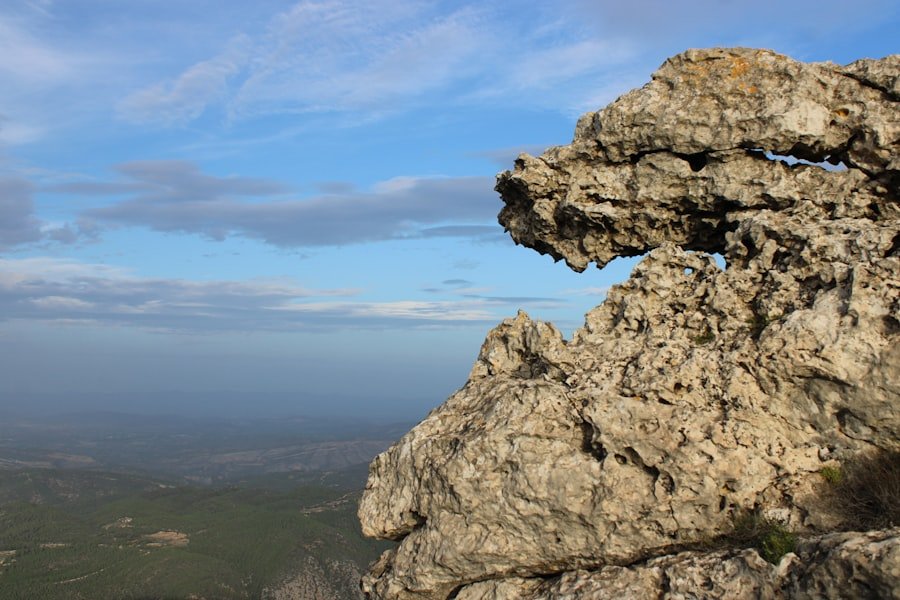
Be careful with polarizers at Bachalpsee because reducing glare can also reduce the strength of the reflection. Sometimes the best version is not the maximum polarization; it is the point where the water still reflects the mountains but the colors keep enough clarity.
A neutral density filter is useful when you want a longer exposure in bright conditions. It can smooth ripples on the lake, soften fast-moving clouds, or create a quieter mood. For blue hour, you may not need an ND filter because the low light already allows slower shutter speeds.
Camera Settings and Gear for Bachalpsee Photos
You can photograph Bachalpsee with a phone, but a camera gives you more control in low light and high-contrast scenes. The most useful gear is simple: a wide-angle lens, a light tripod, a lens cloth, a polarizer, and enough layers to wait comfortably.
- Aperture: Use around f/8 to f/11 for broad landscape sharpness.
- ISO: Keep ISO low, such as ISO 100 or 200, when using a tripod.
- Shutter speed: Use faster speeds for wind, hikers, or wildlife; use slower speeds for calm blue-hour or long-exposure water effects.
- File format: Shoot RAW if your camera or phone allows it, especially at sunrise, sunset, and blue hour.
- Exposure: Bracket exposures when the sky is bright and the foreground is dark.
- Lens choice: Use wide-angle for the full lake-and-mountain view; use a telephoto lens to isolate ridges, reflections, or hikers for scale.
If you only have a phone, use the grid overlay, tap to expose for the sky or reflection, and take multiple frames. Many phone photos fail because the horizon is tilted or the foreground is empty, not because the camera is weak.
Capturing Wildlife and Nature: Adding Interest Without Disturbance
Bachalpsee is surrounded by alpine meadows and mountain habitat, so nature details can add life to your images. Instead of relying on wildlife sightings, look for smaller subjects that are easier to photograph responsibly: flowers, grasses, water texture, stones, clouds, and hikers moving through the landscape.
If you do see wildlife, keep your distance and use a longer focal length. Do not chase, feed, call, or corner animals for a photo. A small animal in its natural setting is usually a better image than a stressed animal filling the frame.
Safety and Trail Etiquette for Photographers
A photo trip to Bachalpsee is still a mountain outing. The Swiss Alpine Club recommends planning your route, checking weather, choosing suitable equipment, carrying protection from rain, cold, and sun, wearing good walking shoes, and taking essentials such as a first-aid kit, survival blanket, and mobile phone.
Warning: Do not plan a sunset or blue-hour shoot unless you also plan the return. Check transport times, carry a headlamp, bring warm layers, and turn back early if storms, fog, snow, or strong wind move in.
For route planning, use official mapping where possible. The swisstopo hiking maps include Swiss national maps and hiking-route information, while MeteoSwiss is the official Swiss weather service. These tools are more reliable than guessing from a clear sky in Grindelwald village.
Stay on marked trails, give uphill hikers space, and avoid blocking narrow paths with tripods. If you are photographing near the water, step carefully and keep your gear stable. Alpine ground can be wet, uneven, or fragile even when the trail looks easy.
Post-Processing Tips: Enhancing Your Bachalpsee Viewpoint Photos
Post-processing should make the image look closer to the scene you experienced, not turn it into something unnatural. Start with basic corrections: straighten the horizon, adjust white balance, recover highlights, lift shadows gently, and add moderate contrast.
For reflection images, keep the edit balanced. If the sky becomes much brighter or more saturated than the water reflection, the photo can feel fake. Use local adjustments to guide the eye toward the main subject, but avoid heavy clarity or sharpening on clouds and water.
Useful edits for Bachalpsee photos include:
- White balance: Warm golden-hour images slightly, or preserve cooler tones for blue hour.
- Graduated adjustments: Darken an overly bright sky without making the mountains look artificial.
- Selective sharpening: Sharpen ridges, rocks, and foreground details; keep water smoother.
- Color control: Reduce oversaturated blues and greens if the scene starts to look unrealistic.
- Cropping: Remove empty edges and strengthen symmetry when the reflection is the main subject.
Frequently Asked Questions
What is the Bachalpsee viewpoint?
The Bachalpsee viewpoint is a popular alpine lake viewpoint above Grindelwald in Switzerland. Photographers visit it for the combination of lake reflections, mountain peaks, meadows, and open alpine scenery.
Where is the Bachalpsee viewpoint located?
Bachalpsee is located above Grindelwald in the Bernese Oberland region of Switzerland, near the First mountain area. It sits at about 2,265 meters above sea level.
What are the best photography tips for Bachalpsee viewpoint?
Arrive early or stay late for soft light, look for calm water, use foreground elements for depth, keep the horizon level, and take both wide landscape shots and tighter detail images. A tripod helps at blue hour, and a polarizer can help control glare if used carefully.
Are there hiking trails to reach Bachalpsee viewpoint?
Yes. The common route starts from the First mountain area above Grindelwald and reaches Bachalpsee on foot in about 50–60 minutes in normal clear-weather conditions. Always check current trail, transport, and weather information before setting out.
What is the best time of year to visit Bachalpsee viewpoint for photography?
Early summer through autumn is usually the most practical period for photography because the route is more likely to be free of snow and the meadows may have seasonal color. Conditions vary each year, so confirm current trail and weather information before your visit.
Do I need a tripod at Bachalpsee?
A tripod is not required in bright daylight, but it is very helpful for sunrise, sunset, blue hour, long exposures, and careful reflection compositions. If you use a phone, a small travel tripod can still improve sharpness and framing.
Should I use a polarizing filter for Bachalpsee reflections?
Use a polarizing filter only when glare is distracting. Rotate it gently and watch the reflection as you adjust it. Too much polarization can remove the mirror effect that makes Bachalpsee so photogenic.
Sources
- Grindelwald Tourism: Lake Bachalp — supports altitude, location, reflection description, and walking access from First.
- Switzerland Tourism: Lake Bachalp — supports mirror-lake description, mountain reflections, seasonal access, and early morning/dusk photography value.
- Jungfrau Railways Timetable — supports checking current transport times before planning early or late shoots.
- Swiss Alpine Club: Safety When Hiking — supports mountain safety, weather, route planning, footwear, and emergency-preparedness guidance.
- swisstopo Hiking Maps — supports using official Swiss maps and hiking-route information.
- MeteoSwiss — supports checking official Swiss weather forecasts before visiting.