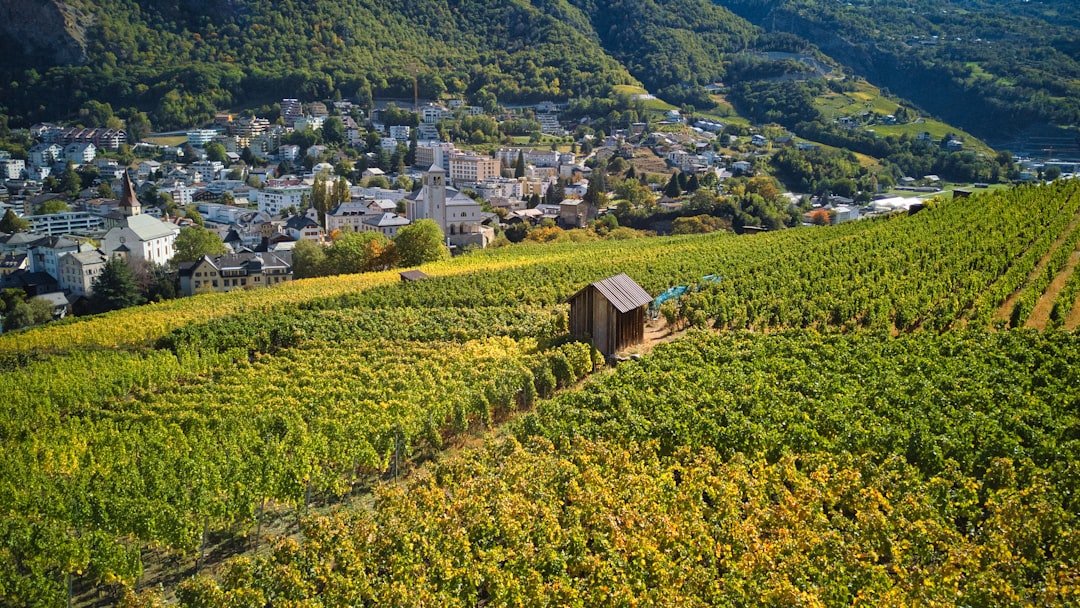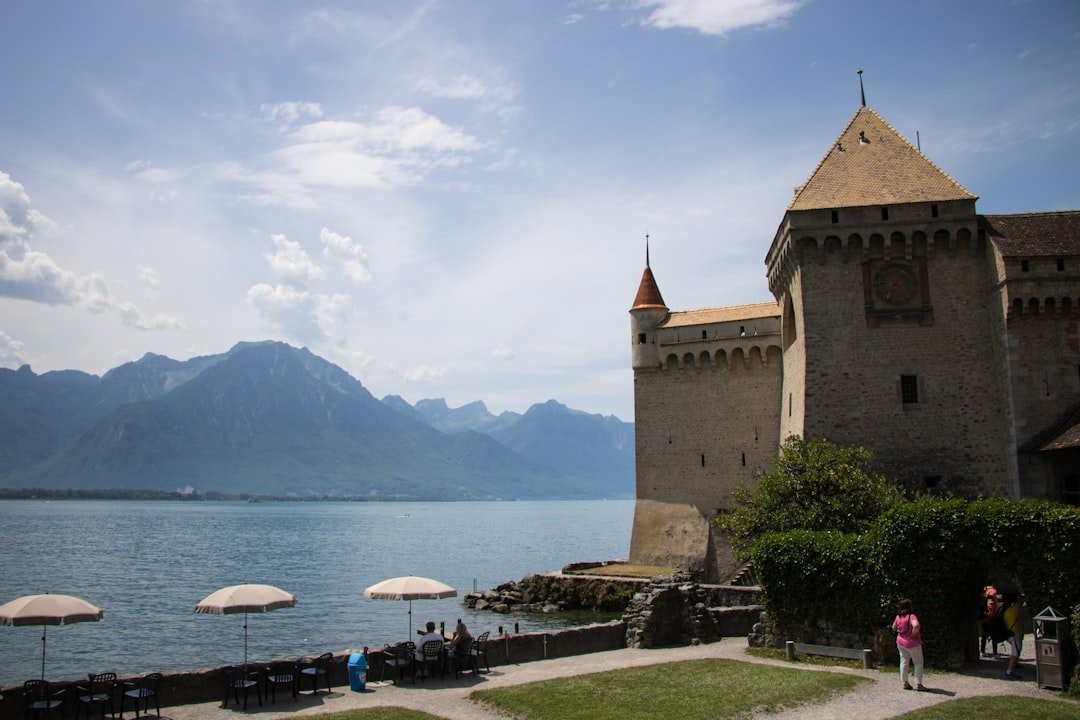
Lavaux Vineyard Terraces stretch across the steep, sun-facing slopes above Lake Geneva in Switzerland’s canton of Vaud. Vineyards, stone walls, historic villages, lake views, and the Alps combine to form a living cultural landscape shaped by generations of winegrowers. Today, visitors can explore Lavaux on foot, by train, by boat, or on selected cycling routes while discovering one of Switzerland’s most distinctive wine regions.
Quick Answer
Lavaux Vineyard Terraces is a UNESCO-listed cultural landscape in Vaud, Switzerland, stretching roughly 30 km along Lake Geneva between the Lausanne area and Chillon. The easiest visit is by train to villages such as Lutry, Cully, Epesses, Rivaz, or Saint-Saphorin, then explore marked vineyard paths, villages, wineries, and lake viewpoints.
Key Takeaways
- Lavaux has been on the UNESCO World Heritage List since 2007, and UNESCO traces the present vineyard terraces back to the 11th century.
- Public transportation is one of the easiest ways to visit, with trains serving several vineyard villages and CGN boats calling at selected lakeside landing stages.
- Verified walking options range from a short 3 km heritage route to an 11 km vineyard hike and a much longer 32 km Lausanne-Ouchy-to-Chillon path.
- Chasselas is Lavaux’s signature white grape, and many local winegrowers offer cellar visits or tastings with varying opening hours and reservation requirements.
- Lavaux is also a working agricultural landscape. Stay on marked paths, respect private vineyards, and use only authorized cycling routes through the vineyard area.
History and Significance of Lavaux Vineyard Terraces
The history of winegrowing in Lavaux reaches back many centuries. UNESCO notes evidence of vines in the area during Roman times and traces the present vineyard terraces to the 11th century, when religious institutions controlled significant parts of the landscape. According to UNESCO’s official World Heritage listing, Benedictine and Cistercian monasteries played an important role in the development of the terraces.
Lavaux’s own documented history provides more detail. In 1079, lands came under the authority of the Bishop of Lausanne, and during the following century important areas were cultivated and developed by religious orders connected with abbeys such as Hauterive, Hautcrêt, and Montheron. These communities helped clear land, establish vineyards, and shape the terraced slopes that later generations of winegrowers continued to maintain.
Over time, local families expanded and refined the vineyard landscape. Stone walls, narrow agricultural paths, compact villages, winegrowers’ houses, religious buildings, and vineyard estates became part of a cultural landscape in which agriculture and settlement developed together.
UNESCO inscribed Lavaux, Vineyard Terraces on the World Heritage List in 2007 as a cultural landscape. The protected area extends for roughly 30 kilometers along the south-facing northern shore of Lake Geneva, from the Chillon area toward the eastern outskirts of Lausanne.
Lavaux Patrimoine mondial reports that nearly 180 wine-growing families continue to work this landscape, maintaining more than 10,000 terraces and about 450 kilometers of heritage vineyard walls.
The significance of Lavaux therefore goes well beyond scenery. It remains a working wine-growing region and a living example of how communities have adapted steep land for agriculture over many generations.
How to Get to Lavaux Vineyard Terraces
Lavaux is well connected to Lausanne, Vevey, Montreux, and the wider Swiss public-transport network. The official Lavaux Patrimoine mondial transport guide encourages visitors to use public transportation and other forms of low-impact mobility whenever possible.
By train
Train travel is one of the most convenient options because you can enter the vineyard landscape at different points instead of treating Vevey or Montreux as the only gateways. Depending on your planned walk, useful stations and stops include Lutry, Cully, Epesses, Rivaz, Saint-Saphorin, Grandvaux, and nearby connections on the Lausanne-Montreux corridor.
The RER Vaud network passes through the region, making it practical to start in one village and return from another. Always check the current timetable before departure because stopping patterns and connections can vary.
Pro Tip: Instead of planning a round-trip hike back to the same station, choose a point-to-point route between two villages served by public transport. This gives you more time for viewpoints, lunch, or a winery stop without unnecessary backtracking.
By boat
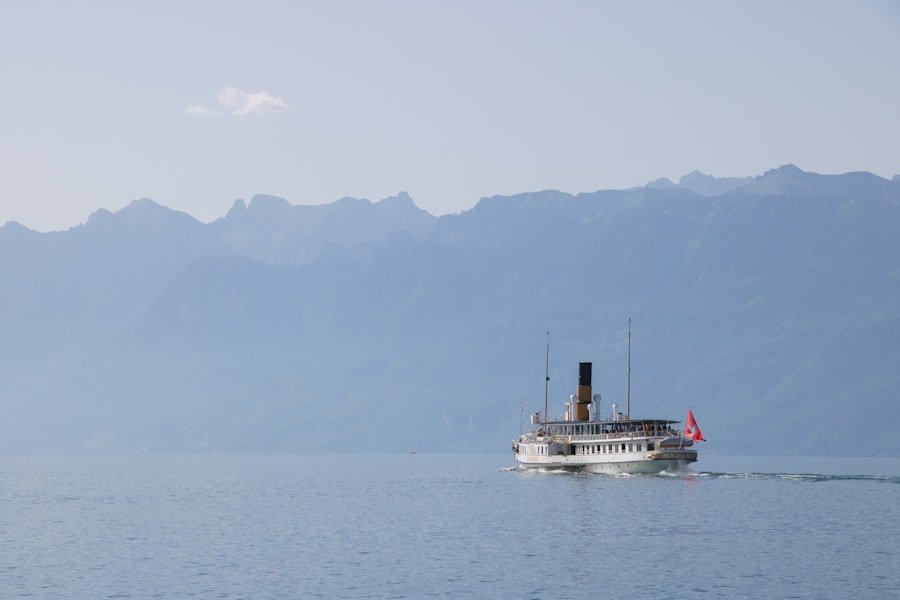
Lake Geneva offers another perspective on the terraces. According to Lavaux Patrimoine mondial, CGN boats serve landing stages including Rivaz-Saint-Saphorin, Cully, and Lutry. Routes and operating schedules change by season, so check the current CGN timetable and tickets page before building a trip around a boat connection.
By car
Driving is possible, but the official visitor guidance encourages walking and public transportation within the vineyard landscape. Use designated public parking rather than vineyard access roads. Many narrow vineyard roads are working routes used by local winegrowers.
Without a long hike
You do not need to walk the entire vineyard region to appreciate Lavaux. Travelers who prefer an easier visit can take a train or boat to a lakeside village, explore the village center and nearby viewpoints, enjoy a meal or tasting, and continue by public transport. This can be a better choice for anyone who finds steep or uneven paths difficult.
Best Walks and Things to Do in Lavaux
Walking remains one of the best ways to understand Lavaux because the paths bring you close to vineyard walls, working vines, historic villages, and open views across Lake Geneva toward the Alps. However, there is no single 12 km “Lavaux Vineyard Trail” running from Lutry to Chillon. Several separate official routes serve different types of visitors.
| Route | Approx. distance | Best for |
| Route des Grands Crus de Lavaux | 3 km | A shorter introduction to the vineyard landscape and wine-growing heritage. |
| Terrasses de Lavaux, Saint-Saphorin to Lutry | About 11 km | A substantial vineyard hike linking historic villages and panoramic sections. |
| Lausanne-Ouchy to Chillon | About 32 km | Experienced walkers planning a long-distance exploration rather than a short vineyard stroll. |
For current route descriptions and conditions, consult the Switzerland Tourism Lavaux guide and official Lavaux visitor information before setting out.
| Activity | Description |
|---|---|
| Hiking | Explore marked vineyard paths on foot for close views of the terraces, Lake Geneva, the villages, and the Alps. Choose a route that matches your fitness and available time. |
| Wine Tasting | Visit local winegrowers or tasting venues to discover Chasselas and other Lavaux wines. Check opening hours and reservation requirements in advance. |
| Boat Tours | Travel on Lake Geneva for broad views of the terraced slopes and combine a cruise with stops such as Cully, Lutry, or Rivaz-Saint-Saphorin when the timetable allows. |
| Cycling | Cycle only on authorized routes through the vineyard area. Lavaux Patrimoine mondial directs cyclists to SwissMobile routes 478 and 46 and asks riders to keep their speed moderate. |
| Local Cuisine | Enjoy regional food and Swiss dishes at restaurants in and around the vineyard villages, often with Lavaux wines and lake or vineyard views. |
Warning: Lavaux is a working vineyard, not an open public park. Stay on marked paths, respect signs and instructions from winegrowers, do not enter vineyard rows or pick grapes, and take your litter with you. Agricultural vehicles may also use vineyard roads.
Explore Cully
Cully is a useful base for walking, eating, and exploring the wine region. Its compact streets, lakeside setting, wine cellars, and active cultural calendar make it a natural stopping point during a Lavaux visit. Check current local listings if you want to combine your trip with a festival, market, concert, or special wine event.
Visit Saint-Saphorin
Saint-Saphorin is another highlight. The old wine-growing village sits between the lake and steep vineyard slopes and contains traditional buildings, narrow streets, and easy access to surrounding vineyard scenery. It is also a useful starting point for the approximately 11 km Lavaux terrace hike toward Lutry.
Wine and Gastronomy in Lavaux
Wine is central to Lavaux’s cultural identity. The best-known grape is Chasselas, which is strongly associated with the canton of Vaud and dominates much of Lavaux’s vineyard area. The official Lavaux grape and terroir guide describes Chasselas as the region’s leading grape.
Chasselas generally produces dry white wines whose character can vary noticeably from one vineyard area to another. That ability to reflect local soils and growing conditions is an important part of its reputation in Lavaux.
The vineyard’s south-facing exposure, sunlight, Lake Geneva, and heat retained by stone walls all contribute to local growing conditions. Rather than viewing the landscape only as scenery, a cellar visit can help explain why the terraces, walls, slope, and grape variety are closely connected.
Many local producers offer tastings, cellar visits, or special wine experiences, but opening hours differ considerably. Some wineries welcome walk-ins during set periods, while others operate mainly by appointment. Checking directly with a producer before arriving is the safest approach.
Note: If wine tasting is part of your day, public transportation is particularly useful. It removes the need to drive between vineyard villages and makes a point-to-point walk much easier to organize.
Food options range from casual village restaurants to more refined dining. Visitors may find Swiss classics such as fondue or raclette as well as contemporary regional cooking. Some establishments emphasize seasonal or locally sourced ingredients, although menus and sourcing practices vary by restaurant.
Pairing local dishes with Chasselas can be an enjoyable way to experience Lavaux’s food and wine traditions. If you have dietary restrictions, check menus and reservation policies before traveling because smaller establishments may have limited choices on a particular day.
Accommodation Options Near Lavaux
Visitors have accommodation choices across Lavaux and in nearby lakeside towns. The best location depends on whether you want to wake up inside a wine village, prioritize frequent train connections, or combine Lavaux with Vevey, Montreux, or Lausanne.
For travelers seeking luxury, upscale hotels around Lake Geneva provide an easy base for exploring the terraces. One example from the original itinerary is Hôtel des Trois Couronnes in Vevey. Its official site confirms lake and Alpine views, restaurants, spa facilities, and convenient access to the wider region.
For a more intimate stay, guesthouses, small inns, bed-and-breakfast properties, and vacation rentals can be found in and around the vineyard communities. Staying in a smaller village can provide a quieter atmosphere and easier early-morning access to walking paths.
Vevey, Montreux, and Lausanne offer a larger selection of hotels and transport connections. These towns can make more sense if Lavaux is only one part of a wider Lake Geneva itinerary.
Best Time to Visit Lavaux Vineyard Terraces
There is no single best month for every visitor. The right season depends on whether your priority is walking weather, green vines, wine activity, autumn color, or a quieter trip.
- Spring: A good period for walking as the landscape becomes greener and the main visitor season begins.
- Summer: Long daylight hours and full green vineyards make this a popular period, although exposed vineyard paths can feel hot in strong sun.
- Autumn: Vineyard colors and harvest activity can add another dimension to the landscape. Harvest timing varies from year to year, and visitors should be particularly careful not to interfere with vineyard work.
- Winter: The landscape remains accessible, but some cellar, tour, boat, and tourism services may operate on reduced schedules. Verify individual services before making a special trip.
Weekdays can feel calmer than popular weekends and event dates. If your main goal is photography or a peaceful walk, arriving earlier in the day can also reduce crowding on well-known paths.
Tips for Visiting Lavaux
Wear suitable footwear
Lavaux’s vineyard terrain is steep in places, and some walking paths can be uneven or stony. Lavaux Patrimoine mondial recommends good walking shoes or supportive sneakers for vineyard visits.
Check the weather before starting
Conditions can change during an outdoor day, especially when you are walking for several hours. Dress in layers, carry water in warm weather, and check a current forecast before beginning a long route.
Stay on marked paths
The vines are private agricultural property. Visitors are welcome in the landscape, but the official guidance asks people to remain on marked paths, avoid touching grapes or vineyard equipment, and follow instructions from winegrowers when agricultural work is underway.
Use authorized cycling routes
Cyclists should not assume every vineyard road is a recreational cycle path. Lavaux Patrimoine mondial specifically directs cyclists to SwissMobile routes 478 and 46 within the vineyard and asks riders to maintain a moderate speed.
Plan wine tastings before arrival
Wine cellars are working businesses rather than standardized attractions with identical daily opening hours. Check each producer’s current schedule and booking requirements. This is especially useful outside peak visitor periods.
Consider a guided visit
Guided tours can add useful context about the vineyard walls, villages, viticulture, and UNESCO designation. Lavaux Patrimoine mondial offers public and other guided experiences, but dates and formats change, so consult its current visitor calendar before traveling.
Conclusion and Final Thoughts on Lavaux Vineyard Terraces
Lavaux Vineyard Terraces combine a working wine region with more than a thousand years of landscape history. The strongest visit is not simply about finding a panoramic viewpoint. Walking between villages, learning why the terraces exist, tasting local Chasselas, and respecting the people who still cultivate the slopes gives the UNESCO landscape much more meaning.
A short visitor can explore one or two villages and a nearby section of vineyard path. A traveler with more time can complete an 11 km vineyard hike, combine trains and boats, visit a winegrower, or follow part of the much longer route toward Chillon. However you explore, good footwear, public transport, marked paths, and advance checks for tastings or boat services make the day easier.
As you move across the slopes above Lake Geneva, the stone walls, vines, villages, lake, and Alpine backdrop show why Lavaux is not merely a scenic destination. It is an actively maintained cultural landscape whose character depends on the continuation of local winegrowing traditions.
If you also enjoy food-focused travel reading, the site has a separate article titled Exploring the Delightful World of Asian Melon. It covers a different culinary topic rather than Lavaux specifically, but may be of interest to readers exploring food and produce.
Frequently Asked Questions
What are the Lavaux Vineyard Terraces?
Lavaux Vineyard Terraces are a UNESCO-listed cultural landscape in Switzerland’s canton of Vaud. Vineyards, stone terraces, historic villages, and wine-growing infrastructure extend along the northern shore of Lake Geneva between the Lausanne area and Chillon.
How do I get to Lavaux Vineyard Terraces?
Train is one of the easiest options. Depending on your route, you can use stops such as Lutry, Cully, Epesses, Rivaz, Saint-Saphorin, or other stations on the regional network. Boats also serve selected landing stages, including Cully, Lutry, and Rivaz-Saint-Saphorin according to current CGN schedules.
What is the best time to visit Lavaux?
Spring and summer are popular for green vineyards and longer walking days, while autumn can provide changing vineyard colors and harvest activity. Winter is quieter, although some tours, boats, restaurants, and wine cellars may operate on reduced schedules. The best season depends on what you want to do.
Are guided tours available in Lavaux?
Yes. Lavaux Patrimoine mondial and other local tourism providers offer guided walks and heritage or wine-related experiences. Programs vary by date and season, so check the current schedule before visiting.
What activities can I do in Lavaux?
Popular activities include hiking, visiting historic vineyard villages, wine tasting, eating at local restaurants, taking a Lake Geneva boat trip, and cycling on authorized routes. Visitors can also learn about Lavaux’s UNESCO heritage and traditional wine-growing landscape.
Are accommodations available near Lavaux?
Yes. Accommodation ranges from small guesthouses and rentals around the vineyard communities to larger hotels in Vevey, Lausanne, and Montreux. Staying near a train station can make point-to-point vineyard walks particularly convenient.
Can I visit Lavaux without a car?
Yes. Lavaux is particularly well suited to a car-free visit because trains connect several vineyard villages and seasonal boat services provide additional access along Lake Geneva. Public transportation also makes one-way walks easier because you can start and finish at different stops.
Can I walk anywhere through the vineyards?
No. The vineyards are private working agricultural property. Visitors should remain on marked paths and respect signs and instructions from winegrowers. Do not walk between vine rows, pick grapes, disturb protective nets, or block working vineyard roads.
Sources
- UNESCO World Heritage Centre: Lavaux, Vineyard Terraces — UNESCO status, approximately 30 km extent, cultural significance, and 11th-century origins of the present terraces.
- Lavaux Patrimoine mondial — official regional heritage information, vineyard history, terraces, wine-growing families, and conservation context.
- Lavaux Patrimoine mondial: Getting to Lavaux — current guidance for trains, boats, buses, cycling, and other transport options.
- Lavaux Patrimoine mondial: Visitor Behavior — marked-path rules, private vineyards, cycling restrictions, equipment, and responsible visitor guidance.
- Switzerland Tourism: Lavaux Vineyard Terraces — official tourism information and long-distance walking-route context.
- CGN Timetables and Tickets — current Lake Geneva boat schedules and ticket information.