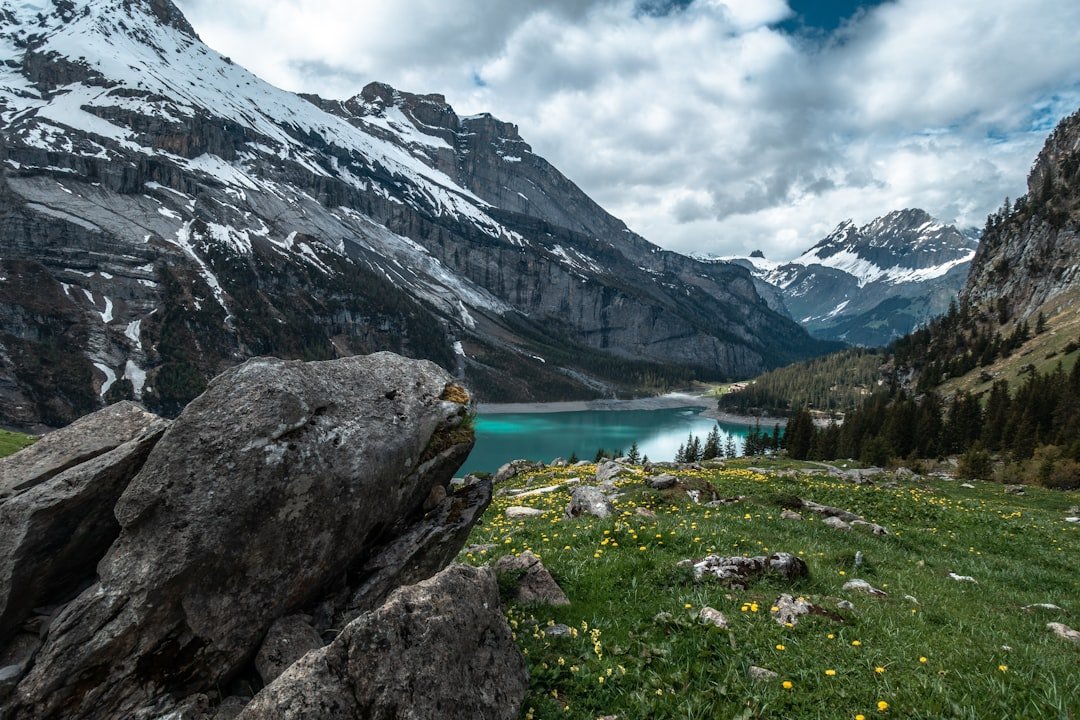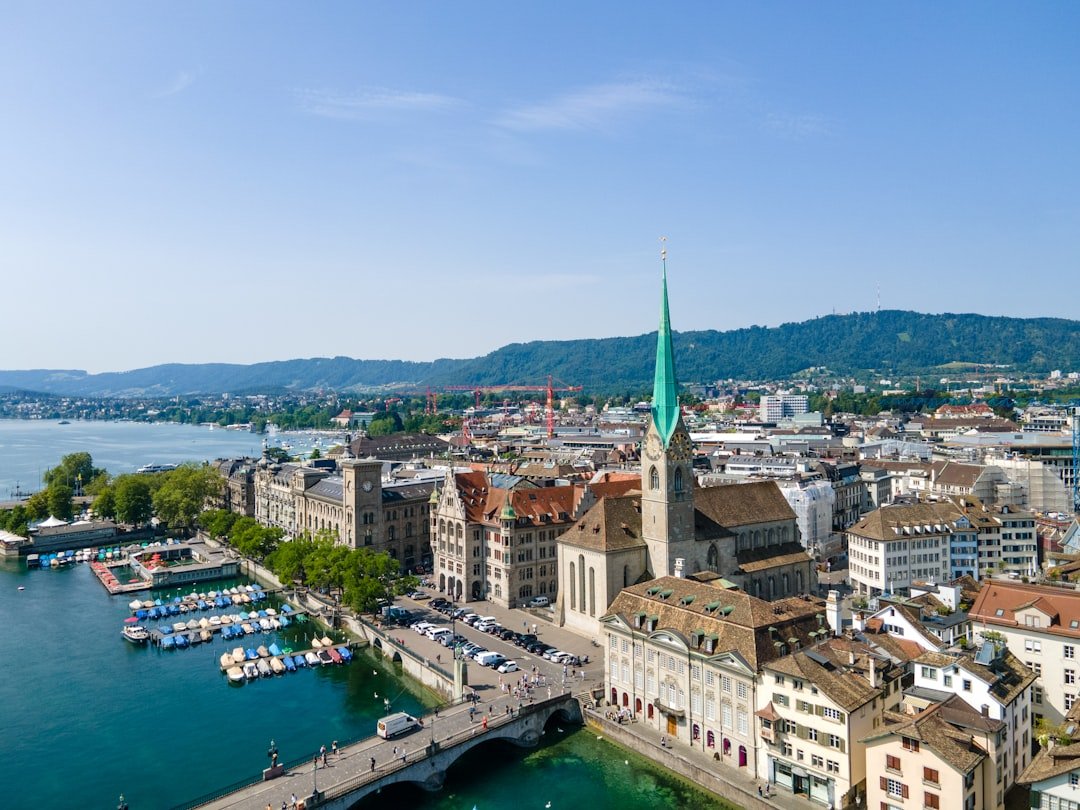
Lavaux is one of Switzerland’s most rewarding landscapes to photograph. Its vineyard terraces run along the sun-facing slopes above Lake Geneva, with stone walls, historic wine villages, water, and Alpine peaks creating layers in almost every direction. UNESCO inscribed the Lavaux Vineyard Terraces on the World Heritage List in 2007, and the present terrace system can be traced back to the 11th century.
Quick Answer
For the best Lavaux terraces viewpoint photos, scout elevated vineyard paths around Chexbres, Saint-Saphorin, Rivaz, and Epesses, then shoot near sunrise or sunset when the light is softer. Bring a wide-angle or standard lens, consider a telephoto for compressed vineyard layers, and stay on permitted paths because Lavaux is a working vineyard landscape.
Key Takeaways
- Lavaux is a UNESCO-listed cultural landscape of vineyard terraces overlooking Lake Geneva and the Alps.
- Chexbres has a designated Switzerland Tourism photo spot, while Saint-Saphorin, Rivaz, Epesses, and the vineyard paths between the villages provide additional compositions.
- Sunrise and sunset often provide softer, warmer light, but clouds, mist, and blue hour can also produce strong images.
- A wide-angle lens is useful for scale, while a telephoto lens can compress repeating terraces, villages, lake, and mountains into stronger layers.
- For many landscape scenes, start around ISO 100, f/8, and a shutter speed that gives correct exposure, then adjust for wind, subject movement, and available light.
- Lavaux is an active wine-growing area. Respect vineyard parcels, grapes, residents, and path restrictions, and check current Swiss regulations before using a drone.
At a Glance
| Time Required | About 2–4 hours for one area; allow a half or full day if you want several villages and changing light. |
| Difficulty | Easy to moderate, depending on route. Vineyard paths can be steep, narrow, or stony. |
| Tools Needed | Camera or smartphone; optional wide-angle and telephoto lenses, tripod, circular polarizer, spare battery, and lens cloth. |
| Cost | Varies. Budget for transport, parking, wine tastings, guided tours, or other activities you choose during the visit. |
The scale of Lavaux is part of what makes it special. UNESCO describes the vineyard terraces as extending for roughly 30 kilometers along the northern shore of Lake Geneva, from near Château de Chillon toward the eastern outskirts of Lausanne. The landscape is both scenic and functional, shaped over centuries by winegrowers adapting steep slopes for viticulture. UNESCO’s Lavaux World Heritage listing provides the historical background and boundaries of the protected cultural landscape.
The vineyards are also closely associated with Chasselas. Lavaux Patrimoine mondial describes Chasselas as the dominant grape of the region and explains the traditional idea of Lavaux’s “three suns”: direct sunlight, light reflected from Lake Geneva, and heat stored in vineyard walls and released later. These conditions help explain both the character of the vineyard landscape and the visual possibilities photographers find there. Lavaux Patrimoine mondial explains the local grape varieties and the “three suns” effect.
UNESCO traces the present Lavaux vineyard terraces to the 11th century, making the stone walls, paths, villages, and vines part of a living cultural landscape rather than simply a scenic backdrop.
Finding the Best Lavaux Terraces Viewpoint
There is no single viewpoint that represents all of Lavaux. The strongest photographs usually come from exploring different elevations and combining vineyard paths, villages, lake views, and mountain backgrounds.
Chexbres Photo Spot
For a straightforward starting point, Switzerland Tourism identifies an official Photo Spot Lavaux in Chexbres. It is a useful option when you want a recognized location with the vineyards and broader Lavaux landscape as the subject.
Saint-Saphorin
Saint-Saphorin sits beside Lake Geneva among the Lavaux terraces. The village gives you two types of subject in a compact area: historic streets and architecture at close range, plus vineyards and lake scenery around it. Instead of photographing only the panorama, include stone walls, roofs, paths, or vines in the foreground so the photograph clearly feels like Lavaux rather than a generic lake view.
Rivaz and Epesses
The steep vineyard landscape around Rivaz and Epesses is particularly useful when you want repeating rows and strong diagonal lines. Move gradually along permitted paths and look backward as well as forward. A scene that appears flat from one direction can become layered after a small change in height or angle.
Lavaux Vinorama in Rivaz is worth distinguishing from a dedicated viewpoint. Current official tourism information describes it as a center for discovering Lavaux wines and the vineyard region, with tastings and a presentation about vineyard life. It can therefore be a useful cultural stop during a photography day, but photographers should not depend on an unverified observation-deck claim. See the current Lavaux Vinorama listing before planning a visit around its facilities.
Cully and the Broader Vineyard Route
Cully is another practical base for exploring Lavaux. The wider walking network connects traditional wine villages including Saint-Saphorin, Rivaz, Epesses, Cully, and Lutry. Lower viewpoints bring the lake and villages closer, while climbing higher into the vineyard landscape gives you more visible terrace patterns and broader views.
Pro Tip: Do not stop after finding one panoramic overlook. Make a wide establishing image, then walk 50–100 meters and look for a foreground element such as a wall, vine, stairway, path, roof, or tree. Small changes in position can transform the composition.
Understanding the Light: Best Times for Lavaux Photography
Light determines whether the terraces appear flat or three-dimensional. Sunrise and the period before sunset are useful because lower-angle light can bring out the shape of vineyard rows and stone walls. Warm light can also add separation between the green or golden vines, blue lake, villages, and distant mountains.
Sunrise
Morning can work well when you want quieter paths, softer atmosphere, or mist around the lake and mountains. Check the sun’s seasonal position before committing to a specific viewpoint because hills, buildings, and the orientation of the slope can affect when direct light reaches your composition.
Late Afternoon and Sunset
Late-day light is especially useful when it strikes the terraces from the side. Side lighting creates highlights and shadows across rows of vines, which makes the structure of the landscape easier to see in a two-dimensional photograph.
Blue Hour
Stay for a short period after sunset if conditions are safe. During blue hour, the sky and lake can develop cooler tones while lights begin appearing in villages. A tripod becomes more useful as shutter speeds lengthen.
Midday
Midday light is usually harder to manage because bright surfaces and deep shadows can produce a high-contrast scene. It is not unusable. Concentrate on details, shaded village streets, graphic vineyard patterns, or backlit leaves instead of forcing a dramatic panorama in poor light.
Cloudy Weather
Overcast conditions can be excellent for close-ups because diffused light reduces harsh shadows on grapes, leaves, walls, and architectural details. Clouds can also add atmosphere to wider views, particularly when they partially reveal the mountains.
Best Seasons for Photographing the Lavaux Vineyards
Lavaux changes noticeably through the year, so there is no single best season for every photographer.
- Spring: Fresh vine growth and softer green tones can make the terraces feel open and clean.
- Summer: Dense green vines create strong repeating patterns, but bright midday conditions can be demanding.
- Early autumn: Changing leaf colors can add yellow and gold tones to the terraces. Exact vineyard and harvest timing varies from year to year.
- Late autumn and winter: Bare vines expose the structure of the terraces, stone walls, paths, and villages more clearly. This can be effective for graphic or minimalist compositions.
Note: Weather can matter more than the month. Check the local forecast, visibility, cloud level, wind, and precipitation before choosing between a mountain panorama, vineyard detail session, or village photography.
Choosing Camera Gear and Settings
| Equipment | Camera Gear | Useful Settings / Purpose |
| Camera | DSLR, mirrorless, compact camera, or smartphone | Control aperture, shutter speed, ISO, focus, and exposure compensation where available. |
| Lens | Wide-angle, standard, and telephoto | Wide views for scale; normal focal lengths for natural perspective; telephoto for compressed vineyard layers. |
| Tripod | Sturdy but easy to carry | Useful for blue hour, long exposures, panoramas, and precise framing. |
| Memory Card | High capacity with suitable write speed | Bring enough space for RAW files, panoramas, brackets, and video if you use them. |
| Optional Filter | Circular polarizer | Can reduce some reflections and deepen foliage or sky tones when the light angle is suitable. |
A DSLR or mirrorless camera with interchangeable lenses gives you extensive control, but it is not required. Modern compact cameras and smartphones can also produce strong Lavaux photographs when composition and light are good.
A wide-angle lens around 16–35mm in full-frame-equivalent terms is useful when you want to show a large section of the vineyards together with Lake Geneva and the mountains. Avoid automatically choosing the widest focal length. Extreme width can make distant mountains look small and may stretch vineyard lines near the edges.
A standard lens can give a more natural sense of scale. A telephoto is useful when you want to isolate a village, compress rows of terraces, or stack the vines, lake, opposite shore, and mountains into distinct visual layers.
For detail photographs or portraits, a prime lens such as a 50mm f/1.8 can create shallow depth of field when used at a wide aperture. For wider landscape scenes, a smaller aperture opening with a higher f-number, often around f/8 to f/11 on many cameras, can provide greater depth of field. The best setting depends on your lens, camera, focus distance, and how much foreground-to-background sharpness you need.
Useful Starting Settings
| Scene | Aperture | ISO | Shutter Strategy |
| Daylight landscape | Start around f/8 | Start at base ISO, often ISO 100 | Use the shutter speed needed for correct exposure. |
| Windy vines or handheld shooting | f/5.6–f/8 as needed | Raise as necessary | Favor a faster shutter speed to prevent blur. |
| Close-up or portrait | About f/1.8–f/4 when shallow depth is wanted | Keep as low as practical | Keep subjects sharp; increase speed for people or wind. |
| Blue hour | About f/5.6–f/11 | Low ISO when using a tripod | Let the exposure lengthen with the camera securely supported. |
When shooting in low light without a tripod, increasing ISO may be preferable to allowing camera shake. When using a tripod, you can often keep ISO lower and use a longer shutter speed instead. Check your images at high magnification during the session because wind can move vine leaves even when the camera itself is perfectly stable.
Using a Circular Polarizer
A circular polarizing filter can reduce certain reflections from leaves or water and can deepen colors when the sun angle is favorable. Rotate the filter while looking through the viewfinder or screen and stop when the effect looks natural. With very wide lenses, strong polarization can make the sky look uneven, so use the effect carefully.
Smartphone Photography
A smartphone is especially useful when you want to travel light. Clean the lens before shooting, use the main camera for maximum image quality when possible, tap on an important bright area to check exposure, and avoid excessive digital zoom. For a wider field of view, try a panorama rather than relying only on the ultra-wide camera.
Composition Techniques: Framing and Angles
Lavaux already contains strong geometry, so the goal is usually to organize what is there rather than add complexity. The rule of thirds is a useful starting point. Place the horizon, village, or another dominant subject away from the center when that produces a more balanced relationship between land, lake, and sky.
Leading lines are even more valuable here. Rows of vines, stairways, stone walls, paths, and the shoreline can guide the viewer through a frame. Instead of allowing a path to enter randomly from the side, move until it begins near a corner or another deliberate position.
Try changing camera height. A lower viewpoint can make foreground vines or flowers feel larger and create more depth. A higher viewpoint exposes the terrace pattern and makes repeating vineyard rows easier to see.
Also test both landscape and portrait orientation. Portrait orientation can work surprisingly well when a foreground vine leads toward the lake and mountains, while landscape orientation is usually better when the repeating terraces themselves are the subject.
Pro Tip: When the panorama feels too busy, switch to a longer focal length. A telephoto lens can remove distracting sky and foreground areas while turning the terraces, villages, lake, and mountains into clean horizontal layers.
Try a Panorama
If one frame cannot include the scene without using an excessively wide lens, shoot a panorama. Keep exposure and focus consistent across the sequence, overlap neighboring frames generously, and rotate the camera smoothly. A vertical camera orientation can give a stitched horizontal panorama more resolution and more room for cropping.
Capturing Vineyard Details and Lake Geneva
Wide landscapes show Lavaux’s scale, but close-up photographs tell a different part of the story. Individual leaves, grape clusters, weathered stone walls, tools, signs, doors, and architectural details can give your final set a stronger sense of place.
A macro lens can capture very small textures, but you do not need one for every detail image. A standard or telephoto lens can isolate grapes, vines, or a small architectural feature while keeping Lake Geneva soft in the background.
Look for color relationships. Green vines against blue water can produce a clean summer palette, while autumn foliage can create warmer contrasts. When photographing leaves or grapes after rain or early in the morning, watch the highlights on wet surfaces so they do not become distracting.
Architecture is equally important. Rustic stone walls, wine cellars, village streets, roofs, stairways, and vineyard structures provide evidence of the human work that shaped Lavaux. Mixing these details with broad landscape photographs creates a more complete visual story of the UNESCO cultural landscape.
A Simple Lavaux Photography Shot List
If you have only a few hours, work through a short shot list rather than taking dozens of nearly identical panoramas:
- Establishing landscape: terraces, lake, and mountains in one frame.
- Leading-line image: use a path, wall, stairway, or row of vines.
- Telephoto landscape: compress several terrace levels or a village against the lake.
- Village image: photograph architecture, streets, roofs, or a wine-growing detail.
- Close-up: leaves, grapes, stone texture, or another small detail.
- Human-scale image: where appropriate and with permission/privacy respected, include a person to show the size or steepness of the landscape.
- Golden-hour frame: return to your strongest viewpoint when the light becomes directional.
- Blue-hour image: if conditions and your route are safe, finish with the lake, sky, and village lights.
Photography Etiquette, Safety, and Drone Rules
Warning: Lavaux is a living, working vineyard landscape. Stay on permitted routes, do not enter private vineyard parcels for a better angle, do not touch or pick grapes, and avoid blocking narrow paths with tripods or bags. Good walking shoes are recommended because some vineyard paths can be steep or stony.
Lavaux Patrimoine mondial publishes specific guidance for visitors, including protecting vines and grapes, using dedicated picnic areas, removing waste, and wearing suitable walking shoes on sometimes-stony paths. Review the current Lavaux visitor behavior guidance before exploring the terraces.
For ordinary ground-based photography, use public or permitted areas and respect residents and vineyard workers. A visually tempting row of vines is not automatically public access.
Drone Photography
Do not assume that a scenic vineyard location is automatically legal for drone flight. Switzerland’s Federal Office of Civil Aviation requires pilots to check geographical flight restrictions before each flight. Restrictions can vary by location, and the official interactive drone map is the correct place to check current airspace information. Check FOCA’s geographical flight restrictions.
FOCA also requires drone operators to respect privacy. Its current guidance states that strangers may not simply be filmed or photographed and that drones must not be flown low over private property. Registration, pilot-certificate, Remote ID, operating-category, and distance requirements can also depend on the drone and type of operation. Review the current Swiss drone flight rules before taking a drone to Lavaux.
Getting Around Lavaux for Photography
Photographers do not need to cover the entire UNESCO landscape in one outing. Choose one or two villages, arrive with time to walk, and return to the strongest composition when the light improves.
Public transport can be particularly useful because Lavaux stretches across multiple communities and a one-way walking route may be more convenient than returning to a parked vehicle. Boats also serve locations including Rivaz–Saint-Saphorin, Cully, and Lutry according to Lavaux’s official access information. Check current timetables before relying on a connection. See official Lavaux access and transport guidance.
Carry water, weather protection, a charged phone, and footwear suitable for vineyard paths. If you plan to stay until blue hour, make sure you already know how you will return and avoid discovering an unfamiliar steep route in darkness.
Post-Processing Lavaux Photos
Post-processing should strengthen what the camera captured rather than turn the landscape into something artificial. Software such as Adobe Lightroom or Photoshop can be used to adjust exposure, contrast, white balance, color, local brightness, and sharpness.
Start with exposure and white balance before increasing saturation. Lavaux already contains strong greens, blues, and seasonal colors, so heavy saturation can make vines and Lake Geneva look unnatural.
Graduated or masked adjustments can help balance a bright sky with darker vineyards. Recover highlights carefully, lift shadow detail only where it contributes to the image, and watch for halos around mountain ridges after aggressive local adjustments.
For telephoto landscape images, modest contrast can improve separation between terrace layers. For misty or atmospheric scenes, preserving some softness may communicate the conditions better than adding strong clarity or dehaze.
If you shoot a panorama, correct lens issues before stitching when your workflow allows it, then inspect walls, roofs, vineyard rows, and the horizon for stitching errors.
Note: A useful editing check is to leave the image for a few minutes and then view it again at normal screen size. If the first thing you notice is saturation, sharpening, HDR-like contrast, or a dark vignette rather than Lavaux itself, reduce the effect.
Printing and Displaying Your Lavaux Photography
After editing your photographs, printing can turn the trip into something more permanent than a folder of digital files. Fine-art paper and canvas produce different results, so match the material to the photograph. Images with detailed stonework and terrace patterns often benefit from a medium that preserves fine detail, while softer atmospheric scenes may suit a more textured surface.
Before ordering a large print, inspect the finished file at high magnification for dust spots, sensor marks, stitching errors, excessive noise, and sharpening halos. Also verify that the crop matches the print dimensions you intend to order.
A gallery wall can work well for Lavaux because the subject naturally supports a sequence. Combine one large panoramic landscape with smaller photographs of vineyard details, village architecture, grapes, stone walls, or Lake Geneva. Keeping a consistent editing style helps the different images feel like one collection.
Frames should complement rather than compete with the photographs. Simple frames and generous matting can work especially well when the vineyard patterns are already visually complex.
The terraces offer enough variety for both sweeping landscapes and intimate detail studies. Early or late light can add warmth and dimension, while a circular polarizer may help manage some reflections when used carefully. If your photography interests also include close-up studies of color, form, and natural textures outside landscape work, this separate article about Asian melons provides a very different subject to explore.
Frequently Asked Questions
What are the Lavaux terraces?
The Lavaux Vineyard Terraces are a UNESCO World Heritage cultural landscape in Switzerland’s canton of Vaud along the northern shore of Lake Geneva. UNESCO says the present terrace system can be traced to the 11th century, although evidence of vine growing in the area is older.
Where is the best Lavaux terraces viewpoint?
There is no single best viewpoint for every photograph. Switzerland Tourism identifies an official Lavaux photo spot in Chexbres. Saint-Saphorin, Rivaz, Epesses, Cully, and the permitted vineyard paths between Lavaux villages provide additional perspectives with different combinations of terraces, Lake Geneva, villages, and mountains.
What is the best time of day to photograph Lavaux?
Sunrise and the period before sunset are useful starting points because low-angle light can create softer color and more visible texture across the terraces. Blue hour, mist, and overcast conditions can also produce excellent images, so the best time depends on the scene and weather.
What lens is best for photographing the Lavaux vineyards?
A wide-angle lens is useful for large landscapes, a standard lens gives a natural perspective, and a telephoto lens can isolate villages or compress several vineyard levels into strong layers. If you can carry only one zoom, choose a range that covers moderate wide-angle through short telephoto focal lengths.
Do I need a tripod for Lavaux photography?
No. Daylight landscapes can usually be photographed handheld when the shutter speed is fast enough. A tripod becomes more useful around sunrise, sunset, and blue hour, or when making long exposures and carefully aligned panoramas. Keep the tripod out of the way on narrow paths.
Are there photography restrictions in the Lavaux vineyards?
General photography from permitted public areas is different from entering working vineyard parcels. Respect private property, vineyard workers, residents, grapes, walls, and posted restrictions. Lavaux Patrimoine mondial asks visitors to protect the vines and use appropriate paths and designated spaces.
Can I fly a drone over the Lavaux terraces?
Do not assume you can fly simply because you are outdoors. Swiss FOCA requires drone pilots to check current geographical flight restrictions before each flight and comply with applicable aircraft, operating-category, distance, registration, Remote ID, and privacy rules. Check FOCA’s official drone map and flight guidance immediately before flying.
Can I photograph Lavaux with only a smartphone?
Yes. Good light and composition matter more than owning a large camera. Clean the phone lens, use the main camera when possible, control exposure before shooting, avoid excessive digital zoom, and try panorama mode when you need a wider field of view.
Sources
- UNESCO World Heritage Centre: Lavaux, Vineyard Terraces — UNESCO status, landscape extent, and historical development of the terraces.
- Lavaux Patrimoine mondial: Terroirs et cépages — Chasselas and Lavaux’s “three suns” vineyard conditions.
- Lavaux Patrimoine mondial: Visitor Behavior Guidance — vineyard etiquette, footwear, grapes, and visitor conduct.
- Lavaux Patrimoine mondial: Access and Transport — current visitor-access and transportation information.
- Switzerland Tourism: Photo Spot Lavaux — official Chexbres photography location.
- Swiss Federal Office of Civil Aviation: Drone Flight Rules — current drone operating and privacy requirements.