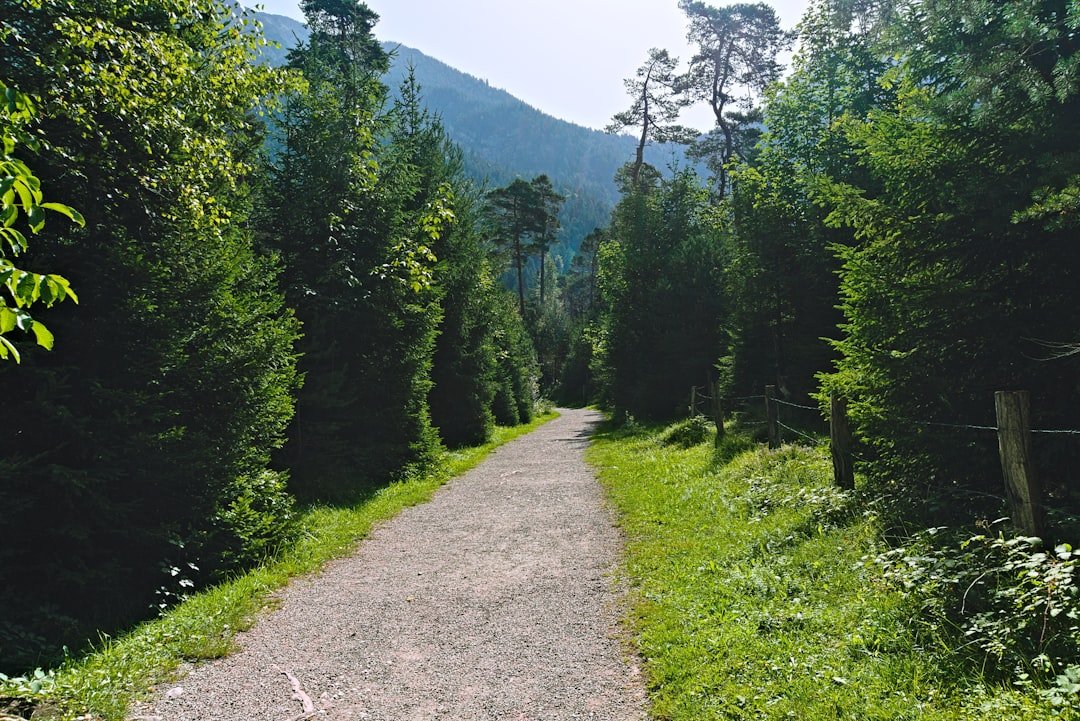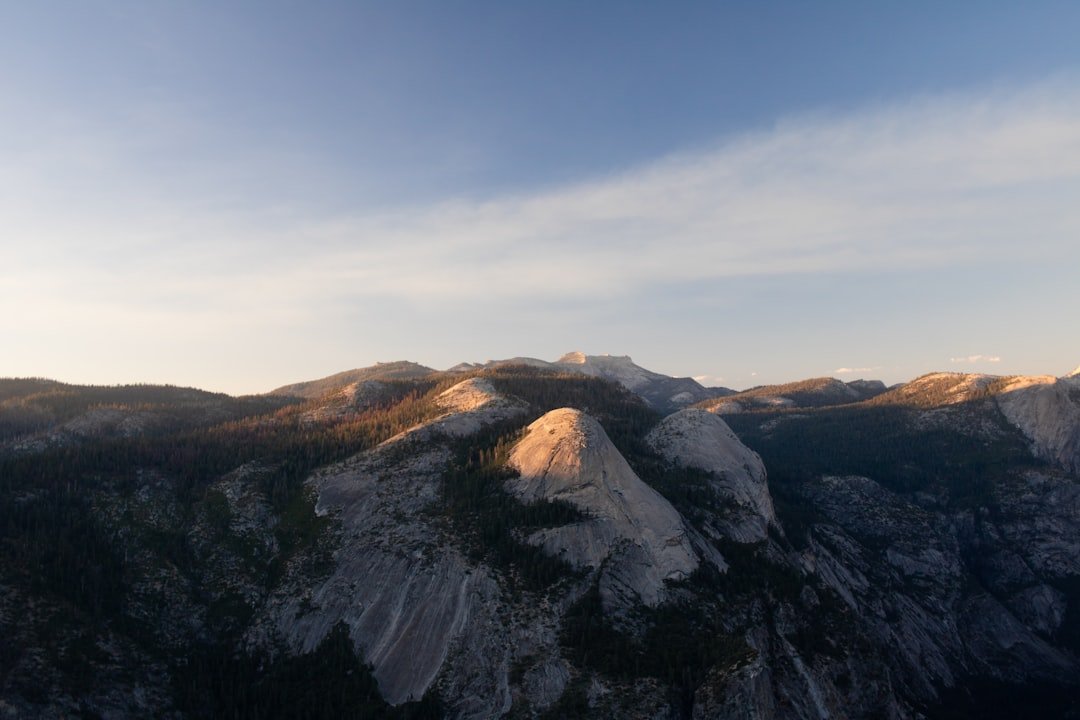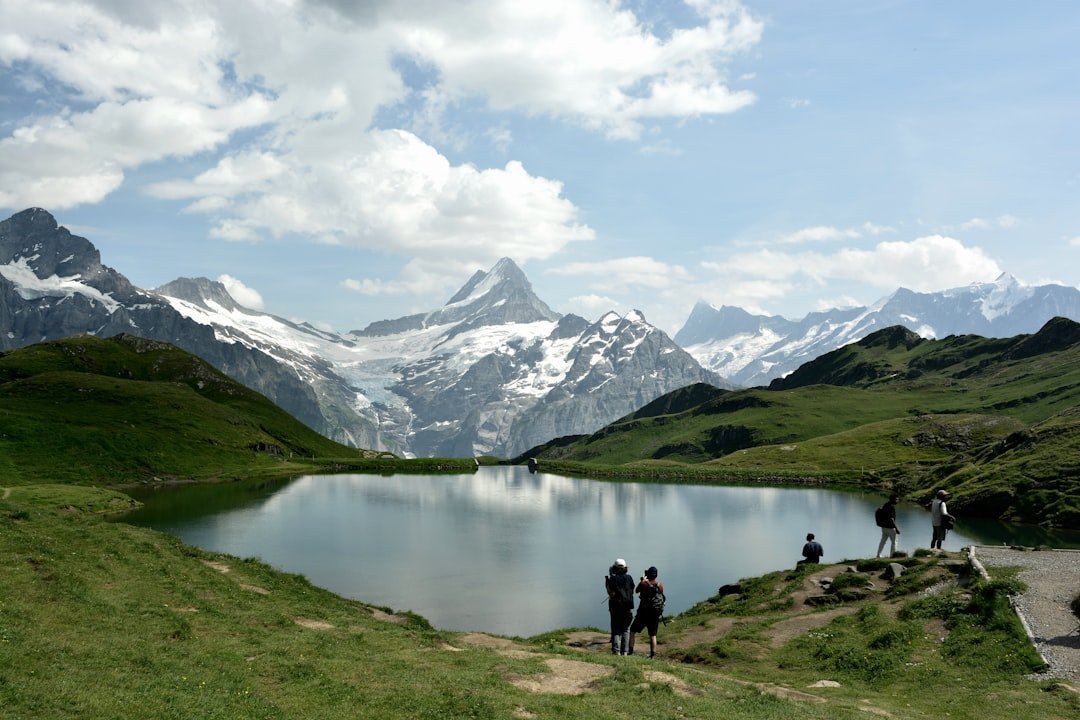
Swiss National Park, founded in 1914, is Switzerland’s original national park and the oldest national park in the Alps. It protects about 170 square kilometres (roughly 42,000 acres) of high-Alpine wilderness in the Engadin and Val Müstair area of Graubünden. The protected landscape rises from about 1,400 to 3,174 metres above sea level, and its strict rules allow natural processes to continue with minimal human interference. The park is also a long-term research area where scientists study alpine ecosystems and environmental change. Swiss National Park facts and background.
Quick Answer
To visit Swiss National Park, use Zernez as your main gateway, choose one of the park’s 21 marked hiking routes, and check trail conditions before you go. Hiking access is generally seasonal, from about mid-May to mid-November. Visitors must stay on marked paths and follow strict wildlife-protection rules.
Key Takeaways
- Swiss National Park was founded in 1914 and covers about 170 km² of strictly protected Alpine landscape.
- Zernez is the main gateway, and many trailheads can be reached by train and bus connections or by car.
- The park has 21 marked routes covering about 100 km, from short walks to demanding Alpine hikes.
- Wildlife highlights include red deer, ibex, chamois, marmots, golden eagles, and bearded vultures.
- Camping, dogs, cycling, bathing, fires, drones, and leaving marked paths are not allowed inside the protected park area.
The park protects about 170 km² of wilderness and offers a network of 21 marked hiking routes covering roughly 100 km.
Getting to Swiss National Park
Zernez is the main gateway to Swiss National Park. It is a village and transport hub in the Engadin, not a major city. The National Park Centre, park administration, and visitor information are based there. You can reach Zernez by public transport or by car, then continue to individual trailheads depending on the route you choose.
The park recommends public transport because many hikes start and finish at different points. The Pass dal Fuorn, also called the Ofenpass, road runs through the park, and marked parking areas P1 to P10 provide access to several routes. Parking is limited, so a train-and-bus plan can be more convenient on busy days. Check the official accommodation and arrival information before travelling.
From larger Swiss cities such as Zurich, travel time depends on the connection and date. Rather than relying on a fixed three-hour estimate, use the current Swiss public-transport timetable for your exact journey.
Once in Zernez, the National Park Centre is about a 10-minute walk from Zernez railway station. The centre’s information desk can help with trail conditions, maps, guided walks, and trip planning. The information area is free. The exhibition currently costs CHF 9 for adults, CHF 5 for children ages 6 to 16, and CHF 20 for a family ticket, while children under 6 enter free. The centre is open daily from mid-May through the end of October, with reduced hours in other months. Check current National Park Centre hours and prices.
Pro Tip: Stop at the National Park Centre before your first hike. Staff can confirm route conditions, explain the protection rules, and help you choose a trail that matches your time and fitness level.
Best Time to Visit Swiss National Park
The park is not open for hiking year-round. As a general rule, marked hiking trails are open from about mid-May to mid-November, but exact opening and closing dates depend on snow, weather, altitude, and trail conditions. In winter, entry into the protected park area is forbidden so wildlife can remain undisturbed. Check current trail conditions before every hike.
Seasonal scenery changes dramatically. June and July are strong months for Alpine flowers and young wildlife. Late September is known for the red-deer rut, and October can bring golden larch forests. Higher routes may keep snow much longer than lower trails, so the best month depends on the specific hike you want to do.
Warning: Do not enter the park in winter. The protected area is closed, and skiing, snowshoeing, and other recreational entry are not permitted inside the park during the winter closure.
Activities and Attractions in Swiss National Park
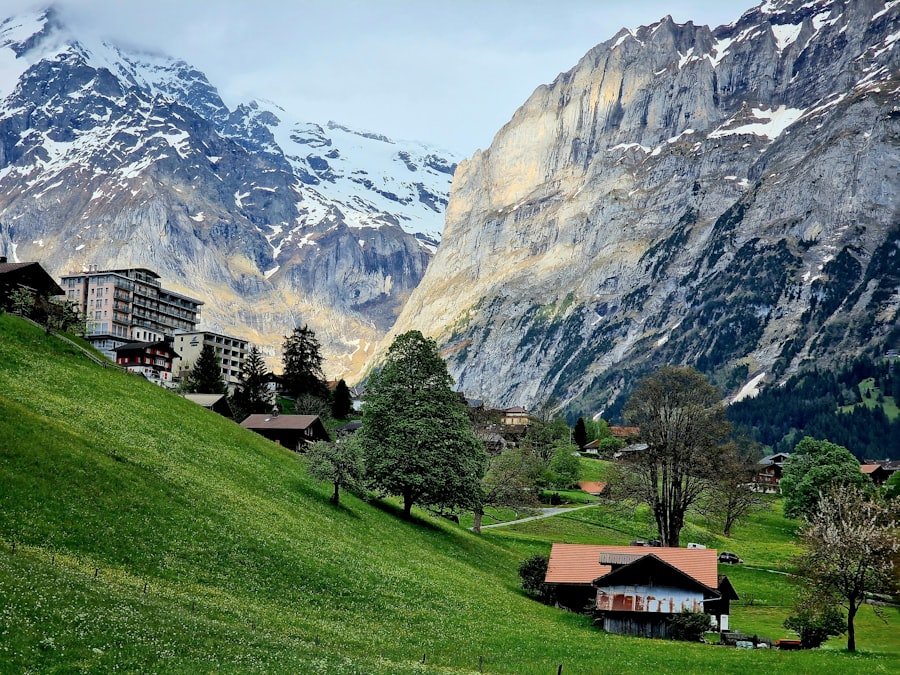
Hiking is the main way to experience Swiss National Park. The official network includes about 100 km of marked trails across 21 routes, with options ranging from short walks to demanding full-day Alpine hikes. Even easier routes can involve mountain weather, uneven ground, and elevation changes, so choose by current conditions as well as distance.
Wildlife watching is another major attraction. Red deer, ibex, chamois, marmots, golden eagles, bearded vultures, and many smaller species live in or pass through the park. Visitors should watch quietly from the marked trail and keep their distance. Feeding, approaching, or disturbing wildlife is not allowed.
Photography enthusiasts will find many opportunities to capture the landscape and its wildlife. Use binoculars or a telephoto lens instead of moving closer to animals, and remember that drones are prohibited in the park. The National Park Centre in Zernez also offers exhibitions, visitor information, binocular hire, and guided-excursion booking.
Wildlife and Flora in Swiss National Park
| Category | Verified park information |
|---|---|
| Mammals | 36 species are listed in the park’s official facts brochure, including red deer, chamois, ibex, and marmots. |
| Birds | About 100 species are listed, including golden eagle and bearded vulture. |
| Higher plants | Around 650 species, including Alpine plants such as edelweiss and mountain avens. |
| Reptiles and amphibians | The park highlights species such as the grass frog, common lizard, and northern viper. The northern viper is the only snake listed as present in the park. |
| Invertebrates | About 5,000 species are listed in the park’s official facts brochure. |
The park’s elevation ranges from about 1,400 to 3,174 metres, creating forests, Alpine meadows, rocky slopes, scree, high-mountain terrain, and river habitats. Ibex and chamois are especially well adapted to steep mountain country, while marmots are associated with open Alpine grassland. Golden eagles and reintroduced bearded vultures are among the park’s best-known birds.
Plant diversity is also significant. The official park website describes around 650 higher plant species, not more than 1,200 as previously stated in this article. Typical and notable plants include edelweiss, mountain avens, the Rhaetian poppy, and pygmy buttercup. Visitors may observe plants from marked trails, but picking flowers, collecting stones, sticks, or other natural objects is prohibited. See the park’s official nature overview.
Hiking and Trekking Trails in Swiss National Park
Hiking is one of the best ways to explore Swiss National Park, but the official routes vary widely in length and difficulty. The earlier references to a “Zernez – Fuorcla Val S-charl” trail and a visitor trail to Piz d’Esan were not supported by the park’s current route list, so they have been replaced with verified routes.
| Route | Length | Typical time | What to expect |
|---|---|---|---|
| Punt la Drossa to Il Fuorn | 2 km | About 1 hour | One of the shortest official routes. |
| Champlönch | 5 km | About 2 hours | An easier route with a family-oriented discovery trail. |
| Margunet | 8 km | About 3 hours | A popular route with strong viewpoints and wildlife-watching potential. |
| Alp Trupchun | 14 km | About 4 hours | A classic wildlife route, especially known for red deer in autumn. |
| Munt la Schera | 13 km | About 4 hours 45 minutes | A longer mountain hike with substantial ascent and broad views. |
| Lais da Macun | 21 km | About 8 hours | A demanding full-day route for well-prepared hikers. |
| Piz Quattervals | 11 km from Chamanna Cluozza and back | About 7 hours 30 minutes | A difficult Alpine route with about 1,450 m of ascent. It is for experienced, sure-footed hikers. |
Many routes interconnect or can be combined with public transport, which makes one-way hiking plans possible. However, visitors may not create off-trail shortcuts or custom routes outside the marked network. Always follow the official route and on-site signs.
New in 2026, the official Three Parks Trail links Swiss National Park with Biosfera Val Müstair and Stelvio National Park in Italy over four daily stages. It is designed for experienced hikers and is a useful option for travelers who want a multi-day route beyond a single park day.
Note: Trail conditions can change quickly because of snow, storms, rockfall, and maintenance. For 2026, the park has also announced that an alternative section of the Spöl Valley route toward Punt dal Gall is closed through the end of the year because of river-restoration work. Check the official trail-status page on the day of your hike.
Rules and Safety in Swiss National Park
Swiss National Park has stricter protection rules than many recreation areas. These rules protect wildlife and natural processes, and park wardens enforce them. Before entering, read the official protection regulations.
- Stay on marked paths and marked resting areas. Leaving them is strictly forbidden.
- Visit only during permitted daytime hours. Recreational entry at night is not allowed.
- Do not bring dogs. Dogs are prohibited even when kept on a lead.
- Do not collect anything. Plants, animals, stones, sticks, and other natural objects must remain where they are.
- Do not feed or disturb wildlife. Watch from a respectful distance.
- No cycling or drones. Bicycles and flying devices are prohibited inside the park.
- No swimming or bathing. Lakes, pools, streams, and rivers are protected.
- No campfires and no littering. Carry all waste out with you.
- No wild camping. Camping inside Swiss National Park is forbidden.
- Respect the winter closure. The park is closed to visitors during winter.
Mountain safety also matters. Some routes climb above the tree line, weather can change quickly, temperatures can drop sharply, and mobile-phone coverage does not reach the whole park. Wear sturdy hiking footwear, carry warm and waterproof layers, bring enough food and water, and keep a map or offline route information with you.
Accommodation and Dining Options in Swiss National Park
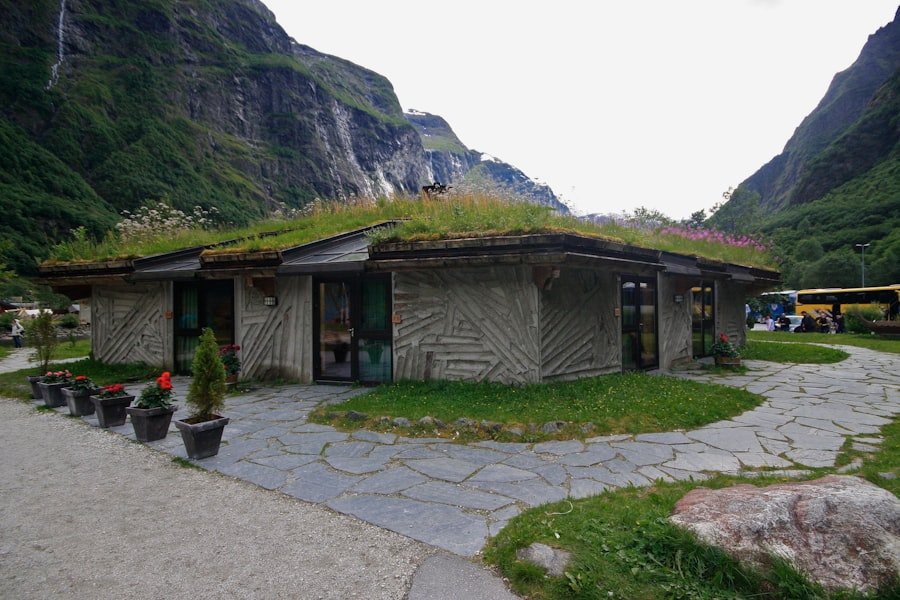
Accommodation is available both inside and around Swiss National Park, but options inside the protected area are limited. The two official overnight choices within the park are Chamanna Cluozza, the serviced hut in the Val Cluozza, and Hotel Parc Naziunal Il Fuorn on the Pass dal Fuorn road. Zernez and nearby Engadin and Val Müstair communities offer a wider range of hotels, guesthouses, and other lodging.
Camping inside the park is not permitted. If you prefer a campsite, use an official camping area outside the protected boundary in a surrounding community. This corrects the earlier claim that visitors could camp in designated areas inside the park.
Dining options inside the protected area are limited compared with the surrounding villages, so plan meals around your route and accommodation. In Zernez and other nearby communities, restaurants may serve regional Swiss dishes, including options such as fondue or raclette depending on the establishment and season. Some hotels also offer breakfast, dinner, or half-board arrangements.
If you stay at Chamanna Cluozza or Hotel Il Fuorn, book ahead during busy hiking periods. For regional lodging and arrival details, use the park’s official accommodation page.
Tips for Visiting Swiss National Park
Preparation is essential for a safe and enjoyable visit. Start by checking the latest trail status and mountain weather. Higher terrain can stay snowy after lower routes have opened, and conditions can change within hours.
- Choose a route that matches your fitness, mountain experience, available daylight, and weather.
- Wear sturdy hiking boots with good grip. Hiking poles can help on long or steep descents.
- Dress in layers and carry waterproof protection, even on a warm morning.
- Bring enough water and food for the entire route, especially on longer hikes.
- Save maps or route information offline because mobile coverage is incomplete.
- Use binoculars for wildlife viewing instead of approaching animals.
- Stay on the marked trail at all times and use only marked rest areas.
- Check public-transport departure times before a one-way hike so you do not miss the final connection.
Wildlife is best observed by being quiet, patient, and predictable. Rather than moving toward an animal for a closer look or photograph, stay on the trail and let the animal choose its distance. This protects natural behavior and gives other visitors a better chance to see wildlife too.
Conservation and Sustainability Efforts in Swiss National Park
Swiss National Park was established to protect natural processes, not to maintain the landscape in a fixed condition. Since 1914, its core approach has been to allow nature to develop with as little human interference as possible. That makes the park both a protected wilderness and a long-term scientific research area.
Research has been a formal park mission for generations. Scientists study vegetation, wildlife, water, biodiversity, climate change, natural disturbances, and visitor impacts. This long record helps researchers understand how Alpine ecosystems change when natural processes are allowed to proceed over decades.
The park also forms part of the UNESCO Biosphere Reserve Engiadina Val Müstair together with neighboring areas. Visitors contribute to conservation by following the rules, using public transport when practical, reducing waste, staying on marked routes, and supporting local services in surrounding communities.
Visitors are also regularly reminded of their role in protecting natural resources through the National Park Centre, guided activities, park publications, and on-site information. Responsible tourism here is not just a general sustainability message. It is a condition of access to one of the most strictly protected landscapes in the Alps.
In conclusion, Swiss National Park is one of Switzerland’s most important protected landscapes, offering exceptional hiking, wildlife observation, research, and nature education. Its beauty comes with unusually strict rules, so the best visit combines careful planning, respect for the marked trail system, and a willingness to observe nature without disturbing it.
If you also want a separate food-related read for travel-snack ideas, the existing site article Exploring the Delightful World of Asian Melon covers Asian melon varieties and flavors. It is not specific to Swiss National Park, but it may be useful if you are looking for refreshing snack ideas for a broader trip.
Sources
- Swiss National Park: Basis and impressions — park history, area, elevation, and marked-trail network.
- Swiss National Park: Walking routes and condition — official route list, distances, hiking season, and current trail guidance.
- Swiss National Park: Protection regulations — mandatory visitor rules and winter closure.
- Swiss National Park: Accommodation and arrival — lodging inside the park, parking, and public-transport access.
- Swiss National Park Centre — visitor-centre hours, admission prices, services, and accessibility.
- Swiss National Park: Nature — flora, habitats, natural processes, and elevation information.
Frequently Asked Questions
What is the Swiss National Park?
Swiss National Park is a strictly protected Alpine wilderness area in Graubünden, southeastern Switzerland. Founded in 1914, it is the oldest national park in the Alps and covers about 170 km².
How do I get to the Swiss National Park?
Zernez is the main gateway. It is served by public transport, and many park trailheads can then be reached by bus or by car along the Pass dal Fuorn road. Parking inside the park is limited to marked areas.
When is Swiss National Park open for hiking?
As a rule, hiking trails are open from about mid-May to mid-November, but exact dates depend on weather, snow, altitude, and route conditions. The protected park area is closed to visitors in winter.
What activities can I do in Swiss National Park?
The main activities are hiking, wildlife watching, nature observation, photography from the marked routes, guided walks, and educational visits to the National Park Centre. Cycling, drones, swimming, and off-trail exploration are not permitted.
Can I bring a dog into Swiss National Park?
No. Dogs are not allowed inside Swiss National Park, even on a lead. This rule helps prevent disturbance to wildlife.
Can I camp inside Swiss National Park?
No. Camping in the protected park area is forbidden. Overnight accommodation inside the park is limited to Chamanna Cluozza and Hotel Parc Naziunal Il Fuorn. Official campsites are available outside the park in surrounding communities.
What wildlife might I see?
Commonly sought wildlife includes red deer, ibex, chamois, marmots, golden eagles, and bearded vultures. Sightings are never guaranteed. Stay on the trail, remain quiet, and use binoculars or a long camera lens.
Is the National Park Centre in Zernez worth visiting?
Yes, especially before your first hike. The information desk provides route and trail-condition advice, maps, excursion booking, and binocular hire. The information area is free, while the exhibition has an admission fee.