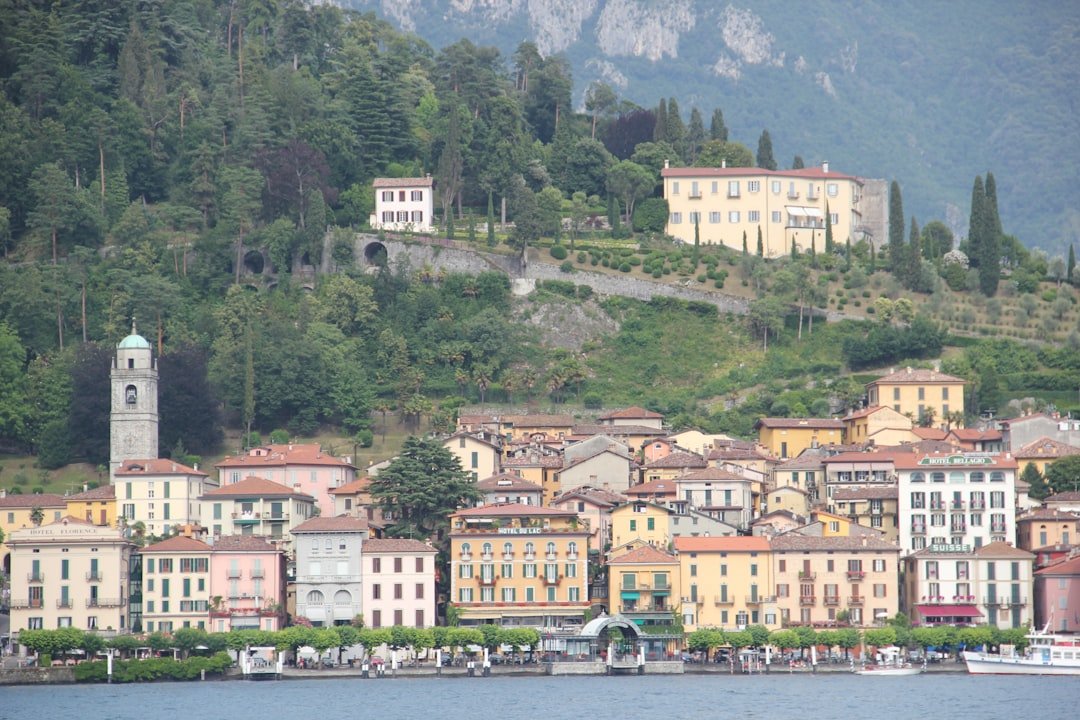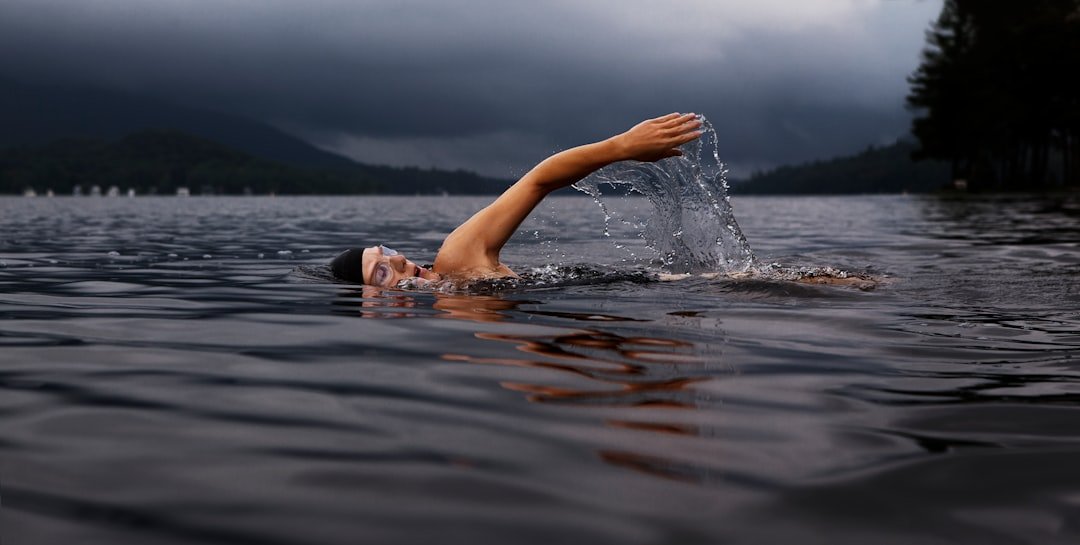
Swimming in Lake Geneva, also known as Lac Léman, combines open-water swimming with Alpine scenery, lively waterfront towns, and easy access to public beaches. The lake is shared by Switzerland and France, and the Swiss shoreline includes popular swimming areas around Geneva, Vevey, Montreux, Clarens, and Veytaux. Conditions can change, though, so choosing a recognized bathing area and checking local safety information before entering the water makes a big difference.
Quick Answer
Yes. You can swim in Lake Geneva at many public beaches and bathing areas on the Swiss shore, including Geneva, Clarens, Vevey, and Veytaux. For the safest experience, use designated access points, check current water-quality notices and weather, avoid ports and boat traffic, and follow local signs and closures.
Key Takeaways
- Lake Geneva has many established public bathing areas, but conditions and supervision vary by location.
- Check current water-quality notices before swimming, especially after storms, heavy rain, strong winds, or a posted local alert.
- Do not swim in ports or anywhere a swimming ban is posted, and keep clear of boat traffic.
- Water temperature changes through the season, so do not rely on one fixed summer temperature range.
- For casual swimming, designated beaches and bathing facilities are safer choices than an unfamiliar stretch of shoreline.
At a Glance
| Time Required | About 30 minutes for a quick swim to half a day for swimming, sunbathing, and exploring the lakeshore. |
| Difficulty | Beginner-friendly at suitable designated bathing areas; advanced skills are needed for long-distance or unsupervised open-water swimming. |
| Tools Needed | Swimsuit, towel, drinking water, sun protection, and water shoes where the shore is rocky. Open-water swimmers should also consider a bright swim cap and visibility tow float. |
| Cost | Many public lake accesses are free. Some managed bathing facilities charge admission, so check the venue’s current official information before visiting. |
Can You Swim in Lake Geneva?
Yes. Swimming is a normal summer activity around Lake Geneva, and numerous recognized beaches and bathing facilities provide access to the water. Geneva Tourism, for example, lists Bains des Pâquis, Plage des Eaux-Vives, Genève-Plage, Baby-Plage, and other lake-access points for swimmers.
However, Lake Geneva is a large natural lake, not a controlled swimming pool. Water quality, wind, temperature, currents, boat traffic, depth, visibility, and supervision can differ considerably from one location or day to another.
Note: Local signs, lifeguard instructions, temporary closures, and official safety notices always take priority over general travel advice. A beach that was suitable for swimming on one visit may have different conditions later.
The Allure of Lakeside Swimming
Swimming in Lake Geneva feels very different from swimming in a pool. You are surrounded by an open landscape, changing weather, natural water movement, and views that can stretch toward mountains, waterfront towns, vineyards, and promenades.
The lake can appear exceptionally clear in some areas, but visibility is not guaranteed. Depth can change quickly, underwater rocks or plants may be present, and wind can alter the surface in a short time. Enter unfamiliar water gradually rather than diving straight in.
For many visitors, the appeal comes from combining a swim with time outdoors. You can take a short dip from a city bathing facility, spend several hours at a public beach, or plan a more serious open-water swim if you have the skill, equipment, and local knowledge required.
Best Swimming Spots on Lake Geneva
The best place depends on whether you want city facilities, a family-friendly beach, a Montreux-area swim, or a quieter setting. The following locations are established swimming options on the Swiss side of the lake.
| Swimming Spot | Best For | What to Expect |
|---|---|---|
| Bains des Pâquis, Geneva | Classic Geneva experience | An iconic lakeside bathing complex close to the Jet d’Eau, with swimming, sunbathing, food, and other facilities. Check the official Bains des Pâquis website for current opening information and water conditions. |
| Plage des Eaux-Vives, Geneva | City beach and relaxing by the water | Geneva Tourism describes a long beach with sand and small pebbles plus adjacent green space. It is a useful option if you want a more traditional beach setting in the city. |
| Pierrier Beach, Clarens | Montreux-area beach day | An official Montreux Riviera swimming area with sand, lawn, toilets, an outdoor shower, picnic space, refreshments, and other recreation facilities. |
| Basset Baths, Clarens | Facilities and families | The official listing includes lawn, shaded areas, changing facilities, toilets, showers, a diving platform, slide, paddling pool, and refreshment bar. |
| Chillon Beach, Veytaux | Scenery and Château de Chillon | A lakeside beach near the castle with lawn, gravel, pebbles, shade, showers, a playground, and grill area. The castle warns that strong currents can occur nearby and that there is no lifeguard on duty. |
For more options around Geneva, see the official Geneva Tourism swimming guide. For the eastern shoreline, the Montreux Riviera beach directory lists numerous established bathing areas.
Exploring the Lakeshore
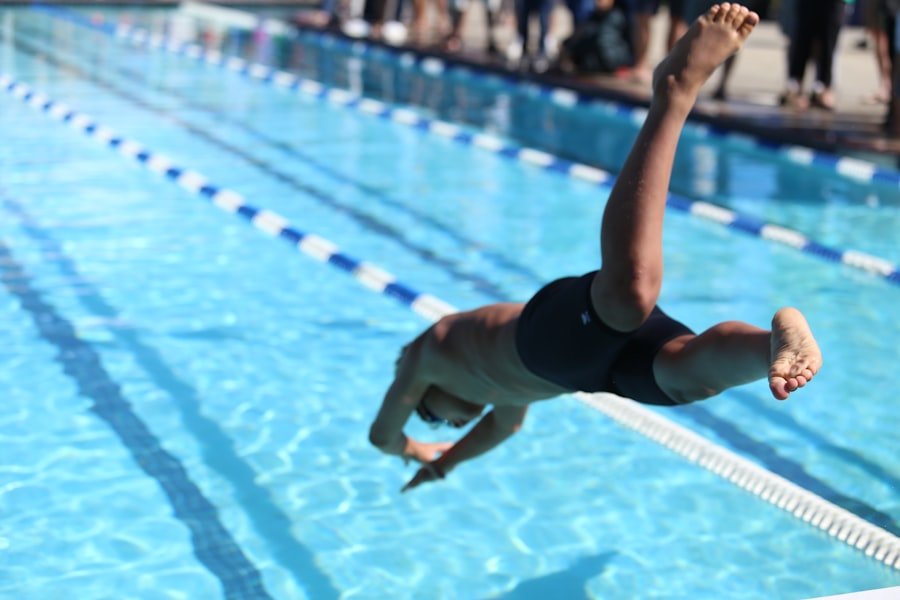
Swimming can easily be combined with a walk along Lake Geneva’s shore. Around the lake you will find promenades, gardens, cafés, vineyards, villages, and historic sites, so you do not need to spend the entire day in the water.
One of the best-known landmarks is Château de Chillon in Veytaux near Montreux. The castle sits directly beside Lake Geneva, and an official lakeside walking route connects the area with Montreux and Villeneuve.
If you plan to swim at the beach beside the castle, pay special attention to conditions. The official Château de Chillon visitor information specifically warns of strong currents near the monument and states that no lifeguard is on duty at the adjacent beach.
Lake Geneva Water Quality
Lake Geneva’s water quality is monitored, but you should not interpret monitoring as a guarantee that every location is always safe. In the canton of Geneva, the cantonal water office checks the sanitary condition of roughly 30 public bathing access points every three to four weeks from mid-April to the end of September.
Geneva’s public bathing sites are monitored during the swimming season, and locations with poor bacterial results can be marked with swimming-ban signs. Check current official notices before entering the water.
The State of Geneva’s bathing-water page explains that water quality can be affected by factors including storms, heavy rain, strong winds, wastewater problems, and treatment-plant failures.
Check Conditions After Heavy Rain or Storms
If there has been a major storm or heavy rainfall, look for current local information before swimming. Runoff and wastewater incidents can temporarily affect bathing water, and an official closure should always be respected.
Cyanobacteria and Algae
Cyanobacteria can develop in lakes during warm conditions. Their appearance can vary, so you should not try to identify every bloom yourself before deciding whether the water is safe.
Warning: Do not swim in water covered by suspicious algae, scum, surface deposits, or discoloration. Respect all swimming bans, avoid swallowing lake water, and keep children and animals away from questionable water. CIPEL also advises swimming only in designated areas and reminds visitors that swimming is prohibited in ports.
See the International Commission for the Protection of Lake Geneva Waters for Lake Geneva-specific cyanobacteria guidance.
Swimmer’s Itch
Lake swimming can occasionally lead to cercarial dermatitis, commonly called swimmer’s itch or “duck fleas.” Geneva health guidance says the microscopic larvae responsible may occur in lake bathing areas, particularly around warm, shallow water and aquatic vegetation, although their presence is not limited to those conditions.
Showering after swimming and drying your skin thoroughly can help. If you develop an itchy rash, avoid scratching it. Seek medical advice if symptoms are severe, unusual, or persistent.
Safety Tips for Swimming in Lake Geneva
Lake Geneva can be enjoyable for swimmers of many ability levels, but open water requires more judgment than a pool. The Swiss Lifesaving Society’s bathing rules provide a useful foundation.
- Know your ability. If you are not a competent swimmer, stay in a suitable shallow or supervised area and do not venture into deep open water.
- Do not swim long distances alone. Even experienced swimmers can suddenly become tired, cold, cramped, or unwell.
- Supervise children closely. Young children should remain within immediate reach around water.
- Avoid alcohol and drugs before swimming. They can affect judgment, coordination, and your ability to respond to danger.
- Enter unfamiliar water carefully. Do not dive or jump where you cannot confirm depth and underwater hazards.
- Do not rely on inflatable toys as safety equipment. Wind can carry them away from shore, and they do not make deep-water swimming safe.
- Check signs before entering. Local restrictions, water-quality bans, lifeguard instructions, and beach rules should be followed immediately.
- Leave the water when weather deteriorates. Do not remain in the lake during thunderstorms or rapidly worsening wind and waves.
Pro Tip: If you plan to swim beyond a small designated bathing zone, wear a brightly colored swim cap and consider a high-visibility tow float so other lake users can see you more easily. A tow float improves visibility but does not replace swimming ability, supervision, or proper safety equipment.
Cold Water and Water Temperature
Lake Geneva’s water temperature changes with the season, recent weather, location, depth, and time of day. A fixed range such as “18°C to 24°C all summer” is not reliable enough for planning. In particularly warm periods, surface readings at individual bathing facilities can exceed that range.
Check current information shortly before your swim. If the water feels cold, enter gradually, keep your first swim short, and leave the water before you become excessively chilled. Cold water can quickly affect breathing, coordination, and swimming performance.
Boats, Ports, and Swimmer Visibility
Lake Geneva is also used by passenger vessels, sailing boats, motorboats, paddleboards, kayaks, and other craft. Stay inside designated swimming areas when possible, pay attention to buoys and signs, and do not assume a boat operator can see you.
Avoid ports and harbor entrances. CIPEL specifically states that swimming is prohibited in ports. Long-distance open-water swimming requires much more preparation than an ordinary beach swim and should not be treated as a casual extension of a day at the beach.
Children and Less-Confident Swimmers
A public beach is not automatically a supervised beach. Check whether a lifeguard is present instead of assuming one will be available.
Children should be watched continuously around the water. Less-confident swimmers should remain where they can safely stand or use a supervised swimming facility rather than depending on an inflatable toy or another swimmer to keep them safe.
What to Do in an Emergency
If someone is struggling in the water, call for help immediately and alert a lifeguard if one is present. Avoid putting yourself in danger during a rescue. A flotation device that can be thrown or extended to the person is safer than an untrained rescuer entering dangerous water.
In Switzerland, the general European emergency number is 112, and the ambulance emergency number is 144.
The Benefits of Swimming in Lake Geneva
| Potential Benefit | Why It Matters |
|---|---|
| Aerobic exercise | Swimming can raise your heart rate and improve overall fitness when performed at an appropriate intensity. |
| Whole-body movement | Swimming uses muscles throughout the upper body, core, and legs. |
| Lower-impact exercise | Water supports part of your body weight, which can reduce impact compared with many weight-bearing activities. |
| Enjoyment and mood | Many people find swimming and water-based exercise enjoyable and relaxing, especially when combined with time outdoors. |
Swimming can be an effective form of physical activity, whether you are doing steady laps or taking a shorter recreational swim. The buoyancy of water also makes water-based exercise lower-impact for many people.
There is evidence that swimming and other forms of water-based activity can support physical and mental well-being. However, swimming should not be presented as a treatment for anxiety, cardiovascular disease, joint conditions, or another medical problem without individualized medical advice. The CDC’s swimming and health guidance provides a useful overview of both benefits and recreational-water risks.
Activities to Enjoy Around Lake Geneva
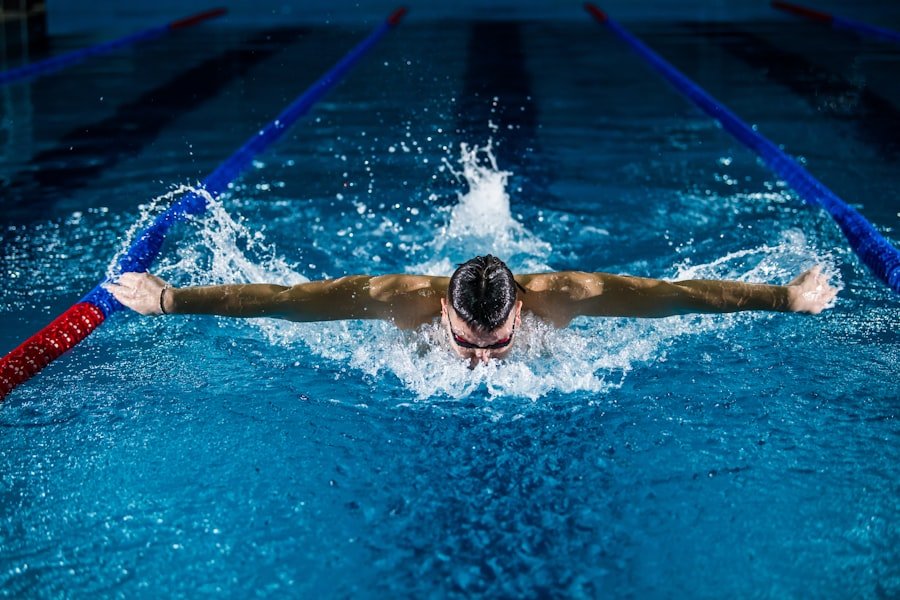
Swimming is only one way to enjoy Lake Geneva. Depending on the location and local rules, you may also find kayaking, stand-up paddleboarding, sailing, boat cruises, waterfront walking, cycling, and lakeside picnicking.
If you rent a kayak or paddleboard, follow the operator’s instructions and use appropriate safety equipment. Conditions that feel manageable while standing on shore can become more difficult once you are farther from land.
The surrounding hills, vineyards, and waterfront paths also make it easy to combine swimming with walking or cycling. Around Montreux and Vevey, you can spend part of the day beside the water and the rest exploring towns, gardens, historic sites, and viewpoints.
Planning Your Lake Geneva Swimming Adventure
Summer is the easiest season for most casual swimmers because the lake is generally warmer and bathing facilities are more active. Experienced cold-water swimmers also use the lake outside summer, but colder conditions require extra preparation and should not be treated like a warm-weather dip.
Before leaving for the lake, check three things: the local weather, current water-quality information, and any notices for your chosen bathing area. Do the check again if a storm or heavy rain has passed through recently.
What to Bring
- Swimsuit
- Towel
- Drinking water
- Sun protection
- Water shoes for rocky or pebbly entries
- A dry layer of clothing for after the swim
- Bright swim cap for open-water visibility
- Tow float for visibility if you are an experienced open-water swimmer
- Waterproof pouch or secure storage for valuables where appropriate
Before You Enter the Water
- Read all signs and check whether swimming is allowed.
- Look at the weather and water surface.
- Identify a safe exit point before swimming away from shore.
- Check for boat traffic, buoys, underwater obstacles, and sudden depth changes.
- Enter gradually if the water feels cold.
- Tell someone where you are swimming if you are leaving a busy bathing area.
- Turn back early if you become cold, tired, dizzy, short of breath, or uncomfortable.
Lake Geneva can provide an excellent swimming day when you match the location to your ability and treat the lake as open water rather than a swimming pool. A designated beach, current safety check, realistic swimming distance, and basic preparation will usually give you a more comfortable experience than simply entering the lake at the first accessible shoreline.
After swimming, you can continue exploring the lakeshore, visit a nearby town, or simply relax beside the water. If you also want a separate food read, see Exploring the Delightful World of Asian Melon. It is unrelated to Lake Geneva trip planning but may be of interest if you are looking for something light to read after your swim.
Frequently Asked Questions
Is it safe to swim in Lake Geneva?
Lake Geneva has many established public bathing areas and is widely used for swimming. Safety still depends on the specific location and current conditions. Check water-quality notices, weather, local signs, supervision, boat traffic, and your swimming ability before entering the lake.
Are there restrictions on swimming in Lake Geneva?
Yes. Follow posted swimming bans, beach rules, navigation markings, and instructions from local authorities or lifeguards. CIPEL advises swimmers to use designated areas and states that swimming is prohibited in ports.
What is the water temperature in Lake Geneva?
There is no single dependable temperature for the entire lake. Water temperature changes by season, weather, depth, and location, and individual bathing facilities may report different readings. Check current local conditions shortly before swimming rather than relying on a fixed summer range.
What dangers should I know about when swimming in Lake Geneva?
Potential hazards include cold water, sudden depth changes, local currents, wind and waves, thunderstorms, boats, fatigue, poor visibility, underwater obstacles, cyanobacteria, and temporary water-quality problems. Chillon’s official guidance specifically warns that strong currents can occur near the castle.
Are there designated swimming areas in Lake Geneva?
Yes. Numerous public beaches, baths, swimming zones, and established lake-access points are found around Geneva and the Montreux Riviera. Examples include Bains des Pâquis, Plage des Eaux-Vives, Pierrier Beach, Basset Baths, and Chillon Beach.
Can children swim in Lake Geneva?
Children can enjoy suitable Lake Geneva bathing areas, but an adult should supervise them continuously. Young children should remain within immediate reach around the water. A beach should not be assumed to have a lifeguard unless the facility specifically says one is present.
Can you swim in Lake Geneva all year?
Some experienced swimmers use Lake Geneva throughout the year, and Bains des Pâquis is known for year-round bathing. Cold-season swimming is very different from a summer swim, however, and requires careful acclimatization, shorter exposure, appropriate preparation, and strong open-water judgment.
What should I do if I see algae or suspicious green water?
Do not enter water covered by algae, scum, unusual deposits, or suspicious discoloration. Respect any official swimming ban, prevent children and animals from entering questionable water, and use another designated bathing area instead.
What emergency number should I call in Switzerland?
For an emergency in Switzerland, you can call the general European emergency number 112. For an ambulance or medical emergency, call 144. Give your location as precisely as possible and follow the emergency operator’s instructions.
Sources
- State of Geneva: Bathing Water Quality — official monitoring frequency, bacterial-quality thresholds, swimming bans, and current bathing-water guidance.
- Swiss Lifesaving Society: Bathing Rules — core Swiss water-safety recommendations for swimmers and families.
- CIPEL: Swimming in Lake Geneva and Cyanobacteria — Lake Geneva-specific advice covering blooms, designated swimming areas, bans, ports, and water ingestion.
- Geneva Tourism: Swimming in Geneva — official information about Bains des Pâquis, Plage des Eaux-Vives, Genève-Plage, and other Geneva swimming areas.
- Montreux Riviera: Beaches — official directory of swimming areas around Clarens, Montreux, Vevey, Veytaux, and nearby communities.
- Château de Chillon: Visitor Information — official information about Chillon Beach, facilities, lack of lifeguard supervision, and strong-current warning.