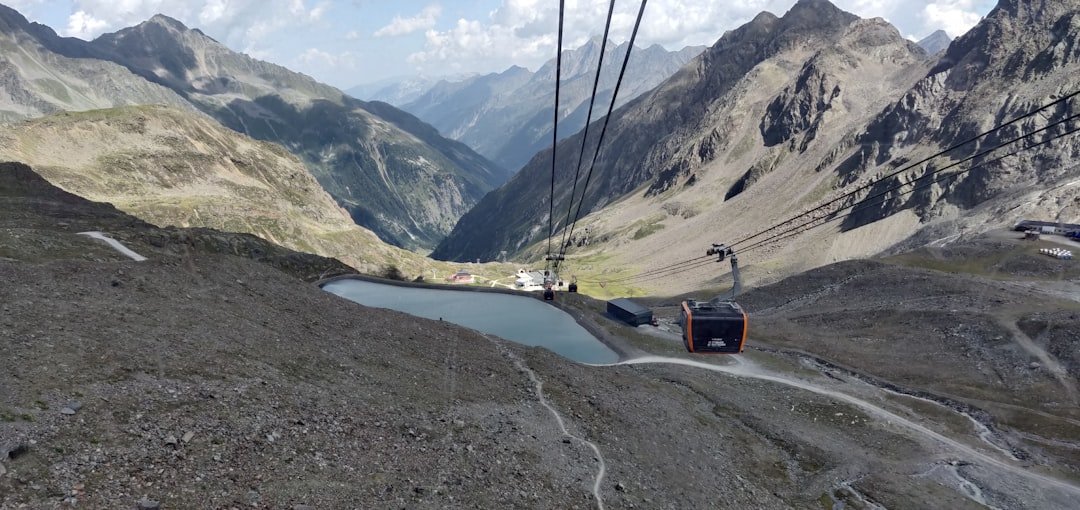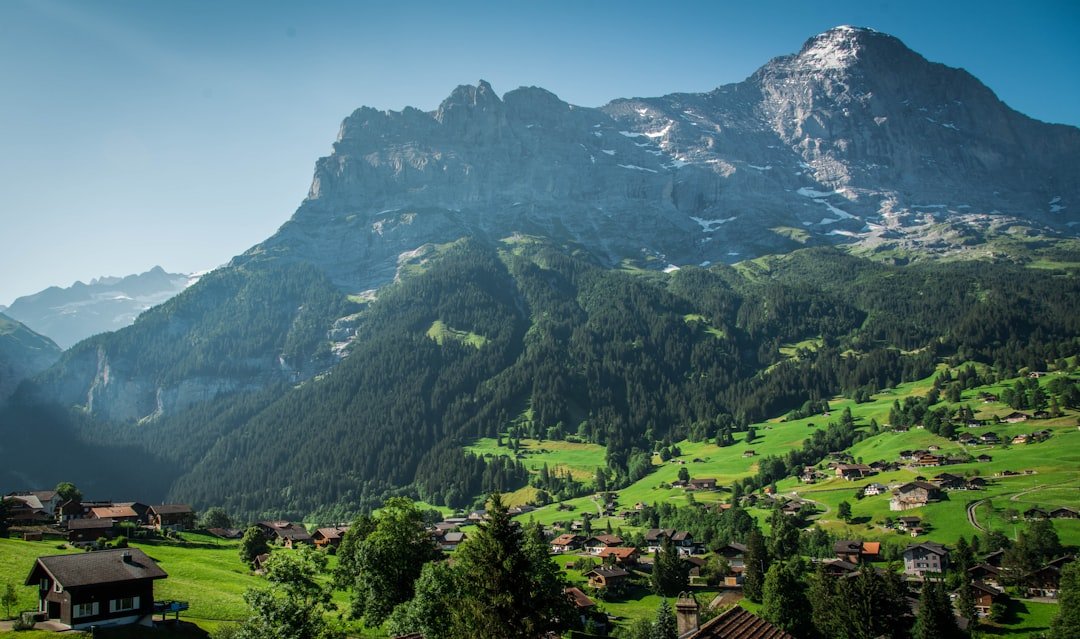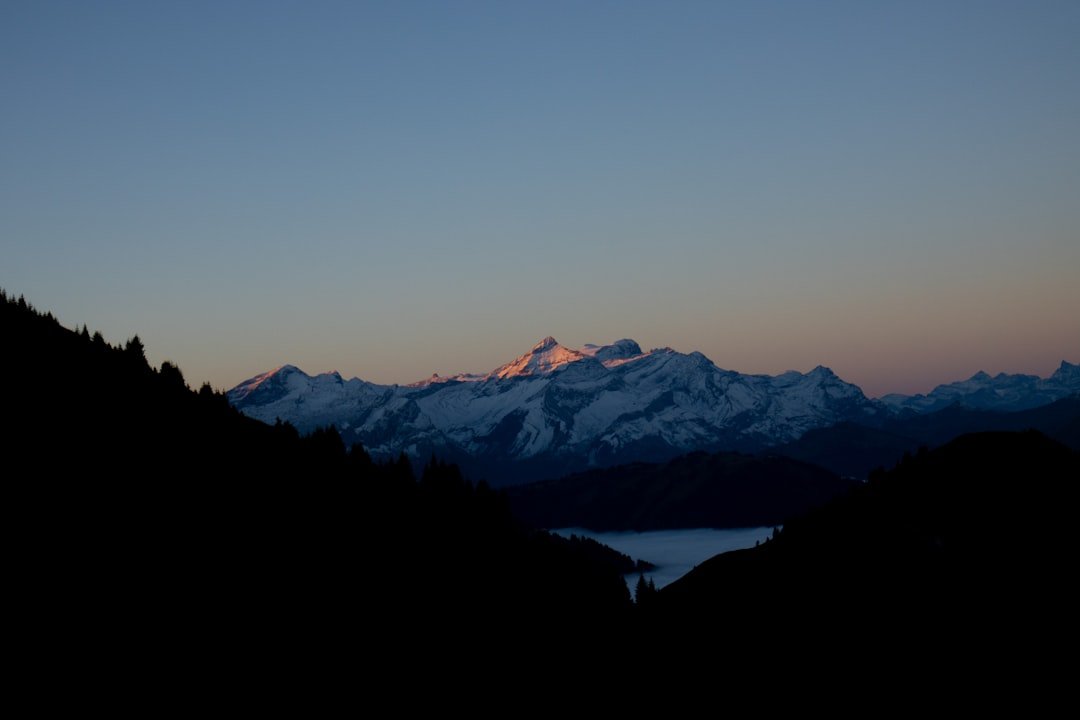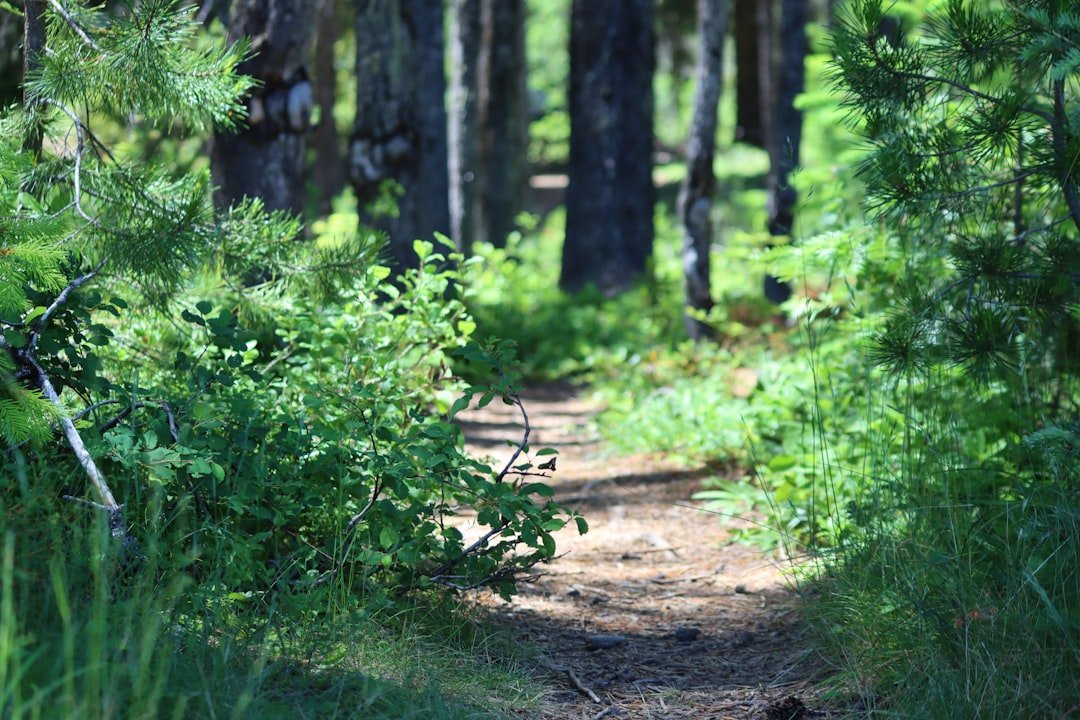
The Gornergrat to Riffelalp hike is one of the most scenic downhill walks above Zermatt, with close Matterhorn views, high-alpine terrain, mountain lakes, meadows, and forest. The key is choosing the right route: the classic option via Riffelsee and Riffelberg is about 6.1 km, while a separate Path of Silence route is longer at 7.9 km.
Quick Answer
For the classic Gornergrat to Riffelalp hike via Riffelsee and Riffelberg, allow about 2 hours of walking for roughly 6.1 km, plus extra time for photos and breaks. The route is a T2 mountain hiking trail with about 891 m of descent, so sturdy footwear and suitable mountain-weather clothing are important.
Key Takeaways
- The classic Gornergrat to Riffelalp route via Riffelsee is about 6.1 km and takes roughly 2 hours downhill before sightseeing stops.
- The official Zermatt route is graded as a T2 mountain hiking trail, so expect rocky and uneven terrain despite walking mostly downhill.
- Riffelsee, Riffelberg, Matterhorn views, alpine meadows, and the forest near Riffelalp are major highlights.
- A separate Path of Silence route from Gornergrat to Riffelalp is about 7.9 km and takes around 3 hours 15 minutes.
- Check the current trail status, weather, and Gornergrat Railway timetable before starting.
At a Glance
| Time Required | About 2 hours hiking for the classic 6.1 km route, plus stops |
| Difficulty | T2 mountain hiking trail; demanding underfoot despite being mostly downhill |
| Distance & Elevation | About 6.1 km, with roughly 891 m descent and 11 m ascent when walked from Gornergrat to Riffelalp |
| Tools Needed | Hiking shoes, weather layers, water, food, sun protection, phone or map; hiking poles are useful for the long descent |
| Cost | No separate hiking-trail fee; budget for the Gornergrat Railway. Fares vary by season, route, and discount card. |
Gornergrat to Riffelalp Route Options
There is more than one hiking route between Gornergrat and Riffelalp, which explains why different guides sometimes give very different distances.
Classic Route via Riffelsee and Riffelberg
The route that best matches a hike featuring Riffelsee is the Swiss Topwalk No. 23 walked in reverse. Zermatt publishes the uphill route from Riffelalp to Gornergrat as 6.1 km with 891 m ascent and 11 m descent, and notes that the opposite direction takes approximately two hours.
Walking downhill, the sequence is Gornergrat, Riffelsee, Riffelberg, and Riffelalp. This is the best choice if seeing Riffelsee and its famous Matterhorn reflection is one of your priorities.
Path of Silence
The Path of Silence is a different Gornergrat-to-Riffelalp hike. It covers about 7.9 km and takes around 3 hours 15 minutes. It passes mountain lakes, rocky alpine terrain, meadows, and the Arvenwald forest before reaching Riffelalp.
Note: Do not combine the distance and hiking time from one route with the highlights of another. If Riffelsee is essential to your plan, use the classic route via Riffelsee and Riffelberg.
Trail Difficulty and Terrain
The classic Gornergrat to Riffelalp route is a mountain hike rather than a simple paved walk. Zermatt classifies Swiss Topwalk No. 23 as a demanding T2 trail. Going downhill reduces the sustained climbing effort, but you still have a long descent over uneven mountain terrain.
The hike begins at Gornergrat at about 3,089 metres above sea level. High on the route, the landscape is open, rocky, and exposed. As you descend, the surroundings gradually change to alpine meadows and then to forest closer to Riffelalp.
Loose stones and uneven surfaces can require careful footing. The long downhill section can also be tiring on knees and legs, which is why hiking poles can be useful even for hikers who rarely use them on flatter trails.
The route should not automatically be described as suitable for every family with children. Experienced older children who are comfortable on mountain trails may enjoy it, but each group should consider fitness, weather, trail conditions, and the ability to manage a long rocky descent.
Pro Tip: Spend a little time at Gornergrat before beginning the descent. It gives you time to enjoy the viewpoint, organize your layers and pack, and start the hike without rushing.
Points of Interest Along the Trail
Gornergrat Viewpoint and Observatory
Gornergrat is one of the best-known viewpoints above Zermatt, with sweeping views toward the Matterhorn, Monte Rosa massif, surrounding high peaks, and glaciers. The summit area is also home to the observatory domes at the Kulmhotel.
The Stellarium Gornergrat in the south dome is now primarily an astronomy education and outreach facility associated with the University of Bern and its partners. The site has a long history of professional astronomical observation, but its current role should not be confused with a climate-change or glaciology research center.
Riffelsee
Riffelsee is one of the main reasons to choose the classic route. When the water is calm and visibility is clear, the lake can reflect the Matterhorn. Conditions change quickly, so the famous mirror image is never guaranteed.
The classic route combines one of Zermatt’s best-known Matterhorn viewpoints with Riffelsee, Riffelberg, alpine meadows, and the forested approach to Riffelalp in one continuous descent.
Riffelberg
Riffelberg is an important intermediate stop on the Gornergrat Railway and a useful place for a break. The station area has restaurants and toilets, making it a practical point to reassess the weather, rest your legs, or shorten the outing by boarding the train.
Wildlife and Alpine Landscapes
The landscape changes noticeably as you lose elevation. Rocky ground near Gornergrat gives way to alpine vegetation and meadows, followed by larch and Swiss stone pine forest closer to Riffelalp. Depending on the route and season, hikers may encounter grazing Valais Blacknose sheep and other alpine wildlife. Observe animals from a distance and do not feed them.
Riffelalp
Riffelalp sits at about 2,211 metres and marks the end of the classic downhill hike. The area has restaurants, the Riffelalp Resort, and direct access to the Gornergrat Railway. In summer, the historic Riffelalp tram operates between the railway station area and the resort.
Best Conditions and When to Hike
Mountain conditions matter more than the calendar. Even when lower trails around Zermatt are clear, snow can remain at higher elevations. Zermatt specifically warns that mountain routes may be impassable in spring when snow is still present.
Before leaving Zermatt, check the current trail status and weather. Gornergrat Bahn notes that trails in the area are maintained by the municipality of Zermatt and that routes marked closed should not be used.
Clear mornings can provide excellent mountain visibility, while afternoon cloud, rain, or thunderstorms may change conditions quickly. Start with enough time to finish comfortably and still reach your planned return train.
Warning: Do not start simply because the weather in Zermatt village looks good. Gornergrat is much higher, and conditions can differ sharply. Check the mountain forecast and trail status, and turn back or use an intermediate railway station if conditions deteriorate.
Safety Tips and Precautions
| Safety Step | Why It Matters |
| Check trail status and weather | High-alpine weather and snow conditions can make a normally manageable trail unsafe. |
| Wear hiking shoes with good grip | The T2 route includes rocky and uneven mountain terrain. |
| Carry rain and warm layers | Temperatures and weather can change quickly above 3,000 metres. |
| Bring water and food | Food and drink are available around some railway stations, but you should not depend on a restaurant being open exactly when you need it. |
| Stay on marked hiking routes | Shortcuts damage fragile terrain and may lead toward steeper or unsafe ground. |
| Do not enter glaciers | The hiking route does not require glacier travel; glacier terrain involves hazards that require specialist knowledge and equipment. |
| Check the return timetable | Gornergrat Railway schedules change by season and can be affected by maintenance. |
It is also sensible to tell someone your planned route if you are hiking alone. Keep enough battery on your phone for navigation and communication, but do not rely on a phone as a substitute for checking the route and conditions before starting.
Take breaks when needed rather than rushing the descent. The views are one of the main reasons to hike here, and a controlled pace reduces the chance of slips on loose or uneven ground.
Trail Etiquette and Leave No Trace Principles
Respect other hikers and the fragile alpine environment throughout the Gornergrat to Riffelalp trail. Stay on marked paths, keep noise reasonable, and allow faster hikers to pass safely. When meeting people climbing uphill, give them space because ascending usually requires more effort.
Carry out all rubbish, including food packaging and tissues. Do not leave food scraps for animals. Even biodegradable waste can disturb wildlife and does not belong beside a high-alpine trail.
Keep your distance from wildlife and livestock. Do not chase animals for photographs or attempt to feed them. Alpine plants also have short growing seasons, so avoid picking flowers or walking across vegetation to create photo spots.
Recommended Gear and Clothing
Good hiking footwear is the most important equipment for this route. Shoes or boots should provide reliable grip on rock and loose ground. Ankle support is a personal preference, but smooth-soled casual shoes are a poor choice for a long T2 mountain descent.
Wear layers instead of relying on one heavy garment. A breathable base layer, an insulating layer, and a windproof or waterproof outer layer give you more flexibility as temperatures change between Gornergrat and Riffelalp.
Carry sun protection as well. At high elevation, a hat, sunglasses, and sunscreen can be useful even when temperatures feel cool.
Your backpack should include enough drinking water and food for your group, a small first-aid kit, weather protection, and a phone or map for navigation. Hiking poles are optional but can make the long descent more comfortable and provide extra stability on loose sections.
Food, Toilets, and Facilities
You do not need to treat this as a remote wilderness expedition, because the Gornergrat Railway provides several useful infrastructure points along or near the route.
- Gornergrat: toilets, a waiting area, restaurants, and other visitor facilities are available around the station and Kulmhotel area.
- Riffelberg: the station has toilets and a waiting room, with restaurants nearby.
- Riffelalp: the station has toilets and a waiting room, while restaurants and the Riffelalp Resort are nearby.
Opening hours can vary, so still carry your own water and something to eat. After finishing the hike, rehydrate and have a proper snack or meal before continuing with other activities in Zermatt.
Getting to and from the Trailheads
The easiest way to reach the starting point is the Gornergrat Railway from Zermatt. The cog railway climbs from Zermatt to Gornergrat and also serves intermediate stations including Riffelalp, Riffelberg, and Rotenboden.
From Gornergrat station, follow the marked route toward Riffelsee and Riffelberg if you are hiking the classic Swiss Topwalk itinerary in reverse. Continue from Riffelberg toward Riffelalp.
When you reach Riffelalp, you do not need a bus. Board the Gornergrat Railway at Riffelalp station for the trip back to Zermatt.
Check the current Gornergrat Railway timetable before your hike. Service frequency and operating periods change seasonally, and temporary maintenance closures can occur.
Pro Tip: The railway stations create useful exit points. If weather worsens or someone in your group becomes too tired, you may be able to finish at an intermediate station instead of forcing the entire walk.
Additional Resources and Information
Before hiking, use the official Zermatt and Gornergrat sources to confirm route status, weather, transport, and any temporary restrictions. Mountain conditions can change faster than general travel articles can be updated.
The official Zermatt route page is especially useful because it provides the route classification, distance, elevation profile, equipment recommendations, safety notes, and downloadable route information. Gornergrat Bahn also publishes live trail information and transportation updates.
Recent firsthand reports from hikers can help you understand surface conditions, but they should supplement rather than replace official trail-status and weather information.
With the correct route selected and sensible mountain preparation, the Gornergrat to Riffelalp trail offers a varied descent through rocky high-alpine terrain, the Riffelsee area, open meadows, and forest, with frequent views toward the Matterhorn along the way.
Frequently Asked Questions
What is the Gornergrat to Riffelalp trail?
It is a downhill mountain hike above Zermatt. The classic route follows the official Swiss Topwalk in reverse from Gornergrat through the Riffelsee and Riffelberg area to Riffelalp. Other Gornergrat-to-Riffelalp routes, including the Path of Silence, also exist.
How long is the Gornergrat to Riffelalp trail?
The classic route via Riffelsee and Riffelberg is about 6.1 km. Zermatt gives an approximate hiking time of two hours when the Swiss Topwalk is walked in the downhill direction from Gornergrat toward Riffelalp. Allow longer for photos, food, and rest stops.
What is the difficulty level of the Gornergrat to Riffelalp trail?
The classic Swiss Topwalk route is classified as a demanding T2 mountain hiking trail. Walking downhill is less strenuous aerobically than climbing from Riffelalp, but the rocky terrain and roughly 891 m of descent still require good footing and reasonable fitness.
Does the Gornergrat to Riffelalp hike pass Riffelsee?
The classic route using Swiss Topwalk No. 23 in reverse passes the Riffelsee area. The separate Path of Silence follows a different itinerary, so choose your route carefully if Riffelsee is one of your main goals.
What are the main highlights of the hike?
Highlights include the Gornergrat panorama, views toward the Matterhorn and surrounding high peaks, Riffelsee on the classic route, Riffelberg, alpine meadows, and the forested landscape near Riffelalp.
Are there toilets and restaurants along the route?
Yes. Gornergrat, Riffelberg, and Riffelalp have useful visitor facilities, including toilets, and food is available around the station areas. Opening hours can vary, so carry your own water and snacks as well.
How do I return to Zermatt from Riffelalp?
Riffelalp is an intermediate station on the Gornergrat Railway. After completing the hike, you can board the train at Riffelalp for the descent to Zermatt. Check the current timetable before starting your hike.
What should I bring when hiking from Gornergrat to Riffelalp?
Bring hiking shoes with good grip, weather-appropriate layers, rain protection, water, food, sun protection, and a phone or map. Hiking poles are optional but useful for the long descent.
Sources
- Zermatt Tourism: Swiss Topwalk No. 23 — route distance, elevation, difficulty, direction, equipment, and safety guidance.
- Gornergrat Bahn: Path of Silence — alternative Gornergrat-to-Riffelalp route, distance, duration, landscape, and railway return.
- Gornergrat Bahn: Hikes on Gornergrat — trail-condition and closure guidance.
- Gornergrat Bahn: Timetable — current and seasonal railway operating information.
- University of Bern: Stellarium Gornergrat — observatory history and current astronomy education role.