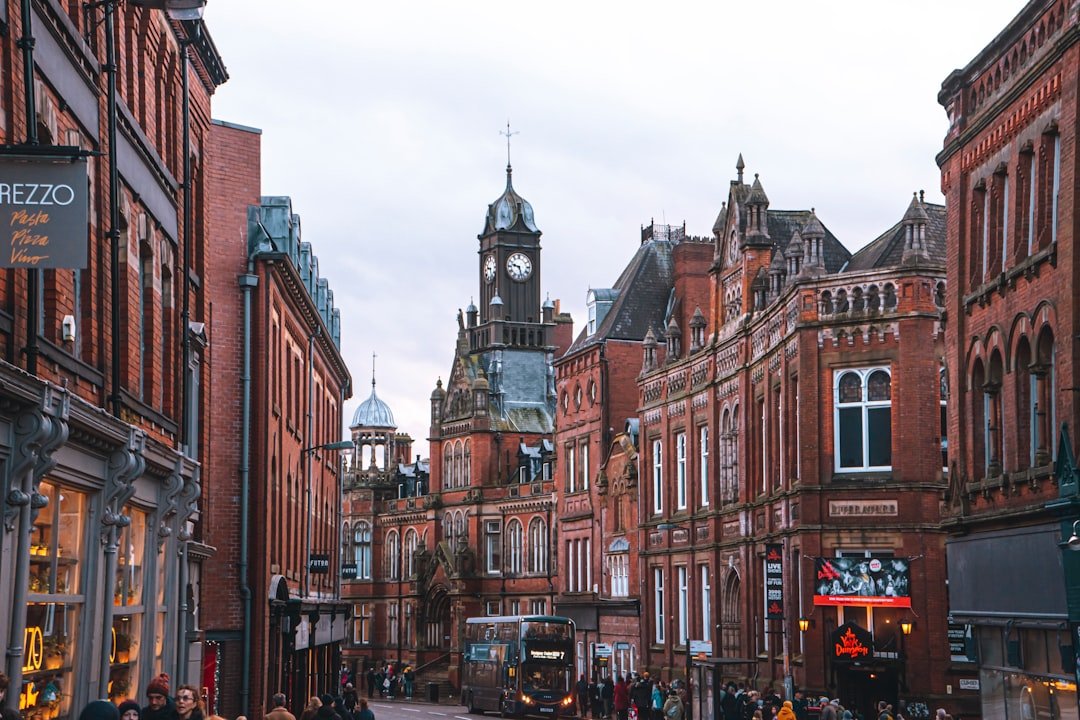
Birmingham is one of the UK’s largest cities and the cultural and commercial heart of the West Midlands. Its industrial heritage, canals, museums, food, shopping, and live arts make it a strong choice for a UK city break. A first visit can combine central sights with Digbeth, the Jewellery Quarter, green spaces, and easy day trips to Warwickshire.
Quick Answer
Birmingham is worth visiting for its museums, historic canals, shopping, Balti food, live culture, and easy day trips. Stay near the city centre on a first visit, walk between central attractions, use trains and trams for longer trips, and leave time for Digbeth, the Jewellery Quarter, or one of the city’s large parks.
Key Takeaways
- Birmingham combines industrial heritage, canals, museums, shopping, food, theater, and green spaces in a compact city-break destination.
- Popular attractions include Birmingham Museum & Art Gallery, Cadbury World, Thinktank, the National SEA LIFE Centre, and Birmingham Botanical Gardens.
- The city is famous for Balti and South Asian food, while the current Michelin Guide also lists several higher-end Birmingham restaurants.
- Bullring & Grand Central suit mainstream shopping, while the Jewellery Quarter, Great Western Arcade, and Digbeth offer more independent choices.
- Much of central Birmingham is walkable, with buses, trains, and the West Midlands Metro covering longer journeys.
Top attractions in Birmingham
Birmingham’s industrial history still shapes the city, once widely associated with the idea of a “City of a Thousand Trades.” Today, canals, Victorian buildings, redeveloped industrial districts, modern architecture, museums, theaters, and public spaces sit side by side. The city also has more miles of canal than Venice, giving visitors unusual walking routes through areas such as Gas Street Basin and Brindleyplace.
One of the main cultural stops is Birmingham Museum & Art Gallery in Chamberlain Square. The museum has reopened with selected spaces including its Pre-Raphaelite Galleries, Birmingham History Galleries, Staffordshire Hoard Gallery, Industrial Gallery, Round Room, family gallery, and temporary exhibitions. General admission is free, although some special events or exhibitions can charge separately.
The museum’s Grade II* listed building is also part of the experience, with grand interiors that reflect Birmingham’s Victorian civic ambitions. Because galleries and exhibitions can change, check the museum’s current listings before planning your visit around one particular collection.
Another major attraction is Cadbury World in Bournville. This self-guided chocolate attraction combines Cadbury history, interactive zones, demonstrations, family entertainment, and chocolate-themed activities. It is especially popular with families, and advance booking is important when dates are busy.
Other useful choices include Thinktank Birmingham Science Museum for hands-on family exhibits, the National SEA LIFE Centre near Brindleyplace, Birmingham Botanical Gardens in Edgbaston, and the Library of Birmingham near Centenary Square. For a first visit, choose two or three major attractions rather than trying to cover everything in one day.
Pro Tip: Check attraction opening times on the morning of your visit. Museum galleries, exhibitions, live shows, seasonal activities, and admission arrangements can change during the year.
Where to eat in Birmingham

Birmingham’s food scene reflects the city’s multicultural population. One of its best-known contributions to British food culture is the Birmingham Balti. The dish became closely associated with the Balti Triangle in southeast Birmingham, although the official Birmingham visitor guide now notes that only a handful of the original authentic balti houses remain in the area.
If Balti is a priority, check current restaurant listings before traveling rather than relying on older lists. Shababs is among the Balti Triangle restaurants currently highlighted by Visit Birmingham. Elsewhere, Ladypool Road and Birmingham’s wider South Asian dining scene offer many choices for curries, grills, sweets, and casual meals.
For higher-end dining, use the current Michelin Guide for Birmingham rather than old restaurant roundups. Purnell’s, which appeared in older Birmingham travel guides, closed in October 2024 and should no longer be treated as a current dining option. Current Michelin-listed choices include restaurants such as Adam’s and The Wilderness, alongside other restaurants covering modern British, Indian, vegetarian, and international cooking.
Birmingham also has an active street-food and food-hall scene. Digbeth Dining Club continues through touring events and special gatherings, while the Custard Factory area remains a major food and entertainment destination. Alfred Works, which opened at the Custard Factory in 2026, brought a new collection of independent kitchens to Digbeth.
Note: Birmingham’s restaurant scene changes quickly. Check the restaurant’s own website for current opening days, menus, dietary information, and reservations before making a special trip.
The best shopping spots in Birmingham
| Shopping Spot | Location | Best For |
|---|---|---|
| Bullring & Grand Central | Birmingham City Centre | Major brands, fashion, beauty, technology, and dining |
| Mailbox | Birmingham City Centre | Dining, leisure, and premium shopping |
| High Street | Birmingham City Centre | High-street brands and everyday shopping |
| Great Western Arcade | Birmingham City Centre | Independent retailers, gifts, food, and cafes |
| Jewellery Quarter | Northwest of the city centre | Jewellery, independent businesses, workshops, and heritage |
Bullring & Grand Central is Birmingham’s major city-centre shopping hub, with a broad mix of fashion, beauty, technology, food, entertainment, and everyday retail. The distinctive Selfridges building also makes the Bullring area one of the city’s most recognizable modern landmarks.
For something more independent, head toward Digbeth. The Custard Factory, once associated with Bird’s Custard, is now a creative complex with independent shops, cafes, bars, restaurants, entertainment venues, and events. It is a useful contrast to the mainstream retail experience around the Bullring.
Birmingham’s traditional markets also remain part of the city-centre shopping experience. The Bull Ring Indoor Market operates on Edgbaston Street, while the Rag Market and other market areas have their own trading days and hours. Check current schedules if a market visit is an important part of your day.
Exploring Birmingham’s cultural scene
Birmingham has a broad cultural scene covering theater, ballet, visual art, classical music, comedy, festivals, and live music. Birmingham Hippodrome is one of the city’s major performing-arts venues and presents musicals, ballet, opera, comedy, dance, and other touring productions. It is also home to Birmingham Royal Ballet.
Art lovers can visit Ikon Gallery at Brindleyplace. The contemporary-art venue is free to enter and presents changing exhibitions across media including painting, sculpture, film, photography, sound, and installation.
Birmingham Museum & Art Gallery adds historical collections and changing exhibitions, while venues around Southside, Eastside, Digbeth, and the Jewellery Quarter broaden the city’s cultural mix. Festival programs change from year to year, so check current event calendars rather than planning around an old festival schedule.
Outdoor activities in Birmingham

Birmingham has more green space than its industrial image might suggest. Cannon Hill Park covers around 250 acres and combines formal parkland, conservation areas, open space, sports facilities, family activities, and walking routes. It works well when you want a break from museums and city-centre streets.
The canal network provides another way to explore outdoors. Walking along the waterways around Brindleyplace, Gas Street Basin, and the Birmingham Canal Navigations gives a different view of the city’s warehouses, bridges, modern developments, and industrial history. Some routes are also used by cyclists, so shared towpaths require a little extra awareness at busy times.
For a larger green-space trip, Sutton Park is about six miles north of the city centre. Birmingham City Council describes the National Nature Reserve as roughly 2,400 acres and one of the largest urban parks in Europe. Its scale makes it better suited to visitors who have extra time rather than someone trying to cover Birmingham’s central attractions in a single day.
Birmingham’s canal network and large parks make it possible to mix museums, shopping, food, and outdoor time without leaving the wider city.
Best time to visit Birmingham
There is no single best month for every visitor. Spring and early autumn are good choices if you prefer sightseeing in generally milder conditions without building your trip around peak summer dates. Summer brings longer daylight, outdoor events, school-holiday activities, and greater demand at popular family attractions.
Late autumn and December appeal to visitors interested in Birmingham’s Christmas events and markets. Winter days are shorter and weather can be cold or wet, but museums, shopping, food, theater, and other indoor attractions make Birmingham suitable for a year-round city break.
Rain is possible in any season, so a flexible plan works well. Pair outdoor stops such as canals and parks with indoor alternatives such as BMAG, Ikon, Thinktank, shopping centers, or Cadbury World.
Where to stay in Birmingham
City Centre: The easiest choice for many first-time visitors. It gives quick access to New Street Station, Bullring & Grand Central, Victoria Square, Centenary Square, restaurants, shopping, and several major attractions.
Jewellery Quarter: A good option if you want historic streets, independent restaurants, bars, jewellery businesses, and a neighborhood feel while remaining close to the centre.
Digbeth: Best suited to visitors interested in creative venues, independent food, nightlife, events, and the Custard Factory area. Much of Digbeth is within walking distance of the Bullring.
Edgbaston: A quieter base for visitors who prefer leafy surroundings and access to attractions such as Birmingham Botanical Gardens, while still remaining reasonably close to central Birmingham.
Day trips from Birmingham
Birmingham’s central location makes it a useful base for trips into Warwickshire and other parts of the West Midlands. Stratford-upon-Avon is one of the easiest choices. Direct trains from Birmingham typically take around an hour, and the town is closely associated with William Shakespeare.
The Shakespeare Birthplace Trust manages Shakespeare’s Birthplace, Anne Hathaway’s Cottage, and Shakespeare’s New Place. Opening arrangements vary through the year, so check which properties are open on your chosen date before traveling.
Warwick Castle is another popular day trip. Direct rail links are available from Birmingham toward Warwick, and Warwick railway station is approximately one mile from the castle. The castle advises allowing about 15 minutes to walk from the station.
Warwick Castle combines more than 1,100 years of history with historic interiors, grounds, family activities, live entertainment, seasonal events, and major outdoor shows on selected dates. Pre-booking is sensible when visiting during school holidays or major events.
Note: Do not judge a day trip only by the train time. Add the walk or local transport from the station, attraction entry time, and return journey when deciding how much you can comfortably see.
Getting to and around Birmingham
Birmingham is well connected by rail. Birmingham New Street is the main city-centre rail hub, while Birmingham Moor Street and Birmingham Snow Hill serve additional routes. The stations are close enough to the central attractions that many visitors can complete much of a city-centre sightseeing day on foot.
If you arrive by air, Birmingham Airport connects to Birmingham International railway station using the airport’s free Air-Rail Link. According to Birmingham Airport, direct trains from Birmingham International to Birmingham New Street take approximately 10 minutes.
For local journeys, buses, trains, and the West Midlands Metro cover Birmingham and the wider region. The Metro connects central Birmingham, the Jewellery Quarter, West Bromwich, and Wolverhampton. Use the Transport for West Midlands journey planner for current routes, timetables, tickets, and disruption information.
The Birmingham and West Midlands Visitor Pass is separate from normal public-transport ticketing. The visitor pass can provide access to participating attractions and other offers, while TfWM, rail operators, bus companies, and West Midlands Metro provide transport tickets and passes. Compare what you actually plan to visit before buying either type of pass.
A simple one-day Birmingham itinerary
Morning: Start around Victoria Square and Chamberlain Square, then visit Birmingham Museum & Art Gallery if its current exhibitions suit your interests.
Late morning: Walk toward Centenary Square, the Library of Birmingham, Brindleyplace, and Gas Street Basin. This gives you an easy introduction to the canals without committing to a long walk.
Lunch: Choose a city-centre restaurant, head toward Chinatown and Southside, or travel to a current Balti restaurant if food is one of your main reasons for visiting.
Afternoon: Shop at Bullring & Grand Central or explore the Jewellery Quarter. Families may prefer Thinktank or the National SEA LIFE Centre instead.
Evening: Finish with dinner and a theater, music, comedy, or other live event. Check the current Birmingham events calendar before your trip because performance schedules change frequently.
Tips for traveling to Birmingham
Plan your day around geography rather than repeatedly crossing the city. Bullring, New Street, Victoria Square, Centenary Square, Brindleyplace, and nearby canal areas can be combined efficiently, while Cadbury World, Sutton Park, and some outer neighborhoods need additional travel time.
If you plan to drive into central Birmingham, check the city’s Clean Air Zone before traveling. Charges depend on whether the vehicle meets the required emissions standard, and a charge can apply for each calendar day an affected vehicle is driven within the zone.
For lower-cost sightseeing, mix paid attractions with free options. BMAG currently has free general admission, Ikon Gallery is free, and walking through central Birmingham, the canal areas, Jewellery Quarter streets, and public parks can fill a large part of a day without additional admission fees.
Families should check age limits, timed entry requirements, child facilities, and school-holiday schedules before booking. Many central attractions are accessible by public transport, but accessibility needs vary by building and activity, so use each venue’s current access information when planning for wheelchairs, mobility aids, or other requirements.
Accommodation ranges from central hotels to properties in quieter neighborhoods. Booking early is useful during major concerts, exhibitions, sporting events, festivals, Christmas-market periods, and school holidays because demand can rise sharply around specific events.
Finally, give Birmingham’s food scene enough time. Balti, Indian and Pakistani cooking, modern British restaurants, street food, food halls, pubs, cafes, and international cuisines are all part of the city experience. For readers interested in broader food-focused travel ideas, this article on exploring the delightful world of Asian melon offers additional culinary reading.
Frequently Asked Questions
What are the top attractions to visit in Birmingham?
Popular choices include Birmingham Museum & Art Gallery, Cadbury World, Thinktank Birmingham Science Museum, the National SEA LIFE Centre, Birmingham Botanical Gardens, the city’s canals, and major cultural venues around the city centre.
What is the best time of year to visit Birmingham?
Spring through early autumn works well for sightseeing and longer daylight, while late autumn and December suit visitors interested in Christmas events and markets. Birmingham also has enough museums, shopping, food, and entertainment to work as a year-round city break.
What are the transportation options in Birmingham?
Visitors can use buses, local and regional trains, taxis, and the West Midlands Metro. Much of the central sightseeing area is also walkable. Use Transport for West Midlands for current routes, fares, and disruption information.
What are some popular food and drink options in Birmingham?
Birmingham is especially associated with Balti and South Asian cooking, but visitors can also find Michelin-listed restaurants, modern British food, street food, international cuisines, pubs, cafes, food halls, craft beer, and cocktail bars.
What are some family-friendly activities in Birmingham?
Cadbury World, Thinktank Birmingham Science Museum, the National SEA LIFE Centre, Birmingham Botanical Gardens, Cannon Hill Park, and family programming at museums and galleries are useful choices. Check age guidance and booking requirements before visiting.
What are some cultural experiences to have in Birmingham?
Visit Birmingham Museum & Art Gallery, see contemporary art at Ikon Gallery, attend a performance at Birmingham Hippodrome, explore the Jewellery Quarter, walk the historic canals, or check current music, theater, dance, and festival listings.
How many days do you need in Birmingham?
One full day is enough for a city-centre introduction, but two days gives you more time for museums, food, Digbeth, the Jewellery Quarter, or a major family attraction. Three days works well if you also want a day trip to Stratford-upon-Avon or Warwick.
Is Birmingham city centre walkable?
Yes. New Street Station, Bullring, Victoria Square, Chamberlain Square, Centenary Square, Brindleyplace, and several canal areas can be combined on foot. Use public transport for attractions farther from the centre.
How do I get from Birmingham Airport to the city centre?
Use the free Air-Rail Link from the airport terminal to Birmingham International railway station, then take a direct train to Birmingham New Street. Birmingham Airport says the rail journey from Birmingham International to New Street is approximately 10 minutes.
Does the Birmingham visitor pass include public transportation?
Do not assume it does. The Birmingham and West Midlands Visitor Pass covers participating attractions and offers, while public-transport tickets and passes are sold separately through transport operators and Transport for West Midlands. Check the current inclusions before buying.
Do I need to pay Birmingham’s Clean Air Zone charge?
It depends on the vehicle. If you plan to drive through central Birmingham, check the vehicle against the official Clean Air Zone requirements before traveling. Charges apply to vehicles that do not meet the required emissions standard when they enter the zone.
Sources
- Visit Birmingham — official visitor information for attractions, food, neighborhoods, events, shopping, and trip planning.
- Birmingham Museums Trust — current Birmingham Museum & Art Gallery galleries, exhibitions, opening information, and admission details.
- Transport for West Midlands — current bus, rail, tram, ticket, journey-planning, and disruption information.
- Birmingham Airport — official airport rail connections and Birmingham International to New Street journey information.
- Birmingham City Council — official information on Sutton Park and Birmingham’s major green spaces.
- Michelin Guide Birmingham — current Michelin-listed restaurants in Birmingham and the surrounding area.