Best Little River Canyon Hikes for Nature Lovers
Little River Canyon can look peaceful from the overlooks, but its trails can change fast under your boots. You’ll find easy waterfall walks, steep canyon routes, river access points, and quiet forest paths within one protected Alabama landscape. This guide helps you choose the right Little River Canyon hike, plan your day, and stay safer near cliffs, rocks, and moving water.
Quick Answer
The best Little River Canyon hikes include the Little River Falls area, Martha’s Falls Trail, Eberhart Point Trail, Canyon Mouth Park Trail, and longer backcountry routes. Start with the short waterfall and river trails if you’re new to the area. Choose Eberhart Point or backcountry routes only if you can handle steep, rocky terrain.
Key Takeaways
- Little River Canyon offers short walks, waterfall trails, rim views, and harder canyon routes.
- Little River Falls and Martha’s Falls work well for first-time visitors and casual hikers.
- Eberhart Point Trail gives you a harder descent with river access and rugged canyon scenery.
- You should carry water, wear sturdy shoes, and check conditions before every hike.
- Stay on marked trails because cliffs, slick rocks, and swift water can create serious risks.
What’s in This Article
- Why Little River Canyon Is Worth Hiking
- Best Hikes in Little River Canyon
- Tips for Hiking in Little River Canyon
- Wildlife and Plant Life in Little River Canyon
- Safety Precautions for Hiking in Little River Canyon
- How to Make the Most of Your Hiking Experience
- Best Time to Hike Little River Canyon
- Frequently Asked Questions
- The Beauty of Little River Canyon
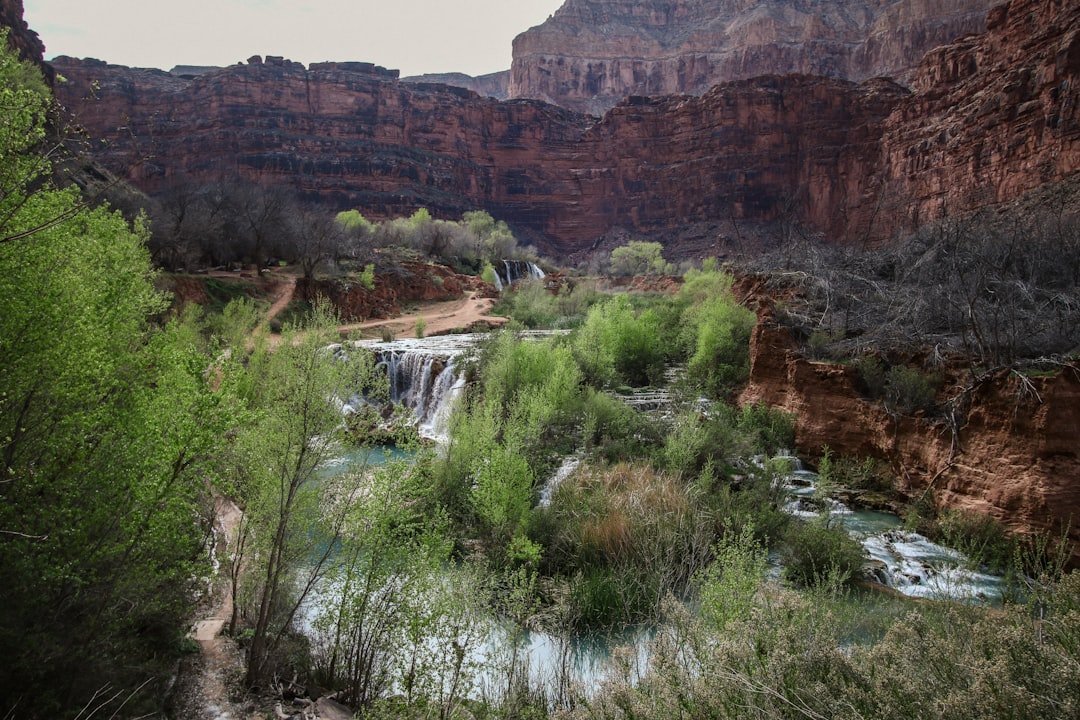
Little River Canyon, in northeastern Alabama, protects one of the most scenic river-cut landscapes in the southern Appalachians. The canyon features cliffs, waterfalls, forested slopes, rocky overlooks, and clear pools shaped by the Little River.
The area became Little River Canyon National Preserve in 1992. Its trails give you close access to Little River Falls, canyon overlooks, wooded paths, and river areas where the landscape feels wild and quiet.
The canyon also holds deep cultural value. Native peoples, early settlers, and local communities all shaped the story of this region. When you hike here, you experience both natural beauty and Alabama history in one place.
Why Little River Canyon Is Worth Hiking
Hiking helps you slow down and notice details you can miss from a roadside overlook. You can hear the river, smell the forest, watch birds move through the trees, and see rock layers up close.
Little River Canyon works well because it offers many trail styles in one area. You can take a short walk to a waterfall, follow a wooded path, or choose a steeper route toward the canyon floor.
The physical benefits matter too. Hiking builds endurance, improves balance, and gives your body steady movement. The quiet setting can also help you reduce stress and feel more focused.
Best Hikes in Little River Canyon
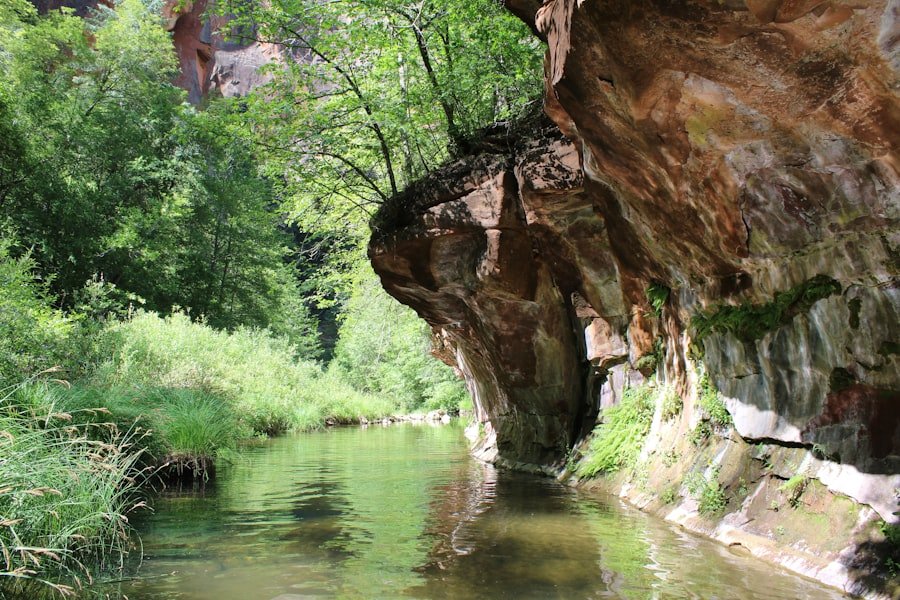
Little River Canyon has trails for casual visitors, families, photographers, and hikers who want a harder route. The best trail depends on your time, fitness level, and comfort with rocky terrain.
Little River Falls Trail
Little River Falls Trail is one of the easiest ways to see the preserve’s most famous waterfall. The walk is short, so it works well if you have limited time or want a simple scenic stop.
You’ll still need care near the rocks and water. Wet stone can feel slick even when the trail itself seems easy.
Martha’s Falls Trail
Martha’s Falls Trail, also called the Hippie Hole area by many visitors, leads toward a popular swimming and river spot. The route gives you a good mix of forest, rock, and water views.
This trail can get busy during warm months. Start early if you want easier parking and a quieter experience.
Eberhart Point Trail
Eberhart Point Trail gives you a more rugged canyon experience. The path drops from the rim toward the river, so the return climb can feel much harder than the way down.
Choose this trail if you want a stronger workout and closer access to the canyon floor. Wear shoes with good grip because the route can include rocky and uneven sections.
Canyon Mouth Park Trail
Canyon Mouth Park Trail offers an easier riverside walk near the lower end of the canyon. It works well for families, casual walkers, and visitors who want a softer route.
The park area also gives you room to rest after your hike. It’s a good choice when you want scenery without a steep climb.
Backcountry and Longer Routes
Longer backcountry routes can give you more solitude and a stronger sense of the canyon’s wild side. These hikes need better planning because distances, terrain, and conditions can vary.
Bring a map, check official trail information, and avoid starting late in the day. Long routes can take more time than expected on rocky ground.
Tips for Hiking in Little River Canyon
| Trail Name | Difficulty | Distance | Estimated Time |
|---|---|---|---|
| Canyon Mouth Park Trail | Easy | 0.5 miles | 30 minutes |
| Little River Falls Trail | Easy | 0.1 miles | 15 minutes |
| Backcountry Trail | Moderate | 11 miles | 6-8 hours |
| DeSoto Scout Trail | Difficult | 16 miles | 2 days |
Plan your hike before you leave the parking area. Weather can shift quickly in the canyon, and wet rock can make simple routes harder.
Wear sturdy shoes with grip, not smooth sandals or casual sneakers. Bring enough water, especially during warm months, and pack small snacks for longer routes.
- Check trail and weather conditions before you start.
- Carry water, snacks, a map, and a charged phone.
- Wear shoes that support your feet on rocky ground.
- Start longer hikes early so you don’t return after dark.
- Turn back if storms, high water, or fatigue create risk.
Pro tip: Visit waterfall areas earlier in the day for easier parking and better light for photos.
Wildlife and Plant Life in Little River Canyon
Little River Canyon supports many plants and animals because it includes forests, cliffs, streams, pools, and rocky slopes. Each habitat gives different species a place to feed, nest, or grow.
Birdwatchers may see hawks, woodpeckers, owls, and songbirds along the rim and forest trails. Quiet mornings often give you the best chance to notice wildlife before crowds arrive.
The forest includes hardwood trees such as oak, hickory, and maple. In spring, wildflowers can brighten the forest floor, while ferns and mosses add green texture near damp areas.
You may also find rare or sensitive species in and around the preserve. Keep wildlife wild by watching from a distance and leaving plants, rocks, and animals where you find them.
Safety Precautions for Hiking in Little River Canyon
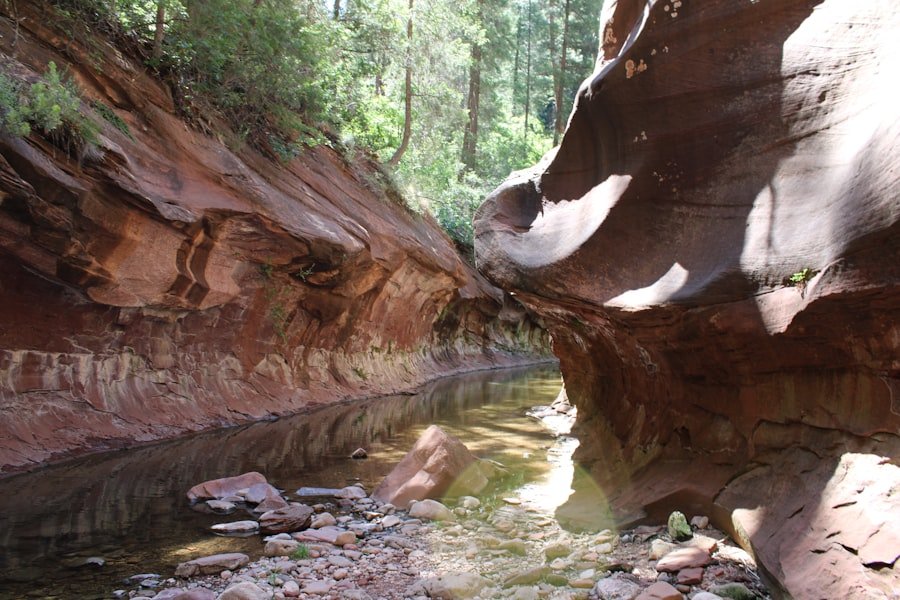
Little River Canyon is beautiful, but you need to treat it with care. The area includes cliff edges, loose rock, steep slopes, fast water, and slick surfaces near waterfalls.
Tell someone your route and return time before you start. Carry a charged phone, but don’t depend on service in every part of the canyon.
Warning: Stay back from cliff edges and waterfall rocks because slips can cause serious injury.
Stay on marked trails whenever possible. Shortcuts can damage fragile areas and put you near unstable edges or unsafe water.
Hike with a buddy if you can. A second person can help with navigation, first aid, or emergency calls if something goes wrong.
How to Make the Most of Your Hiking Experience
You’ll enjoy Little River Canyon more if you don’t rush from one viewpoint to the next. Pause often, listen to the river, and notice how the light changes across the cliffs.
Bring a small journal or use your phone to record trail notes. Simple notes can help you remember which overlooks, waterfalls, and trail sections you liked most.
Photography can help you capture the canyon’s beauty, but balance photos with quiet time. Put the camera down sometimes and take in the scene with your own eyes.
Note: Some trail names and distances may vary by map source, so check posted signs before you start.
Best Time to Hike Little River Canyon
Spring and fall often give you the most comfortable hiking weather at Little River Canyon. Spring can bring wildflowers and strong water flow, while fall adds cooler air and colorful leaves.
Summer works best for early starts, especially on exposed or rocky sections. Heat, humidity, and storms can make afternoon hikes harder.
Winter can offer quieter trails and clearer views through bare trees. You’ll still need to watch for cold rain, slippery rock, and shorter daylight.
Frequently Asked Questions
What are some popular hikes at Little River Canyon?
Popular hikes include Little River Falls Trail, Martha’s Falls Trail, Eberhart Point Trail, and Canyon Mouth Park Trail. Each route gives you a different mix of waterfall views, river access, forest paths, or canyon scenery.
Are there easy hikes for beginners at Little River Canyon?
Yes, beginners can start with Little River Falls Trail or Canyon Mouth Park Trail. These routes offer easier access and a lower barrier than steep canyon descents.
Are there challenging hikes at Little River Canyon?
Yes, Eberhart Point Trail and longer backcountry routes can feel challenging because of steep grades and rocky terrain. You should choose these hikes only if you’re prepared for a harder return climb.
What should I bring on a hike at Little River Canyon?
Bring water, snacks, sturdy shoes, sun protection, insect repellent, a map, and a charged phone. For longer hikes, add a first-aid kit and a light layer.
Are guided hikes available at Little River Canyon?
Guided hikes may be available through park programs, outdoor groups, or local recreation providers. Check current schedules before your trip because availability can change by season and staffing.
The Beauty of Little River Canyon
Little River Canyon gives you one of Alabama’s best mixes of waterfalls, cliffs, forest, and river trails. Choose a route that fits your fitness level, then plan with weather, daylight, and safety in mind.
Start with Little River Falls or Canyon Mouth Park if you want an easier visit. Try Eberhart Point or a longer backcountry route when you’re ready for a harder hike.
Respect the trails, stay back from risky edges, and give yourself time to enjoy the view. Each visit can show you a new side of this rugged Alabama canyon.
If you’re planning a trip to explore the trails of Little River Canyon, you may also want easy picnic ideas for your hiking day. A related article that can help is Exploring the Delightful World of Asian Melon, which covers a refreshing fruit you can pack as a light snack.
References
- Little River Canyon National Preserve — National Park Service
- Hiking at Little River Canyon National Preserve — National Park Service
- Nature at Little River Canyon National Preserve — National Park Service