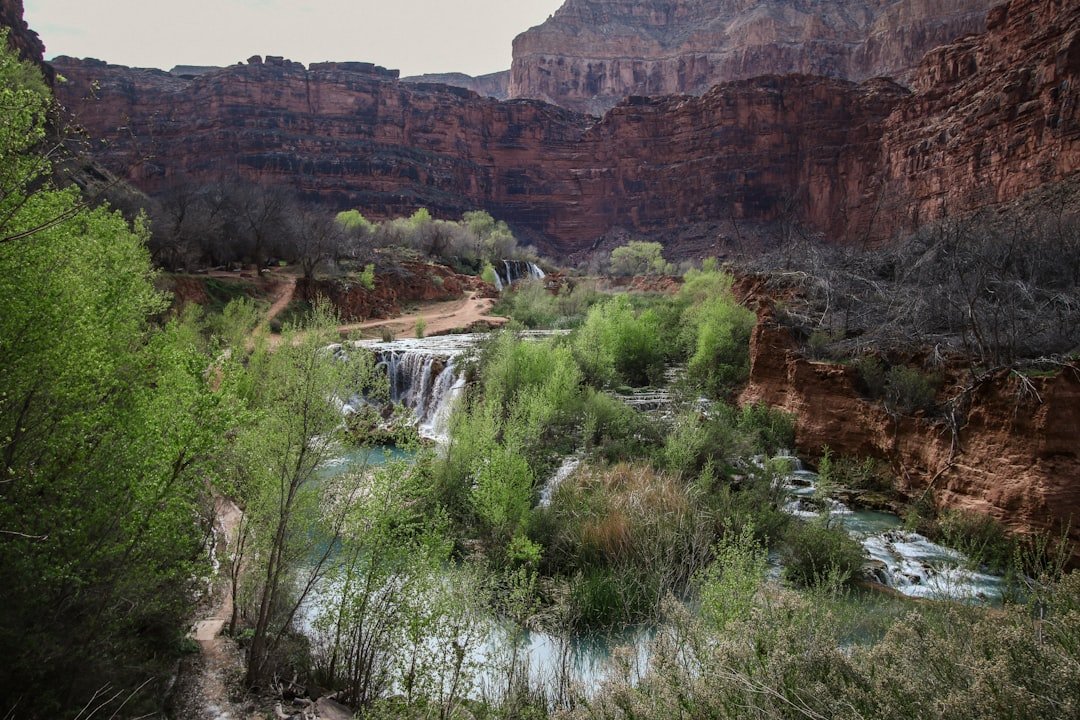
Traveling in Alabama can include busy interstates, quiet rural roads, mountain trails, Gulf Coast beaches, and weather that changes quickly. A little preparation goes a long way. Before your trip, learn the road rules that apply to you, check the forecast, plan for heat and storms, secure your belongings, and know what to do if an emergency occurs.
Quick Answer
To stay safe in Alabama, buckle up, drive sober, follow the state’s Move Over rules, never enter a flooded roadway, monitor severe-weather alerts, carry water when outdoors, follow beach flags, secure valuables, and keep emergency information easy to reach. Alabama can experience tornadoes, hurricanes, flash flooding, heat, lightning, and changing trail conditions.
Key Takeaways
- Wear a seat belt, obey posted speed limits, avoid distractions, and never drive impaired.
- Move over for qualifying stopped roadside vehicles when it is safe; otherwise slow down as Alabama law requires.
- Never drive through floodwater or around a barricade.
- Prepare for severe thunderstorms and tornadoes year-round, with especially active periods in spring and late fall.
- Carry water, suitable footwear, navigation, and basic emergency supplies for hikes and outdoor activities.
- At Gulf Coast beaches, follow beach flags and lifeguard instructions and understand how to respond to a rip current.
- Keep valuables out of sight in cities and lodging, and know how to reach emergency help.
Note: This guide provides general travel and safety information, not legal advice. Traffic laws, local rules, park regulations, beach conditions, and emergency instructions can change. Follow current signs and directions from Alabama authorities and emergency officials.
Alabama laws travelers should know
Understanding a few Alabama road rules before you drive can help you avoid trouble and reduce risk. According to the Alabama Law Enforcement Agency’s seat-belt guidance, occupants of qualifying passenger cars are required to use safety belts, subject to statutory exemptions. Children are covered by separate child-passenger restraint requirements, so travelers with young children should use the restraint appropriate for the child and vehicle.
Alabama also has a broad Move Over law. When certain law-enforcement, emergency, towing, utility, maintenance, construction, survey, or garbage and recycling vehicles are stopped or working along the roadside with the required warning signals, drivers should move out of the closest lane when it is safe. On a multilane highway, if you cannot safely move over, Alabama law generally requires you to slow to at least 15 mph below the posted speed limit. The current requirements are listed by the Alabama Law Enforcement Agency.
Alcohol rules also deserve attention. Under Alabama Code Section 32-5A-191, the general per-se BAC threshold is 0.08%. For a driver under age 21, the statutory threshold is 0.02%. A lower BAC does not make unsafe driving acceptable, so the safest approach is simple: if you drink, do not drive.
Alabama also restricts open alcoholic-beverage containers in the passenger area of a motor vehicle on a public highway or highway right-of-way. The law contains exceptions, so travelers carrying previously opened alcohol should review Alabama Code Section 32-5A-330 and keep alcohol stored legally and safely.
Safety tips for driving in Alabama
Driving in Alabama can be pleasant, but conditions vary greatly between interstates, city streets, rural highways, and coastal roads. Start with the basics: obey posted speed limits, leave enough space behind the vehicle ahead, use your signals, and keep your attention on driving rather than your phone or other distractions.
Check the weather before a longer drive. Heavy thunderstorms can quickly reduce visibility and create standing water. If rain becomes too intense to see lane markings or traffic clearly, slow gradually and find a safe place to stop if necessary.
Warning: Never intentionally drive into a flooded roadway or around a flood barricade. Water can hide a washed-out road and can move a vehicle with surprising force. Turn around and use another route.
Wildlife is another concern, especially on rural and wooded roads. Deer and other animals can enter the roadway with little warning. Slow down when visibility is limited, scan both sides of the road, and avoid swerving sharply if an animal appears because a sudden maneuver can create another crash risk.
Before a rural or long-distance drive, check your fuel level, tires, lights, windshield wipers, and phone charge. Some stretches may have fewer services than you expect. Keep drinking water in the vehicle, especially in hot weather, and tell someone your route if you are traveling into a remote area.
Staying safe in outdoor recreational areas
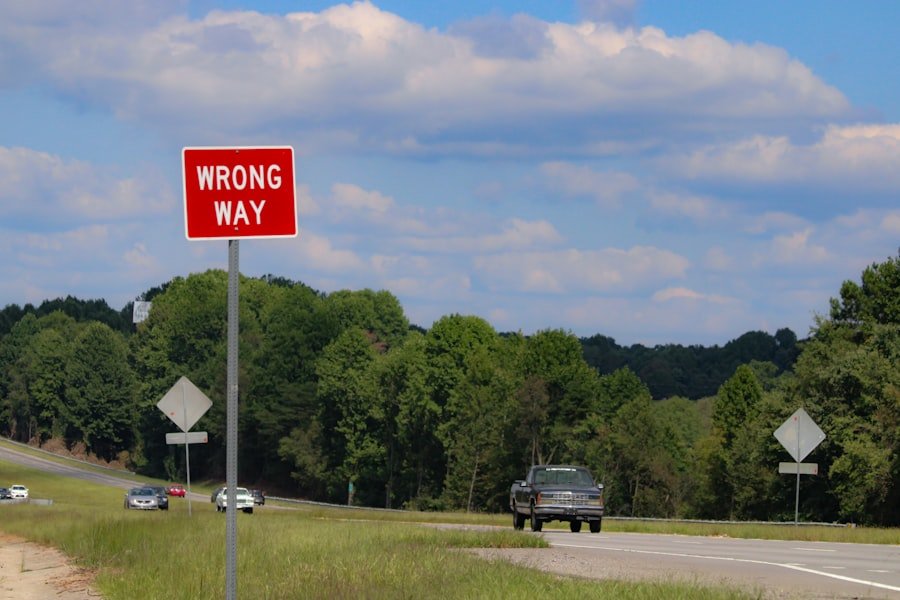
Alabama’s parks, forests, lakes, rivers, and recreation areas offer many ways to spend time outdoors. Before starting an activity, check the rules and current conditions for the specific park, trail, beach, lake, or recreation area you plan to visit.
Stay on marked trails and designated paths where required. This reduces the chance of getting lost, helps protect natural areas, and keeps you away from unstable terrain or restricted locations.
Bring enough water and snacks for the activity, along with weather-appropriate clothing, sun protection, basic first-aid supplies, and any equipment required for the activity. Alabama heat and humidity can make an easy outing more tiring than expected, while thunderstorms can develop quickly.
Give wildlife space. Do not approach, touch, feed, or attempt to move wild animals. Watch where you step and place your hands around rocks, logs, thick vegetation, and shoreline areas where snakes or other wildlife may be difficult to see.
Pro Tip: Download your route or park map before leaving reliable cell service. A saved offline map can be useful when reception disappears, but a paper map is an excellent backup for longer or remote outings.
Tips for staying safe in urban areas
| Tip | What to do |
|---|---|
| Stay aware | Watch your surroundings and limit phone distractions while walking or waiting for transportation. |
| Use well-lit areas | Choose busy, visible routes and pickup points, particularly after dark. |
| Travel with others | When practical, stay with companions when walking in unfamiliar areas late at night. |
| Leave uncomfortable situations | If a place or situation feels unsafe, move to a staffed, public, or well-populated location. |
| Keep valuables discreet | Keep wallets, phones, bags, jewelry, and electronics secure rather than leaving them visible. |
Urban areas such as Birmingham and Montgomery provide restaurants, museums, events, and other attractions, but the same basic precautions you would use in any unfamiliar city still apply. Stay aware of traffic and people around you, particularly when using a phone, handling luggage, or entering and leaving a vehicle.
Do not leave valuable items visible inside a parked vehicle. Keep bags closed and close to you in crowded places. When using public transportation, taxis, or rideshare services, wait in a visible location and confirm the correct vehicle before entering.
If you plan to explore after dark, know how you will return to your lodging before you leave. A charged phone and a saved hotel address can prevent unnecessary problems if your plans change.
Being aware of weather and natural disaster risks
Alabama can experience severe thunderstorms, tornadoes, flash flooding, damaging winds, lightning, extreme heat, and tropical weather. Severe weather can occur at any time of year, so do not rely only on the season when deciding whether to check the forecast.
The National Weather Service identifies a primary Alabama severe-weather season from March through May and a secondary season that generally runs from early November into mid-December.
Before sightseeing, driving, camping, or hiking, check the local forecast and active alerts. The National Weather Service in Birmingham recommends having more than one way to receive warnings. A phone alert is useful, but a second method can help if one system fails or reception is poor.
If a tornado warning is issued for your location, move promptly to a sturdy building. A basement is a strong option. If there is no basement, use a small interior room, bathroom, closet, or hallway on the lowest floor and stay away from windows. Protect your head from flying debris. Do not remain in a mobile home when a safer substantial shelter is available.
Along the Gulf Coast, tropical storms and hurricanes are another concern. The official Atlantic hurricane season runs from June 1 through November 30, according to NOAA. If a storm threatens during your visit, follow local evacuation orders and emergency instructions rather than relying on your original travel schedule.
Keep a small emergency supply kit available when severe weather is possible. Useful items include drinking water, shelf-stable food, necessary medications, a flashlight, portable phone power, basic first-aid supplies, and important contact information.
Safe practices for hiking and exploring nature
Alabama offers everything from short nature walks to longer and more demanding hikes. Choose a route that matches your fitness, experience, available daylight, and weather conditions rather than judging a trail only by distance.
Hiking with another person is a good safety measure, but solo hikers can reduce risk by sharing their route, starting point, destination, and expected return time with someone they trust. If your plans change, update that person when possible.
Carry a map or reliable navigation tool and do not assume your phone will always have service. Stay on the planned route unless an emergency or official closure requires a change.
Bring enough water and food for the trip, and wear footwear suited to the surface. In warm weather, start well hydrated and watch for signs of heat illness. During thunderstorms, get to a substantial shelter when possible rather than continuing across exposed terrain.
Check trail and park conditions before leaving. Heavy rain can make stream crossings, steep trails, rocks, roots, and wooden surfaces much more dangerous. Turn around if conditions become worse than your equipment, experience, or remaining daylight can safely handle.
Beach and water safety in Alabama
Alabama’s Gulf Coast, rivers, and lakes add another set of safety concerns. At Gulf beaches, check the current beach warning flags and follow instructions from lifeguards and beach patrol. Conditions that looked calm earlier in the day can change.
Rip currents can pull swimmers away from shore. If you are caught in one, do not exhaust yourself trying to swim directly against the current. Stay calm, float or tread water if needed, and move parallel to the shoreline until you can escape the current before returning toward the beach. Call or wave for help if you cannot get free.
Swimming near a lifeguard provides an extra layer of safety. Keep children within close reach around water and do not assume flotation toys replace active supervision or an appropriate life jacket.
If you boat, paddle, or use other watercraft, check weather and water conditions before leaving shore. Wear an appropriate life jacket, carry required safety equipment, avoid overloading the craft, and never operate a boat while impaired.
Security tips for accommodations and lodging
Whether you stay in a hotel, motel, cabin, or vacation rental, take a few minutes after arrival to understand the property. Locate your room, exits, parking area, and front desk or host contact information. If something about the room or entry system does not work properly, report it promptly.
Use the locks provided on doors and windows. Do not leave passports, cash, electronics, or other valuable items visible when you are away. A hotel safe can be useful for small valuables when available.
Be cautious about unexpected visitors or calls asking for personal or payment information. If someone claims to be hotel staff and the request seems unusual, contact the front desk using a known number rather than providing information immediately.
Note: When you first enter unfamiliar lodging, save the property name and address on your phone. It makes it easier to give your location to emergency services, a rideshare driver, or a family member if needed.
Food safety for Alabama road trips
Food carried in a warm vehicle can spoil quickly, so keep perishable items properly chilled and avoid leaving them in a hot car. If you prepare food for a road trip, pack it in a suitable cooler and use clean utensils and containers.
If you enjoy preparing simple travel foods at home, this existing guide to delicious homemade cottage cheese offers one option. Because cottage cheese is perishable, keep it refrigerated or properly chilled until you are ready to eat it rather than carrying it unrefrigerated during a long day of travel.
Knowing emergency contact information and resources
In a life-threatening emergency in Alabama, call 911. Before traveling into an unfamiliar or remote area, also identify the nearest medical facility, park office, visitor center, or other relevant service for your plans.
Keep emergency information available even if your phone battery dies. You can save important numbers in your phone and keep a written copy with your travel documents. If you take prescription medication, bring enough for the trip plus any reasonable contingency allowed by your prescription and travel plans.
Weather alerts deserve special attention because conditions can change while you are driving, hiking, camping, or visiting the coast. Keep emergency alerts enabled on your phone and check official National Weather Service information when severe weather threatens.
If you are traveling with other people, agree on a basic plan before an emergency occurs: where you will meet if separated, who will contact family members, and which person has important reservation, medical, or transportation information.
Frequently Asked Questions
What are some general safety tips for travelers in Alabama?
Stay aware of your surroundings, secure valuables, check weather and road conditions, use seat belts, avoid impaired or distracted driving, carry water during outdoor activities, and know where to get emergency help. Adjust your plans when authorities issue weather, road, beach, or evacuation warnings.
What should travelers do to stay safe while driving in Alabama?
Obey posted speed limits, buckle up, leave a safe following distance, avoid phone distractions, never drive impaired, watch for wildlife on rural roads, and check the forecast before long drives. Never enter a flooded roadway or drive around flood barricades.
What is Alabama’s Move Over rule?
When a qualifying emergency, law-enforcement, towing, utility, maintenance, construction, survey, or collection vehicle is stopped or working along the road with the required warning signals, move out of the closest lane when it is safe. On a multilane road, if you cannot safely change lanes, current Alabama law generally requires slowing to at least 15 mph below the posted limit.
Are there specific safety concerns for outdoor activities in Alabama?
Yes. Heat, humidity, thunderstorms, lightning, changing trail conditions, water hazards, and wildlife can affect outdoor trips. Bring adequate water, suitable footwear, navigation, weather protection, and basic emergency supplies. Stay on approved routes and keep a safe distance from wildlife.
What should travelers do during a tornado warning in Alabama?
Go immediately to a sturdy shelter. Use a basement if available, or choose a small interior room, bathroom, closet, or hallway on the lowest floor away from windows. Protect your head from debris and follow National Weather Service and local emergency instructions.
Are there specific safety tips for Alabama beaches and waterways?
Follow beach warning flags and lifeguard instructions, supervise children closely, and understand rip-current safety. If caught in a rip current, do not fight directly against it. Stay calm and move parallel to shore until you can escape. Boaters should check weather, use appropriate life jackets, carry required safety gear, and stay sober.
What emergency number should travelers use in Alabama?
Call 911 for police, fire, or medical emergencies requiring immediate assistance. For a planned outdoor or road trip, it is also useful to save the address of your lodging and identify nearby hospitals, park offices, or visitor services before you need them.
How can travelers make an Alabama hotel or vacation rental safer?
Lock doors and windows, keep valuables out of sight, learn the nearest exit, save the property’s address and contact information, and verify unexpected visitors or unusual requests with the front desk or host before opening the door or sharing personal information.
Sources
- Alabama Law Enforcement Agency: Seat Belt Law – current Alabama occupant seat-belt requirements.
- Alabama Law Enforcement Agency: Alabama Move Over Act – vehicles covered by the law and required move-over or slowdown actions.
- Alabama Legislature: Code Section 32-5A-191 – DUI rules and BAC thresholds, including the 0.02% threshold for drivers under 21.
- Alabama Legislature: Code Section 32-5A-330 – open alcoholic-beverage container rules for motor vehicles.
- National Weather Service Birmingham: Severe Weather Awareness – Alabama severe-weather seasons, hazards, warnings, and preparedness guidance.
- NOAA: Tropical Cyclone Climatology – official Atlantic hurricane-season timing.