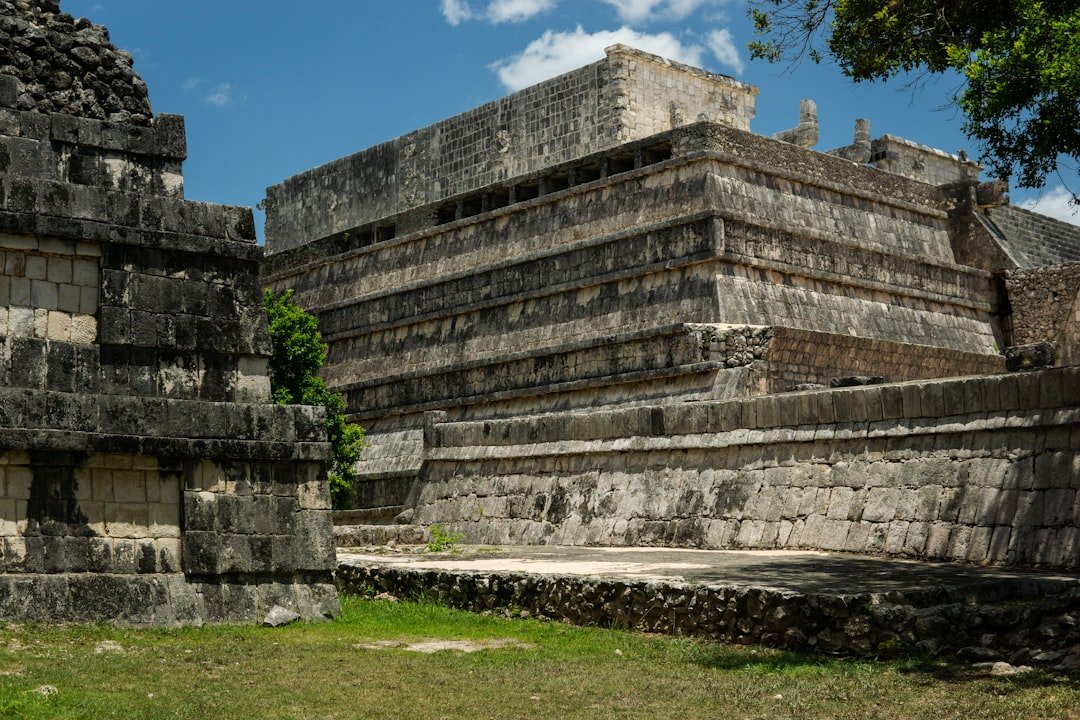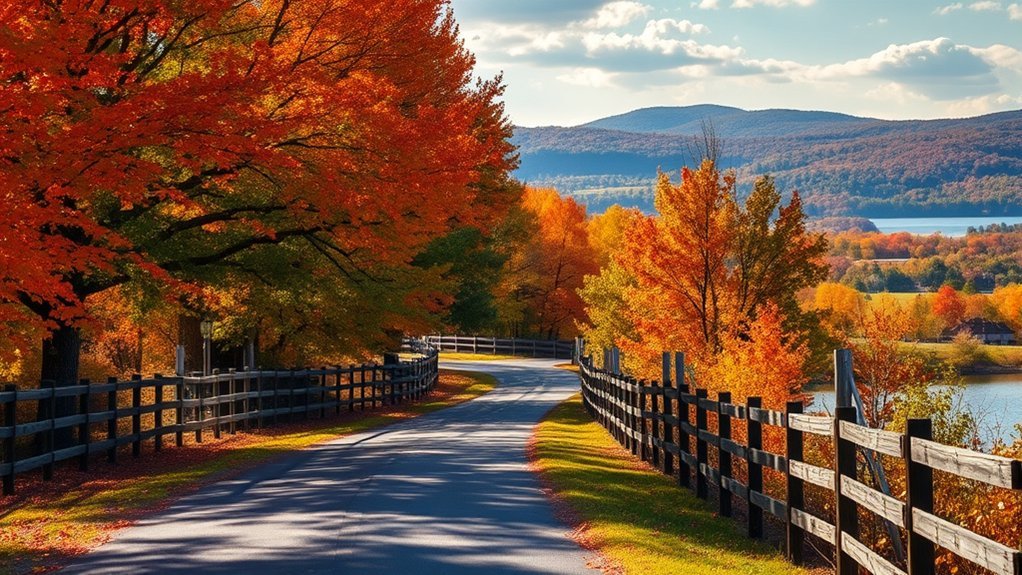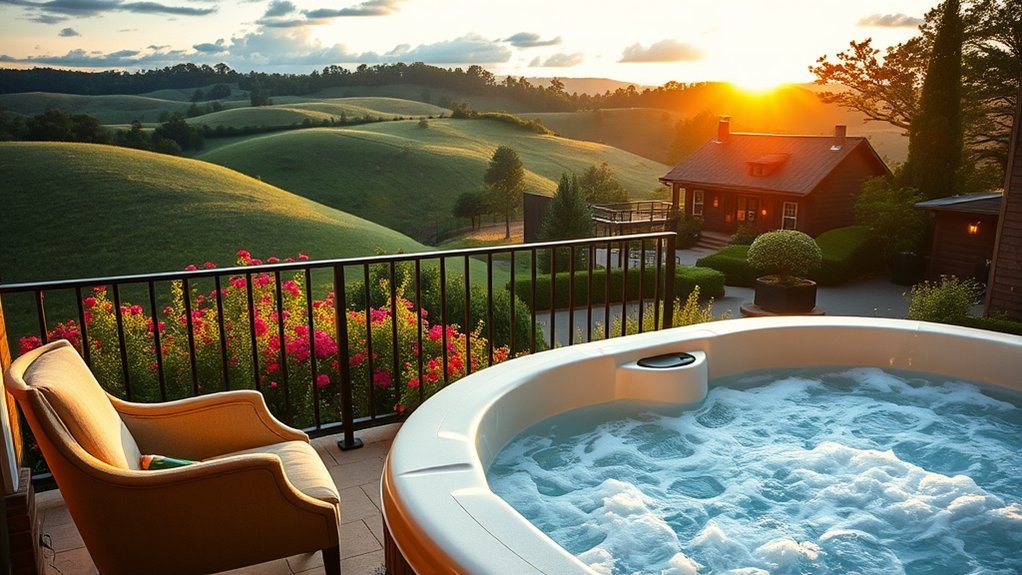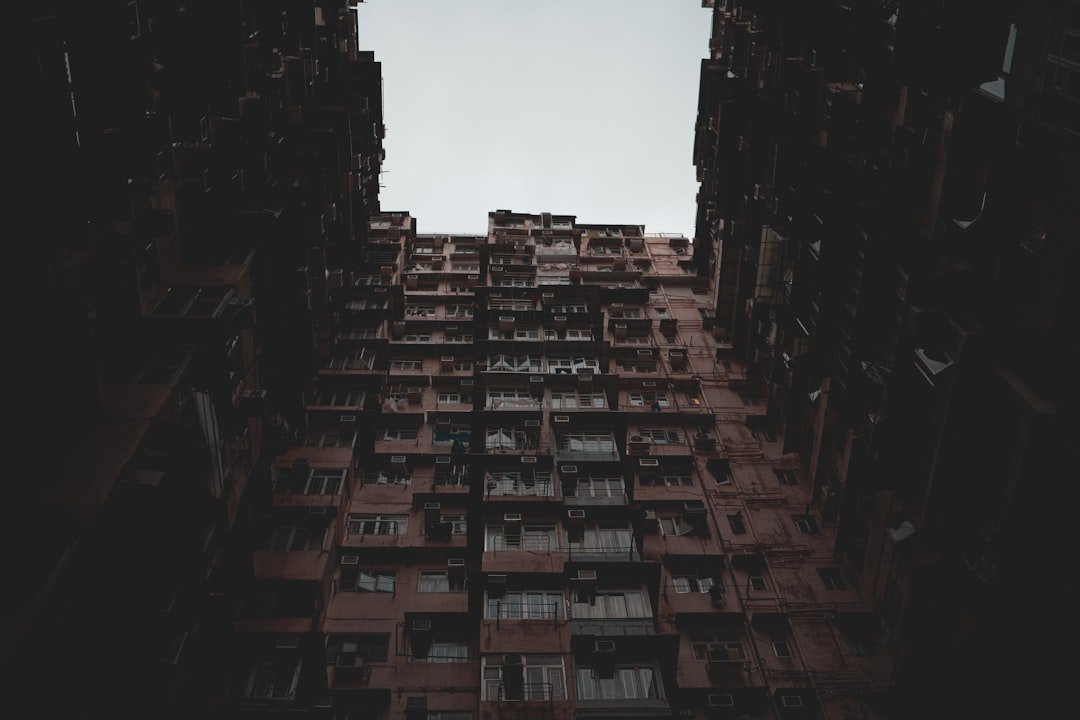
Alabama offers far more variety for photographers than its beach reputation suggests. In one trip, you can frame white Gulf Coast sand, mountain overlooks, waterfalls, historic streets, colorful murals, rockets, gardens, and quiet Mobile Bay sunsets. The best Instagrammable places in Alabama combine a strong visual setting with enough nearby attractions to make the stop worthwhile even after the photos are finished.
Quick Answer
Some of Alabama’s most Instagrammable places include Gulf Shores and Gulf State Park, Little River Canyon, downtown Fairhope, Birmingham’s murals, Huntsville’s space attractions, Oak Mountain State Park, and Cheaha State Park. For more variety, add Noccalula Falls, Birmingham Botanical Gardens, the USS ALABAMA, and Ave Maria Grotto.
Key Takeaways
- Gulf Shores is the strongest choice for white-sand beach, pier, dune, and coastal-nature photography.
- Little River Canyon and Cheaha State Park provide some of Alabama’s most dramatic elevated landscapes.
- Montgomery adds historic architecture and nationally important Civil Rights sites to a photo-focused trip.
- Fairhope works especially well for flower-lined streets, small-town storefronts, the waterfront, and Mobile Bay sunsets.
- Birmingham and Huntsville offer urban images ranging from murals to historic architecture and space hardware.
- Always follow barriers, wildlife rules, property restrictions, and current park conditions rather than taking risks for a photograph.
Gulf Shores and Gulf State Park: Beaches, Dunes, and Coastal Views
Gulf Shores is one of Alabama’s easiest places to build a varied photo gallery in a short visit. The broad Gulf Coast beaches provide simple compositions with white sand, open water, footprints, beach grass, and colorful skies. Early morning usually gives you softer light and fewer people, while late afternoon can produce warmer tones before sunset.
The natural setting continues inside Gulf State Park. Alabama State Parks says its Hugh S. Branyon Backcountry Trail system extends for more than 28 miles through the park’s 6,150 acres. Boardwalks, lakes, wooded sections, marshes, and coastal vegetation make it possible to photograph much more than the beach during the same visit.
The Gulf State Park Fishing and Education Pier adds long leading lines over the Gulf and an elevated view of the coastline. Anglers also use the pier, so photographers should stay clear of active fishing areas and equipment.
Pro Tip: For cleaner Gulf Shores beach photos, arrive near sunrise and use dunes or beach grass only from established paths and boardwalks. Gulf State Park also advises visitors to keep their distance from wildlife, including alligators and snakes.
Montgomery: Historic Architecture and Civil Rights Landmarks
Montgomery, Alabama’s capital, offers a very different visual story. The city played a central role in the modern Civil Rights Movement, and several nationally significant sites sit within a relatively compact part of downtown.
Dexter Avenue King Memorial Baptist Church is closely associated with Dr. Martin Luther King Jr., who served as pastor there. Nearby, the Civil Rights Memorial and its visitor center provide a place to learn about people who were killed during the struggle for civil rights. These are places of remembrance as well as visitor attractions, so quiet, respectful photography is appropriate.
The Alabama State Capitol is another strong architectural subject. The present building dates to 1851 and is Greek Revival in style. Its columns, steps, dome, and long view along Dexter Avenue work particularly well for symmetrical compositions.
The First White House of the Confederacy and Montgomery’s historic residential areas add another layer of 19th-century architecture. When photographing homes, stay on public sidewalks and avoid treating private property as a photo set.
Little River Canyon: Alabama’s Dramatic Canyon Views

Little River Canyon National Preserve protects one of Alabama’s most dramatic landscapes. The canyon is cut into the top of Lookout Mountain, and the National Park Service says some sections exceed 600 feet in depth. Sandstone cliffs, forested slopes, the river, waterfalls, and changing seasonal color give photographers several distinct looks.
Canyon Rim Parkway is one of the easiest ways to photograph the landscape. The scenic road connects a series of overlooks, allowing visitors to work with wide canyon views without making a long backcountry hike. Little River Falls is another recognizable subject, especially when water levels are strong.
Hiking can lead to additional viewpoints, but conditions around rock edges and waterfalls require more care than the scenery may suggest. Wet stone can be extremely slippery, and water levels can change quickly after rain.
Warning: Do not cross barriers or approach dangerous cliff and waterfall edges for a photo. National Park Service rules restrict visitors from being within 50 feet of the edge of Little River Falls except on designated walkways and limited authorized exceptions. River paddling also ranges from Class III above the falls to Class IV, V, and VI sections below the falls; the lower river is for highly skilled paddlers, not casual sightseeing.
Fairhope: Flower-Lined Streets and Mobile Bay Sunsets
Fairhope sits on the eastern shore of Mobile Bay and combines a walkable downtown with landscaped streets, storefronts, public spaces, and waterfront views. The city’s horticulture program maintains downtown plantings and adds new floral displays throughout the year, giving repeat visitors different foregrounds and colors to photograph.
| Street | Good Photo Subjects | Suggested Light | Photo Approach |
|---|---|---|---|
| Section Street | Downtown storefronts, landscaping, and street details | Morning | Use flowers or street trees as foreground elements. |
| Fairhope Avenue | Downtown streetscape, seasonal flowers, and the route toward Mobile Bay | Late afternoon | Look for long street perspectives and warm side light. |
| De La Mare Avenue | Compact storefront scenes, signs, and café details | Morning or early evening | Use tighter compositions instead of trying to photograph the entire street. |
The City of Fairhope also highlights its waterfront park and quarter-mile pier. The pier is a natural sunset location because it provides open views across Mobile Bay as well as strong leading lines toward the water.
Fairhope’s arts identity adds seasonal opportunities. The annual Arts and Crafts Festival brings artists and visitors into downtown, while parks and the waterfront work better when you want a calmer background.
Birmingham: Murals, Gardens, and Urban Color
Birmingham’s public art gives photographers a way to build an urban gallery without relying only on traditional landmarks. Murals range from abstract color to community history, portraits, and storytelling, and the artwork itself can change as new projects appear.
Downtown visitors can use the Downtown BHM Walkable Mural Trail as a starting point rather than searching randomly for walls. Birmingham has also expanded neighborhood public art through projects such as the Smithfield Public Art Walk, which combines large-scale murals with storytelling installations and other public art.
For mural portraits, avoid standing in traffic or blocking entrances. A wider composition that includes the building and surrounding streetscape can also preserve more of the artwork’s neighborhood context.
Birmingham Botanical Gardens offers a softer contrast to the mural scene. Its garden spaces, paths, plants, and seasonal color make it useful when you want nature photographs without leaving the city.
Huntsville: Space-Age Icons and Historic Architecture
Huntsville’s “Rocket City” identity gives it one of the most recognizable visual themes in Alabama. The U.S. Space & Rocket Center is the official NASA Visitor Center for Marshall Space Flight Center and displays more than 1,500 space-related items. Its rockets and large aerospace hardware provide dramatic vertical subjects that look very different from Alabama’s beaches and mountain landscapes.
Historic Huntsville provides the contrast. The Twickenham Historic District contains homes representing architectural styles that include Federal, Greek Revival, Gothic Revival, Italianate, and later designs. Wide streetscape views can show how these buildings relate to one another, while details such as columns, porches, doors, and ironwork work well for tighter compositions.
Campus No. 805 adds another type of architecture through adaptive reuse. The former school campus has been repurposed for breweries, dining, entertainment, and gathering spaces, making it useful for visitors interested in photographing how older structures can take on a new life.
Oak Mountain State Park: Lakes, Trails, and Forest Views
Oak Mountain State Park is Alabama’s largest state park. According to Alabama State Parks, it now covers 11,861 acres and contains more than 100 miles of trails. That scale gives photographers options ranging from forests and rocky trails to lakes, waterfalls, beaches, and wildlife-related subjects.
Double Oak Lake is one of the easiest water settings for day visitors. The Lake Trail circles the lake and offers changing viewpoints through the trees. Peavine Falls can provide another strong landscape subject when water conditions cooperate, although visitors should stay on established routes and expect natural surfaces.
Lake Tranquility is peaceful, but it should not be presented as a general day-use fishing stop. Official park fishing information says the lake is in the cabin area and is reserved for cabin guests. Double Oak, Lunker, and Beaver lakes are public-access alternatives within the main park.
Bird photographers can also visit the Tree Top Nature Trail near the Alabama Wildlife Center, where resident birds that cannot be returned to the wild may be viewed from the elevated boardwalk.
Cheaha State Park: Alabama’s Highest Views
Cheaha State Park contains Alabama’s highest point at 2,407 feet above sea level. The official park site also identifies Cheaha as Alabama’s oldest state park, established in 1933.
The mountain setting combines rock, wind-shaped trees, forest, and long views into the surrounding Talladega National Forest. Wide-angle scenes work well when the horizon is clear, while mist or low clouds can create a completely different mood.
Cheaha also connects visitors with hiking opportunities ranging from easier viewpoints to rugged trails. The nearby Pinhoti Trail and the broader Talladega National Forest expand the possibilities for experienced hikers, but trail difficulty should be checked before setting out with camera equipment.
Note: Mountain visibility, waterfall flow, park hours, road conditions, and temporary closures can change. Check the official destination page shortly before your visit rather than planning a photograph around an old social-media post.
More Instagrammable Places in Alabama Worth Adding
The main destinations above provide a strong starting route, but Alabama has several other recognizable photo locations that can easily fit into a longer itinerary.
- Noccalula Falls Park, Gadsden: A major waterfall setting with surrounding park scenery and trails.
- Vulcan Park and Museum, Birmingham: A recognizable Birmingham landmark with elevated views of the city.
- Birmingham Botanical Gardens: Garden rooms, paths, flowers, foliage, and seasonal color within a 67-acre urban garden.
- USS ALABAMA Battleship Memorial Park: Large-scale military vessels and waterfront views create very different compositions from Alabama’s natural attractions.
- Ave Maria Grotto, Cullman: A landscaped setting filled with miniature architectural works created by Benedictine monk Brother Joseph Zoettl.
- Fort Morgan: Historic masonry, arches, tunnels, and coastal surroundings make the fort useful for architecture and history-focused images.
- DeSoto State Park: Waterfalls, forest, rock formations, and seasonal foliage make the park especially appealing to landscape photographers.
- Bankhead National Forest: Forest roads, streams, rock shelters, waterfalls, and wooded trails offer a quieter alternative to Alabama’s better-known scenic stops.
How to Get Better Alabama Travel Photos Responsibly
Good travel photography is usually more about timing and position than expensive equipment. A few simple habits can improve the photographs while also protecting the places being photographed.
- Use early and late light: Sunrise and late afternoon generally create softer shadows than the middle of the day.
- Check the direction of the light: A scene that looks flat at noon may have strong texture when the light comes from the side.
- Use natural foregrounds: Flowers, railings, tree branches, rocks, paths, and shoreline curves can add depth without moving anything in the landscape.
- Stay behind barriers: No photograph is worth stepping onto an unstable cliff edge, waterfall lip, roadway, or closed trail.
- Give wildlife room: Use distance or a longer lens rather than moving closer to animals.
- Respect homes and businesses: Photograph historic neighborhoods from public areas unless you have permission to enter private property.
- Check rules for organized shoots: Casual visitor photography and commercial, portrait, wedding, or large-group photography may be treated differently by individual parks and attractions.
The strongest Alabama photo itinerary mixes environments: Gulf Coast beaches, mountain scenery, historic architecture, murals, gardens, and one or two unusual landmarks instead of photographing the same type of setting all day.
If colorful food and unusual visual subjects are also part of your travel interests, you can explore this site’s guide to Asian melon for another photography-friendly subject beyond Alabama’s landscapes and landmarks.
Frequently Asked Questions
What are some Instagrammable places in Alabama?
Strong choices include Gulf State Park and the Gulf Shores beaches, Little River Canyon National Preserve, Fairhope’s downtown and waterfront, Birmingham’s murals and botanical gardens, Huntsville’s U.S. Space & Rocket Center, Oak Mountain State Park, Cheaha State Park, Noccalula Falls, and USS ALABAMA Battleship Memorial Park.
Are there famous Alabama landmarks that are popular for photos?
Yes. Popular landmark subjects include Vulcan Park and Museum, Noccalula Falls, the Alabama Theatre, the Alabama State Capitol, the U.S. Space & Rocket Center, USS ALABAMA Battleship Memorial Park, and historic sites around Mobile Bay.
What natural attractions in Alabama are best for photos?
The Gulf Coast beaches, Little River Canyon, DeSoto State Park, Cheaha State Park, Oak Mountain State Park, and Bankhead National Forest all provide strong natural scenery. The best choice depends on whether you want beach, waterfall, canyon, lake, mountain, or forest photographs.
Are there unusual or off-the-beaten-path Instagrammable places in Alabama?
Yes. Ave Maria Grotto in Cullman, the Unclaimed Baggage Center in Scottsboro, Tinglewood Carvings at Orr Park in Montevallo, neighborhood murals in Birmingham, historic forts, and smaller waterfall or forest stops can give you photographs that look different from standard Alabama beach images.
What is the best time of day to photograph Alabama attractions?
Early morning and late afternoon are generally the easiest times for softer outdoor light. Sunrise works especially well on beaches and at busy outdoor locations, while late afternoon and sunset are useful around Mobile Bay. Forests, waterfalls, museums, and murals can photograph well at other times depending on shade, weather, and opening hours.
Do I need a permit to take photos at these Alabama locations?
Rules vary by property and the type of photography. Ordinary visitor snapshots may fall under normal visitor rules, while commercial work, organized portrait sessions, weddings, large groups, special equipment, or activities that use reserved space may require advance permission or a permit. Check the official site for the specific park or attraction before arranging a formal shoot.
Sources
- Alabama State Parks — Gulf State Park Trails — park acreage, trail mileage, ecosystems, and wildlife guidance.
- National Park Service — Little River Canyon National Preserve — canyon geography, landscape, river, and recreation.
- City of Fairhope — Horticulture & Landscape — downtown landscaping and seasonal floral displays.
- U.S. Space & Rocket Center — Huntsville space-history exhibits and NASA Visitor Center status.
- Alabama State Parks — Oak Mountain State Park — current acreage, trails, lakes, and recreation.
- Alabama State Parks — Cheaha State Park — Alabama’s highest-point elevation, park history, and visitor information.