The Geneva to Zermatt train journey is one of the easiest ways to move from western Switzerland into the high Alps. Most travelers leave from Genève (Geneva Cornavin) or Genève-Aéroport, travel east through the Lake Geneva and Rhône Valley region, then change at Visp to the Matterhorn Gotthard Bahn for the final climb to car-free Zermatt. Plan on roughly four hours for the complete trip, depending on your starting station and connection.
Quick Answer
The Geneva to Zermatt train trip takes about four hours from Geneva Airport and normally requires one easy change at Visp. Ride through western Switzerland to Visp, then transfer to the Matterhorn Gotthard Bahn for Zermatt. Buy through SBB, choose first or second class, and check the live timetable before travel.
Key Takeaways
- A typical Geneva to Zermatt journey requires a transfer at Visp from a mainline train to the Matterhorn Gotthard Bahn.
- Regular Swiss trains use first and second class. There is no separate Business Class for this journey, although some first-class coaches have business zones.
- Point-to-Point, Supersaver, Saver Day Pass, Swiss Travel Pass, and Swiss Half Fare Card options can all be worth comparing before you buy.
- Seat reservations are not normally required. On eligible Swiss InterCity trains, an optional reservation can be useful during busy periods or when a family wants to sit together.
- Zermatt is car-free. Once you arrive, most village travel is on foot, by e-bus, e-taxi, or hotel transfer, while separate mountain railways and cableways serve the surrounding peaks.
Overview of the Scenic Journey
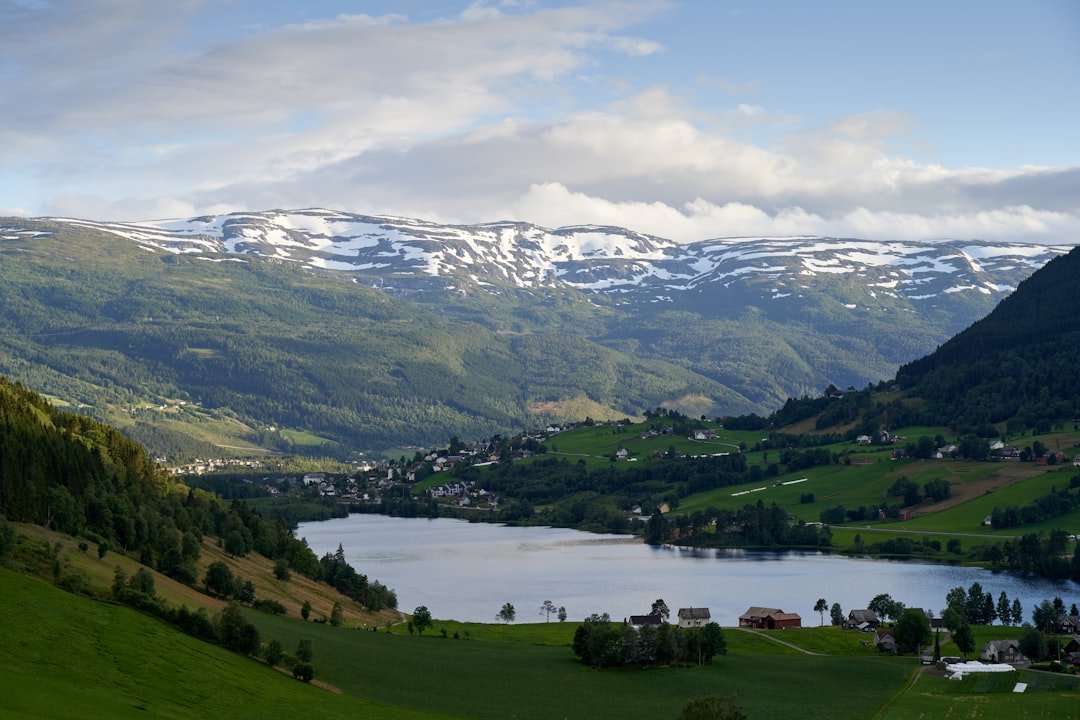
The scenery changes noticeably as you travel from Geneva toward Zermatt. The first part of the journey follows the Lake Geneva region, where you can see water, vineyards, towns, and the lower slopes of the Alps. After Lausanne and the eastern end of the lake, the route continues into the Rhône Valley toward Valais.
As you move farther east, the landscape becomes more alpine. Vineyards and broad valley views eventually give way to steeper mountains around Visp. At Visp, you transfer to the Matterhorn Gotthard Bahn, which continues up the Matter Valley toward Zermatt.
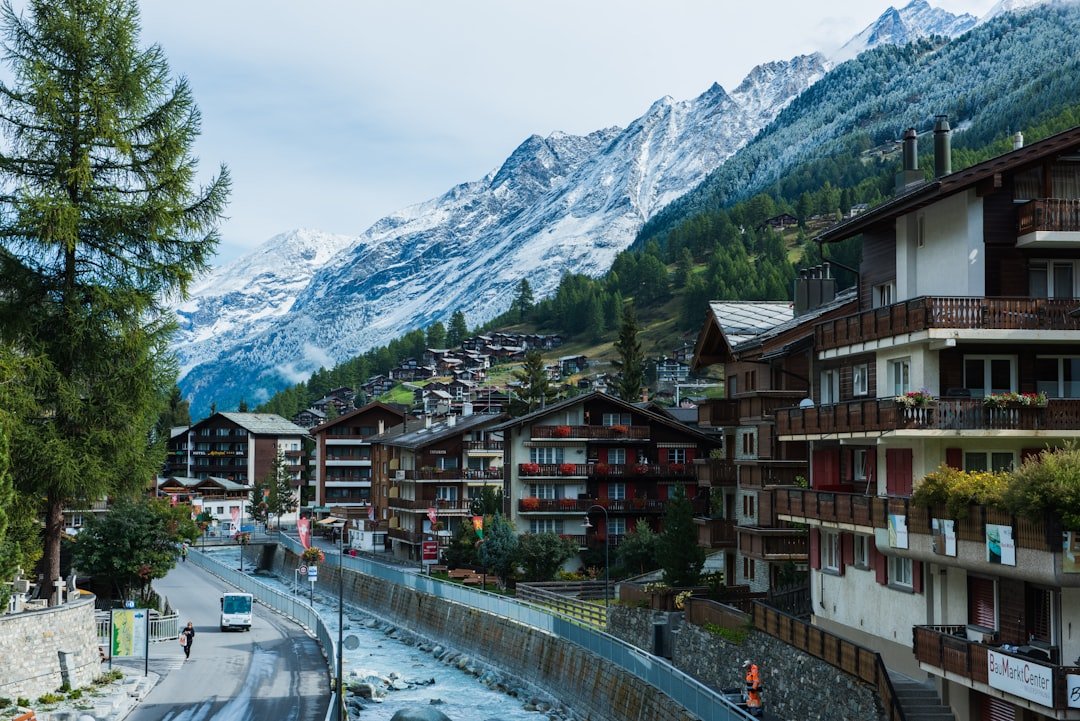
The Visp to Zermatt segment feels different from the mainline portion of the trip. The railway follows a narrower mountain valley and passes communities such as St. Niklaus, Randa, and Täsch before reaching Zermatt. Do not expect a continuous Matterhorn view for the whole trip. The mountain becomes part of the experience as you approach and explore Zermatt rather than appearing beside the train for several hours.
Typical Geneva to Zermatt Route
| Stage | What to Expect |
|---|---|
| Geneva / Geneva Airport | Board your mainline Swiss train. If you are already in central Geneva, Genève station, commonly called Geneva Cornavin, is the usual starting point. |
| Lake Geneva and Valais | Travel through the Lake Geneva region and east into the Rhône Valley. Exact stopping patterns depend on the connection. |
| Visp | Change trains for the Matterhorn Gotthard Bahn. Follow the platform information shown in the SBB app and station displays. |
| Zermatt | Arrive in the center of the car-free village, close to local e-taxis, e-buses, hotels, and the Gornergrat Railway station. |
Pro Tip: Use the official SBB timetable for the complete Geneva to Zermatt journey rather than booking the Geneva-Visp and Visp-Zermatt segments separately. A through itinerary makes the transfer and ticket validity easier to understand.
Booking and Ticketing Information
The simplest place to check the journey and buy a ticket is the official SBB website or SBB Mobile app. Enter your exact departure station, destination, date, and preferred time. The timetable will show the connection, transfer station, platforms when available, travel class, and eligible ticket products.
Point-to-Point Tickets
A standard Point-to-Point Ticket is available in first or second class. It is a straightforward choice if you value flexibility and do not want to commit to a specific discounted train.
Supersaver Tickets
SBB Supersaver Tickets can reduce the price by up to 50% when they are available. However, the cheapest Supersaver Ticket is tied to the selected public-transport connection. You cannot simply choose another train because your plans changed. Availability is limited, so these tickets suit travelers with a fixed schedule.
Saver Day Pass
A Saver Day Pass can be useful when the Geneva-Zermatt trip is part of a larger day of public-transport travel. As of August 17, 2026, SBB lists prices starting at CHF 29 with a Half Fare Travelcard and CHF 52 without one. Availability is quota-based and prices can rise, so early booking can matter.
Swiss Travel Pass
Visitors whose permanent residence is outside Switzerland and Liechtenstein can consider the Swiss Travel Pass. It provides broad public-transport coverage for 3, 4, 6, 8, or 15 consecutive travel days, with separate Flex products for selectable travel days. Matterhorn Gotthard Bahn confirms that Swiss Travel Pass products are valid on its railway.
Swiss Half Fare Card
Visitors making several Swiss journeys may also want to compare the Swiss Half Fare Card. As of August 2026, it costs CHF 150 and provides half-price or reduced-price travel for one month on a wide range of Swiss public transport.
Note: A train ticket and a seat reservation are different products. A valid ticket gives you the right to travel. A reservation assigns a specific seat on a train that supports reservations.
Do You Need a Seat Reservation?
No seat reservation is normally required simply to travel from Geneva to Zermatt. SBB currently allows optional seat reservations on eligible InterCity trains within Switzerland for CHF 5 per seat. If your selected train supports reservations, you will see the option in the SBB booking process.
A reservation can be useful during holidays, weekends, or other busy periods, especially when you are traveling with children or want several people seated together. It should not be confused with the mandatory reservations used on certain dedicated panoramic trains.
Tips for Choosing the Right Train Class
| Train Option | Features | Price Level |
|---|---|---|
| First Class | More personal space, generous legroom, 2+1 seating on many trains, adjustable seats on applicable rolling stock, and access to first-class quiet or business zones where offered. | Higher |
| Business Zones | Found in some first-class coaches. This is not a separate Business Class and does not require a third type of Geneva-Zermatt ticket. | Included with the appropriate first-class ticket where available |
| Second Class | Comfortable standard seating and the same route and scenery at a lower fare. Train-specific amenities vary. | Lower |
First class is most useful when you value additional space, expect to work during the trip, have substantial luggage, or simply prefer a quieter environment. SBB describes first-class benefits in terms of space, seating, power availability, and designated quiet or business areas on applicable trains.
First class does not automatically mean complimentary meals, refreshments, lounge access, or airline-style priority boarding on an ordinary Geneva to Zermatt itinerary. Catering, where available, is a separate onboard service.
Second class remains a comfortable choice for most travelers, and you see the same Swiss scenery regardless of the class printed on your ticket.
If you are traveling as a family or group, compare the cost of moving everyone to first class with the much smaller cost of reserving seats on an eligible InterCity segment. The less expensive option may solve the actual problem, which is sitting together.
Onboard Amenities and Services
Amenities vary by the exact train used for each part of the journey, so avoid assuming that every service shown on one train will also exist after the transfer at Visp.
Seating and Power
SBB long-distance trains generally provide comfortable seating, and many modern trains have power sockets. First class has additional space, but socket locations and carriage layouts vary by train type. Check the symbols and train details in the SBB timetable if charging access is important to you.
Internet Access
Internet access on domestic SBB long-distance trains is not best described as universal onboard Wi-Fi. SBB offers SBB FreeSurf on its long-distance trains, using supported mobile connectivity through the FreeSurf app. Availability and requirements differ from conventional Wi-Fi and should not be assumed on every regional train after Visp.
Restrooms
Long-distance trains used on the first part of the trip normally provide onboard toilets. Facilities can differ by rolling stock, so passengers with specific accessibility requirements should inspect the detailed connection information before traveling.
Food and Drink
SBB Restaurants and Bistros are available on many InterCity and EuroCity trains, but not every train on the Geneva to Zermatt itinerary has a dining car. The SBB timetable shows a restaurant or bistro symbol when the service is available.
Note: Check your exact train in SBB Mobile instead of choosing a connection solely because you expect Wi-Fi, a restaurant, or a particular power-socket layout.
Must-See Stops Along the Route
If your schedule allows, several places along the broader Geneva-Zermatt corridor can become worthwhile stopovers. They should be treated as optional additions rather than required parts of the normal journey.
Montreux
Montreux sits on Lake Geneva and is known for its lakeside setting, cultural events, and convenient access to Chillon Castle. It can make sense as a separate stop if you are not trying to reach Zermatt as quickly as possible.
Brig
Brig is another Valais town with a historic center and the Stockalper Palace. Some rail itineraries pass through or terminate in Brig, but the standard convenient transfer for Zermatt travelers is usually Visp.
Visp
Visp matters primarily because it is the normal transfer point. From the mainline platforms, follow signs for your Matterhorn Gotthard Bahn departure to Zermatt. Do not leave the station for sightseeing if your itinerary gives you only a short connection.
Täsch
Täsch is the road gateway for people arriving by car because Zermatt itself is car-free. Drivers normally park in Täsch and continue to Zermatt by shuttle train or authorized taxi. If you are already traveling from Geneva entirely by rail, there is normally no reason to end your journey at Täsch unless your accommodation or plans specifically require it.
Saas-Fee
Saas-Fee is an attractive mountain destination in the wider region, but it is not a quick station stop on the Geneva-Zermatt railway. Visiting it requires a separate side trip and is better planned as its own excursion rather than squeezed into a short Visp transfer.
Where to Sit for the Best Views
On the early part of the eastbound trip, the right-hand side of the train often provides attractive Lake Geneva views. Once you move into Valais and later up the Matter Valley, scenery appears on both sides, and the valley changes direction frequently enough that there is no single perfect seat for the entire journey.
If photography is important, prioritize a clean window and a seat that is not directly beside a large window pillar. You may also find reflections less troublesome when the inside of the carriage is darker than the landscape outside.
Pro Tip: Do not stress about finding a “Matterhorn side” for the complete journey. The final mountain valley twists, and some of Zermatt’s best Matterhorn views come after you leave the train.
Dining Options on the Train
Food service depends on the mainline train you choose. On an eligible SBB InterCity or EuroCity service with a restaurant or bistro symbol, you can buy drinks, snacks, or meals from the onboard catering service. Other connections may have no onboard food sales at all.
You are also welcome to bring your own food. A sandwich, fruit, pastry, cheese, chocolate, and refillable water bottle make an easy train meal. Pack anything strongly scented or messy with consideration for nearby passengers.
If you prefer preparing food before departure, a simple homemade option can also work as part of a packed meal. For example, this homemade cottage cheese recipe can be prepared in advance, but use a sealed container and keep perishable food properly chilled until you eat it.
Once you arrive in Zermatt, you will find restaurants serving Swiss and Valais specialties as well as international food. Fondue and raclette are popular options, but there is no need to depend on the train itself for your main meal.
Activities and Excursions in Zermatt
Zermatt offers far more than a train-station arrival and a photograph of the Matterhorn. Mountain railways, cableways, hiking routes, skiing, museums, and viewpoints can easily fill several days.
Matterhorn Glacier Paradise
The Matterhorn Glacier Paradise is located at 3,883 meters and has Europe’s highest mountain station. The summit area includes panoramic viewpoints and glacier attractions, subject to weather and operating conditions.
Warning: Matterhorn Glacier Paradise is at very high altitude. Weather can change quickly, and some visitors may feel unwell at elevation. Wear suitable clothing, follow operator guidance, and descend if you develop significant symptoms.
Gornergrat Railway
The Gornergrat Railway climbs from Zermatt to roughly 3,100 meters and provides extensive Matterhorn and glacier views. The normal ascent takes about 33 minutes, and intermediate stations can be useful for hiking or photography.
Museums and Village Walks
If you prefer culture to high-altitude excursions, Zermatt’s village center and Matterhorn Museum provide context on local life and mountaineering history, including the story surrounding the first ascent of the Matterhorn.
Hiking, Mountain Biking, and Winter Sports
In summer, the surrounding area offers hiking and mountain-biking routes ranging from easy walks to demanding alpine terrain. Winter brings skiing and snowboarding. Always check trail, lift, weather, and snow conditions before setting out, particularly for high mountain routes.
Accommodation Options in Zermatt
Zermatt has accommodation across a wide price range, including hostels, guesthouses, apartments, chalets, traditional hotels, and luxury properties. The official Zermatt Tourism accommodation directory is a useful starting point because it lets you compare properties within the actual Zermatt destination.
For a genuine luxury Zermatt example, the Grand Hotel Zermatterhof is a centrally located five-star hotel. Travelers seeking a lower price can compare smaller hotels, guesthouses, hostels, or holiday apartments, particularly when staying several nights or traveling as a family.
The Chedi Andermatt should not be listed as a Zermatt accommodation. Despite appearing in some general Swiss Alps travel discussions, The Chedi is located in Andermatt, a different Swiss mountain destination.
When choosing accommodation, consider more than the nightly rate. Check the walking distance from Zermatt station, whether the hotel provides an electric station transfer, access to the mountain lift you plan to use, breakfast, luggage storage, and cancellation conditions.
Transportation Options from Zermatt to Surrounding Areas
Zermatt’s car-free policy is one of the features that gives the village its distinctive atmosphere. Private visitors cannot simply drive through town in a normal car, so transportation is organized differently from most resorts.
Walking
Many central hotels, restaurants, shops, and attractions are within walking distance of Zermatt station. For many visitors, walking is the simplest way to move around the village.
E-Buses
Zermatt operates free electric bus services on local village routes. These buses are useful for reaching different parts of town, but they are not replacements for the mountain railway and cableway systems.
E-Taxis and Hotel Transfers
Electric taxis and hotel vehicles provide another option for luggage, hotel transfers, and trips within the village. Your accommodation may offer pickup from Zermatt station, so check before paying separately for a taxi.
Zermatt to Täsch
Täsch is connected to Zermatt by the Matterhorn Gotthard Bahn. The dedicated shuttle journey takes about 12 minutes and normally runs frequently throughout the day. Drivers use Täsch as the main parking and transfer point before continuing into car-free Zermatt.
Zermatt to Gornergrat
Use the Gornergrat Railway rather than a local e-bus or taxi. Its station is close to the main Zermatt railway station and provides direct mountain access to the Gornergrat area.
Zermatt to Furi and Schwarzsee
Furi and Schwarzsee are reached through Zermatt’s mountain-lift network rather than by an ordinary regional train from Zermatt station. Check the official Zermatt Bergbahnen operating information because lift schedules can change by season and weather conditions.
Cycling
Bicycle and mountain-bike rentals are available in the destination, and the Matterhorn Gotthard Bahn has specific bike-transport rules and tickets. Check whether your chosen train and mountain lift accepts bikes before arriving with one, particularly during busy summer periods.
Luggage, Families, and Accessibility
Swiss trains are designed for everyday passenger travel, but a four-hour trip is easier when you avoid unnecessary luggage. Keep valuables and travel documents with you, and place larger cases in the designated storage areas rather than blocking aisles or doors.
If you are traveling with children, allow enough time for the Visp transfer and consider reserving seats on an eligible InterCity train if sitting together is important. Families carrying strollers should also avoid making a very tight connection when an alternative itinerary provides more breathing room.
Travelers with reduced mobility should use the accessibility information in the SBB timetable and, when necessary, arrange assistance before travel. Rolling stock and boarding arrangements can vary between the mainline SBB portion and the Matterhorn Gotthard Bahn portion.
Check the Timetable Before Travel
Swiss rail timetables are reliable planning tools, but construction work, disruptions, seasonal changes, and special operating conditions can still affect a journey. Check your connection again shortly before departure in the SBB app or on SBB.ch.
This is especially important if your trip connects directly to a hotel transfer, mountain railway, cable car, restaurant booking, or other timed activity in Zermatt. Mountain services can also close because of wind, maintenance, snow, or seasonal operating schedules even when the main Geneva-Zermatt railway is running normally.
Conclusion and Final Tips for a Memorable Geneva to Zermatt Train Journey
The Geneva to Zermatt train is both practical transportation and an enjoyable introduction to the Swiss Alps. The most important planning detail is simple: expect a transfer at Visp, where you change from the mainline railway to the Matterhorn Gotthard Bahn for the final journey into Zermatt.
Choose your ticket according to how much flexibility you need. A Point-to-Point Ticket is simple, a Supersaver Ticket can cost less when your plans are fixed, and passes such as the Saver Day Pass, Swiss Travel Pass, or Swiss Half Fare Card may make sense when Zermatt is only one part of a larger Swiss itinerary.
First class provides extra space, but second class is comfortable for most travelers and offers exactly the same mountain scenery. Bring food if your selected train has no catering, check connectivity rather than assuming Wi-Fi, keep enough time for your Visp transfer, and check the live timetable before departure.
After arriving, remember that Zermatt is car-free. Walk, use the local e-bus or e-taxi network, and switch to the appropriate mountain railway or cableway when heading to places such as Gornergrat, Furi, Schwarzsee, or Matterhorn Glacier Paradise. With those details organized, the journey becomes straightforward and the scenery can take center stage.
Frequently Asked Questions
What is the train route from Geneva to Zermatt?
A typical journey travels from Geneva or Geneva Airport through western Switzerland and the Rhône Valley to Visp. At Visp, you change to the Matterhorn Gotthard Bahn for the final journey through the Matter Valley to Zermatt.
How long does the train journey from Geneva to Zermatt take?
Allow roughly four hours for a typical journey, particularly when starting at Geneva Airport. The exact time depends on your departure station, connection, transfer time at Visp, and any temporary timetable changes.
What are the ticket prices for the train from Geneva to Zermatt?
The price depends on travel class, discount cards, and the ticket product you choose. Check the live fare in SBB for your date. As of August 2026, Saver Day Passes start at CHF 29 with a Half Fare Travelcard and CHF 52 without one, while Supersaver Tickets may offer discounts of up to 50% when available.
Are there any direct trains from Geneva to Zermatt?
The normal journey is not one single through train. Travelers generally change at Visp from the mainline service to the Matterhorn Gotthard Bahn for Zermatt.
What are the train schedules for the Geneva to Zermatt route?
Schedules vary by date and can change because of engineering work or disruptions. Use SBB.ch or SBB Mobile immediately before travel to see the current departure time, Visp transfer, platform information, and arrival time.
What amenities are available on the trains from Geneva to Zermatt?
Amenities depend on the specific train. SBB long-distance services can include power sockets, FreeSurf internet access, toilets, and a restaurant or bistro on selected trains. Do not assume that the regional Matterhorn Gotthard Bahn segment has exactly the same facilities.
Do I need to reserve a seat from Geneva to Zermatt?
A reservation is not normally required. On eligible Swiss InterCity trains, SBB offers optional seat reservations, currently CHF 5 per seat. They can be useful for families, groups, or busy travel days.
Is the Swiss Travel Pass valid from Visp to Zermatt?
Yes. Matterhorn Gotthard Bahn states that Swiss Travel Pass products are valid on its railway. Mountain excursions such as Gornergrat or Matterhorn Glacier Paradise have their own ticket and discount rules, so check those separately.
Sources
- SBB Point-to-Point Tickets — ticket classes, purchase, and standard Swiss rail ticket information.
- SBB Seat Reservations — optional Swiss InterCity seat-reservation rules and current reservation price.
- SBB Comfort and Classes — current first-class comfort features and onboard-service guidance.
- Zermatt Tourism: Arrival and Getting Around — car-free Zermatt, Visp connection, Täsch shuttle, and local transport.
- Matterhorn Gotthard Bahn Timetable — current rail information for the regional journey to Zermatt.
- Zermatt Bergbahnen: Matterhorn Glacier Paradise — official altitude, mountain-station, and excursion information.