Last updated: August 22, 2026
By: [VERIFY: add real author/byline]
St. Gallen is worth visiting for its UNESCO-listed Abbey District, compact Old Town, textile heritage, museums, local food, and easy access to green spaces such as Drei Weieren. The best things to do in St Gallen include seeing the Abbey Library and cathedral, walking past the Old Town’s decorated oriel windows, visiting the Textile Museum, and heading above the center for views over the city. One full day is enough for the main central sights, while two days give you more time for museums, nature, or an excursion toward Lake Constance or Appenzell. This guide covers the essential attractions, food, events, outdoor activities, and practical planning details for a St. Gallen trip.
Best Things to Do in St Gallen at a Glance
| Place or Experience | Why Go | Best For |
|---|---|---|
| Abbey District of St Gall | See the UNESCO World Heritage complex, cathedral, and famous Abbey Library. | History and architecture |
| St. Gallen Old Town | Walk the historic center and look for its richly decorated oriel windows. | First-time visitors |
| Textile Museum | Learn how embroidery and textile production shaped St. Gallen’s international reputation. | Design and fashion |
| Drei Weieren | Enjoy walking, city views, green space, and seasonal swimming. | Nature and families |
| Kunstmuseum and Stadtpark | Combine an art visit with a relaxed break in the city park. | Art and slower itineraries |
| Lake Constance region | Add lakeside walking, cycling, swimming, or boating outside the city center. | Day trips and outdoor time |
Key Takeaways
- The Abbey District of St Gall is the city’s essential historical attraction and has been a UNESCO World Heritage Site since 1983.
- St. Gallen’s compact historic center is known for its decorated oriel windows, pedestrian-friendly streets, cathedral, museums, and textile heritage.
- Drei Weieren is one of the easiest ways to combine sightseeing with green space and views without leaving the city.
- St. Galler Bratwurst is a protected regional specialty made with pork, veal, milk, and seasonings and is traditionally eaten without mustard.
- One full day covers the central highlights, while a second day works well for extra museums, Lake Constance, or the Appenzell region.
What Cultural Attractions Should You See in St Gallen?
The cultural centerpiece of St. Gallen is the Abbey of St Gall. UNESCO describes the former monastery as one of Europe’s important historic monastic centers and highlights its cathedral, library, archives, and more than 1,200 years of architectural and cultural development. The Abbey complex was added to the World Heritage List in 1983.
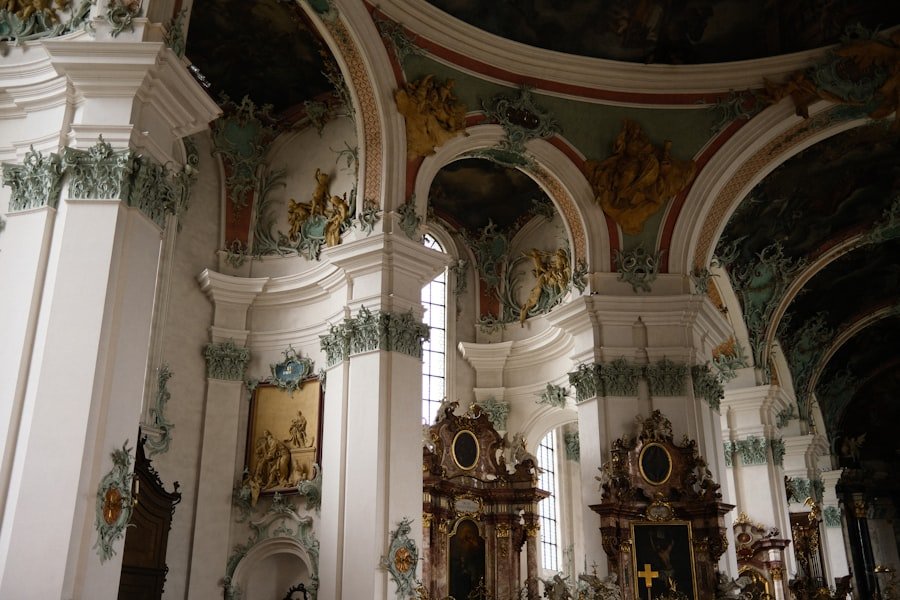
The Abbey Library is the best-known interior in the district. Its Baroque hall combines painted ceilings, ornate woodwork, historic manuscripts, and a collection of about 170,000 books and other documents. Visitors interested in medieval scholarship, architecture, book history, or religious art should put the Abbey District near the beginning of their itinerary.
The surrounding Old Town adds another layer to the visit. Switzerland Tourism highlights its 111 richly decorated oriel windows, which turn an ordinary walk through the center into an architectural scavenger hunt. The historic streets also make it easy to combine the Abbey District with St. Laurenzen Church, Gallusplatz, shops, cafés, and other central sights.
St. Gallen’s textile history is equally important. The Textile Museum documents embroidery, fabrics, design, and the industry that once made St. Gallen textiles internationally famous. The Kunstmuseum St. Gallen is another worthwhile stop, with paintings and sculptures ranging from earlier European art to modern and contemporary works.
Where Can You Enjoy Nature in St Gallen?
You do not need to travel deep into the Alps to add nature to a St. Gallen city break. Drei Weieren, or the Three Ponds, sits above the center and is one of the city’s most useful outdoor stops. The ponds and surrounding paths are popular for walking and relaxing, while the elevated position gives visitors views across St. Gallen and toward Lake Constance.
Stadtpark provides an easier green break close to the museums. For a longer excursion, the Lake Constance region around Rorschach offers lakeside walking, cycling, swimming, and other seasonal activities. St. Gallen also works as a gateway to Appenzellerland and the Alpstein landscape for travelers who want a more substantial hiking day.
Important August 2026 Säntis update: Säntis reaches 2,502 meters, but the Säntis cable car is currently closed while the system is being renewed. The operator states that service is suspended from May until late autumn 2026. The hotel and restaurants at Schwägalp remain open, but travelers planning a summit visit should check the current Säntis operating information before making the trip.
Which Historical Sites in St Gallen Matter Most?
St. Gallen developed around the religious community that followed the 7th-century hermitage associated with Gallus. The Abbey later became a major European center of learning, manuscript production, religious life, and monastic culture. Today, the Abbey District remains the clearest place to understand that history.
The Old Town shows a different side of St. Gallen’s development. Its narrow streets, historic façades, decorated oriel windows, churches, squares, and former merchant buildings reflect the wealth and civic life that grew alongside the monastery. Rather than treating the Old Town as a separate attraction, it makes sense to explore it on foot immediately before or after the Abbey District.
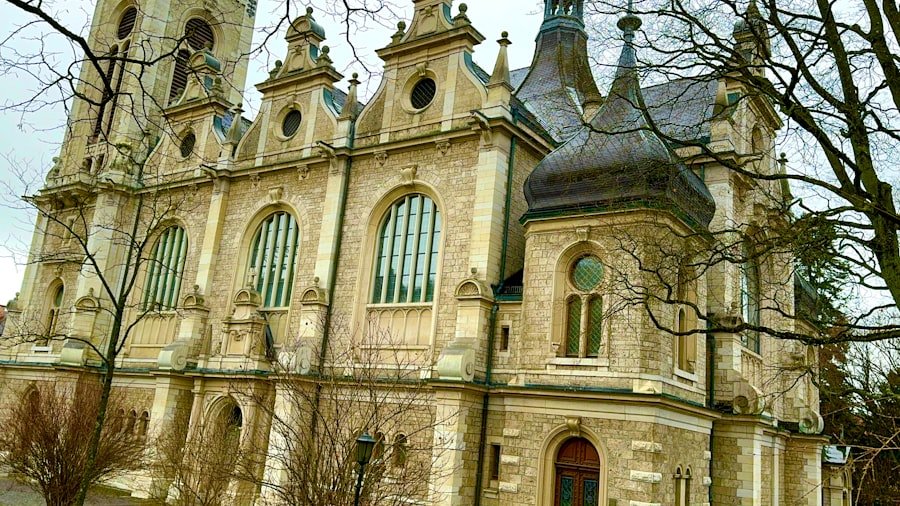
The cathedral is part of the Abbey ensemble and remains an active religious building. Its Baroque architecture and twin towers make it one of the city’s most recognizable landmarks. Nearby St. Laurenzen Church adds another historic religious stop within the same walkable central area.
What Food Is St Gallen Known For?
The signature local food is St. Galler Bratwurst IGP. The protected sausage is made from a mixture of pork and veal along with milk, salt, spices, and other permitted ingredients. It is a white sausage that is normally grilled or roasted. One of the best-known local customs is eating it without mustard, allowing the sausage’s own seasoning to provide the flavor.
Visitors may also encounter rösti, regional cheeses, pastries, and broader Swiss Alpine dishes such as Älplermagronen. Älplermagronen typically combines pasta, potatoes, cream, and cheese and is often served with applesauce, although it is a wider Swiss Alpine specialty rather than something unique to St. Gallen.
For travelers who enjoy food as part of sightseeing, local markets, bakeries, butcher shops, and traditional restaurants can be more useful than trying to fit a formal food experience into a short visit. A St. Galler Bratwurst makes an especially easy addition to a one-day itinerary.
Which Festivals and Events Are Worth Planning Around?
St. Gallen has a busy cultural calendar, but event dates change from year to year. In 2026, the St.Galler Festspiele program ran from June 18 to July 4 with opera, dance, theater, and concerts at venues around the city. OpenAir St.Gallen took place from June 25 to 28, 2026 in Sittertobel, continuing one of the city’s major music-festival traditions.
For autumn visitors, OLMA 2026 is scheduled for October 8 to 18. The large agriculture and food fair combines regional traditions, food, exhibitions, entertainment, and events. It is one of the most distinctive times to experience St. Gallen’s regional culture.
Winter brings seasonal lights, Christmas activities, and markets to the city center. Because festival schedules, locations, and tickets change, check the official event calendar shortly before travel instead of relying on dates from an older guide.
What Outdoor Activities Can You Do in St Gallen?
Walking is the simplest outdoor activity because many of St. Gallen’s central sights are close together. A route through the Abbey District and Old Town can be extended uphill toward Drei Weieren when the weather is good. This creates an easy mix of architecture, local neighborhoods, and open views without requiring a car.
Cycling is another option in and around the city, while the wider St.Gallen-Lake Constance region offers longer recreational routes. Travelers interested in water can head toward Lake Constance for seasonal swimming, lakeside cycling, walks, or boat trips.
For more demanding mountain scenery, use St. Gallen as a base for the Appenzell and Alpstein area. Conditions can change quickly in mountain terrain, so check weather, trail conditions, and transport operations before setting out. The current Säntis cable-car closure is particularly important for travelers visiting in 2026.
How Should You Plan a One-Day St Gallen Itinerary?
- Morning: Start in the Abbey District. See the cathedral and visit the Abbey Library before exploring the surrounding squares.
- Late morning: Walk through the Old Town and look for its decorated oriel windows around the historic center.
- Lunch: Try a St. Galler Bratwurst or another regional dish in the center.
- Early afternoon: Choose the Textile Museum if you are interested in design and local industry, or the Kunstmuseum if art is a higher priority.
- Late afternoon: Head toward Drei Weieren for a walk and views over St. Gallen.
- Evening: Return to the Old Town for dinner, or check whether a theater performance, festival, exhibition, or seasonal event coincides with your visit.
If you have two full days, keep the first day focused on the city and use the second for additional museums, Lake Constance, or an Appenzell excursion. That approach avoids rushing through both the historic center and the surrounding region in a single day.
Practical Tips for Visiting St Gallen
St. Gallen’s central attractions are manageable on foot, while buses and trains make it easy to reach higher neighborhoods and nearby destinations. Travelers staying overnight should ask their accommodation about the Mobility Ticket St.Gallen-Bodensee. When issued by the accommodation provider, it covers public transportation during the stay in OSTWIND tariff zones 210, 211, and 231.
A Swiss Travel Pass can be useful when St. Gallen forms part of a longer Switzerland rail itinerary, but travelers should check the exact coverage of mountain railways, cable cars, and other special transport before assuming every excursion is included.
German is the main written and administrative language, while Swiss German is commonly spoken locally. English is widely useful in the tourism sector, but basic German greetings can still be helpful.
For most first-time visitors, one full sightseeing day is enough for the Abbey District, Old Town, a museum, and Drei Weieren. Stay two nights or longer if you want to use St. Gallen as a base for Appenzell, Lake Constance, or slower museum visits. For seasonal planning, see this guide to the best time to visit St Gallen.
Frequently Asked Questions About St Gallen
Is St Gallen worth visiting?
Yes. St. Gallen is especially worthwhile for travelers interested in history, architecture, museums, and a smaller Swiss city that also provides easy access to nature. The UNESCO Abbey District is the main attraction, while the Old Town, Textile Museum, Drei Weieren, local food, and nearby Appenzell or Lake Constance give the visit enough variety for one or two days.
What is St Gallen famous for?
St. Gallen is best known for the UNESCO-listed Abbey District and its historic Abbey Library. The city is also famous for embroidery and textile production, its decorated Old Town oriel windows, St. Galler Bratwurst, and its position between Lake Constance and the Appenzell and Alpstein region of eastern Switzerland.
How do I spend one day in St Gallen?
Start at the Abbey District and Abbey Library, then walk through the Old Town and look for its decorated oriel windows. Have a St. Galler Bratwurst for lunch, choose either the Textile Museum or Kunstmuseum in the afternoon, and finish with a walk around Drei Weieren before returning to the center for dinner.
How many days do you need in St Gallen?
One full day is enough to see St. Gallen’s central highlights at a comfortable pace. Two days are better if you want to visit several museums, spend more time around Drei Weieren, or enjoy the city without rushing. Add another day if you plan to use St. Gallen as a base for Appenzell or Lake Constance.
Can you visit the Abbey Library in St Gallen?
Yes. The Abbey Library is open to visitors as part of the Abbey District and is one of St. Gallen’s main attractions. Its historic Baroque hall and manuscript collections are the highlights. Opening arrangements can change for holidays, exhibitions, or special events, so check the official Abbey District website for current hours and visitor rules before going.
What can you do in St Gallen for free?
Several worthwhile St. Gallen experiences do not require an admission ticket. You can walk through the historic Old Town, admire its decorated oriel windows, explore public squares, visit green spaces such as Stadtpark, and walk around Drei Weieren. The cathedral can also be viewed as an active religious site, although visitors should respect services and any access restrictions.
Is St Gallen Worth Adding to Your Switzerland Itinerary?
St. Gallen works particularly well for travelers who want culture and history without giving up easy access to eastern Switzerland’s outdoor scenery. Make the Abbey District and Old Town your priorities, then choose between the Textile Museum, Kunstmuseum, Drei Weieren, or a regional excursion based on your interests. One full day is enough for the main sights, while two days create a more relaxed visit and leave room for the surrounding region. Before traveling in 2026, check current transport operations, especially if Säntis is part of your plans, and confirm event schedules for your exact dates.