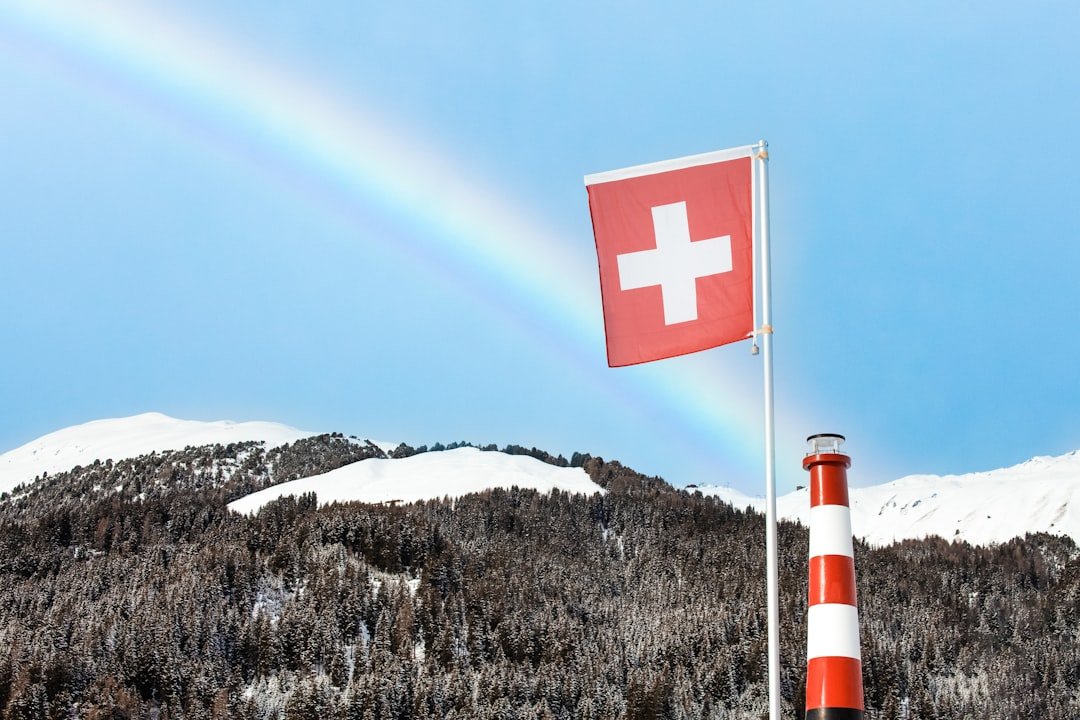
Switzerland is generally a safe destination for tourists, but “safe” does not mean risk-free. Serious crime is relatively uncommon, while petty theft can occur in busy cities, airports, railway stations, trains, and popular tourist areas. For many visitors, Alpine weather, hiking accidents, avalanches, road conditions, and medical costs deserve as much attention as crime.
Quick Answer
Yes. Switzerland is generally safe for tourists, and the current U.S. travel advisory is Level 1: Exercise normal precautions. The main practical concerns are petty theft in crowded places, Alpine and weather hazards, winter driving, and the potentially high cost of medical treatment or mountain rescue without suitable insurance.
Key Takeaways
- The U.S. Department of State lists Switzerland at Level 1: Exercise normal precautions in its August 14, 2026 advisory.
- Serious crime is relatively uncommon, but pickpocketing, luggage theft, vehicle break-ins, and other property crime can affect visitors.
- Public transportation is generally safe, but SBB advises passengers to keep luggage and valuables under close watch.
- Avalanches, rockfall, flooding, thunderstorms, sudden weather changes, and other Alpine hazards can be more important than crime for outdoor travelers.
- Travel insurance should cover medical treatment and, when relevant, mountain search, helicopter rescue, and evacuation.
- For emergencies, use 112 for the European emergency service, 117 for police, 118 for fire, and 144 for an ambulance.
Crime and Personal Safety in Switzerland
The latest available Swiss Federal Statistical Office crime data show that police registered 554,963 offences under the Swiss Criminal Code in 2025, about 2% fewer than in 2024. The FSO also recorded 55 completed homicides in 2025.
These figures replace the much older 2020 statistics often quoted in travel articles. Recent data also show why it is better not to describe Swiss crime as following one continuous downward trend from year to year.
The current U.S. travel advisory for Switzerland, issued August 14, 2026, remains Level 1: Exercise normal precautions.
For most tourists, theft is more relevant than violent crime. Pickpocketing and bag theft can occur in busy railway stations, airports, public transportation, shopping areas, festivals, and major attractions. Larger cities such as Zurich and Geneva naturally have more crowded locations where opportunistic theft is possible.
Pro Tip: Keep your phone, wallet, passport, and payment cards in a closed compartment. At stations and on trains, pay extra attention while people are boarding or leaving, when distractions are common.
Do not leave luggage unattended, including on trains. Avoid displaying large amounts of cash or expensive valuables unnecessarily. An anti-theft bag or money belt can add another layer of protection, but simple habits such as keeping bags closed and within reach are often more important.
Safety of Public Transportation
Switzerland has an extensive network of trains, trams, buses, boats, and mountain transportation. Public transportation is generally considered safe, and Swiss Federal Railways maintains dedicated security measures at stations and on trains.
SBB’s official safety guidance says the SBB Transport Police, security services, and cantonal police help maintain a safe environment. SBB also specifically warns passengers to watch luggage and valuables because pickpocketing can occur at stations and aboard trains.
Travelers should therefore avoid assuming that a clean, orderly station means theft is impossible. Keep smaller valuables with you rather than placing them far away in luggage racks, and check that you have all belongings before leaving a train.
Note: Check the SBB timetable or SBB Mobile before traveling, especially late at night, during construction, or when weather may disrupt mountain routes.
Natural Hazards and Safety Precautions
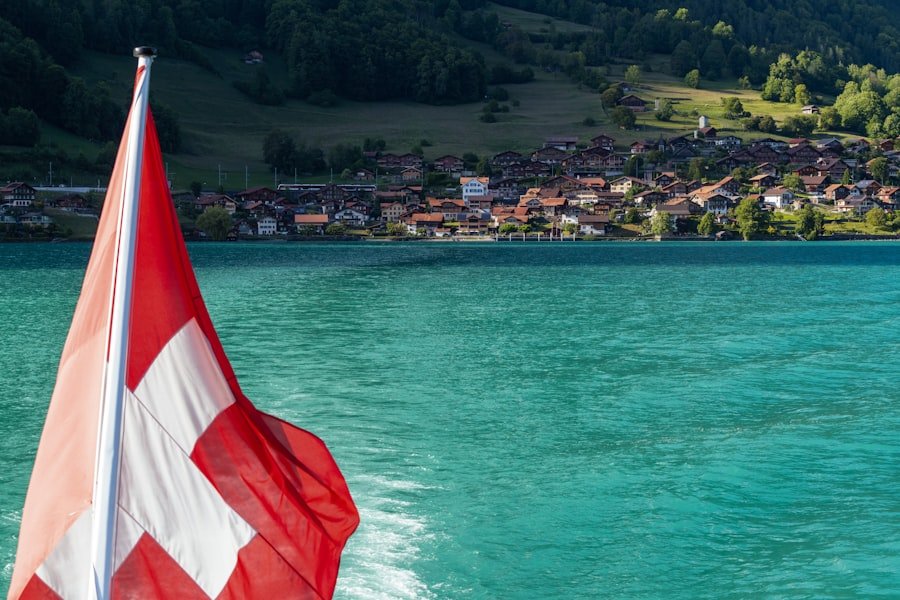
Switzerland’s mountains introduce risks that do not exist on an ordinary city break. Depending on the location and season, hazards can include avalanches, landslides, rockfall, flooding, thunderstorms, glacial crevasses, snow, intense sun exposure, altitude, and rapid changes in weather.
The current U.S. travel advisory specifically warns that Switzerland’s mountains can be dangerous because of avalanches, landslides, and sudden weather changes. Before hiking, climbing, skiing, or entering high Alpine terrain, check the forecast and local trail, lift, or route conditions.
Avalanche Safety
The WSL Institute for Snow and Avalanche Research SLF publishes official information on avalanche and snow conditions. Regular avalanche bulletins are produced during the snow season; in summer and autumn, bulletins may also be issued when substantial snowfall creates avalanche danger.
Warning: Do not treat avalanche equipment as a substitute for training. If you plan to ski, snowboard, snowshoe, or tour in avalanche terrain away from controlled pistes, you need appropriate knowledge, route planning, rescue equipment, and, when necessary, a qualified guide.
An avalanche transceiver, probe, and shovel are specialist equipment for travel in avalanche terrain. They are not standard equipment for an ordinary summer walk on a marked low-risk trail. All hikers, however, should carry suitable clothing, water, navigation tools, a charged phone, and basic first-aid supplies appropriate to the route.
Hiking and Mountain Weather
Conditions can change quickly with elevation. A warm and dry morning in a valley does not guarantee similar conditions on a high trail later in the day. Check forecasts, know your route, wear appropriate footwear, and turn around if weather, visibility, snow, fatigue, or trail conditions become unsafe.
For remote or demanding routes, tell someone where you are going and when you expect to return. Travelers attempting technical climbs, glaciers, exposed routes, or unfamiliar backcountry terrain should consider professional guidance.
Health and Medical Facilities
Switzerland has a large modern healthcare system. According to the latest Swiss Federal Statistical Office health-system figures, the country had the following hospital capacity in 2024:
| Hospital indicator | Latest FSO figure |
| Hospital establishments | 270 |
| Hospital beds | 37,792 |
| Hospital personnel | 189,008 full-time equivalents |
Medical treatment can be expensive for visitors, so insurance matters. The Swiss Federal Office of Public Health states that tourists insured through qualifying statutory systems in EU/EFTA countries or the United Kingdom can receive medically necessary treatment under the applicable arrangements, including through the European Health Insurance Card where eligible. Visitors from other countries should have sufficient insurance to cover treatment in Switzerland.
Travelers planning skiing, mountaineering, mountain biking, climbing, paragliding, or other higher-risk activities should check whether their policy covers those activities and whether mountain search, helicopter rescue, evacuation, and repatriation are included.
Pharmacies are available throughout Swiss cities and towns and can help with many minor health needs. Language availability varies, so do not assume every member of staff will speak English. For a medical emergency, call 144 or use 112 for the general European emergency service.
Political Stability, Demonstrations, and Public Events
Switzerland has a federal political system and a long-established system of direct democracy. Citizens vote not only in elections but also on initiatives and referendums.
This institutional stability does not mean demonstrations never happen. Protests and public gatherings can occur, particularly in larger cities or around political and international events. Most visits are unaffected, but travelers should avoid confrontations, follow police instructions, and use local news or official alerts if a demonstration disrupts an area they planned to visit.
Large festivals, conferences, sporting events, and celebrations can also create crowded conditions in which petty theft becomes easier. Treat busy events as you would crowded stations: keep valuables secure and stay aware of your surroundings.
Cultural Sensitivity and Local Laws
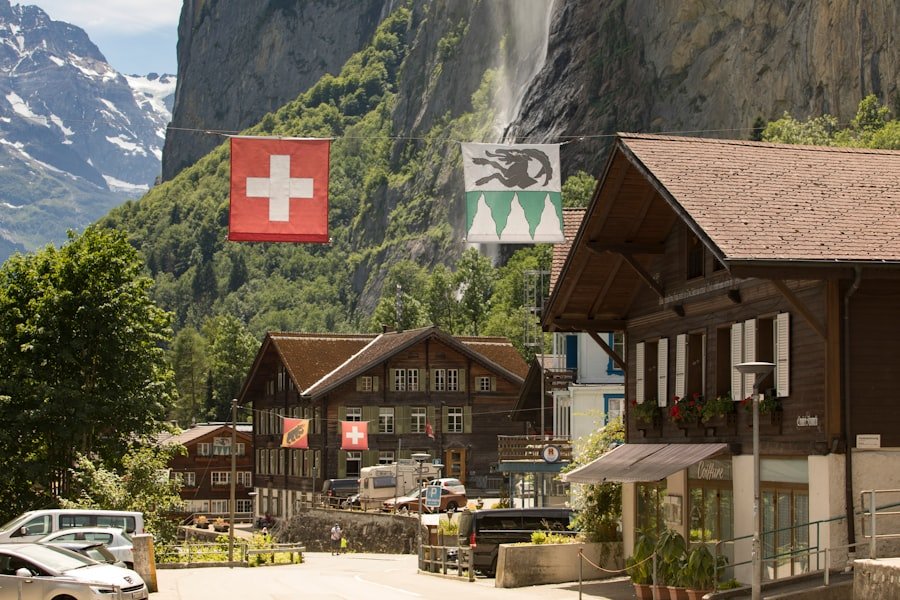
Switzerland has four national languages: German, French, Italian, and Romansh. Customs can vary between linguistic regions, cities, rural areas, and cantons, so simple courtesy is more useful than relying on rigid etiquette rules. A polite greeting and respect for personal space are generally appropriate.
Local laws are enforced, and rules that seem minor to a visitor can still lead to penalties. Follow traffic signals, posted signs, public-transport rules, parking restrictions, alcohol limits, and local regulations on noise, waste, fires, and protected areas.
Face-Covering Law
A significant recent change is Switzerland’s federal prohibition on covering the face in public places, which came into force on January 1, 2025. According to the Swiss Federal Office of Justice, violations can result in a CHF 100 fixed penalty, with a maximum possible fine of CHF 1,000.
The law contains exceptions, including certain health, safety, weather, religious-location, local-custom, artistic, advertising, and authorized expression-related situations. Travelers affected by the rule should read the official guidance rather than relying on older advice that refers only to individual cantons.
Tourist Scams and Safety Tips
While serious crime is relatively uncommon, tourists can still encounter opportunistic theft and scams. In physical tourist areas, distraction is a common tactic associated with pickpocketing: one person may draw your attention while another targets a phone, handbag, wallet, or luggage.
A stranger creating urgency, asking you to focus on a document, spilling something near you, or crowding you does not necessarily indicate a scam, but it is a good reason to check that your valuables remain secure.
Be cautious when strangers ask for money, sensitive personal information, PINs, verification codes, or unusual electronic payments. Do not allow anyone to pressure you into an immediate transfer or cash withdrawal.
Simple Theft-Prevention Checklist
- Keep your passport, wallet, and phone in a secure closed pocket or bag.
- Do not leave luggage unattended in stations, trains, hotel lobbies, rental-car areas, or cafés.
- Avoid leaving valuable items visible inside a parked vehicle.
- Be especially alert when boarding and leaving trains.
- Use hotel safes or other secure storage when appropriate.
- Keep backup copies of important travel documents separate from the originals.
- Know how to freeze or block your bank cards and phone if they are stolen.
Road and Winter Driving Safety
Driving in Switzerland is generally straightforward, but Alpine roads can introduce risks that visitors unfamiliar with mountain driving may underestimate. Roads can be narrow and winding, while rain, snow, ice, rockfall, and poor visibility can change conditions quickly.
Slow down for conditions rather than relying only on the posted speed limit. Check road conditions before traveling through mountain areas, particularly in winter. Some routes may close, and snow chains may be required where indicated.
If you plan to use Swiss motorways, confirm that the vehicle has the required motorway vignette. Rental vehicles registered in Switzerland commonly already have one, but it is worth checking rather than assuming.
Safety for Solo Travelers
Switzerland is generally suitable for solo travel, including using trains between cities and tourist destinations. The same precautions that apply to other visitors still matter: keep control of your belongings, avoid becoming heavily intoxicated around strangers, know how you will return to your accommodation, and stay aware in quiet or unfamiliar places late at night.
Solo mountain travel deserves extra caution. A low-crime country cannot protect a hiker from a fall, sudden storm, avalanche, navigation error, or medical emergency in an isolated area. For demanding mountain activities, travel with others when possible and tell someone your planned route and expected return time.
Emergency Contacts and Resources
Save Switzerland’s main emergency numbers before your trip. These numbers are nationwide rather than specific to Zurich, Geneva, or another canton.
| Service | Number |
| European emergency service | 112 |
| Police | 117 |
| Fire service | 118 |
| Ambulance / medical emergency | 144 |
| Poison control | 145 |
The Swiss federal emergency portal confirms these numbers. It also recommends following official alerts during natural disasters or other emergencies.
If your passport is lost or stolen, report a theft to local police when appropriate and contact your country’s embassy or consulate for document assistance. Tourist information offices can help with local transport, directions, and visitor information but are not substitutes for emergency services.
Note: Consider installing or bookmarking official Swiss warning services before heading into the mountains. Current hazard information is more useful than relying on conditions reported in an older travel article.
Before You Go: Practical Safety Check
- Check the latest official travel advisory shortly before departure.
- Confirm that your health insurance covers treatment in Switzerland.
- Add mountain rescue, evacuation, or specialist-sport coverage if your activities require it.
- Save 112, 117, 118, and 144 in your phone.
- Check SBB information before major train journeys.
- Check weather, trail, lift, road, and avalanche information before mountain activities.
- Keep valuables secure in airports, stations, trains, and crowded attractions.
- Leave demanding hiking or climbing plans with someone who can raise the alarm if you do not return.
Switzerland’s secure environment can make it easy to relax, and that is part of its appeal. Normal travel precautions are usually enough in cities, while mountain activities require more active planning because weather, terrain, altitude, and rescue logistics can change the risk quickly.
Travel safety is only one part of trip planning, and some readers also prepare simple food and meal ideas before or after traveling. As a separate lifestyle resource unrelated to the safety guidance above, you can also see this article about delicious homemade cottage cheese.
Frequently Asked Questions
Is Switzerland a safe country for tourists?
Yes. Switzerland is generally considered safe for tourists. The U.S. Department of State’s August 14, 2026 advisory places Switzerland at Level 1: Exercise normal precautions. Visitors should still protect belongings from theft and take mountain and weather hazards seriously.
Are there any specific safety concerns for tourists in Switzerland?
The most relevant concerns include pickpocketing and luggage theft in crowded places, changing mountain weather, avalanches and other Alpine hazards, winter-driving conditions, and medical or rescue costs that may not be covered by ordinary insurance.
What are some safety tips for tourists in Switzerland?
Keep valuables secure, watch luggage on public transportation, follow local laws, check current weather and hazard warnings before outdoor activities, carry suitable insurance, and save Switzerland’s emergency numbers before traveling.
Is it safe to travel alone in Switzerland?
Switzerland is generally suitable for solo travelers. Use normal precautions in cities and on public transportation. Solo hiking requires additional care because weather, falls, navigation problems, altitude, and other mountain hazards can leave you without immediate assistance.
Are there natural hazards tourists should know about in Switzerland?
Yes. Depending on the location and season, hazards include avalanches, landslides, rockfall, flooding, thunderstorms, glacial crevasses, snow, altitude, and sudden weather changes. Check current official conditions before entering mountain areas.
Is public transportation safe in Switzerland?
Yes, Swiss public transportation is generally safe. However, SBB advises travelers to keep an eye on luggage and valuables because pickpocketing and theft can occur at stations and on trains.
What emergency numbers should tourists know in Switzerland?
Call 112 for the European emergency service, 117 for police, 118 for the fire service, 144 for an ambulance or medical emergency, and 145 for poison control.
Sources
- U.S. Department of State: Switzerland Travel Advisory — current safety level, tourist precautions, insurance, crime, transportation, and mountain hazards.
- Swiss Federal Statistical Office: Crime and Criminal Justice — 2025 police-recorded crime statistics.
- Swiss Federal Railways: Travel Safely — public-transport security and pickpocketing precautions.
- WSL Institute for Snow and Avalanche Research SLF — official avalanche and snow-condition information.
- Swiss Federal Office of Public Health: Tourists in Switzerland — medical-treatment and health-insurance information for visitors.
- Swiss Confederation: Emergencies and Danger — official emergency numbers and public-safety guidance.