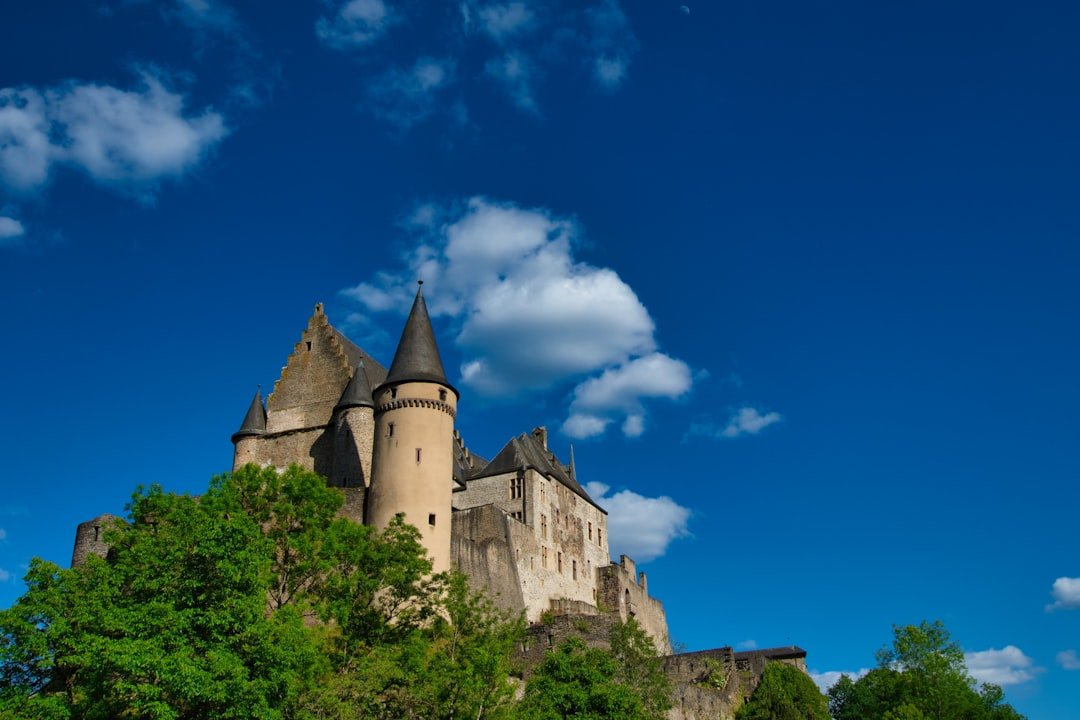
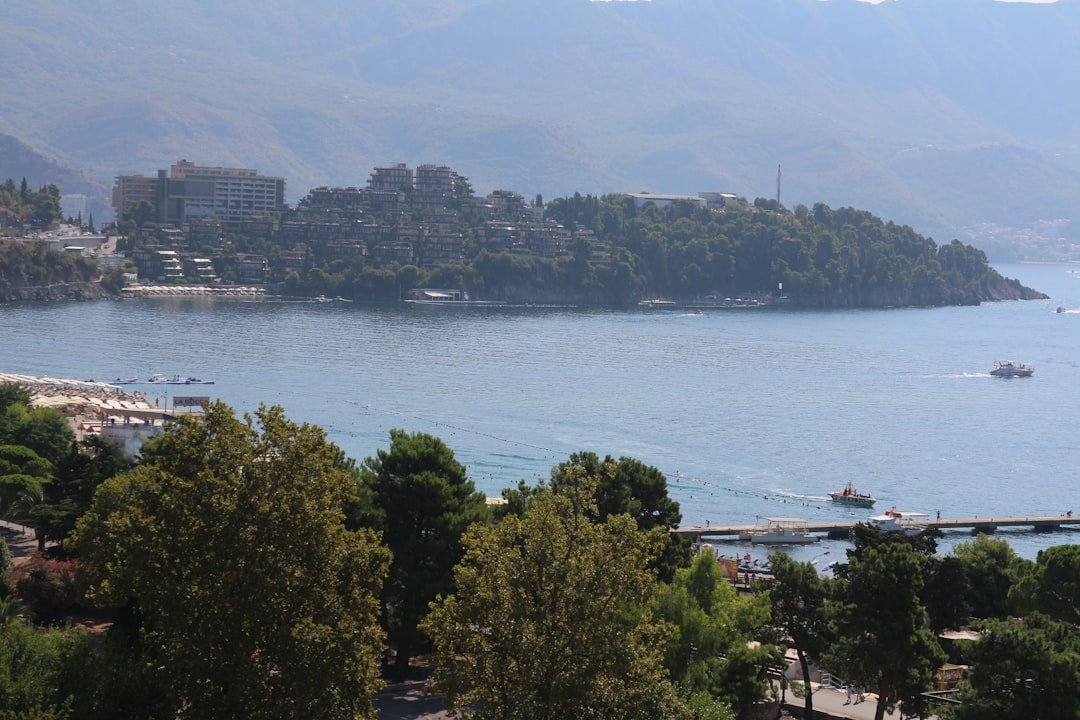
A Switzerland itinerary for 10 days can combine historic cities, lakes, mountain villages and some of the country’s best-known Alpine scenery without renting a car. This route moves from Zurich to Lucerne, Interlaken and the Jungfrau region, Zermatt, Montreux, Geneva, Bern, Rhine Falls and Basel. It is ambitious, so the key is to use trains efficiently and keep mountain plans flexible.
Quick Answer
For a first trip, use trains to link Zurich, Lucerne, Interlaken and the Jungfrau region, Zermatt, Montreux, Geneva, Bern, Rhine Falls and Basel. Spend two nights around Interlaken, keep mountain days flexible for weather, and expect the second half to feel fast-paced because you change bases more often.
Last checked: October 1, 2026. Dates and figures were verified against official sources.
Key Takeaways
- You do not need a car for this route; the main stops are well connected by rail and local public transport.
- Interlaken is the best place in this itinerary to slow down, with two days for paragliding, Lauterbrunnen and the wider Jungfrau region.
- Mountain railways and cableways can have seasonal closures or maintenance periods, so check the operating calendar before fixing non-refundable plans.
- Days 7–9 are the busiest part of the route. Pack light and avoid adding extra side trips unless you are comfortable with frequent transfers.
- For mountain excursions, clear visibility often matters more than the exact day you originally assigned to the activity.
How to Plan This Switzerland Itinerary for 10 Days
This itinerary works best as a rail trip. The route starts in Zurich, moves south through Lucerne and the Bernese Oberland, continues to Zermatt and Lake Geneva, then turns north through Bern toward Rhine Falls and Basel.
The first half is relatively relaxed because you can spend consecutive nights around Interlaken. The second half changes locations more often. If you prefer slower travel, the easiest adjustment is to remove either Geneva, Rhine Falls or Basel and give that night to Zermatt or the Jungfrau region.
| Day | Main destination | Main plan | Suggested overnight |
|---|---|---|---|
| 1 | Zurich | Old Town, Grossmünster, Bahnhofstrasse | Zurich |
| 2 | Lucerne | Chapel Bridge and Mount Pilatus | Lucerne |
| 3 | Interlaken | Paragliding or local sightseeing | Interlaken |
| 4 | Jungfrau region | Lauterbrunnen, Wengen or Mürren | Interlaken |
| 5 | Zermatt | Matterhorn views and Gornergrat | Zermatt |
| 6 | Montreux | Lake promenade and Chillon Castle | Montreux |
| 7 | Geneva | Lakefront and Old Town | Bern |
| 8 | Bern | Old City, Zytglogge and BearPark | Bern or Basel |
| 9 | Rhine Falls and Basel | Waterfall, then Basel Old Town | Basel |
| 10 | Departure | Easy morning and onward travel | — |
Swiss Travel Pass or Half Fare Card?
For a trip with this many train journeys, compare a rail pass with point-to-point fares before buying. In 2026, the tourist passes do not include a 10-day Swiss Travel Pass, so the eight-day and 15-day options are the closest consecutive-day choices.
| Option | 2026 adult price | How it fits this trip |
|---|---|---|
| Swiss Travel Pass, 8 days, second class | CHF 439 | Useful if you place the most expensive rail days inside the eight-day validity period and buy separate tickets for the remaining days. |
| Swiss Travel Pass, 15 days, second class | CHF 499 | Covers the entire 10-day itinerary within one consecutive validity period. |
| Swiss Half Fare Card | CHF 150 for one month | You then buy discounted train, bus, boat and many mountain-railway tickets separately. |
Pro Tip: Do not lock every mountain excursion to a specific morning months in advance. When possible, use the clearest forecast day for Pilatus, the Jungfrau region or Gornergrat and move city sightseeing to poorer-weather periods.
Day 1: Arrival in Zurich and Exploring the Old Town
Use your first day to recover from the journey while seeing Zurich’s compact historic center. The Old Town sits on both sides of the Limmat River, so most of the main sights can be covered on foot without an aggressive schedule.
Start around Niederdorf and work your way toward the Grossmünster, one of Zurich’s best-known landmarks. If the tower is open and you are comfortable with stairs, the climb gives you a broad view over the Old Town and Lake Zurich.
Continue across the river toward Bahnhofstrasse. The street links the main railway station area with Lake Zurich and is lined with shops, cafés and watch boutiques. You do not need to shop to enjoy it; it also works as a simple walking route through central Zurich.
If your arrival time allows, finish at the Swiss National Museum beside Zurich Hauptbahnhof. Otherwise, choose a lakeside walk and an early dinner. Keeping day one light makes the transfer to Lucerne easier the next morning.
Day 2: Discovering Lucerne and Mount Pilatus

Day two combines Lucerne’s historic center with a mountain excursion. Take an early train from Zurich, leave your bags at your accommodation, then explore the Chapel Bridge, River Reuss waterfront and lakeside before heading toward Mount Pilatus.
The Chapel Bridge, or Kapellbrücke, is Lucerne’s best-known historic landmark. The covered wooden bridge crosses the Reuss beside the Water Tower and still contains historic triangular paintings. It is an easy first stop because the bridge is close to the railway station and Old Town.
For Mount Pilatus, choose the side of the mountain that is operating during your travel dates. According to the official Pilatus timetable, the Alpnachstad cogwheel railway runs from May 11 to November 29 in 2026. The Kriens gondola and aerial cableway have a maintenance closure from October 19 to November 27, 2026.
That seasonal difference matters. During full operation you can make a loop using the cogwheel railway on one side and the cableway system on the other. Outside those dates, build the day around the transport that is actually running rather than assuming the classic round trip is available.
Day 3: Exploring Interlaken and Paragliding in the Swiss Alps
| Activity | Details |
|---|---|
| Location | Interlaken and nearby take-off areas above the town |
| Season | Tandem flights are offered across spring, summer, autumn and winter, subject to suitable conditions |
| Flight Type | Tandem paragliding with a professional pilot |
| Transfer to Take-Off | About 20 minutes by bus for flights using the Amisbühl, Beatenberg take-off area |
| Take-Off Area | Mountain slopes above Interlaken, with the exact site depending on the operator and conditions |
| Scenic Views | Lake Thun, Lake Brienz and the Eiger, Mönch and Jungfrau |
Interlaken sits between Lake Thun and Lake Brienz and works as the main base for days three and four. Its location gives you fast access to the surrounding valleys while avoiding another hotel change after only one night.
If you want an adventure activity, tandem paragliding is one of Interlaken’s signature options. Local flights provide views over both lakes and toward the Eiger, Mönch and Jungfrau. The exact launch site, flight time and schedule depend on the operator and conditions, so do not build the rest of the day around a fixed landing time.
If you prefer to stay on the ground, walk through Höhematte and along the Aare or take a local mountain excursion if visibility is good. Keep the evening relaxed because day four is better spent deeper in the Jungfrau region.
Day 4: Hiking in the Jungfrau Region and Visiting Lauterbrunnen Valley
Use day four for one focused Jungfrau-region outing rather than trying to combine every famous mountain in a single day. Lauterbrunnen, Wengen and Mürren all offer impressive scenery, but transfers and mountain transport can consume more time than the map suggests.
Start in Lauterbrunnen Valley. The official Jungfrau page for Staubbach Falls describes the waterfall as approximately 300 meters high. The falls can be seen year-round, while the Staubbach Gallery is normally open from May through October.
From Lauterbrunnen, choose one side of the valley. Wengen is reached by mountain railway and gives you access to high-level walks and viewpoints. Mürren is reached using the cable car toward Grütschalp and the connecting mountain railway. Both villages are better treated as destinations rather than quick photo stops.
If Schilthorn and Piz Gloria are priorities, allow a large part of the day for the excursion from Mürren. If you would rather hike, pick a signed trail appropriate for the season and your fitness level. Alpine paths can retain snow or close even when conditions in the valley feel mild.
Jungfraujoch is another possible full-day choice from the Interlaken area, but adding it to Lauterbrunnen, Mürren and Schilthorn on the same day would make the schedule unnecessarily rushed. Choose the mountain experience that matters most to you and save the rest for another trip.
Day 5: Scenic Train Ride to Zermatt and Exploring the Matterhorn

Day five moves from the Bernese Oberland to Zermatt, the car-free mountain resort below the Matterhorn. Regular rail connections make the journey straightforward, and the final approach into the valley is part of the experience.
After checking in, walk through central Zermatt and the older village lanes. If the Matterhorn is clear, take advantage of the visibility rather than assuming the next morning will be better.
Gornergrat is one of the most practical high viewpoints because its mountain railway starts directly opposite Zermatt railway station. The 2026 Gornergrat timetable shows frequent service through November 1, followed by a construction-related suspension from November 2 through November 14 before trains resume.
Another major option is Matterhorn Glacier Paradise, reached by the lift network above Zermatt. Trying to combine both major excursions after traveling from Interlaken can make the day feel rushed, so choose one if you arrive late.
Day 6: Relaxing in Montreux and Visiting Chillon Castle
Leave Zermatt for Montreux on day six and shift from high Alpine scenery to the shores of Lake Geneva. Montreux is well suited to a slower afternoon because its waterfront promenade, gardens and lake views require little planning.
Chillon Castle lies about four kilometers from Montreux. You can reach it by train, local bus, boat in season or the lakeside walking path. The walk from Montreux takes roughly 45 minutes according to the castle’s official visitor information.
For 2026, Chillon Castle visitor information lists adult admission at CHF 15 and child admission at CHF 7 for ages 6–15. Swiss Travel Pass holders are listed among visitors eligible for free admission.
Opening hours vary by season: April through September is 9:00 a.m.–7:00 p.m., March and October is 9:30 a.m.–6:00 p.m., and November through February is 10:00 a.m.–5:00 p.m. Last admission is one hour before closing, and the castle closes on December 25 and January 1.
After the visit, return to Montreux for dinner by the lake. Staying here overnight also avoids carrying luggage through Geneva during the next day’s sightseeing.
Day 7: Exploring Geneva and Enjoying Lake Geneva
Use Geneva as a day trip from the Lake Geneva area, then continue to Bern in the evening if you want to make day eight easier. Focus on the waterfront and Old Town instead of trying to cover every museum and international institution in one visit.
The Jet d’Eau is the obvious starting point. Geneva Tourism lists the fountain at 140 meters high, projecting about 500 liters of water per second. Strong wind or low temperatures can cause it to be switched off, so its operation should never be treated as guaranteed.
From the lakefront, walk into the Old Town and continue toward St. Peter’s Cathedral and Place du Bourg-de-Four. The compact historic center rewards wandering, with steep lanes, small squares and views back toward the lake.
If you want to visit international Geneva, allow extra time for the district around the United Nations. Otherwise, spend the afternoon on the waterfront, take a short boat ride or stop at a chocolatier before collecting your luggage and continuing toward Bern.
Day 8: Discovering Bern and Exploring the Swiss Capital
Bern deserves a full walking day because many of its best sights sit inside or beside the UNESCO-listed Old City. Start around the railway station and follow the historic streets toward the Zytglogge, Parliament Building and the lower Old Town.
The Zytglogge is more than a clock tower; it once formed part of the city’s medieval defenses and remains one of Bern’s defining landmarks. Continue beneath the long arcades, which make the center easy to explore even in light rain.
Walk downhill toward the Aare and the BearPark. The park forms part of Bern Animal Park and can be viewed free of charge. The setting also gives you a strong view back toward the Old City.
If you still have energy, choose one museum rather than several. The Bern Historical Museum and Zentrum Paul Klee are major options, but trying to cover both plus the entire Old City turns a pleasant day into a checklist.
You can stay in Bern or continue to Basel in the evening. Moving to Basel reduces the amount of luggage handling on day nine, while staying in Bern gives you a more relaxed evening after sightseeing.
Day 9: Visiting the Rhine Falls and Exploring Basel
Day nine is the most travel-heavy part of this Switzerland itinerary. Start early for Rhine Falls, then keep your Basel plan compact. If you prefer a slower holiday, this is the easiest day to simplify by choosing either Rhine Falls or Basel rather than both.
The official Rhine Falls visitor information says the falls are generally accessible 24 hours a day throughout the year. Viewing from the Neuhausen/Schlössli Wörth side has no entrance fee, while access through Schloss Laufen, including its viewing platforms and Historama, costs CHF 5 for adults and CHF 3 for children ages 6–15.
Boat trips offer a closer perspective when operating, but the falls are still impressive from shore. Do not let a boat schedule determine whether the stop is worthwhile.
Continue to Basel and explore the Old Town on foot. The Münster, Pfalz terrace, Town Hall, Marktplatz and lanes around the historic center can fill several hours without requiring another major ticketed attraction.
If art is your priority, substitute some Old Town time for the Kunstmuseum Basel. If you are tired after Rhine Falls, stay outdoors and enjoy the Rhine instead. Day nine should end with enough time to organize your departure rather than squeezing in one more distant attraction.
Day 10: Departure from Switzerland and Final Thoughts on the Alpine Route
Keep the final morning simple. Have breakfast, take one last walk if your flight or train leaves later, then allow a comfortable margin for the journey to your departure airport or onward rail connection.
This route covers an unusually broad cross-section of Switzerland in 10 days: Zurich’s Old Town, Lucerne and Pilatus, Interlaken and Lauterbrunnen, the Matterhorn around Zermatt, Lake Geneva, Bern, Rhine Falls and Basel. The trade-off is pace, especially after Zermatt.
If you discover that mountains are the highlight of your trip, the easiest improvement is to remove one city and add another night in Interlaken or Zermatt. If culture and museums matter more, shorten one mountain excursion and give that time to Zurich, Geneva, Bern or Basel.
If you’re looking to add some homemade food ideas around your travel planning, you can also see this homemade cottage cheese recipe.
Frequently Asked Questions
What is the best time to visit Switzerland for a 10-day itinerary?
June through August suits travelers who want warmer weather, hiking and long sightseeing days. Winter is better for skiing and snow-based trips. Spring and autumn can be quieter, but some high-mountain railways, cable cars and hiking routes operate seasonally or close temporarily for maintenance.
What are the must-visit destinations in Switzerland for a 10-day itinerary?
For this route, the core destinations are Zurich, Lucerne, the Interlaken and Jungfrau region, Zermatt and the Lake Geneva area. Bern, Rhine Falls and Basel add variety, but they also make the itinerary faster. Remove one of those later stops if you prefer fewer hotel changes.
What are the top activities to do during 10 days in Switzerland?
The strongest mix includes a mountain railway or cableway, hiking in the Jungfrau region, Matterhorn views in Zermatt, a Lake Geneva stop, historic Old Town walks and at least one scenic intercity rail journey. Paragliding in Interlaken is an optional adventure rather than an essential part of the route.
What is the best way to travel between cities in Switzerland?
Train is the simplest choice for this itinerary. Zurich, Lucerne, Interlaken, Zermatt, Montreux, Geneva, Bern and Basel are all practical by public transport, while local trains, buses, boats and mountain railways handle most excursions. A rental car adds little value and cannot be driven into car-free Zermatt.
What are good day trips from the main stops on this itinerary?
From Lucerne, Mount Pilatus is the main mountain excursion. From Interlaken, choose Lauterbrunnen, Wengen, Mürren or Jungfraujoch. From Montreux, Chillon Castle is easy to combine with the lakeside. The Lavaux area is another Lake Geneva option if you replace rather than add another long excursion.
What local dishes should I try in Switzerland?
Fondue, raclette and rösti are useful starting points, along with regional cheeses and Swiss chocolate. Food traditions vary by canton and language region, so avoid treating one dish as representative of the entire country. Trying regional specialties as you move between German- and French-speaking areas adds variety to the trip.
Do I need a car for this 10-day Switzerland itinerary?
No. This particular itinerary is easier by public transport because every main destination is connected by train, and many mountain attractions are reached by railway, cable car or gondola anyway. Traveling by rail also avoids parking problems and the need to manage a car when visiting car-free Zermatt.
Is the Swiss Travel Pass worth it for a 10-day trip?
It can be, but there is no standard 10-day consecutive Swiss Travel Pass. Compare an eight-day or 15-day pass with the Swiss Half Fare Card and individual fares for your exact route. Mountain excursions may be discounted rather than fully covered, so include those costs when comparing the options.
Sources
- Switzerland Tourism — Swiss Travel Pass: 2026 pass durations, prices and benefits.
- Switzerland Tourism — Swiss Half Fare Card: validity, discount rules and 2026 price.
- Pilatus: 2026 cogwheel railway, gondola and cableway operating periods.
- Jungfrau Railways — Staubbach Falls: waterfall height and Staubbach Gallery season.
- Gornergrat Railway: 2026 operating timetable and November construction closure.
- Chillon Castle: admission, seasonal opening hours, transport and walking access.
- Geneva Tourism — Jet d’Eau: fountain height, flow and operating limitations.
- Rhine Falls: year-round access and Schloss Laufen viewing-platform prices.