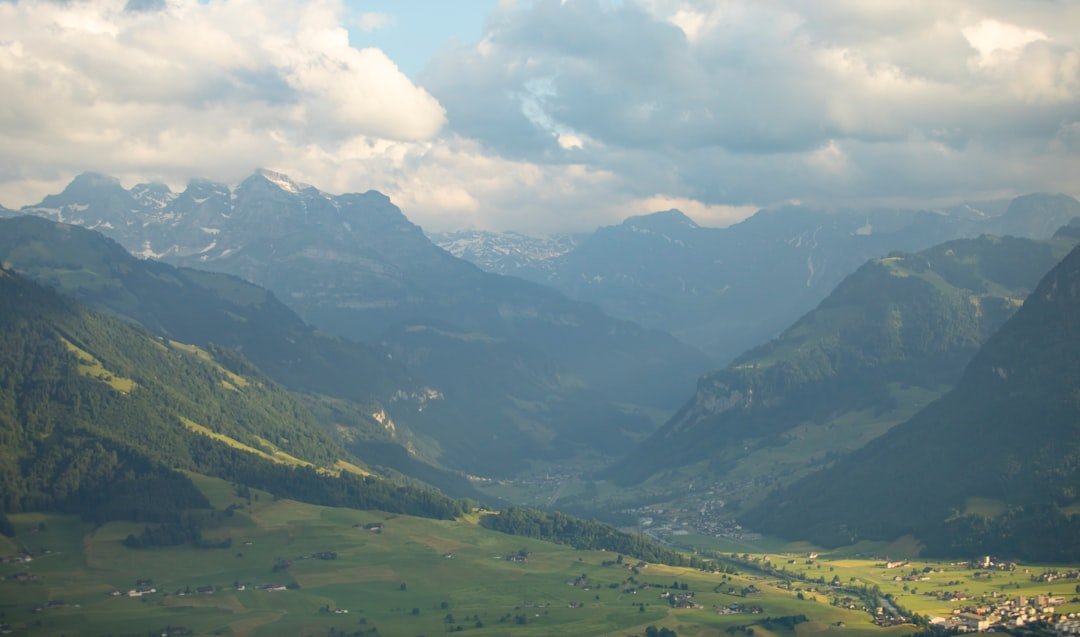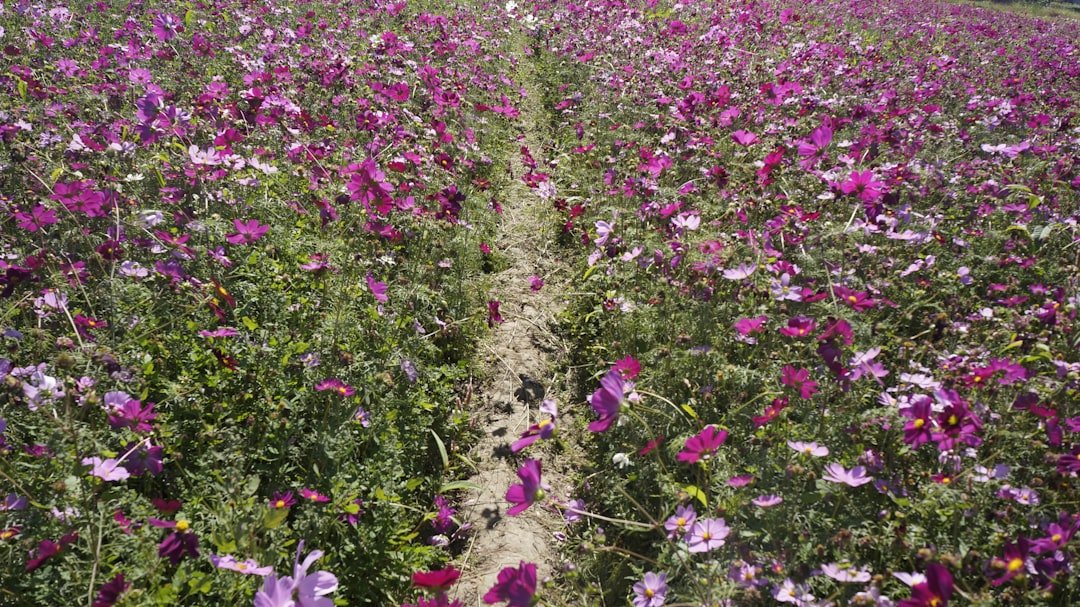
The Pilatus Flower Trail is a short high-mountain walk between Pilatus Kulm and Tomlishorn, the highest point of the Pilatus massif. Rather than being a long or strenuous ascent, it is an easy panoramic trail reached after you have already traveled up Mount Pilatus by mountain railway or cableway. The route combines alpine flowers, interpretive signs, rocky mountain scenery, and broad views in a relatively compact hike.
The most important thing to know before planning the walk is that the Flower Trail is much shorter and easier than many full-day Mount Pilatus hiking routes. According to Pilatus and Lucerne Tourism, the walk to Tomlishorn is about 1.45 km one way and takes roughly 40 minutes, while the trip out and back normally takes about 1 hour 30 minutes.
Quick Answer
The Pilatus Flower Trail is officially rated easy. The route from Pilatus Kulm to Tomlishorn is about 1.45 km one way and normally takes around 40 minutes. Allow about 1 hour 30 minutes for the return walk. It is a secured mountain path, so sturdy footwear and suitable weather are still important.
Key Takeaways
- Pilatus classifies the Flower Trail as an easy hike rather than a moderate one.
- The route is about 1.45 km one way, or roughly 2.9 km if you return along the same path.
- Plan about 40 minutes each way and roughly 1 hour 30 minutes for the complete out-and-back walk.
- The trail normally opens from mid-June through October, depending on snow, maintenance, and mountain conditions.
- The Flower Trail itself is free, but you normally need a mountain railway or cableway ticket to reach Pilatus Kulm.
- Alpine plants in the Pilatus region are protected, so enjoy and photograph the flowers without picking them.
At a Glance
| Time Required | About 40 minutes one way; about 1 hour 30 minutes return |
| Difficulty | Easy |
| Distance | 1.45 km one way; about 2.9 km return |
| Elevation Change | About 94 m ascent and 25 m descent on the outward route |
| Start | Pilatus Kulm, reached by crossing the Hotel Pilatus-Kulm terrace |
| Turnaround Point | Tomlishorn, 2,128 m |
| Usual Season | Mid-June to October, depending on current conditions |
| What to Bring | Sturdy footwear, drinking water, rain protection, sun protection, and an extra layer |
| Cost | The Flower Trail is free; transportation to Pilatus Kulm costs extra |
Trail Difficulty and Duration
The official Pilatus hiking guide lists the Flower Trail as an easy route. It is therefore significantly less demanding than the long hikes that climb Mount Pilatus from Kriens, Alpnachstad, or Fräkmüntegg. You begin the Flower Trail at Pilatus Kulm, meaning the mountain railway or cableway has already done most of the climbing for you.
Lucerne Tourism gives the one-way route from Pilatus Kulm to Tomlishorn as 1.45 km, with about 94 m of ascent and 25 m of descent. The one-way walking time is approximately 40 minutes. Pilatus recommends allowing about 1 hour 30 minutes to walk to Tomlishorn and return.
The route follows a secured panoramic mountain path. Although its official difficulty is easy, the high-alpine setting still calls for attention to footing, weather, and personal comfort with mountain terrain. Walking slowly to read the flower signs or take photographs can easily extend the total time.
The key planning figure is about 1 hour 30 minutes for the Pilatus Kulm-to-Tomlishorn return walk, not two to three hours.
Flora and Fauna Along the Trail
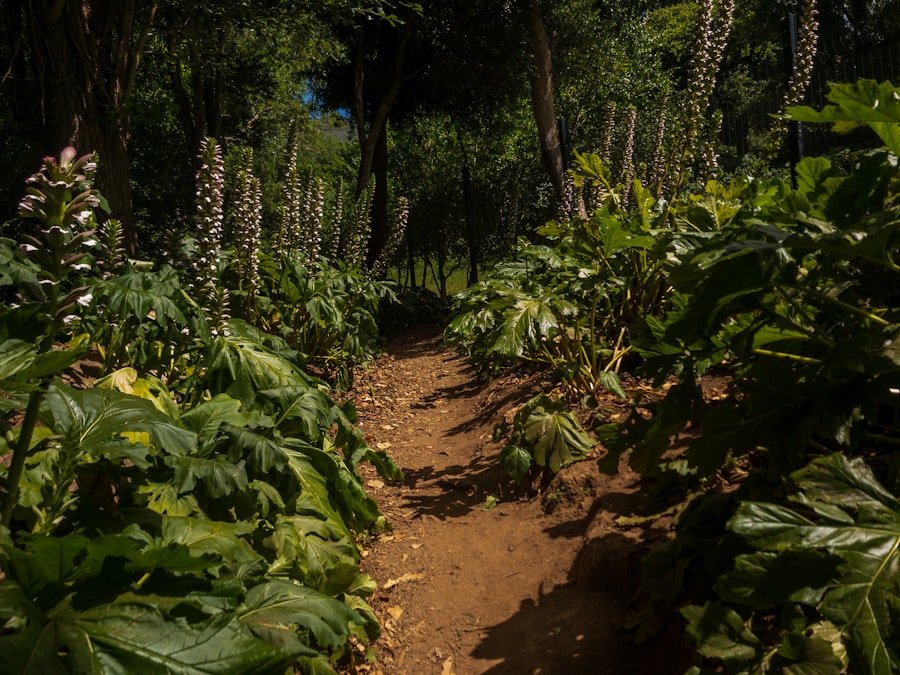
Flowers are the main feature of this route. According to Pilatus-Bahnen AG, hikers can see a variety of alpine plants in their natural environment, including creamy white alpine anemones and brightly colored gentians. Information panels along the route explain plant species, colors, and flowering periods.
Flowering conditions change with snowmelt, temperature, altitude, and seasonal weather, so there is no single date when every species will be at its best. The trail is normally available from mid-June through October, and different flowers can appear at different points within that period.
Note: Alpine plants are protected throughout the Pilatus region. Leave flowers and other vegetation where they grow, stay on the established path, and use photographs rather than picking plants as souvenirs.
Wildlife sightings are possible but should never be treated as guaranteed. Pilatus specifically notes that ibex may sometimes be seen on the rock faces, particularly in the quieter early-morning or evening hours. Keep a respectful distance and avoid approaching or feeding wildlife.
Pro Tip: If wildlife is important to you, carry compact binoculars. They let you observe animals without leaving the path or getting unnecessarily close.
Scenic Views and Points of Interest
| Location | What You See | What to Know |
|---|---|---|
| Pilatus Kulm | High-mountain panorama around the Pilatus massif | Starting area for the Flower Trail and several other summit walks |
| Flower Trail | Alpine slopes, rock formations, flowers, and broad mountain views | Interpretive signs identify and explain alpine plant life |
| Tomlishorn | Expansive summit panorama | At 2,128 m, Tomlishorn is the highest point of the Pilatus massif |
The Flower Trail is primarily a panoramic nature walk. Its main attractions are the alpine landscape, flowers, interpretation panels, and the walk to Tomlishorn rather than a series of built attractions along the route.
The Dragon Path is worth considering if you have extra time, but it is a separate attraction at Pilatus Kulm. The circular route starts and finishes at Pilatus Kulm and takes roughly 20 minutes. It passes through rock formations while presenting legends associated with Mount Pilatus.
Other short summit-area viewpoints, including Esel and Oberhaupt, can also be combined with a Flower Trail visit if conditions and your available time allow. Treat these as separate additions rather than parts of the Pilatus Kulm-to-Tomlishorn Flower Trail itself.
Tips for Hiking the Pilatus Flower Trail
Even though the Flower Trail is short and officially classified as easy, prepare for a mountain environment rather than an urban walking path. Lucerne Tourism recommends sturdy footwear, a rain jacket, and enough drinking water.
- Wear shoes with dependable grip. Mountain surfaces can become slippery after rain.
- Carry an extra layer. Conditions at Pilatus Kulm can feel much cooler or windier than Lucerne below.
- Bring water. The hike is short, but sun, wind, and altitude can still make you thirsty.
- Use sun protection. Sunscreen, sunglasses, and a hat are useful on exposed sections.
- Allow extra photography time. The official walking estimate does not account for long stops at flower signs or viewpoints.
- Check trail conditions first. Snow, storms, maintenance, or other mountain conditions can affect access even during the normal season.
Quieter periods can make it easier to stop at information panels and enjoy the trail without rushing. Early or later parts of the day may also improve the chance of seeing ibex, although no wildlife sighting is guaranteed.
Safety Precautions
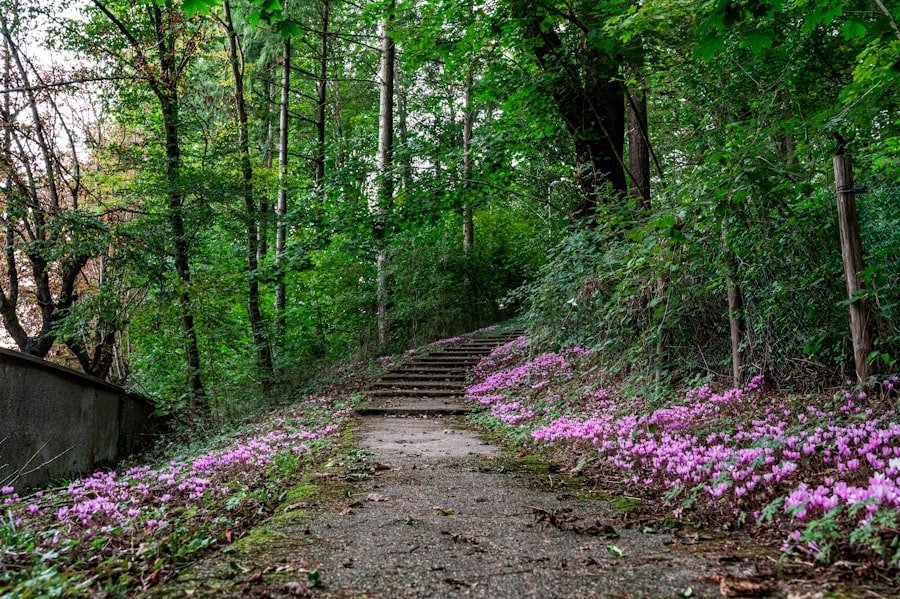
The Flower Trail is well secured, but its easy rating should not be confused with an absence of mountain hazards. Conditions can change rapidly at elevation. Wet surfaces, strong wind, poor visibility, lingering snow, thunderstorms, and sudden temperature changes can all affect an otherwise straightforward walk.
Warning: Check the official Pilatus live information and the mountain weather before leaving. Do not continue onto a closed trail, cross barriers, or leave the marked route to reach flowers, viewpoints, or wildlife.
Before starting, review Pilatus Live for current operating information and MeteoSwiss weather hazards if unstable weather is possible.
Walk at a pace that is comfortable for you, supervise children closely in mountain terrain, and turn around if weather, footing, fatigue, or visibility makes continuing uncomfortable. Staying on the established trail also helps protect the fragile alpine vegetation.
Getting to the Trailhead
The Flower Trail does not begin in the valley. It starts at Pilatus Kulm, so most visitors first travel up Mount Pilatus using one of two main approaches.
Via Kriens
From the Lucerne side, travel to Kriens and take the panorama gondolas toward Fräkmüntegg. From Fräkmüntegg, the Dragon Ride aerial cableway continues to Pilatus Kulm. This is a convenient option for visitors approaching from Lucerne.
Via Alpnachstad
The second main option is the cogwheel railway from Alpnachstad to Pilatus Kulm. Alpnachstad can be reached by train, and seasonal boat services can also connect it with Lucerne. Mountain-railway and boat operating periods vary, so use the official Pilatus timetable when planning your date.
Once you reach Pilatus Kulm, cross the terrace of Hotel Pilatus-Kulm to reach the Flower Trail. The route then continues toward Tomlishorn.
If you are driving, parking is available at the Pilatus valley stations in Kriens and Alpnachstad. You cannot simply drive a private car to the Pilatus Kulm trailhead.
Pro Tip: If you plan to use the cogwheel railway, check reservation options before a busy sightseeing day. Pilatus recommends seat reservations to reduce possible waiting times when demand is high.
The Flower Trail itself is free. However, unless you have reached Pilatus Kulm another way, you will need transportation to the summit area. Check current Pilatus tickets and fares before traveling because prices and available combinations can change.
Conclusion and Recommendations
The Pilatus Flower Trail is best understood as an easy, short panoramic mountain walk rather than a demanding hike. Its roughly 1.45 km route from Pilatus Kulm to Tomlishorn makes it a practical addition to a Mount Pilatus excursion, while the flowers, information panels, and alpine views give visitors plenty of reasons to slow down.
Allow about 1 hour 30 minutes for the complete return walk, wear sturdy footwear, bring water and weather protection, and check the current trail status before traveling. The normal season extends from around mid-June through October, but mountain conditions always take priority over the calendar.
For the best experience, focus on the details that make this particular trail special: protected alpine plants, interpretive flower signs, the possibility of seeing ibex, and the walk to Tomlishorn. Nearby attractions such as the Dragon Path can be added separately if you have enough time.
Before You Go: Check Pilatus Live for current conditions and the official transport timetable. Trail availability and mountain transport can change because of weather, snow, maintenance, or operating schedules.
Frequently Asked Questions
What is the Pilatus Flower Trail?
The Pilatus Flower Trail is a panoramic mountain path from Pilatus Kulm to Tomlishorn. It is designed to introduce visitors to alpine plants through the natural landscape and information signs along the route.
What is the difficulty level of the Pilatus Flower Trail?
Pilatus officially classifies the Flower Trail as easy. It is short and has relatively limited elevation gain, although it remains a high-mountain path where suitable footwear and good weather are important.
How long is the Pilatus Flower Trail?
The route from Pilatus Kulm to Tomlishorn is about 1.45 km one way. Walking to Tomlishorn and returning along the same route is therefore about 2.9 km in total.
How long does it take to complete the Pilatus Flower Trail?
Allow roughly 40 minutes to walk from Pilatus Kulm to Tomlishorn and about 1 hour 30 minutes for the complete out-and-back walk. Add extra time if you plan to read the flower information panels or stop frequently for photographs.
What is the best time of year to hike the Pilatus Flower Trail?
Pilatus says the trail is usually open from mid-June to October. The exact opening and the flowers visible at any given time depend on snow, temperature, weather, and other mountain conditions, so check the live trail information before traveling.
Is the Pilatus Flower Trail free?
Yes. Pilatus lists the Flower Trail itself as free. You will normally still need to pay for the mountain railway or cableway journey used to reach Pilatus Kulm.
How do I reach the Pilatus Flower Trail?
First travel to Pilatus Kulm. You can approach from Kriens using the panorama gondolas and Dragon Ride aerial cableway, or from Alpnachstad using the cogwheel railway. At Pilatus Kulm, cross the Hotel Pilatus-Kulm terrace to reach the trail.
Can I pick flowers along the Pilatus Flower Trail?
No. Alpine plants are protected throughout the Pilatus region. Leave plants where they grow and stay on the established path to help protect the mountain environment.
Sources
- Pilatus-Bahnen AG: Flower Trail to Tomlishorn — official duration, season, access, plant protection, flowers, wildlife, and trail cost.
- Lucerne Tourism: Pilatus Kulm via the Flower Trail to Tomlishorn — distance, difficulty, walking time, elevation data, equipment, access, and parking.
- Pilatus-Bahnen AG: Hiking on Mount Pilatus — official easy classification and hiking-season guidance.
- Pilatus-Bahnen AG: Timetable — current mountain railway and cableway operating information.
- MeteoSwiss: Weather Hazards — current official Swiss weather-hazard information.