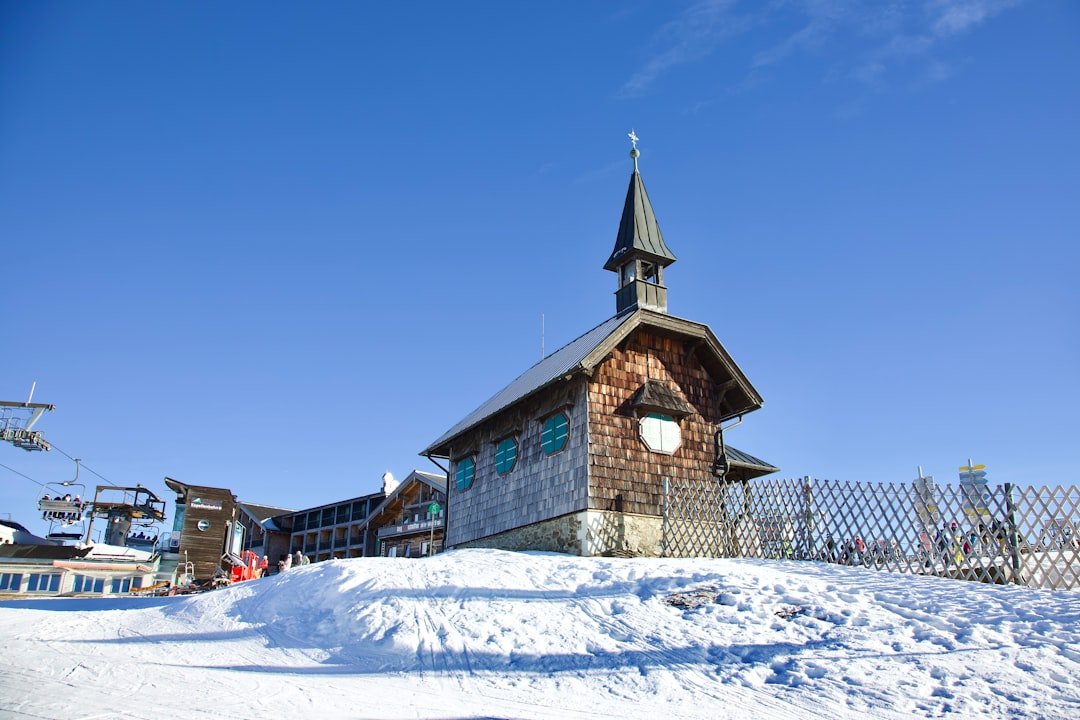
Switzerland has several mountain resorts where ordinary private cars are restricted or excluded from the village itself. That changes the travel experience: you usually arrive by train, cable car, or a combination of public transport, then explore mainly on foot. Zermatt, Wengen, Mürren, Saas-Fee, Riederalp, and Bettmeralp are among the best-known options, but each has different arrival rules, scenery, activities, and local transport.
Quick Answer
Some of the best car-free villages in Switzerland are Zermatt, Wengen, Mürren, Saas-Fee, Riederalp, and Bettmeralp. Private cars normally stop at a valley parking area or village entrance, while trains, cable cars, walking, electric vehicles, and luggage services handle the final part of the journey.
Key Takeaways
- “Car-free” usually means ordinary private cars are restricted, not that every motorized or electric vehicle is banned.
- Zermatt is the classic choice for Matterhorn scenery, while Wengen and Mürren are excellent bases for the Jungfrau Region.
- Saas-Fee combines a car-free village center with glacier scenery and extensive summer and winter activities.
- Riederalp and Bettmeralp offer car-free stays above the Rhône Valley with easy access to viewpoints over the Great Aletsch Glacier.
- If you arrive by car, plan your parking and final train or cable-car transfer before departure.
- Check railway, cable-car, hiking-trail, and ski-lift operating status before travelling because schedules and maintenance periods change by season.
Benefits of Visiting Car-Free Villages
The most noticeable difference in a car-free Swiss mountain village is the reduced presence of ordinary road traffic. Instead of planning your day around driving and parking, you can usually walk between hotels, restaurants, railway stations, lifts, and trailheads.
This makes places such as Wengen, Mürren, and Bettmeralp especially appealing to travelers who want an Alpine stay centered on walking, hiking, skiing, mountain railways, and scenery rather than driving from attraction to attraction.
A car-free village can also feel quieter than a typical road-accessible resort. That does not mean every street is completely vehicle-free. Electric taxis, hotel vehicles, service vehicles, emergency vehicles, agricultural vehicles, or public transport may operate under local rules.
Important: Do not assume that “car-free” means absolutely no vehicles. The exact restrictions differ by destination, and authorized electric, service, emergency, public-transport, or hotel vehicles may still operate.
Car-free travel can also make it easier to experience village life at walking speed. Local restaurants, bakeries, shops, railway stations, and walking routes become part of the journey rather than places you simply drive past.
What Does “Car-Free” Mean in Switzerland?
For visitors, a car-free Swiss resort generally means you cannot drive an ordinary private vehicle through the village in the same way you would in a conventional town. The final stage may require a train, cable car, gondola, taxi authorized for the access road, or a short walk.
The rules vary considerably. Zermatt Tourism, for example, states that private vehicles can travel only as far as Täsch. Once in Zermatt, visitors can walk or use options such as e-taxis, horse-drawn carriages, bicycles, and e-buses.
Saas-Fee works differently. Drivers can reach the edge of the resort, but they must leave their vehicle in the parking facilities at the village entrance. Wengen, Mürren, Riederalp, and Bettmeralp require a rail or cable-car transfer for visitors arriving from the valley.
Top Car-Free Villages to Visit in Switzerland
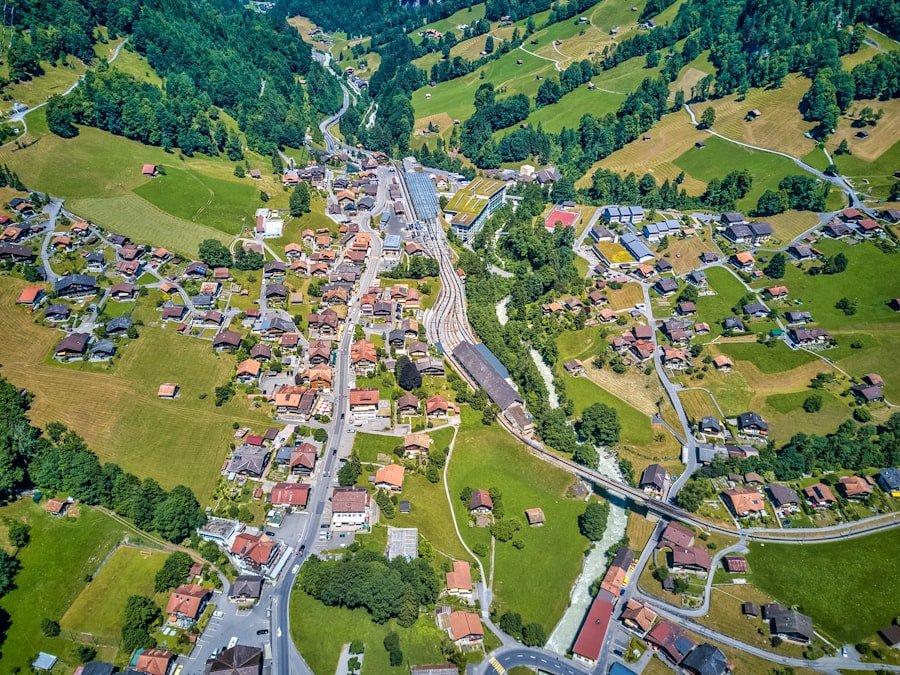
The best village depends on what you want to see. Matterhorn travelers usually gravitate toward Zermatt, while Wengen and Mürren provide convenient access to the Jungfrau Region. Saas-Fee is a strong choice for a glacier-resort atmosphere, and the Aletsch Arena villages suit travelers interested in the Great Aletsch Glacier.
| Village | How You Arrive | Good Fit For |
| Zermatt | Train to Zermatt; drivers normally park in Täsch and transfer by train or authorized taxi. | Matterhorn views, Gornergrat, skiing, hiking, restaurants |
| Wengen | Wengernalp Railway from Lauterbrunnen; drivers leave the car in the valley. | Jungfraujoch trips, hiking, skiing, families |
| Mürren | Via Lauterbrunnen-Grütschalp plus mountain railway, or via Stechelberg and cable car. | Eiger-Mönch-Jungfrau views, Schilthorn, hiking, skiing |
| Saas-Fee | Road access reaches the resort entrance; cars are left in the parking garage or outdoor parking area. | Glacier scenery, skiing, hiking, families |
| Riederalp | Cable car from Mörel; parking is available in the valley. | Aletsch Glacier area, hiking, quieter Alpine stays |
| Bettmeralp | Cable car from Bettmeralp valley station, where road and rail connections meet. | Aletsch Glacier viewpoints, walking, winter sports, families |
Zermatt
Zermatt sits beneath the Matterhorn and is Switzerland’s most internationally recognized car-free mountain resort. Private vehicles are normally left in Täsch, from where travelers continue to Zermatt by train or an authorized transfer service.
Once there, much of the village is walkable. Zermatt also has e-taxis, free e-bus routes, bicycles, and horse-drawn carriages. One of its major excursions is the Gornergrat Railway, which climbs from Zermatt into the high mountains for extensive Matterhorn, glacier, and 4,000-metre-peak views.
Zermatt Tourism says ordinary private vehicles stop in Täsch, while the official Matterhorn Terminal describes the shuttle journey from Täsch to Zermatt as approximately 12 minutes.
Wengen
Wengen occupies a sunny terrace above the Lauterbrunnen Valley. According to Wengen Tourism, the village is car-free and can be reached from Lauterbrunnen by public transport, on foot, or by bicycle.
For most visitors, the Wengernalp Railway is the practical arrival route. Wengen is particularly convenient for excursions toward Kleine Scheidegg and Jungfraujoch, as well as hiking in summer and skiing during winter.
Mürren
Mürren sits high above the Lauterbrunnen Valley with views toward the Eiger, Mönch, and Jungfrau. It is also car-free, but its transport is different from Wengen.
One route uses the aerial cableway from Lauterbrunnen to Grütschalp, followed by the narrow-gauge mountain railway to Mürren. A second route runs through Stechelberg, where the modern Schilthorn cableway provides access toward Mürren. Check the official Mürren arrival information before travel because operating patterns can change with maintenance and seasonal schedules.
Mürren is also a gateway to the Schilthorn. At the summit, Piz Gloria operates as a revolving restaurant. Hiking, skiing, climbing, and tandem paragliding are among the activities available in the wider Mürren and Lauterbrunnen area.
Saas-Fee
Saas-Fee offers another version of the car-free model. You can drive into the Saas Valley and reach the entrance to Saas-Fee, but visitors arriving by car must leave their vehicle in the parking garage or outdoor parking area at the village entrance. Current parking information is published by Saas-Fee/Saastal Tourism.
The resort is surrounded by high Alpine terrain and is known for hiking, winter sports, glacier scenery, and mountain excursions. Electric vehicles are used for some local transport and accommodation transfers.
Riederalp and Bettmeralp
Riederalp and Bettmeralp sit on the car-free plateau of the Aletsch Arena. They are strong choices for travelers who want walking trails, winter sports, and access to viewpoints over the Great Aletsch Glacier.
For Riederalp, visitors normally connect by cable car from Mörel. Bettmeralp is reached from Bettmeralp valley station by cable car. The Aletsch Arena travel guide provides current parking, cable-car, luggage, and transfer information.
Activities and Attractions in Car-Free Villages
Car-free villages are not simply places without private road traffic. They are bases for some of Switzerland’s major mountain experiences.
Hiking and Walking
Summer and early autumn bring access to extensive hiking networks. Wengen provides routes above the Lauterbrunnen Valley, Mürren has trails toward locations such as Winteregg and the Schilthorn area, and the Aletsch Arena offers hiking around Riederalp and Bettmeralp with views toward the Great Aletsch Glacier.
Trail difficulty varies widely. A paved or groomed village walk may be straightforward, while a high-Alpine route can involve steep terrain, exposure, snow, or rapid weather changes. Always check the current trail status before setting out.
Skiing and Winter Activities
Zermatt, Wengen, Mürren, Saas-Fee, Riederalp, and Bettmeralp all provide access to winter sports. Depending on the destination, activities can include downhill skiing, snowboarding, sledding, winter hiking, and snowshoeing.
Being car-free can be especially convenient on a ski holiday because railway stations, mountain lifts, equipment shops, hotels, and restaurants are often concentrated within walking distance or connected by local transport.
Mountain Railways and Cable Cars
Mountain transport is part of the attraction. In Zermatt, the Gornergrat cog railway reaches a panoramic high-Alpine viewpoint. From Wengen, rail connections lead toward Kleine Scheidegg and the Jungfrau Railway network. Mürren connects with the Schilthorn cableway, including access to Piz Gloria.
Food and Village Life
Car-free resorts also work well for travelers who want to spend time in the village rather than rush between distant attractions. Depending on the destination, restaurants may serve Swiss dishes such as rösti, fondue, raclette, regional cheeses, pastries, and contemporary international food.
Local events, mountain-sport traditions, museums, and cultural activities vary through the year. Check the destination’s current event calendar instead of assuming a particular festival or attraction will be running during your visit.
Transportation and Access to Car-Free Villages
Switzerland’s rail and mountain-transport network makes most car-free resorts straightforward to visit without renting a car. The main planning task is understanding where the final road access ends.
- Zermatt: Travel directly by train, or park in Täsch and continue by train or an authorized transfer.
- Wengen: Travel through Lauterbrunnen and continue by the Wengernalp Railway.
- Mürren: Use the Lauterbrunnen-Grütschalp cableway plus mountain railway, or travel through Stechelberg for the cableway connection.
- Saas-Fee: Drivers reach the entrance to the resort and leave their vehicles in the official parking facilities.
- Riederalp: Transfer from Mörel to the car-free plateau by cable car.
- Bettmeralp: Transfer from Bettmeralp valley station by cable car.
Pro Tip: If you are staying overnight, ask your accommodation how luggage is handled before arrival. Some car-free resorts have electric hotel pickups, taxis, luggage carts, or dedicated transport services from the railway or cable-car station.
Once inside a car-free village, walking is usually the main way to get around. Larger resorts such as Zermatt also have local electric transport. In smaller mountain villages, distances may look short on a map but still involve slopes, snow, cobblestones, or luggage, so check the exact route from the station to your accommodation.
Accommodation and Dining Options in Car-Free Villages
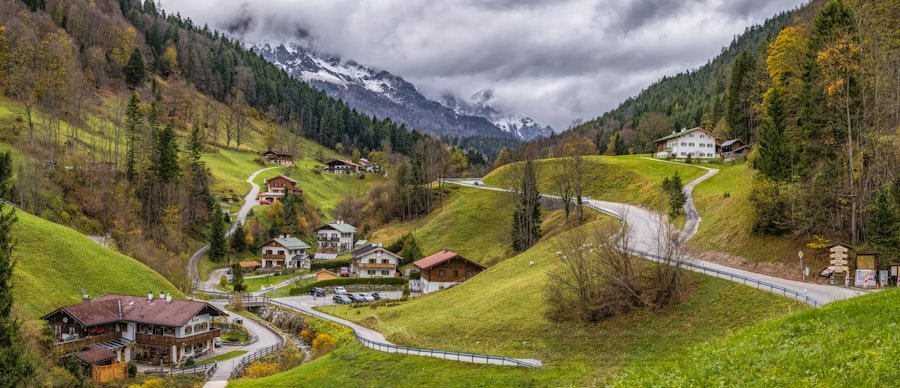
Accommodation ranges from luxury hotels and spa properties to family-run hotels, chalets, apartments, hostels, and guesthouses. Zermatt has the broadest selection among the destinations covered here, while smaller villages such as Mürren, Riederalp, and Bettmeralp can offer a more compact Alpine atmosphere.
When comparing properties, pay attention to the distance from the arrival station rather than road distance. A hotel that appears close on a map may involve an uphill walk or snowy path. If you have large suitcases, skis, a stroller, or limited mobility, confirm whether the property offers pickup or luggage transfer.
Dining ranges from casual cafés and mountain huts to hotel restaurants and higher-end dining. Swiss dishes such as rösti, fondue, and raclette are common choices, although menus vary considerably between destinations.
If environmental performance matters to you, check each accommodation’s own sustainability policies or recognized certification rather than assuming that every hotel in a car-free village follows the same environmental standards.
Sustainability and Environmental Impact of Car-Free Villages
Restricting ordinary private cars can reduce local road traffic, engine noise, and direct exhaust emissions inside a resort. It also allows more village space to function around pedestrians, public transport, and mountain infrastructure rather than conventional through-traffic.
However, a car-free label should not be treated as proof that an entire vacation is automatically low-impact. Visitors still travel to the region, mountain railways consume energy, buildings require heating, and authorized vehicles continue to perform essential work.
Some destinations document additional sustainability measures. For example, the Aletsch Arena states that Riederalp, Bettmeralp, and Fiescheralp form a car-free plateau and that its cable cars and lifts operate with renewable energy.
The most practical way for a visitor to reduce transport-related impact is to use Switzerland’s rail and public-transport network where feasible, stay longer rather than making repeated transfers, follow marked trails, and respect local conservation rules.
Tips for Visiting and Exploring Car-Free Villages in Switzerland
- Choose the village for the experience you want. Pick Zermatt for the Matterhorn, Wengen or Mürren for the Jungfrau Region, Saas-Fee for glacier-resort scenery, or Riederalp/Bettmeralp for the Aletsch Arena.
- Know where your car must stop. Do not drive toward a car-free center assuming you can reach your hotel entrance.
- Check the final transfer. A train, cable car, gondola, or combination may be required after parking.
- Pack with walking in mind. Rolling a heavy suitcase through snow or up a sloping village street can be more difficult than the map suggests.
- Check operating status. Mountain railways and cable cars can have seasonal timetables and maintenance closures.
- Dress in layers. Alpine weather can change quickly, and temperatures at mountain viewpoints may be much lower than in the valley.
- Use sturdy footwear for trails. Proper shoes are particularly important once you leave paved village streets.
- Reserve popular mountain excursions when appropriate. Busy periods can produce crowded trains, cable cars, and restaurants.
- Ask about luggage transport. This is especially helpful for families, ski travelers, and anyone carrying several bags.
- Check accessibility before booking. A car-free destination can still contain steep paths, steps, snow, or transfers between different transport systems.
Note: Shoulder-season visits can be quieter, but quieter periods may also coincide with hotel, restaurant, lift, or railway maintenance closures. Check the destination’s live operating information before booking solely to avoid crowds.
Luggage, Families, and Accessibility
Car-free villages can work very well for families because you spend less time dealing with ordinary through-traffic, but terrain still matters. A flat station area is different from an uphill chalet reached over snow or an uneven path.
If you are travelling with children, a stroller, skis, several suitcases, or mobility equipment, contact the accommodation before arrival and ask for the recommended transfer from the station. In Zermatt, luggage services and electric local transport are available. The Aletsch Arena also provides luggage and taxi services between mountain stations and accommodations.
Travelers with reduced mobility should check each leg of the trip separately, including railway platforms, cable-car boarding, hotel access, and the route between the station and accommodation. Switzerland Tourism also maintains information about barrier-free travel on Swiss public transport.
A Note About Other Car-Free and Pedestrian Destinations
Car-free travel is not unique to Switzerland. Giethoorn in the Netherlands is known for canals, boat trips, walking routes, cycling, and traditional thatched-roof houses. La Cumbrecita in Argentina has long used pedestrian restrictions in its central tourist area and is known for mountain scenery and Alpine-influenced architecture. Shirakawa-go in Japan is famous for its historic gassho-style houses and cultural heritage, although tourist vehicle parking is available, so it should not be treated as directly equivalent to a Swiss car-free resort.
For a completely separate food-and-culture topic already published on this site, see Exploring the Delightful World of Asian Melon.
Frequently Asked Questions
What are car-free villages in Switzerland?
Car-free villages are destinations where ordinary private vehicle access is restricted or excluded from the resort itself. Visitors generally walk or use trains, cable cars, electric transport, bicycles, or other authorized local services. Emergency, service, agricultural, hotel, and public-transport vehicles may be exceptions.
How many car-free villages are there in Switzerland?
There is no single simple number that works for every definition because access rules vary between resorts. Switzerland Tourism maintains a current list of car-free destinations that includes well-known places such as Zermatt, Wengen, Mürren, Saas-Fee, Bettmeralp, and Braunwald, among others.
Can I drive directly to Zermatt?
Ordinary private vehicles cannot be driven into Zermatt. Drivers normally park in Täsch and continue to Zermatt by shuttle train or an authorized transfer service.
Can I drive to Saas-Fee?
You can drive through the Saas Valley to the entrance of Saas-Fee, but the resort itself is car-free. Visitors arriving by car leave their vehicles in the parking garage or outdoor parking area at the entrance.
How do I reach Wengen without a car?
The usual route is to travel to Lauterbrunnen and continue to Wengen on the Wengernalp Railway. If you arrive by car, parking is available in the Lauterbrunnen area rather than in Wengen.
How do I reach Mürren?
One route runs from Lauterbrunnen by aerial cableway to Grütschalp and then by mountain railway to Mürren. Another route travels through Stechelberg and uses the Schilthorn cableway connection to Mürren. Check the current operating timetable before travelling.
How do residents and visitors get around in car-free villages?
Walking is usually the main option. Depending on the village, other choices can include bicycles, electric taxis, electric buses, hotel vehicles, horse-drawn carriages, trains, gondolas, and cable cars.
Are there exceptions to the car-free rules?
Yes. Rules differ by destination, but emergency vehicles, public transport, service vehicles, authorized electric vehicles, agricultural vehicles, and hotel transfers may be permitted even where ordinary private cars are restricted.
Which car-free Swiss village is best for a first visit?
Zermatt is a strong choice if seeing the Matterhorn is your priority. Wengen works well for Jungfraujoch excursions, while Mürren suits travelers who want a smaller village with dramatic Jungfrau-region views. Saas-Fee is excellent for glacier scenery, and Riederalp or Bettmeralp are appealing for access to the Aletsch Glacier area.
Sources
- Switzerland Tourism: Car-Free Destinations — identifies and describes car-free Swiss holiday resorts.
- Zermatt Tourism: Arrival and Local Transport — confirms Zermatt’s private-car restrictions, Täsch transfer, e-taxis, e-buses, and other local transport.
- Wengen Tourism: Arrival — confirms Wengen’s car-free status and access from Lauterbrunnen.
- Mürren Tourism: Arrival — explains current access routes to car-free Mürren.
- Saas-Fee/Saastal Tourism: Saas-Fee Parking — confirms parking arrangements at the entrance to the car-free resort.
- Aletsch Arena: Travel and Mobility — covers access, parking, cable cars, luggage, and transport for Riederalp and Bettmeralp.