Rhine Falls near Schaffhausen is worth visiting in every season, but the experience changes greatly with river flow, weather, daylight, crowds, and boat availability. The falls stretch roughly 150 meters across and drop about 23 meters, and official Swiss tourism sources describe them as Europe’s largest waterfall. If your priority is a powerful-looking cascade with comfortable outdoor conditions, late spring and early summer are usually the strongest starting point for planning.
Quick Answer
For most visitors, late May through June is an excellent time to visit Rhine Falls because snowmelt and seasonal rainfall can produce impressive flow while the main visitor facilities and boat services are operating. Choose September for milder crowds, summer for long days, or winter for a quieter atmosphere. Always check current river flow and operating schedules before travelling.
Key Takeaways
- Late spring and early summer are usually the best choice if seeing a forceful cascade is your main goal, although actual river flow varies with snowmelt, rainfall, heat, and drought.
- Summer offers long daylight hours and the broadest range of activities, but it is also the busiest period.
- September and early autumn can provide a good balance of pleasant conditions and fewer visitors.
- Rhine Falls itself is generally accessible around the clock, 365 days a year, although individual attractions, lifts, ticket offices, restaurants, and boat services follow their own schedules.
- Visit early in the morning or later in the day if you want fewer people in photographs and a calmer experience.
The Best Time to Visit Rhine Falls for Spectacular Views
There is no single perfect month for every visitor. The best time depends on whether you care most about water volume, warm weather, boat rides, photography, or avoiding crowds.
| Period | Best For | What to Expect |
|---|---|---|
| May to June | Powerful water, green scenery, boat trips | Often an excellent balance of higher seasonal flow and comfortable sightseeing conditions. Weekends can become busy. |
| July to August | Warm weather, long days, full activity range | Peak holiday period. Flow can still be impressive, but prolonged heat or drought can reduce discharge, so do not judge conditions by the calendar alone. |
| September to October | Fewer crowds, cooler walks, autumn scenery | A strong alternative for visitors who value a calmer visit more than maximum seasonal flow. Boat schedules begin to taper later in autumn. |
| November to March | Quiet atmosphere, winter scenery | The falls remain accessible, but temperatures are colder and many seasonal boat services are limited or unavailable. |
Late spring and early summer are commonly attractive because Alpine snowmelt and rainfall can add water to the Rhine. However, river conditions are never guaranteed. A dry spell can reduce discharge even during summer, while heavy rainfall can increase it at other times.
For the most reliable picture immediately before your visit, check the official Rhine Falls website. Its live display reports current discharge using data from the Swiss Federal Office for the Environment.
The calendar can suggest when Rhine Falls is likely to look powerful, but current river discharge tells you more than the month alone.
Weather and Climate Considerations
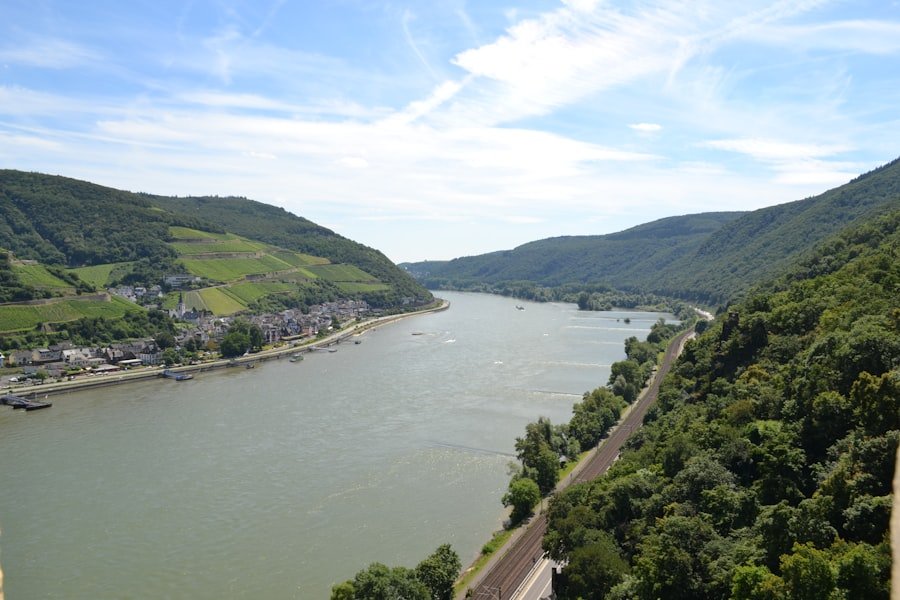
The Schaffhausen region experiences four distinct seasons. Late spring and summer are generally more comfortable for spending several hours outdoors, while autumn brings cooler conditions and winter can be cold enough for frost or snow.
Rhine Falls itself does not close for winter. The official visitor information states that the falls are generally accessible around the clock, 365 days a year. However, visitor centres, restaurants, lifts, boat services, and other attractions have their own operating hours, and temporary maintenance or weather-related restrictions can affect individual facilities.
Winter offers a very different experience. The river, mist, bare trees, snow, and colder light can create dramatic photographs, and visitor numbers are often lower than in the main summer holiday season. You should still wear shoes with good grip and allow extra time if surfaces are wet, frosty, or icy.
Warning: Spray from the falls can make paths, stairs, viewing platforms, and camera equipment wet. In cold weather, moisture can also freeze. Follow on-site signs, stay behind barriers, and use extra care on steps and exposed viewpoints.
Which Side of Rhine Falls Should You Visit?
Rhine Falls can be experienced from both sides of the river, and each side has advantages.
Neuhausen am Rheinfall and Schlössli Wörth
The northern bank around Schlössli Wörth provides direct access to the Rhine Falls basin. According to the official Rhine Falls visitor information, there is no Rhine Falls entrance fee on this side. It is also convenient for boat departures and for visitors arriving at Neuhausen Rheinfall railway station.
Schloss Laufen and Dachsen
The southern side places you above and beside the waterfall at historic Schloss Laufen. Its viewing platforms give close views of the rushing water, and the site includes the Historama exhibition, panoramic lift, and several viewing areas.
As checked on August 16, 2026, Schloss Laufen admission is CHF 5 for adults and CHF 3 for children ages 6 to 15. The ticket includes the Historama and viewing platforms. Prices can change, so verify them on the official Rhine Falls opening-hours and prices page before travelling.
Note: If you have enough time, seeing both banks gives you a much better sense of the scale of the falls than staying at one viewpoint.
Tips for Avoiding Crowds
| Tip | Why It Helps |
|---|---|
| Visit early | Arriving before the main daytime sightseeing period usually gives you more room on popular viewpoints and paths. |
| Stay later in the day | Day-trip traffic often eases later, and evening light can also improve photography. |
| Choose a weekday | Weekdays are generally a better choice than summer weekends and public holidays if crowd avoidance matters to you. |
| Consider May, September, or early autumn | These periods can provide a better balance between operating attractions and lighter holiday crowds. |
| Check major events | Special events can significantly increase visitor numbers and affect transport or parking. |
The early morning is particularly useful for photographers because it is easier to find unobstructed positions before large tour groups arrive. Later afternoon and evening can also work well, especially if you want to stay for the illuminated falls.
Do not deliberately choose severe weather simply to avoid other visitors. Light rain may reduce crowds, but heavy rain, storms, slippery surfaces, poor visibility, or extreme heat can make the visit less comfortable and potentially less safe.
Pro Tip: If your schedule is flexible, check the live Rhine discharge and local weather forecast a day or two before your trip, then choose the clearest suitable weekday rather than relying only on a fixed month.
Photography Opportunities
Rhine Falls offers several very different photographic perspectives. Wide views from higher platforms show the full waterfall and surrounding landscape, while the lower viewpoints near Schloss Laufen emphasize the speed, spray, and scale of the water.
Early morning can help you avoid people in the frame. Late afternoon can provide softer light, and the evening illumination creates a completely different scene after dark.
The official Rhine Falls information says the falls are normally illuminated daily after dusk until 11 p.m., except on the day of the full moon and the following day. Schedules and maintenance interruptions can occur, so check the official Rhine Falls illumination information before making a special evening trip.
If you use long exposures, keep tripods and bags out of busy walking routes and protect your equipment from spray. A lens cloth is useful because fine droplets can quickly collect on the front element of a camera or phone lens.
Activities and Attractions Nearby
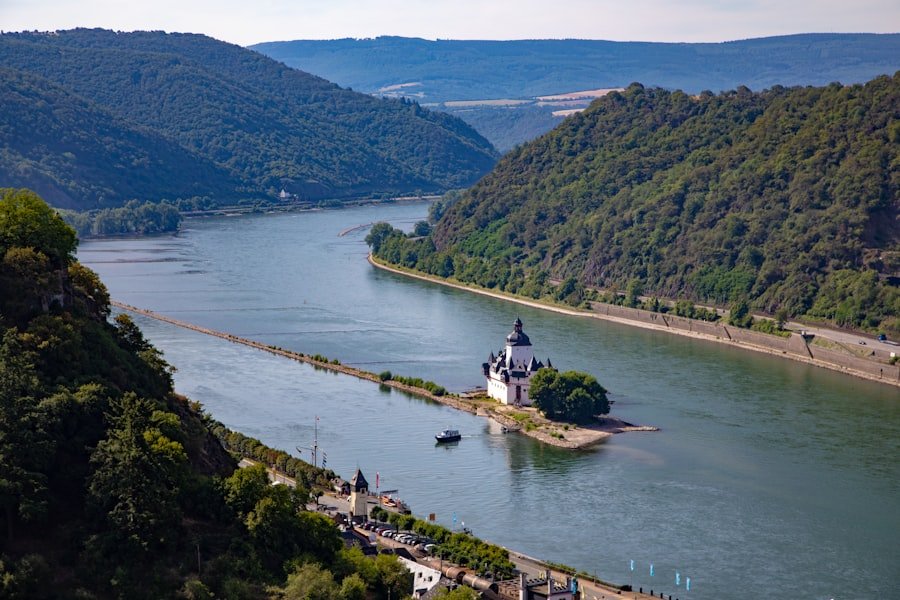
Rhine Falls is more than a single viewpoint. Allowing several hours gives you time to explore both the waterfall and some of the surrounding attractions.
Take a Rhine Falls Boat Trip
Boat excursions offer some of the closest views of the waterfall, including routes that approach the central rock. Regular services are seasonal and vary by operator. Current Schaffhauserland listings show a broad main operating season, with much more limited service during winter. Check current schedules before travelling rather than assuming boats operate every day of the year.
For current operator details, see Schaffhauserland Tourism’s Rhine Falls boat information.
Visit Schloss Laufen
Schloss Laufen rises above the southern bank and has more than 1,000 years of documented history. Its Historama traces the development of tourism and life around Rhine Falls, while the viewing platforms bring you very close to the water.
The “Belvedere” viewpoint is on the panoramic route, while the Känzeli and Fischetz platforms involve steps. Visitors with limited mobility should check the latest access information because the lowest areas and boat pier on the Schloss Laufen side are not fully step-free.
Walk Around the Falls
The official Rhine Falls walking network includes a short circular trail of about 3.5 km that takes roughly one hour and a longer route of about 7 km that takes around 1 hour 50 minutes. These walks are useful if you want river views away from the busiest platforms.
Current route information is available on the official Rhine Falls walking-trails page.
Explore Schaffhausen
If you have a full day, combine Rhine Falls with Schaffhausen. The historic centre, Rhine waterfront, and Munot fortress make a natural extension to the trip and give you more to do than simply arriving, photographing the falls, and leaving.
Getting to Rhine Falls
Public transport is one of the easiest ways to reach Rhine Falls, particularly during busy summer weekends when parking areas can fill.
By Train
Two useful railway stops serve the attraction:
- Neuhausen Rheinfall: convenient for the northern bank and Rhine Falls basin.
- Schloss Laufen am Rheinfall: convenient for Schloss Laufen and the southern viewpoints.
The official Rhine Falls arrival guide says Neuhausen Rheinfall station is approximately an eight-minute walk from the northern-side attraction area. It also directs visitors to current Swiss Federal Railways schedules rather than publishing fixed train times.
Check your journey using SBB on the day you travel, especially if you are connecting from Zurich, Schaffhausen, Lucerne, or another Swiss city.
By Car
Parking is available on both sides of the river. If you are driving during the main summer season, arriving early gives you the best chance of finding a convenient space and also helps you reach the viewing platforms before the busiest part of the day.
For current driving directions, parking details, and accessibility information, use the official Rhine Falls arrival page.
Evening Visits and Special Events
An evening visit can be one of the most atmospheric ways to experience Rhine Falls. The waterfall is normally illuminated after dusk, giving photographers and casual visitors a different perspective from daytime viewing.
Special events should always be checked individually. They can be rescheduled or cancelled for weather, safety, environmental, or operational reasons. For example, the large Rhine Falls fireworks display planned for July 31, 2026 was cancelled because of exceptional drought. This is why it is not accurate to assume that a fireworks show will automatically take place every August 1.
Use the official Rhine Falls website for the current event calendar before organizing a trip around a specific celebration.
Accessibility and Family Considerations
Families with prams and visitors with reduced mobility should decide which bank to use before arriving. The northern Neuhausen side has accessible routes toward the Rhine Falls basin, although individual lifts can occasionally be unavailable because of maintenance.
At Schloss Laufen, the castle grounds, visitor centre, Historama, panoramic lift, and Belvedere route offer step-free options, but the Känzeli and Fischetz platforms involve stairs, and the lowest Rhine Falls basin and boat pier on that side are not fully accessible without steps.
Always check current accessibility notices on the official visitor information page shortly before travelling because temporary lift or construction work can change the best route.
Conclusion and Final Thoughts
For most first-time visitors, late May through June is a strong choice for Rhine Falls because it combines a good chance of energetic seasonal water flow with comfortable sightseeing conditions and the main range of visitor activities. July and August provide long days and warm weather but usually bring more visitors, while September is an appealing alternative if you prefer a calmer trip.
Winter should not be dismissed. Rhine Falls itself remains accessible year-round, and the colder months offer quieter paths and a very different landscape, although boat services and individual attractions are more limited.
The most useful planning strategy is to combine the season with current information. Check the live river discharge, weather forecast, boat schedule, illumination plan, and transport conditions shortly before departure. Then arrive early or stay later in the day if photography and lower crowds matter to you.
If your wider travel reading also includes food and fruit topics, the original article links to Exploring the Delightful World of Asian Melon. It is separate from Rhine Falls planning, so treat it as optional reading rather than visitor guidance.
Sources
- Rhine Falls Coordination Office: Opening Hours & Prices — year-round access, admission prices, accessibility, and visitor information.
- Rhine Falls Coordination Office: Arrival — rail stations, walking access, road directions, and transport guidance.
- Switzerland Tourism: Rhine Falls — waterfall dimensions and general visitor facts.
- Schloss Laufen: Contact and Opening Hours — seasonal facility hours, viewing-platform access, parking, and accessibility.
- Rhine Falls: Illumination — evening lighting schedule and full-moon exceptions.
- Rhine Falls: Walking Trails — official short and long circular walking routes.
Frequently Asked Questions
What is the best time to visit Rhine Falls?
For most visitors, late May through June is an excellent choice because seasonal snowmelt and rainfall can help produce impressive flow while the main attractions and boat services are operating. Actual discharge varies, so check the official live river-flow information before travelling.
What is the best time of day to visit Rhine Falls?
Early morning is usually best for a quieter experience and easier photography. Late afternoon and evening are also attractive, especially if you want softer light or plan to see the illuminated falls after dark.
When is Rhine Falls busiest?
The main summer holiday period, particularly July and August, is generally the busiest. Weekends, public holidays, and major local events can also increase visitor numbers. A weekday morning is a better choice if you want more space.
When is Rhine Falls less crowded?
September, early autumn, winter, and early spring are generally calmer than peak summer. Visiting early or late in the day can also reduce crowd pressure even during the main season.
Is Rhine Falls open in winter?
Yes. Rhine Falls itself is generally accessible around the clock, 365 days a year. Individual restaurants, visitor facilities, lifts, boat operators, and attractions have separate hours, and temporary weather or maintenance restrictions can occur.
Do Rhine Falls boat trips operate all year?
Regular boat services are mainly seasonal. Operators normally provide their broadest schedules from spring through early autumn, with reduced or charter-only options during colder months. Always check the current operator timetable before travelling.
Is there an entrance fee for Rhine Falls?
The Neuhausen am Rheinfall and Schlössli Wörth side has no Rhine Falls entrance fee. On the Schloss Laufen side, access to the Historama and viewing platforms is ticketed. As checked on August 16, 2026, the price was CHF 5 for adults and CHF 3 for children ages 6 to 15.
Are there fireworks or a light show at Rhine Falls?
The falls are normally illuminated after dusk until 11 p.m., with exceptions around the full moon and occasional maintenance periods. Fireworks should be checked separately each year. The display scheduled for July 31, 2026 was cancelled because of exceptional drought, so do not assume a fireworks event will take place on a fixed date.