July brings Switzerland into full summer mode, with green valleys, wildflowers, long daylight hours, lively lakesides, and high mountain routes opening for the season. I love this time of year because one day can include a quiet walk beside a lake, a mountain excursion, and dinner in a historic old town. The important thing is to plan for both warm lowland weather and much cooler conditions at altitude.
Quick Answer
July is an excellent month to visit Switzerland for hiking, mountain excursions, lake activities, festivals, and sightseeing. Lower areas can be warm or hot, while high elevations stay much cooler. Expect peak-season crowds, book popular accommodation early, pack layers and rain protection, and check mountain weather before each outdoor trip.
Key Takeaways
- Switzerland in July offers green landscapes, accessible mountain areas, long days, and excellent conditions for sightseeing and outdoor activities.
- Weather changes with altitude, so warm valley temperatures do not mean it will be warm on mountain summits.
- Hiking, biking, paragliding, swimming, kayaking, and scenic rail journeys are popular summer activities.
- July is a busy travel month, so popular hotels, mountain excursions, and festival dates benefit from advance planning.
- Montreux Jazz Festival and Paléo Festival Nyon are genuine July highlights, while several events sometimes confused with July take place in other months.
Weather in Switzerland in July
July is generally the warmest month of the Swiss year, but there is no single useful temperature range for the whole country. Switzerland’s elevation changes dramatically over short distances, so conditions beside a lake can be very different from those on a mountain summit.
MeteoSwiss notes that average maximum temperatures of around 25°C or more are possible in lower-lying parts of Switzerland during summer. Heatwaves can also push daytime temperatures above 30°C. Higher mountain areas remain much cooler, and exposed summits can feel cold even when cities are hot.
July is generally Switzerland’s warmest month, but altitude matters as much as the date on the calendar.
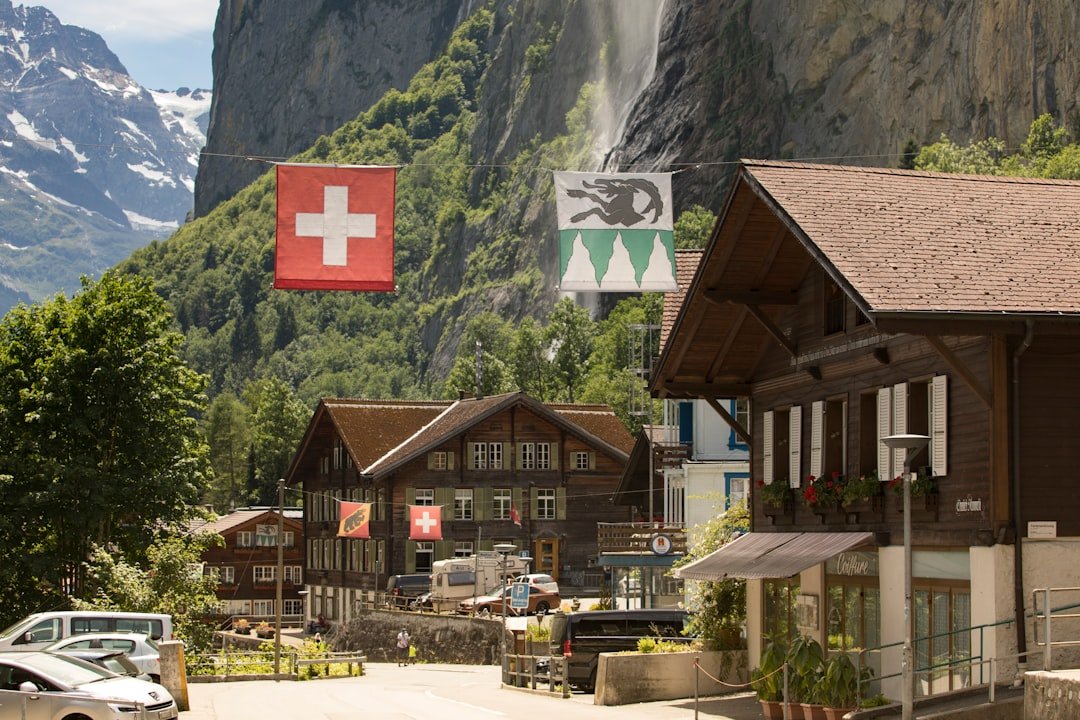
That variety is part of what makes Swiss summer landscapes so striking. Rolling hills turn deep green, wildflowers brighten alpine meadows, and lakes reflect the surrounding peaks. Wooden chalets, grazing cattle, waterfalls, and high ridgelines create completely different scenes within a relatively short journey.
I also like the changing light in July. Long summer days give you more time for sightseeing, while mornings and evenings can be especially beautiful around lakes and mountain villages.
Note: Do not judge mountain conditions from the weather at your hotel. Check the local forecast for the exact destination and elevation before taking a cable car, hiking trail, or exposed mountain route.
Outdoor Activities and Adventures
With such varied scenery, Switzerland offers plenty to do outdoors in July. Hiking is one of my favorite options because trails can lead through forests, alpine meadows, waterfalls, mountain villages, and panoramic viewpoints in a single day.
Switzerland has a large network of marked hiking routes, but trail categories matter. An easy walking path and a demanding alpine trail are not the same thing. Switzerland Tourism’s hiking guidance explains that alpine routes can cross scree, snowfields, glaciers, and exposed terrain and may require strong fitness, sure-footedness, and specialist equipment.
Mountain biking is another exciting way to explore the countryside. Trails range from gentle valley routes to steep technical descents. Paragliding is also popular in mountain destinations, giving you a bird’s-eye view of lakes, villages, and ridges when weather conditions allow.
Rock climbing, scenic walks, cycling, and mountain railway trips give travelers plenty of choices even if a long hike is not part of the plan.
Pro Tip: Start mountain activities early in the day when practical. It gives you more daylight, more flexibility, and time to change plans if clouds, rain, or thunderstorms develop.
Festivals and Events
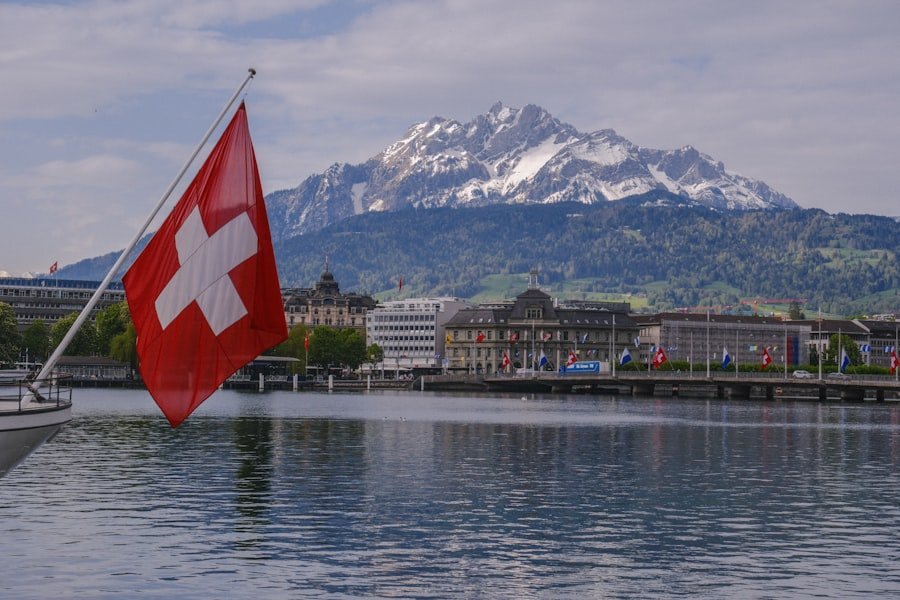
Switzerland’s summer season is not only about scenery and outdoor adventures. July also brings major music and cultural events that can become a memorable part of a trip.
The Montreux Jazz Festival is one of the best-known examples. Its 60th edition ran from July 3 to July 18, 2026, bringing concerts and other activities to Montreux beside Lake Geneva.
Another major July event is Paléo Festival Nyon. Its 2026 edition ran from July 21 to July 26. Dates change from year to year, so I always check the official festival calendar before building flights or hotel reservations around an event.
One important correction is the Fête de l’Escalade in Geneva. I enjoy the history and atmosphere surrounding this famous local tradition, but it is not a July festival. Geneva Tourism places the Escalade celebrations in December.
The Locarno Film Festival and Zurich Street Parade should not be treated as July events either. Their 2026 editions took place in August. If one of these events is central to your trip, check that year’s official dates before deciding when to visit.
Culinary Delights of Swiss Cuisine
| Dish | Description | Ingredients |
|---|---|---|
| Rösti | Swiss-style grated and fried potatoes | Potatoes, butter, salt, pepper |
| Fondue | Melted cheese served with bread | Cheese, white wine, garlic, kirsch, bread |
| Raclette | Melted cheese traditionally served with potatoes and pickles | Cheese, potatoes, pickles, onions |
| Zürcher Geschnetzeltes | Sliced veal in a creamy mushroom sauce | Veal, mushrooms, cream, white wine, butter |
As I explore Switzerland in summer, food provides another way to experience its regional character. Swiss cuisine reflects different languages, landscapes, and local traditions, so specialties vary depending on where you travel.
Cheese fondue and raclette may be the famous names, but local markets can be just as interesting. They give you a chance to see regional cheeses, breads, cured meats, fruit, vegetables, and other seasonal products while meeting local producers.
I also enjoy traditional restaurants where simple dishes such as rösti can be paired with regional ingredients. In warm July weather, lighter meals and outdoor terraces can be just as appealing as the richer dishes people often associate with Switzerland.
Exploring Swiss Cities and Towns
Switzerland’s cities and towns add history, architecture, museums, restaurants, and lakeside life to a July itinerary.
Zurich combines an old town with a major urban center and easy access to Lake Zurich. Summer is a good time to walk beside the lake, explore historic streets, browse shops, and use the city as a transport hub for other parts of the country.
Lucerne feels different. Its historic center, Chapel Bridge, waterfront, and mountain backdrop make it one of the easiest places to combine city sightseeing with lake and mountain experiences.
Geneva offers a more international atmosphere beside Lake Geneva, while Bern’s old town rewards slower exploration through arcaded streets, historic buildings, fountains, and viewpoints.
Smaller mountain and lakeside communities can be just as memorable. They often provide quicker access to hiking trails and a quieter evening atmosphere after day-trippers leave.
Getting Around Switzerland in July
Public transport makes it possible to combine cities, lake towns, and mountain regions without renting a car. Trains connect the major cities, while buses, boats, mountain railways, and cable cars extend the network into many tourist areas.
Visitors planning frequent travel can compare individual tickets with the Swiss Travel Pass. SBB offers consecutive passes for several trip lengths, while the Swiss Travel Pass Flex allows selected travel days within one month.
Do not assume every mountain railway, cable car, or premium scenic service is completely included. Coverage, discounts, supplements, and reservation requirements vary, so I check the exact journey before buying a pass.
July is a busy period on popular routes. When a specific panoramic train, hotel, or mountain excursion is essential to my trip, I avoid leaving the important bookings until the last moment.
Alpine Hiking and Mountain Excursions
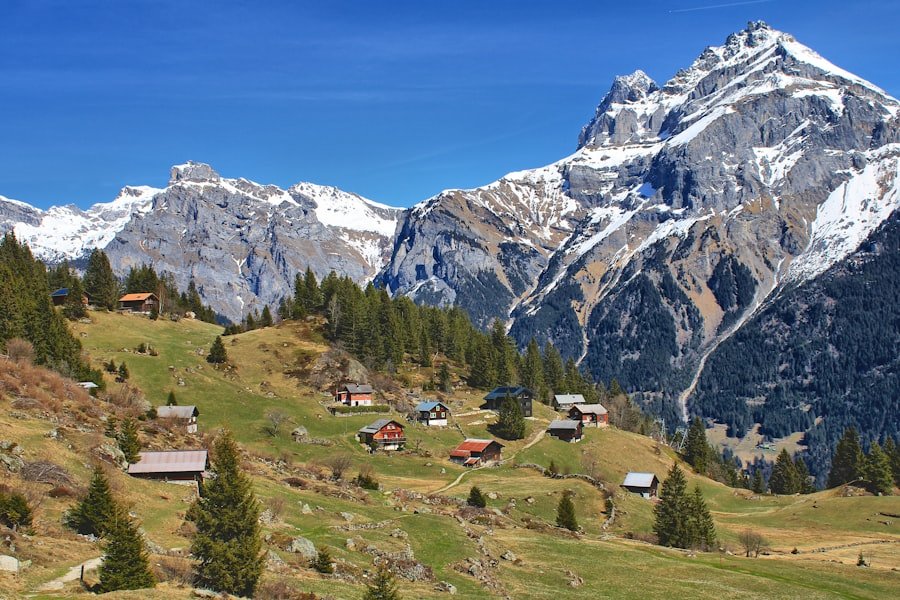
Summer in the Swiss Alps opens up a huge range of walking and mountain-excursion possibilities. Trails can lead through flower-filled meadows, forests, rocky slopes, high viewpoints, and areas overlooking glaciers.
One of my most memorable mountain areas is around the Great Aletsch Glacier. The glacier is the largest in the Alps, and viewpoints around the region reveal its enormous scale without requiring travelers to walk directly onto the ice.
A hike near a glacier is very different from a guided glacier crossing. Walking onto glacial ice introduces serious hazards and should not be treated like an ordinary marked hiking trail.
Warning: High mountain weather can change quickly. Check the forecast and trail status, carry suitable footwear and layers, and do not enter glaciers, snowfields, or technical alpine terrain unless the route matches your experience and equipment.
You do not need to conquer a difficult summit to enjoy the Alps. Cable cars and mountain railways make many panoramic areas accessible, and easier walks can still deliver excellent views. Choosing a route that matches your fitness and experience is more important than chasing the highest viewpoint.
Water Sports and Lake Activities
Switzerland’s lakes offer a different kind of July adventure. On warm days, I enjoy being beside the water as much as being in the mountains.
Lake Geneva is well suited to boat trips and water activities, while Lake Zurich combines swimming areas, paddling opportunities, and easy access from the city. Lake Neuchâtel is another large lake where wind and open water can create good conditions for activities such as sailing and windsurfing.
Kayaking and paddleboarding give you a slower way to enjoy the landscape. From the water, the surrounding mountains and towns often look completely different.
Swimming can also be refreshing, but clear water is not always warm water. Conditions vary by lake, depth, weather, and location.
Warning: Use designated swimming areas where available, follow local safety notices, wear appropriate flotation equipment for paddling sports, and leave open water if storms or strong winds approach.
Crowds, Reservations, and July Planning
July combines good summer access with school-holiday travel, festivals, and demand for mountain destinations. Popular places can therefore feel busy, especially during weekends and major events.
I prefer to reserve accommodation first when my itinerary depends on staying in a particular mountain village or lakeside town. Once that is secure, I plan transport and major paid activities around it.
- Hotels: Book important stays early if location matters to you.
- Festival visits: Confirm exact event dates before reserving non-refundable travel.
- Mountain excursions: Check operating information and weather close to your visit.
- Restaurants: Reservations can help for popular places and special dinners.
- Transport: Check whether your chosen scenic service requires a seat reservation or supplement.
Weather-dependent activities deserve some flexibility. A completely fixed itinerary can become frustrating if clouds hide the mountains on the one day you scheduled your most expensive viewpoint.
What to Pack for Switzerland in July
A July packing list needs to work for warm cities, rain, and cold mountain conditions in the same trip.
- Lightweight shirts and comfortable summer clothing
- A warm layer such as a fleece or light insulated jacket
- Water-resistant or waterproof outer layer
- Comfortable walking shoes
- Proper hiking footwear for mountain trails
- Sun hat and sunglasses
- Sunscreen
- Reusable water bottle
- Small daypack
- Phone charger or power bank
- Swimsuit if you plan to use lakes, pools, or spas
For higher elevations, I add layers rather than relying on the temperature in Zurich, Geneva, or Lucerne. Mountain wind and cloud can make conditions feel much colder.
A Simple 7-Day Switzerland in July Itinerary
If it is your first trip, a one-week route can mix cities, lakes, and mountains without trying to see the entire country.
- Day 1: Zurich – Explore the old town and Lake Zurich, then recover from your journey.
- Day 2: Lucerne – Walk through the historic center and enjoy the lakefront.
- Day 3: Lucerne mountain day – Choose a nearby mountain excursion based on visibility and weather.
- Day 4: Interlaken region – Travel into the Bernese Oberland and explore the valleys or lakes.
- Day 5: Alpine hiking or viewpoint day – Pick a trail or mountain excursion that fits your fitness and the forecast.
- Day 6: Montreux and Lake Geneva – Enjoy the lakeside area and, when dates match, a July festival.
- Day 7: Bern or Geneva – Finish with historic sightseeing before your onward journey.
This route is only a framework. I would rather spend two nights in fewer places than change hotels every day, especially if hiking and mountain scenery are the main reasons for visiting.
Relaxation and Wellness in Swiss Spas and Resorts
After several days of sightseeing and outdoor activity, Switzerland’s spas and wellness resorts offer a quieter side of the trip. Mountain and lakeside properties often combine pools, saunas, treatments, and relaxation areas with views of the surrounding landscape.
I especially enjoy treatments followed by time in a thermal bath, pool, or sauna. Some wellness destinations use naturally heated mineral water, while others focus more on modern spa facilities and treatments.
The best part is the change of pace. After hiking, cycling, or moving between cities, a slower afternoon can make the rest of the trip more enjoyable rather than trying to fill every hour with sightseeing.
Overall, my summer experiences in Switzerland have combined scenery, food, outdoor adventure, culture, and quiet moments in a way that keeps the country interesting from one region to the next. July provides a particularly wide range of possibilities, but good planning matters. I get more from the trip when I stay flexible with mountain weather, choose activities that fit my ability, and leave enough time to enjoy each place instead of rushing through it.
If you’re also exploring food topics beyond Swiss cuisine, the site’s existing article Exploring the Delightful World of Asian Melon covers that separate subject. Asian melon is not a Switzerland travel essential, but the existing resource may be useful if you are specifically interested in the fruit.
Frequently Asked Questions
What is the weather like in Switzerland in July?
July is generally Switzerland’s warmest month. Lower-altitude cities and valleys can be warm or hot, and temperatures may exceed 30°C during heatwaves. Mountain areas are much cooler, especially at high elevations. Rain, wind, and thunderstorms can also develop, so check local forecasts rather than relying on one national temperature range.
What are popular places to visit in Switzerland in July?
Popular choices include Lucerne, Zurich, Bern, Geneva, Montreux, the Bernese Oberland, Interlaken, the Matterhorn region, and alpine areas around the Great Aletsch Glacier. The best choice depends on whether you prefer cities, lakes, hiking, mountain railways, or a mix of all four.
What outdoor activities are available in Switzerland in July?
Depending on the region and weather, July can be suitable for hiking, cycling, mountain biking, paragliding, sightseeing on mountain railways, lake cruises, swimming, kayaking, paddleboarding, and other water sports. Always match mountain routes to your experience and check current local conditions.
Are there special events or festivals in Switzerland in July?
Yes. Montreux Jazz Festival is a major July event, and Paléo Festival Nyon is another prominent summer festival. In 2026, Montreux ran July 3-18 and Paléo ran July 21-26. The Locarno Film Festival and Zurich Street Parade were August events in 2026, while Geneva’s Fête de l’Escalade belongs to December.
What should I pack for a trip to Switzerland in July?
Pack lightweight summer clothing plus a warm layer, rain protection, comfortable walking shoes, sunscreen, sunglasses, and a sun hat. Bring proper hiking footwear if you plan to use mountain trails. Even when valleys are hot, high elevations can be cold and windy.
Is Switzerland crowded in July?
July is a popular summer travel period, so famous mountain destinations, lakeside towns, festivals, and major sightseeing routes can be busy. Booking important accommodation and fixed-date activities in advance gives you more choice.
Do I need a car in Switzerland in July?
Not necessarily. Switzerland’s rail, bus, boat, and local transport networks reach many major tourist destinations. A car can be useful for some rural plans, but travelers focusing on well-connected cities and mountain resorts can build an entire trip around public transport.
Is July a good month for hiking in Switzerland?
July is an excellent hiking month in many regions, but conditions vary by elevation and year. High routes can still contain snow or difficult terrain. Check the exact trail, weather, operating status, difficulty rating, and required equipment before starting.
Sources
- MeteoSwiss – The Climate of Switzerland – July temperatures, heat, and regional climate differences.
- Montreux Jazz Festival – official festival information and 2026 July dates.
- Paléo Festival Nyon – official information for the July 2026 festival.
- Geneva Tourism – Fête de l’Escalade – confirms that Escalade is a December tradition rather than a July event.
- SBB – Swiss Travel Pass – public transport pass options for international visitors.
- Switzerland Tourism – Hiking Information – trail categories, equipment, and alpine hiking safety.