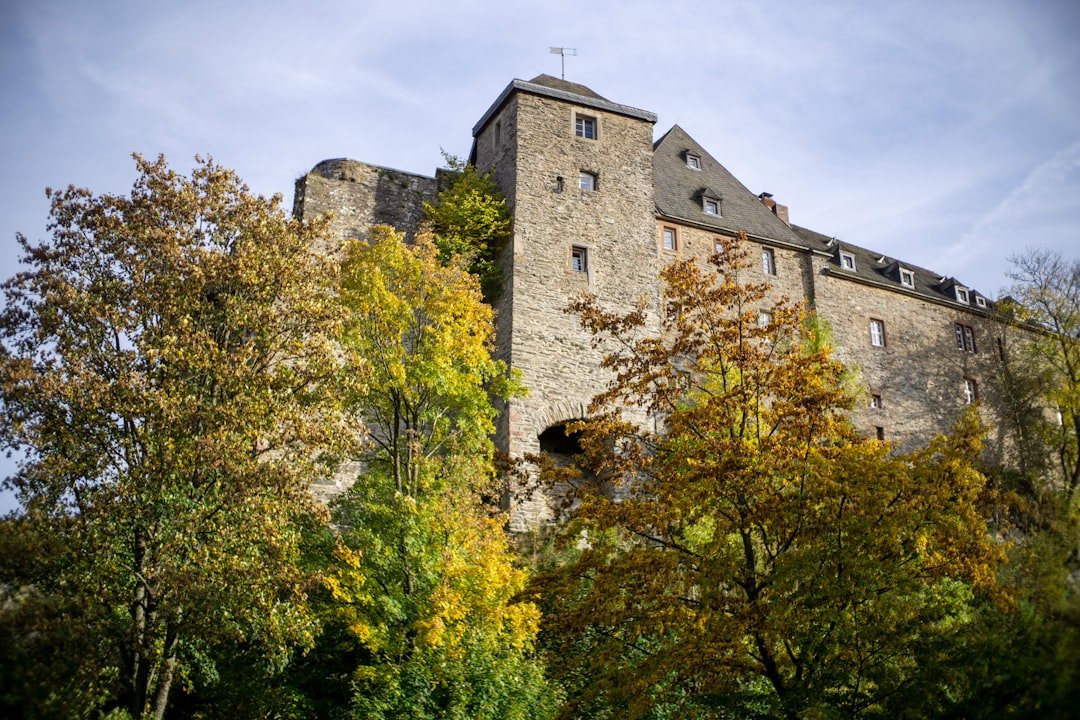
Rapperswil Castle rises above the old town of Rapperswil on the eastern end of Lake Zurich, where its three-tower silhouette has become one of the area’s best-known landmarks. The castle has nearly 800 years of documented history, including destruction by Zürich, rebuilding under Habsburg rule, a long connection with Polish history, and a modern visitor exhibition focused on the castle itself.
Quick Answer
Rapperswil Castle is a 13th-century landmark above Lake Zurich. Visitors can explore a history exhibition, climb the Gügelerturm for views, walk the castle hill, and see the nearby deer park. As of August 2026, the exhibition is open Tuesday through Sunday from 10:00 to 17:00, with adult admission at CHF 14.
Key Takeaways
- Rapperswil Castle and the fortified town were founded in the first half of the 13th century and were first documented in 1229.
- Zürich destroyed the town and castle in 1350; the Habsburgs later rebuilt the complex and gave it much of the silhouette seen today.
- The castle has a major Polish historical connection because Count Władysław Plater established a Polish National Museum there in 1870.
- The Polish Museum no longer occupies the castle. Its current exhibitions are at the Burghof on Hauptplatz, while Rapperswil Castle has its own history exhibition.
- The castle is about a 10-minute uphill walk from Rapperswil railway station and offers broad views over the town and Lake Zurich.
Rapperswil Castle History
The fortified town and castle of Rapperswil were established by the Counts of Rapperswil during the first half of the 13th century. The town and castle were first mentioned in surviving written records in 1229. Their position above the upper part of Lake Zurich gave the ruling family a highly visible seat of power overlooking important regional routes.
A defining moment came in 1350, when forces from Zürich destroyed both the fortified town and castle during conflict involving Zürich and Rapperswil. The Habsburgs subsequently acquired Rapperswil and rebuilt the castle. According to the Swiss Castles association, major reconstruction between roughly 1360 and 1400 created much of the three-tower silhouette that defines the complex today. You can read the castle’s official historical overview through Die Schweizer Schlösser.
Rapperswil’s political position continued to change during the later Middle Ages. During the Old Zürich War, the town was connected to Habsburg-Austrian rule while also maintaining links with Zürich. In 1464, Rapperswil entered a protectorate alliance with Uri, Schwyz, Unterwalden and Glarus. That arrangement lasted, in various forms, until the political upheavals of 1798.
Exploring the Grounds and Architecture
Rapperswil Castle is especially recognizable for its triangular plan, three prominent towers and elevated position above the old town. Its appearance reflects several building phases rather than a single untouched medieval design. The reconstruction after the destruction of 1350 had a particularly strong influence on the form visitors see today.
The current visitor route leads through parts of the historic structure and presents the castle’s development through staged displays and historical interpretation. One of the highlights is the Gügelerturm, where visitors who can manage the stairs can climb higher for views across Rapperswil, Lake Zurich and the surrounding landscape.
The castle hill is also associated with Rapperswil’s deer tradition. Fallow deer have lived on the northern side of the hill since 1871, recalling the local foundation legend. Zürich Tourism lists the deer park, panoramic views and castle tour among the site’s main attractions. See the official Zürich Tourism castle guide for current visitor information.
Pro Tip: Allow extra time outside the exhibition itself. The old town, castle hill, deer park and lake views are a major part of the experience, especially in clear weather.
From Habsburg Rule to Swiss Protectorate
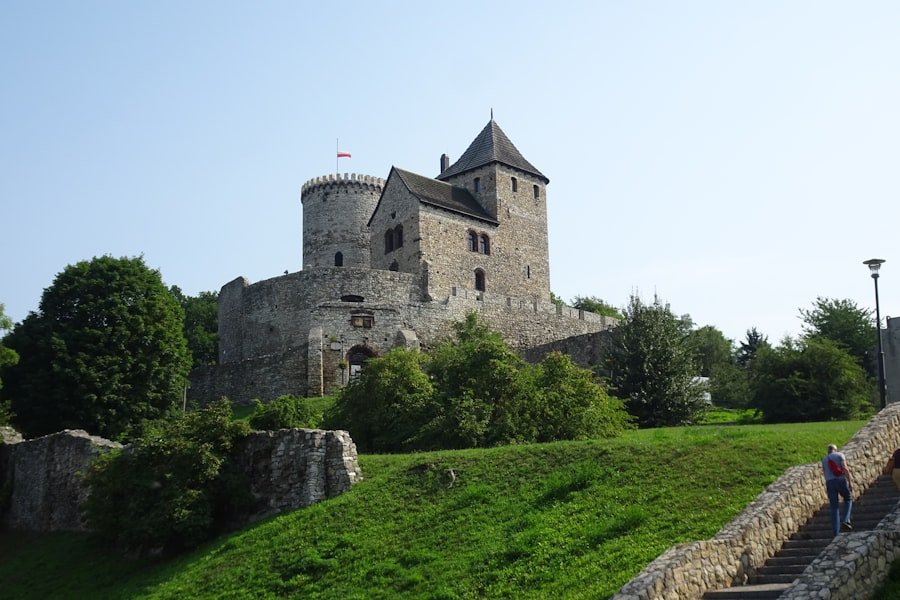
Rapperswil Castle’s relationship with the developing Swiss Confederacy was more complicated than simply serving as a Confederate stronghold. After the destruction of 1350, Rapperswil became an important Habsburg position on the upper lake. The rebuilt castle projected political and military authority toward neighboring territories.
During the Old Zürich War of 1436 to 1450, Rapperswil could not remain fully neutral and became caught between Habsburg-Austrian interests, Zürich and the Confederate states. A more direct institutional link followed in 1464, when Rapperswil entered a protective alliance with Uri, Schwyz, Unterwalden and Glarus.
This documented history is more accurate than describing the castle as a central meeting place where the Swiss Confederacy itself was formed. Its importance came from its strategic location, changing political loyalties and visibility on a major regional route.
Polish History and the Castle’s Cultural Legacy
One of the most distinctive chapters in Rapperswil Castle’s history began in the 19th century. In 1868, Polish émigré Count Władysław Plater erected a Liberty Column on the castle hill to commemorate Poland’s struggle for independence. Two years later, in 1870, parts of the castle were adapted for a Polish National Museum.
The Polish museum tradition became closely identified with Rapperswil for more than 150 years. The castle preserved collections and memories connected with Polish culture, independence movements and Polish-Swiss relations.
That historical connection remains important, but the visitor situation has changed. The Polish Museum’s long-running exhibition in the castle ended in 2022. The castle now operates its own exhibition telling the history of Rapperswil Castle, while the Polish Museum is based around the Burghof building on Rapperswil’s main square.
Note: As of August 2026, the Polish Museum’s current exhibition of Polish paintings and miniatures is at Burghof, Hauptplatz 8, on the second floor. The museum lists Wednesday through Sunday opening hours of 14:00 to 17:00. This is separate from the Rapperswil Castle exhibition.
| Experience | What Visitors Can Expect | Current Location |
|---|---|---|
| Rapperswil Castle exhibition | A visitor trail explaining the castle’s history and development | Rapperswil Castle |
| Gügelerturm | Historic tower and elevated views; stair access limits accessibility | Rapperswil Castle |
| Polish Museum exhibitions | Polish art, history and Polish-Swiss cultural material | Burghof, Hauptplatz 8 |
The Castle Gardens and Surrounding Views
The castle hill provides some of the best-known views in Rapperswil. From elevated points around the complex, visitors can look across the roofs of the old town, the water of Lake Zurich and, in suitable weather, toward the surrounding mountains.
It is useful to distinguish the castle’s own garden areas from Rapperswil’s famous public rose gardens. The castle includes an herb garden, but the rose gardens that earned Rapperswil its reputation as the “Town of Roses” are spread through the historic center.
According to Switzerland Tourism, more than 20,000 roses bloom from May to October in Rapperswil. Four public rose gardens can be found around the old town, including gardens near the Capuchin monastery, the Einsiedlerhaus, Hintergasse and the Schanz. The fragrant rose garden on the Schanz was designed with blind and visually impaired visitors in mind and includes labels in Braille.
Rapperswil’s appeal comes from the combination of the castle, medieval old town, lake views, deer park and extensive rose gardens rather than from the castle interior alone.
Activities and Events at Rapperswil Castle
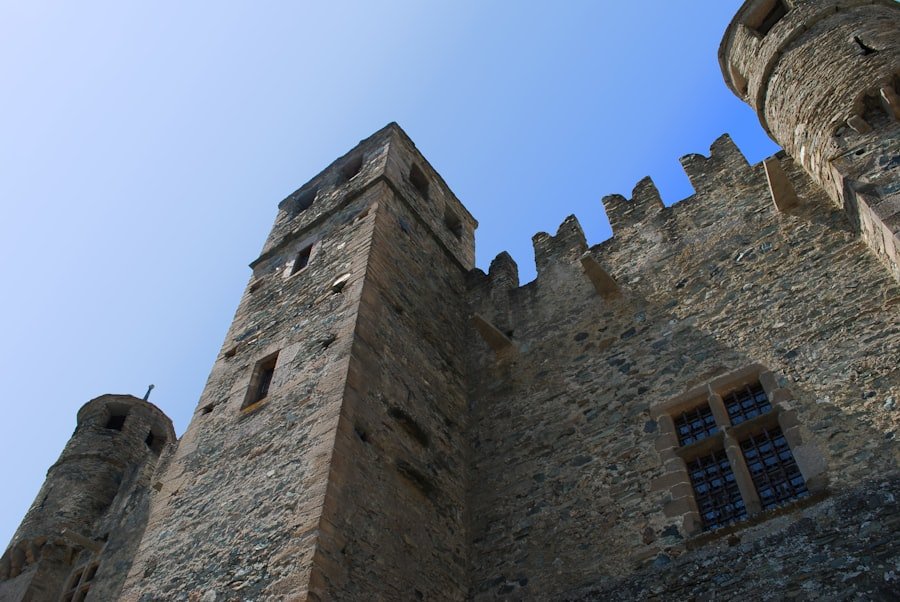
Rapperswil Castle is used as more than a historical exhibition space. Its rooms can host cultural events, private celebrations, conferences and weddings. The large Knights’ Hall is specifically used for cultural programming and is known for its acoustics.
Visitors should not assume that medieval reenactments, craft workshops or cooking demonstrations take place on a regular schedule. Programming changes. The most reliable approach is to check the castle’s current event calendar before planning a visit around a particular performance or activity.
For travelers who want additional historical context, Rapperswil Zürichsee Tourismus offers bookable guided-tour options that can include the castle courtyard, castle hill and, depending on the tour selected, the tower.
Current Opening Hours, Tickets and Accessibility
The following visitor information was verified for August 2026. Because opening hours and admission prices can change, the linked official castle page remains the authoritative source.
| Exhibition Hours | Tuesday to Sunday, 10:00-17:00; Monday closed |
| Adult Admission | CHF 14 |
| Reduced Admission | CHF 9 for AHV, IV, apprentices and students up to age 26 with ID |
| Children Ages 6-16 | CHF 6 |
| Family Tickets | CHF 20 for 1 adult with up to 2 children/teenagers; CHF 34 for 2 adults with up to 3 children/teenagers |
| Published Closure Dates | November 1 and December 24-26 |
Tickets can be booked through the official Rapperswil Castle ticket page.
Accessibility Note: The footpath to the castle has a gradient greater than 6%. Most of the castle is barrier-free, but the herb garden has a steeper ramp and the Gügelerturm is not barrier-free. Visitors with limited mobility should factor the uphill approach and tower stairs into their plans.
Dogs are not permitted inside the castle. The seasonal Buvette in front of the castle generally operates from April through October when weather allows.
How to Get to Rapperswil Castle
Rapperswil Castle is straightforward to reach by public transportation. Take a train to Rapperswil railway station and continue on foot through the old town. The official castle information estimates the walk from the station at about 10 minutes. The final section climbs toward the castle hill.
Travelers coming from Zürich can check current connections and ticket options through the SBB timetable. Rapperswil can also be reached by boat on Lake Zurich when suitable services are operating, making the journey itself part of a day trip.
If you are driving, the castle administration recommends using nearby public car parks or parking facilities around Rapperswil railway station rather than expecting parking directly beside the castle.
Cycling is another option for exploring the Rapperswil-Jona area, but the historic center and uphill castle approach are best handled carefully on foot once you arrive near the old town.
Tips for Visiting Rapperswil Castle
- Wear comfortable shoes. The old town contains historic surfaces, slopes and stairs, and the route to the castle is uphill.
- Visit the tower if mobility allows. The Gügelerturm adds one of the most memorable viewpoints to the castle exhibition.
- Combine attractions. The old town, deer park, rose gardens and lakeside promenade are all natural additions to a castle visit.
- Check opening days. The exhibition is closed on Mondays and on several published holiday dates.
- Separate the two museums in your plan. Rapperswil Castle has its own history exhibition, while the Polish Museum currently operates at the nearby Burghof.
- Check event listings before traveling for a specific activity. Cultural programming changes throughout the year.
Whether your main interest is medieval history, Swiss political history, Polish-Swiss cultural connections or simply the lake views, Rapperswil Castle works best as part of a wider walk through Rapperswil’s historic center.
If you’re also browsing food content, you may be interested in this separate article on delicious homemade cottage cheese. It is not directly connected with Rapperswil Castle, but it remains available as additional reading.
Frequently Asked Questions
What is Rapperswil Castle?
Rapperswil Castle is a historic hilltop castle in Rapperswil, part of Rapperswil-Jona in the canton of St. Gallen, Switzerland. It overlooks the old town and Lake Zurich and contains a modern visitor exhibition about the castle’s history.
When was Rapperswil Castle built?
The fortified town and castle were founded in the first half of the 13th century and were first documented in 1229. The castle was destroyed in 1350 and substantially rebuilt under Habsburg rule between roughly 1360 and 1400.
What is the historical significance of Rapperswil Castle?
The castle was a seat of the Counts of Rapperswil, later became an important Habsburg position, and entered a new political phase when Rapperswil formed a protectorate alliance with Uri, Schwyz, Unterwalden and Glarus in 1464. It also became closely connected with Polish history after a Polish National Museum opened there in 1870.
What can visitors see at Rapperswil Castle?
Visitors can follow the castle history exhibition, explore historic rooms included in the visitor route, climb the Gügelerturm where access permits, enjoy views over Rapperswil and Lake Zurich, and visit the nearby deer park and old town.
Is Rapperswil Castle open to the public?
Yes. As of August 2026, the castle exhibition is open Tuesday through Sunday from 10:00 to 17:00 and closed on Mondays. Published additional closure dates include November 1 and December 24-26.
How much does Rapperswil Castle cost to visit?
As of August 2026, standard adult admission is CHF 14. Reduced admission is CHF 9, children and young people ages 6 to 16 pay CHF 6, and family tickets are available for CHF 20 or CHF 34 depending on family size.
Is the Polish Museum still inside Rapperswil Castle?
No. The Polish Museum’s long-running castle exhibition ended in 2022. The institution currently holds exhibitions at the Burghof, Hauptplatz 8, below the castle. Rapperswil Castle now has its own history-focused exhibition.
Is Rapperswil Castle wheelchair accessible?
Most of the castle is described as barrier-free, but there are important exceptions. The approach has a gradient greater than 6%, the herb-garden ramp is steep, and the Gügelerturm is not barrier-free.
Are guided tours available at Rapperswil Castle?
Yes. Rapperswil Zürichsee Tourismus offers bookable guided-tour options that can include the castle courtyard, castle hill and, on selected tours, the tower. Availability and schedules should be checked through the tourism office.
Sources
- Die Schweizer Schlösser: Rapperswil Castle — castle history, current exhibition, admission, accessibility, arrival and visitor policies.
- Zürich Tourism: Rapperswil Castle — castle attractions, tower views, deer park and current opening information.
- Rapperswil Zürichsee Tourismus: History and Facts — first documentation in 1229, Habsburg period, Old Zürich War and 1464 protectorate alliance.
- Polish Museum in Rapperswil: 2026 Exhibition Information — current Burghof location and opening hours.
- Switzerland Tourism: Rapperswil Rose Gardens — public rose gardens, blooming season and rose collection.
- Swiss Federal Railways (SBB) — current public-transport schedules and journey planning.