The Swiss Travel Pass is a comprehensive travel card designed for tourists exploring Switzerland. It offers unlimited travel on the Swiss Travel System network, which includes trains, buses, and boats, making it an ideal option for those looking to traverse the picturesque landscapes of the Swiss Alps, charming villages, and vibrant cities. The pass is available for various durations, ranging from three to fifteen consecutive days, so travelers can choose a timeframe that fits their itinerary.
Quick Answer
The Swiss Travel Pass is an all-in-one ticket for unlimited travel on Swiss trains, buses, and boats, plus free entry to 500+ museums and up to 50% off mountain railways. It comes in 3, 4, 6, 8, or 15 consecutive-day versions, starting at CHF 254 for 2nd class in 2026, and is only available to visitors who don’t live in Switzerland or Liechtenstein.
One of the most appealing aspects of the Swiss Travel Pass is its flexibility. It caters to a wide range of travel styles, whether you’re planning a leisurely exploration of the countryside or an ambitious itinerary covering multiple cities in a short period. The pass simplifies the logistics of travel while giving you access to some of Switzerland’s most scenic routes and attractions.
Key Takeaways
- The Swiss Travel Pass is a single ticket for unlimited travel on the Swiss Travel System network of trains, buses, and boats.
- It’s sold in 3, 4, 6, 8, or 15 consecutive-day versions and includes free admission to over 500 museums nationwide.
- A Flex version lets you spread chosen travel days across a one-month window instead of using them consecutively.
- It can be bought online, at railway stations, or through authorized sales agents, and works as an instant e-ticket with no activation needed.
- Children under 16 travel free when accompanied by an adult pass holder, using the complimentary Swiss Family Card.
- The pass is only available to travelers who live outside Switzerland and Liechtenstein.
How does the Swiss Travel Pass work?
Unlimited travel across Switzerland
With the Swiss Travel Pass, you can travel freely on trains operated by the Swiss Federal Railways (SBB), regional trains, and public transport such as trams and buses in more than 90 towns and cities. The pass becomes valid on the start date you select and remains active for every consecutive day of the duration you bought — no separate activation step required once you have your ticket.
Consecutive days vs. the Flex pass
The standard Swiss Travel Pass covers a run of consecutive calendar days — ideal if you’re changing location most nights. If your trip includes rest days where you won’t be traveling, the Swiss Travel Pass Flex lets you pick the same range of day-counts (3, 4, 6, 8, or 15) to use at any point within a one-month window, for roughly 15–20% more per travel day.
Convenience and flexibility
Travelers can hop on and off trains, buses, and boats without buying individual tickets for each journey. This is especially useful in Switzerland, where public transport is efficient and central to experiencing the country’s landscapes.
Additional perks and benefits
The pass also includes free admission to over 500 museums across the country, adding cultural enrichment to the trip at no extra cost.
Note: The Swiss Travel Pass is only sold to people who live outside Switzerland and Liechtenstein — it isn’t available to Swiss or Liechtenstein residents.
What is included in the Swiss Travel Pass?
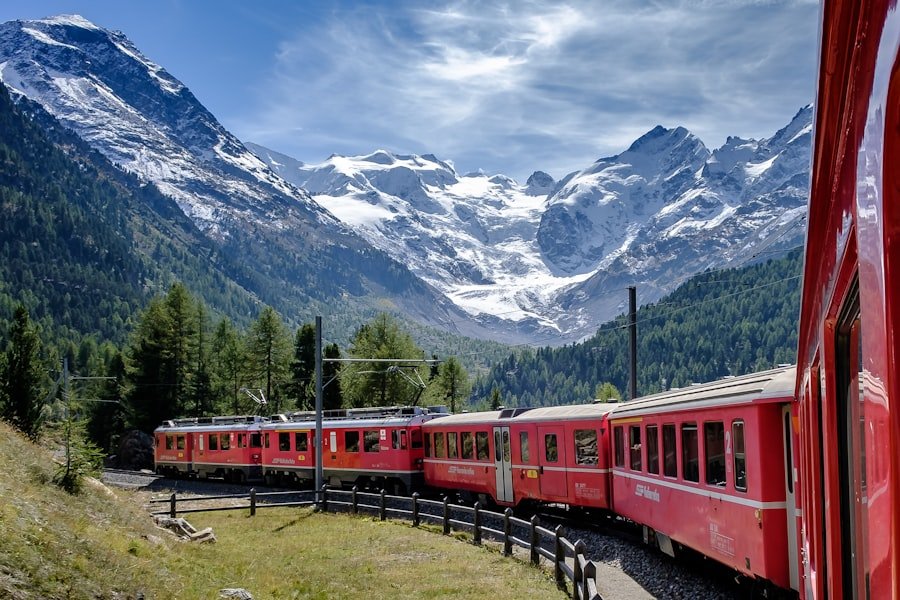
The Swiss Travel Pass covers a wide array of transportation options plus additional perks that add to its value. It provides unlimited travel on the entire Swiss Travel System network — trains, buses, and boats — letting you explore urban centers like Zurich and Geneva as well as remote mountain villages without worrying about individual transport costs.
Beyond transportation, the pass gives free entry to more than 500 museums throughout the country. Mountain excursions are also discounted: cable cars, cogwheel trains, and funiculars are typically up to 50% off, and a few routes — including Mount Rigi, Stanserhorn, and Stoos — are covered completely free. A handful of premier scenic trains, like the Glacier Express and Bernina Express, are covered by the pass but require a separate seat reservation fee.
This combination of transport access and cultural discounts is what makes the Swiss Travel Pass an attractive option for travelers looking to experience as much of Switzerland as possible.
1st class vs. 2nd class
Every duration is sold in both 1st and 2nd class. 2nd class covers everyday comfort at a lower price, while 1st class adds wider seats, larger panoramic windows, and quieter carriages — a worthwhile upgrade on long intercity legs like Geneva to Zurich or St. Moritz.
How much does the Swiss Travel Pass cost in 2026?
| Swiss Travel Pass Options | Validity | 2nd Class Price |
|---|---|---|
| 3-day pass | 3 consecutive days | CHF 254 |
| 4-day pass | 4 consecutive days | CHF 309 |
| 6-day pass | 6 consecutive days | CHF 399 |
| 8-day pass | 8 consecutive days | CHF 439 |
| 15-day pass | 15 consecutive days | CHF 499 |
Prices rose by roughly 4.5% for 2026 across every duration. 1st class runs noticeably higher — for example, the 3-day pass is CHF 405 in 1st class. Youth travelers under 25 get a 30% discount off the adult fare, and children aged 6–15 travel completely free with an adult pass holder using the complimentary Swiss Family Card, which you can request at no charge when you buy your pass.
How to purchase the Swiss Travel Pass
Purchasing a Swiss Travel Pass can be done through several channels, making it accessible for travelers from around the globe. The most direct method is through Switzerland Tourism’s official pass page or the SBB (Swiss Federal Railways) website, where you can select your desired duration, class, and start date, and receive an e-ticket by email — no physical card required.
Alternatively, the pass can be purchased at major train stations across Switzerland, including the airports in Zurich and Geneva. This is useful for travelers who decide to buy spontaneously or prefer purchasing in person. Many travel agencies and tour operators also bundle the pass into package trips.
Pro Tip: The pass can be bought up to 11 months ahead of your first travel day, and prices are fixed in Swiss francs regardless of when or where you buy it — booking early won’t save you money, but it does guarantee availability during peak season.
How to use the Swiss Travel Pass
Using the Swiss Travel Pass is designed to be straightforward. After purchasing, you’ll receive a digital e-ticket you can present when boarding trains, buses, or boats — no separate validation step is needed once your start date arrives.
When traveling, simply show your Swiss Travel Pass to the conductor or driver on request. No additional tickets are required for most journeys within the coverage area. For certain scenic trains — the Glacier Express, Bernina Express, Gotthard Panorama Express, and Palm Express — you’ll still need to book a seat reservation and pay any applicable supplement, even though the base fare is covered.
Warning: A valid Swiss Travel Pass covers the ride itself, but it does not cover mandatory seat reservation fees on premium panoramic trains — booking those in advance is essential during peak season, as popular routes sell out.
Cancellations and refunds
Unused Swiss Travel Passes can typically be cancelled for a refund before their first day of validity, though cancellation fees and conditions vary by where you bought the pass — check the terms with your specific seller before purchasing.
Benefits of the Swiss Travel Pass
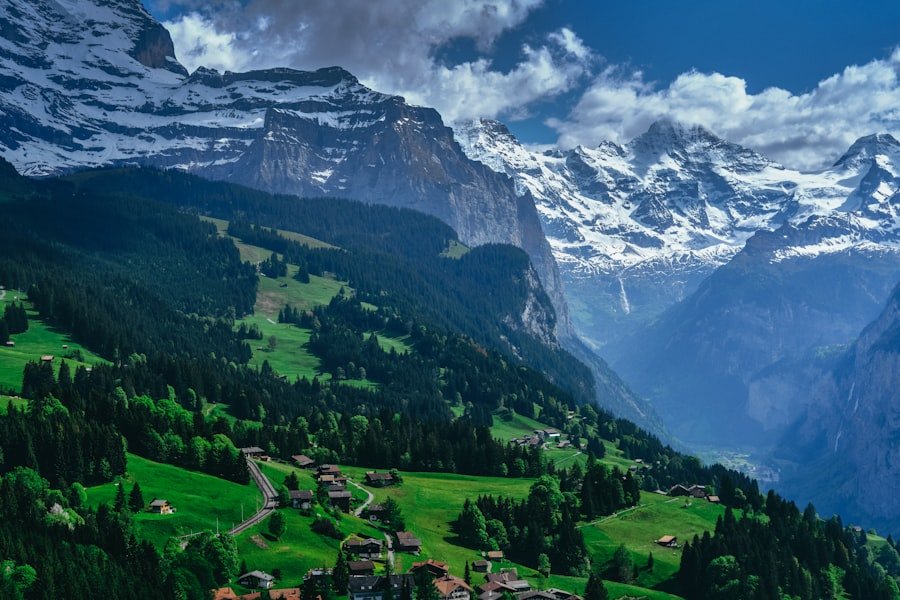
The benefits of the Swiss Travel Pass extend beyond transportation convenience. A significant advantage is cost savings: for travelers visiting multiple destinations, individual point-to-point tickets can add up quickly, while the pass provides unlimited travel for one fixed price.
Two popular mountain excursions at 50% off — like Titlis and Matterhorn Glacier Paradise — can save you close to CHF 95 combined, often covering a meaningful chunk of the pass price on its own.
The pass also enhances flexibility in travel plans. With no need to follow specific ticketing schedules or routes, you can adjust your itinerary spontaneously based on weather or personal interest. Combined with free admission to numerous museums, it lets you enrich the cultural side of your trip without extra cost.
Tips for maximizing your Swiss Travel Pass
Planning ahead is crucial to getting the most from your pass. Familiarizing yourself with the network of trains and public transport helps you identify key routes and connections that fit your goals. The free SBB Mobile app is worth downloading before your trip — it shows real-time departures, platform changes, and lets you reserve seats on scenic trains directly from your phone.
Another tip is to take advantage of early morning or late evening travel, when trains are less crowded and offer better views of the countryside. Consider combining your travel with local events or festivals happening during your visit — many towns host seasonal celebrations that add a unique cultural layer to the trip.
Where can you use the Swiss Travel Pass?
The Swiss Travel Pass is valid throughout Switzerland, covering destinations from bustling cities to quiet mountain villages. Major urban centers such as Zurich, Geneva, Bern, and Lucerne are all accessible via the pass, letting you explore their histories and cultures effortlessly. Beyond cities, the pass extends into some of Switzerland’s most striking natural landscapes.
You can use it to access scenic train routes like the Glacier Express or Bernina Express, which cross dramatic alpine scenery. Popular destinations such as Interlaken and Zermatt are also easily reachable, making the pass a strong option for anyone splitting a trip between cities and countryside.
Comparing the Swiss Travel Pass with other travel options
When weighing travel options in Switzerland, it’s worth comparing the Swiss Travel Pass against individual tickets, the Half Fare Card, or regional passes. Individual tickets can look cheaper for a single short trip, but they add up quickly across multiple destinations. The Half Fare Card (around CHF 150 for one month) gives you 50% off point-to-point fares instead of unlimited travel — it suits slower trips with fewer, longer journeys, while the Swiss Travel Pass suits itineraries with frequent daily travel.
Regional passes can also appeal to travelers focused on one area, like Lake Geneva or the Jungfrau region, but they lack the nationwide coverage the Swiss Travel Pass provides. For anyone exploring multiple regions rather than staying in one area, the Swiss Travel Pass remains the more flexible choice.
If you’re planning a trip to Switzerland and looking for a convenient way to explore the country, the Swiss Travel Pass is a genuinely useful piece of trip planning. It gives you unlimited access to public transportation — trains, buses, and boats — plus free entry to over 500 museums and attractions, making it an efficient way to spend more time seeing the country and less time buying tickets. For more travel inspiration, check out this article on exploring the delightful world of Asian melon.
Frequently Asked Questions
What is the Swiss Travel Pass?
It’s a single ticket that covers unlimited travel on the Swiss Travel System network — SBB trains, PostBuses, lake boats, and city trams and buses in more than 90 towns — plus free museum entry and mountain railway discounts.
What does the Swiss Travel Pass cover?
Unlimited travel on trains, PostBuses, lake boats, and local trams/buses; free admission to over 500 museums; and up to 50% off most mountain excursions, with a few routes included entirely free.
How long is the Swiss Travel Pass valid for?
It’s available for 3, 4, 6, 8, or 15 consecutive days. A Flex version offers the same day-counts spread across a one-month window instead.
Where can I buy the Swiss Travel Pass?
Online through Switzerland Tourism or SBB, at Swiss railway stations and airports, or through authorized travel agents and sales partners.
Is the Swiss Travel Pass worth it?
It depends on your itinerary. If you’re moving between multiple cities and regions on most days, the pass usually beats buying point-to-point tickets. If you’re based in one place with few travel days, a Half Fare Card or single tickets may cost less.
Can I use the Swiss Travel Pass on all trains in Switzerland?
It’s valid on nearly all SBB trains, most private railways, and scenic trains — though scenic routes like the Glacier Express and Bernina Express still require a separate seat reservation and surcharge.
Do I need to make seat reservations with the Swiss Travel Pass?
Not for most regional and intercity trains. Reservations are required on a handful of premium panoramic trains and recommended for busy international routes during peak season.
Can I use the Swiss Travel Pass for travel to and from the airport?
Yes — the pass is valid for train and bus travel to and from Swiss airports, including Zurich and Geneva.
Do children travel free with the Swiss Travel Pass?
Children under 16 travel free when accompanied by an adult holding a valid Swiss Travel Pass, using the complimentary Swiss Family Card requested at the time of purchase.
Sources
- Switzerland Tourism — Swiss Travel Pass — official pricing, museum count, children’s fare rules, and eligibility.
- SBB (Swiss Federal Railways) — network coverage, timetables, and seat reservation requirements.