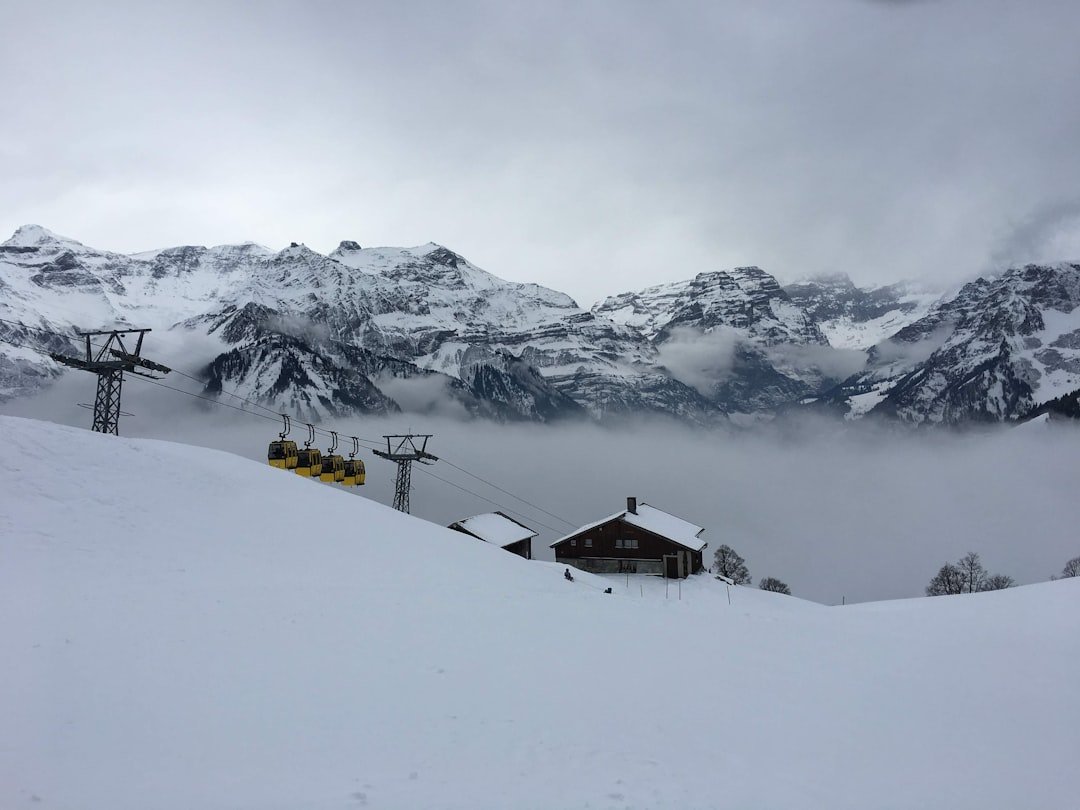
Ski passes in Switzerland range from simple day tickets to flexible multi-day products, regional passes, and annual passes that cover dozens of mountain areas. The best choice depends on where you want to ski, how many days you expect to be on snow, the ages in your group, and whether you value extras such as public-transport connections, summer lift access, or partner-resort days.
Quick Answer
For most Switzerland ski trips, buy a resort or regional pass for the exact days you will ski. Compare multi-day prices with annual options such as Magic Pass or AlpsPass if you expect many ski days. Always check the covered lifts, age bands, refund rules, peak pricing, and whether transport is included before paying.
Key Takeaways
- Single-day, multi-day, flexible-day, season, family, beginner, regional, and multi-resort passes are all common options in Switzerland.
- Do not compare passes by price alone. Check the exact ski areas, lift restrictions, transport, age categories, refund terms, and included benefits.
- For winter 2026/27, published adult examples include Jungfrau day tickets from CHF 79, Zermatt winter ski passes from CHF 92, and a 4 Vallées day ticket at CHF 94.
- Magic Pass and AlpsPass can make sense for frequent skiers, while Epic and Ikon holders may already have limited access to selected Swiss destinations.
- Buying early can save money on some products, but the lowest-price option is only useful if its validity dates and resort coverage match your plans.
At a Glance
| Time Required | About 10 to 20 minutes to compare options once your dates and ski areas are known |
| Difficulty | Easy, but coverage and age rules need careful checking |
| Tools Needed | Trip dates, skier ages, target resorts, and the official pass or resort website |
| Cost | Varies widely; current 2026/27 examples in this guide range from two-digit day-ticket prices to four-figure annual passes |
Types of Ski Passes in Switzerland
The most common choices are single-day passes, consecutive multi-day passes, flexible multi-day passes, and season or annual passes. Single-day tickets are useful for casual skiers or short visits. Multi-day passes are designed for several ski days and can reduce the average daily cost compared with repeatedly buying day tickets.
Flexible passes are useful when you do not want to ski every day. Some resorts sell products such as a set number of ski days within a larger window. Season and annual passes are aimed at frequent skiers and can include more than winter skiing, depending on the product.
Switzerland also has family, child, youth, senior, beginner, local-area, and regional products. Age cutoffs are not universal, so compare the date-of-birth rules on the official site instead of assuming that every resort defines “child,” “youth,” or “senior” the same way.
Comparing Prices and Benefits of Various Ski Passes
Price is important, but it is only one part of the decision. A cheaper pass may cover fewer lifts, a smaller local sector, or fewer ski days, while a more expensive pass may include a larger interconnected area, transport links, summer access, or partner destinations.
Swiss resorts can also use season-based, day-based, or demand-based pricing. For that reason, the amount you see for one date may not match another date. Compare the exact dates you plan to ski rather than relying on an old “typical price.”
Selected 2026/27 Adult Price Examples
| Pass or Area | Published Adult Price | What to Know |
|---|---|---|
| Jungfrau Ski Region | CHF 79 low-season day / CHF 83 specified peak periods | Published 2026/27 tariff; weekend rules can affect low-season day pricing. |
| Zermatt winter ski pass | From CHF 92 | Winter product published for 1 November 2026 to 2 May 2027; international access to Cervinia is an additional option depending on the pass. |
| 4 Vallées | CHF 94 for 1 day | Adult 2026/27 day-ticket price for the full 4 Vallées area. |
| Magic Pass 2026/27 | CHF 482 as checked 16 August 2026 | Valid 1 May 2026 to 30 April 2027; the displayed price was guaranteed until 8 September 2026. |
| AlpsPass 2026/27 | CHF 949 adult presale | Presale starts 1 September 2026; regular adult price is published at CHF 1,249. |
These prices are snapshots, not permanent national rates. Always recheck the official sales page for your exact date, age category, and product before paying.
Note: “Cheapest per day” is not always cheapest for your trip. A large-area pass can cost more than a local pass even when both are sold for the same number of days.
Navigating the Different Ski Resorts Covered by Each Pass

One of the most important steps is checking exactly where the pass works. Some tickets cover one mountain or valley. Others cover a large linked ski domain, several separate resorts, or partner destinations that cannot be reached on the same set of lifts.
For example, a Jungfrau Ski Region pass covers the Jungfrau area’s ski sectors and includes specified rail travel within the region. Zermatt offers a Swiss-area pass and an international option that can add Breuil-Cervinia and Valtournenche in Italy. The 4 Vallées pass covers the larger interconnected domain that includes Verbier and other sectors.
Coverage matters more than the logo on the pass. Check the exact lift map and redemption rules for the days you plan to ski.
Major Multi-Resort Passes That Can Matter in Switzerland
If you ski often or visit several areas, compare the local ticket with broader annual products.
Magic Pass
The Magic Pass is an annual product valid for the 2026/27 edition from 1 May 2026 through 30 April 2027. It covers a large network of partner resorts in Switzerland plus partner destinations in France and Italy. It can be attractive if you ski repeatedly at included areas and also use mountain lifts outside the core winter period.
AlpsPass
The AlpsPass for 2026/27 provides season access to Adelboden-Lenk, Aletsch Arena, Engelberg-Titlis, and the Jungfrau Ski Region, plus a limited number of free ski days in partner destinations. The adult presale price is CHF 949, with presale starting 1 September 2026.
Epic Pass and Ikon Pass
International pass holders should check benefits before buying a separate Swiss ticket. For 2026/27, the Epic Pass Switzerland page lists Andermatt-Sedrun-Disentis, Crans-Montana, and Verbier 4 Vallées, with access rules varying by Epic product. The Ikon destination list includes Zermatt Matterhorn and St. Moritz, with the number of included days depending on the Ikon product.
These global passes are not the same as buying an unrestricted local season ticket. Partner access can have limits, blackout dates, check-in requirements, or pass-specific exclusions.
How to Choose the Right Ski Pass for Your Trip
- List your actual ski days. Count days you realistically expect to ski, not the full length of your holiday.
- Choose the terrain first. Decide whether you need one local sector, a full regional domain, cross-border skiing, or several separate resorts.
- Check every skier’s age category. Child, youth, and senior rules vary by operator.
- Compare total trip cost. Include pass price, card or media requirements, transport, parking, and any extras you would otherwise buy.
- Read restrictions. Check blackout dates, activation rules, required photos, reservation or redemption steps, and whether every lift you need is included.
- Compare against an annual pass. Divide the annual-pass cost by the day-ticket cost as a rough break-even check, then adjust for the resorts you would actually use.
Pro Tip: If your plans are uncertain, compare flexible “X days within Y days” products with a consecutive multi-day pass. Paying slightly more for flexibility can be better value if weather, rest days, or travel days may interrupt your skiing.
Tips for Purchasing and Using Ski Passes
| Tip | Description |
|---|---|
| Early Bird Discounts | Look for early sales on annual and season products, but confirm that the pass covers the resorts you will actually use. |
| Multi-day Passes | Compare the total multi-day price with separate day tickets and flexible-day products. |
| Off-Peak Passes | Check weekday, low-season, or date-specific pricing where offered; weekend or holiday rules may override lower rates. |
| Online Purchase | Buying online can save ticket-office time and may let you reload a compatible card instead of collecting new media. |
| Refund Policy | Read cancellation, illness, injury, weather, and operating-interruption rules before buying a non-refundable product. |
Many Swiss ski areas use hands-free electronic cards or compatible data carriers. The exact system varies. In the Jungfrau Ski Region, for example, online buyers can load a pass onto a physical SBB SwissPass or collect a Jungfrau KeyCard. Do not assume that the same card works at every ski area.
Resort apps and websites can also provide operating information, weather, lift status, maps, and ticket access. These tools are useful, but the official ticket terms remain the controlling source for validity and refunds.
Public Transport, Rail Connections, and Ski-Pass Bundles
Do not assume a ski pass includes travel from your hotel or arrival city. Some regional products include specific local rail or bus services, while others cover only mountain lifts.
The Jungfrau Ski Region states that its ski pass includes specified rail travel in the region, including travel from Interlaken Ost. Zermatt’s winter ski pass includes the local bus. Separately, SBB Snow’n’Rail markets public-transport and ski-pass combinations for selected destinations, with the discount and eligible ticket durations varying by offer.
Making the Most of Multi-Day and Season Passes
For a consecutive multi-day pass, plan around the pass’s actual validity. If your ticket runs for consecutive calendar days, a rest day can reduce its value. If the resort sells a flexible product, compare the premium with the value of being able to skip a bad-weather or travel day.
For season and annual passes, estimate how many days you will realistically ski. A simple break-even calculation is:
Annual pass price ÷ comparable day-ticket price = approximate ski days needed to break even.
This is only a starting point. An annual pass may still be worthwhile if you value summer lift access, partner days, spontaneous short visits, or included benefits. On the other hand, a cheaper local pass can be better if you ski almost entirely at one resort.
Weekdays and early starts can also improve the experience by reducing time spent in queues, although crowd levels depend on weather, holidays, events, and resort operations.
Exploring Additional Benefits and Discounts with Ski Passes
Some passes include benefits beyond ordinary lift access. Depending on the operator, these can include summer mountain lifts, partner-resort days, local transport, discounts, activities, or optional insurance. Magic Pass, for example, is valid across summer and winter within its annual validity period and offers optional add-ons and insurance products.
Resort-specific benefits can also include beginner areas, snow parks, hiking or sledging products, local buses, accommodation packages, or family promotions. Do not assume these extras are universal. Check the current benefit list for the exact pass you are buying.
Discounts on rentals, lessons, food, lodging, or special events may exist at some resorts or through partner programs, but they should be treated as a bonus rather than assumed value unless the official product page lists them.
Family, Child, Youth, Senior, and Beginner Options
Families should compare more than the adult rate. Some resorts have child and youth pricing, free offers for very young children, family promotions, or special beginner-area tickets. The Jungfrau Ski Region, for example, publishes separate youth and child categories and offers a Saturday promotion in which up to three children aged 6 to 15 can receive a free day ticket when an adult buys a qualifying full-price day or afternoon ticket.
Beginner passes can also be useful if you will stay on nursery slopes or a limited sector. Buying the largest regional pass is usually unnecessary if your lessons and skiing will take place entirely in a beginner area.
Understanding the Fine Print: Terms and Conditions of Ski Passes
Before paying, check the pass’s validity dates, included sectors, age rules, transferability, required identification, photo requirements, and refund policy. Also check whether a multi-day product uses consecutive days or lets you choose days within a wider period.
Blackout dates and partner rules are especially important for international products such as Epic and Ikon. Local passes may instead use peak pricing, restricted sectors, or special rules for particular lifts.
Warning: A ski pass is not automatically rescue, medical, trip-cancellation, or travel insurance. Refunds after illness, injury, bad weather, or an operating interruption depend on the operator’s terms and any insurance you purchased.
For example, the Jungfrau Ski Region publishes specific cancellation rules and recommends insurance for situations such as illness or injury during the pass period. Read the terms before purchase rather than assuming unused days will be refunded.
Making the Most of Your Ski Pass: Insider Tips and Tricks
- Start early: The first lift hours can provide quieter slopes, but opening times and lift status should be checked on the day.
- Watch official operating updates: Wind, snow, maintenance, and avalanche-control work can affect lift openings even when your pass is valid.
- Use the whole covered area: If you paid for a regional pass, review the piste map in advance so you do not spend every day in one small sector by accident.
- Check midweek and low-season pricing: Some resorts price dates differently, so changing a ski day can alter the ticket price.
- Follow official resort channels: Newsletters, apps, and social channels can alert you to operating changes, events, and promotions.
- Learn from local skiers: Clubs and ski communities can be useful for route ideas, but follow marked terrain, resort instructions, and current safety information.
When a Multi-Resort or Season Pass Is Worth It
A multi-resort or season pass is most compelling when you expect enough ski days to approach its break-even point and the included mountains match where you actually want to ski. It can also be valuable for people who make frequent day trips and want the freedom to choose between several resorts.
A local or short multi-day ticket is usually easier to justify for a one-off holiday. If you are visiting Switzerland for only three to six ski days and staying in one destination, start by pricing that resort’s local or regional product before buying a large international pass.
Optional Site Reading: The original article also linked to a separate culinary article, Exploring the Delightful World of Asian Melon. It is unrelated to choosing a Swiss ski pass, so treat it only as separate leisure reading.
Sources
- Jungfrau Ski Region – 2026/27 prices, family promotion, SwissPass loading, regional rail inclusion, and refund information.
- Magic Pass – 2026/27 validity, current pricing, partner-resort access, options, and insurance.
- AlpsPass – 2026/27 presale date, prices, validity, and included/partner regions.
- Zermatt Tourism – 2026/27 winter ski-pass starting price, dates, ski-area coverage, international option, and local bus inclusion.
- Verbier 4 Vallées – 2026/27 day, multi-day, and annual pass prices and validity.
- SBB Snow’n’Rail – public-transport and ski-pass offers for selected Swiss destinations.
Frequently Asked Questions
What are ski passes in Switzerland?
A ski pass is a ticket or electronic entitlement that gives you access to specified ski lifts and ski areas for a set period. Coverage can range from a beginner sector or single resort to a large regional domain or multi-resort network.
How do ski passes work in Switzerland?
Many ski areas use a hands-free electronic card or another compatible data carrier that is read at lift gates. Some products can be bought or reloaded online. The exact card, activation, and collection process varies by resort.
What do ski passes in Switzerland include?
At minimum, they normally include access to the lifts or ski areas named in the product. Some also include local rail or buses, snow parks, summer lifts, partner-resort days, or other benefits. Always check the exact inclusions.
How much do ski passes in Switzerland cost?
There is no single national price. For 2026/27, published adult examples include a Jungfrau day pass from CHF 79, Zermatt winter passes from CHF 92, and a 4 Vallées day pass at CHF 94. Annual products can cost several hundred to more than CHF 1,000 depending on the pass and purchase date.
Where can I buy ski passes in Switzerland?
The safest option is the official resort or pass website. Many ski areas also sell tickets at ticket offices, stations, machines, or local sales points. Online purchase may let you reload a compatible card or collect a card using a QR code.
Are there different types of ski passes in Switzerland?
Yes. Common options include half-day, single-day, consecutive multi-day, flexible-day, beginner, local-area, regional, season, annual, family, child, youth, and senior products. Multi-resort passes such as Magic Pass and AlpsPass add another category.
Can I load a Swiss ski pass onto my SBB SwissPass?
Sometimes. The Jungfrau Ski Region, for example, allows eligible online ski passes to be loaded onto a physical SBB SwissPass. This is not a universal rule for every Swiss resort, so check the data-carrier options for your ski area.
Does a Swiss ski pass include trains or public transport?
Sometimes, but not automatically. Some regional passes include specific rail or bus connections, while others cover only mountain transport. SBB also offers Snow’n’Rail packages for selected destinations that combine public transport with discounted ski-pass products.